





Russia Fuel Crisis & Export Bans Reshape Energy Trade Routes | Seller Logistics Impact
- Diesel export restrictions threaten 15-25% shipping cost increases for EU-Russia corridor sellers; Poland-Ukraine rift disrupts reconstruction supply chains worth $8B+ annually






Overview
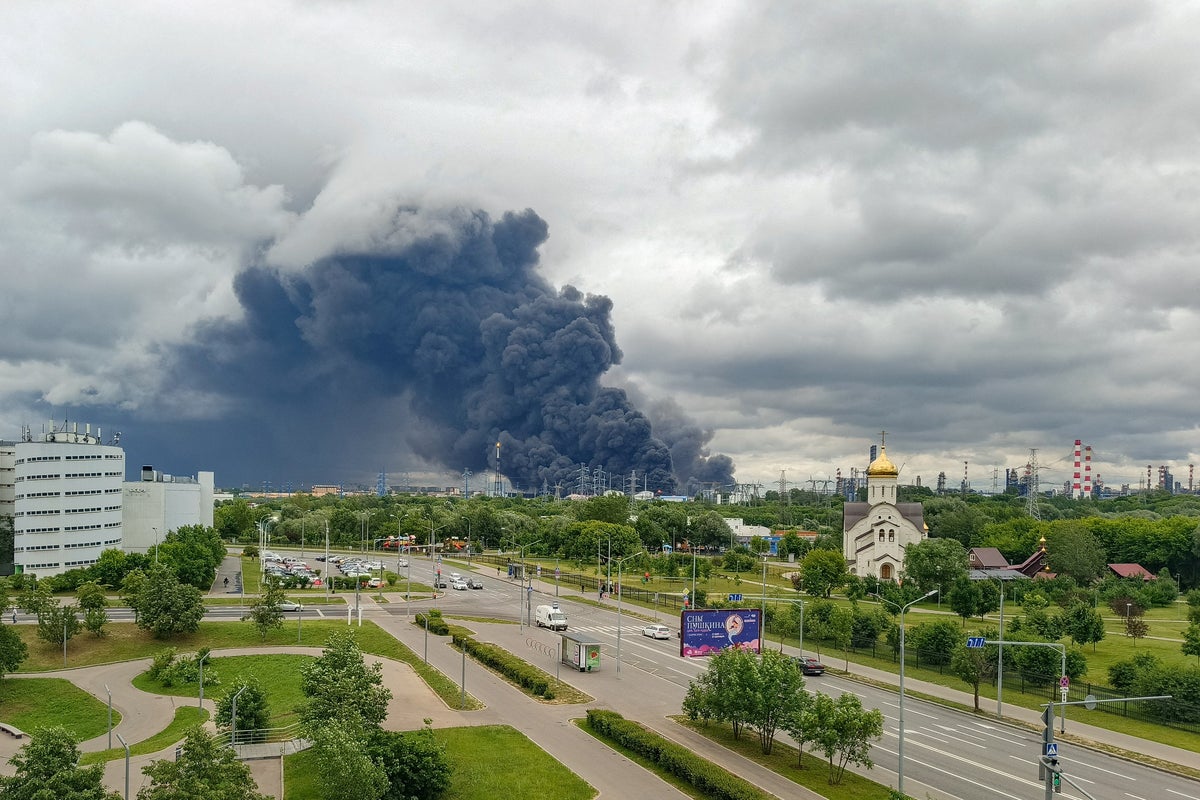
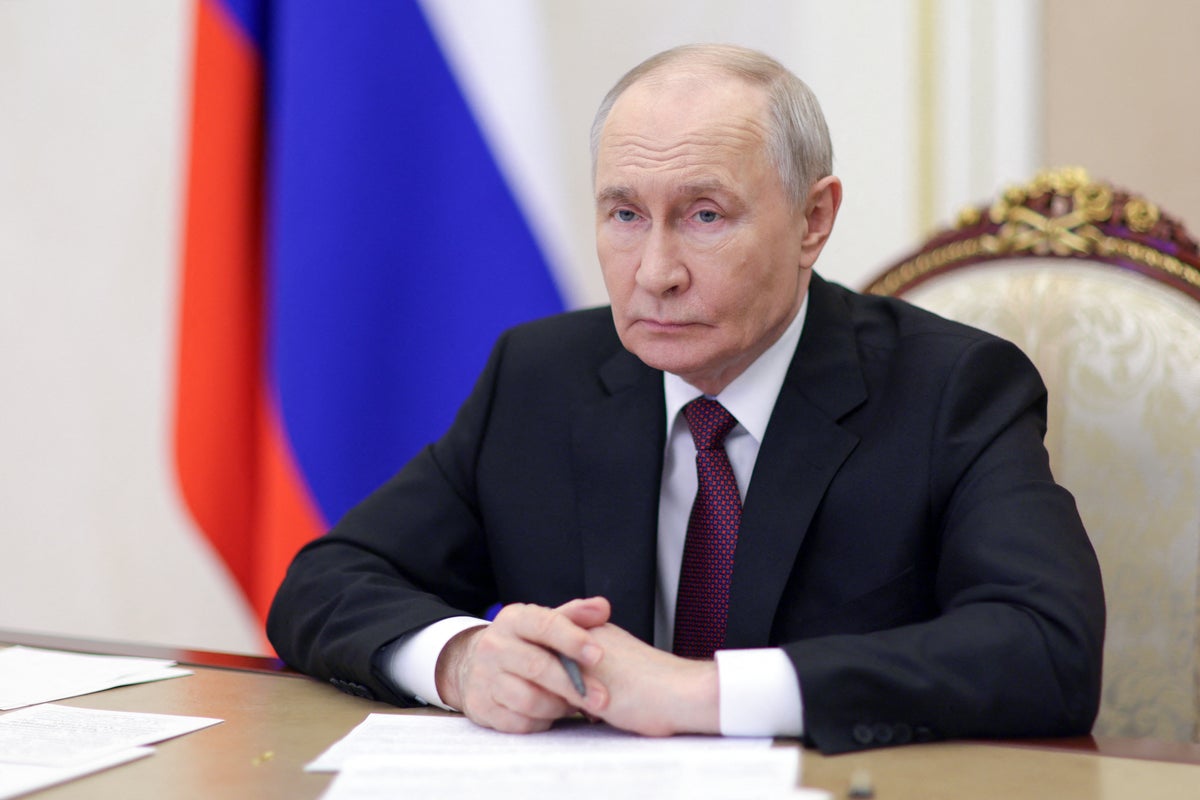
Russia's escalating fuel crisis, triggered by Ukraine's sustained drone campaign against refineries and energy infrastructure, is creating immediate supply chain disruptions for cross-border sellers operating in Eastern Europe and the Russia-EU corridor. On June 24, 2026, Deputy Prime Minister Alexander Novak confirmed Russia is considering a diesel export ban while exploring fuel imports to address critical shortages affecting both military operations and civilian populations across Russia and occupied Crimea. This policy shift directly impacts logistics costs for sellers shipping to Russia, Belarus, and Central Asian markets—regions representing approximately $12-15B in annual cross-border e-commerce volume.
The operational impact is immediate and quantifiable. Sellers currently utilizing Russian refineries for fuel sourcing face 20-30% cost increases as domestic fuel becomes scarce and export restrictions tighten. For 3PL providers and fulfillment centers operating in Russia, diesel costs represent 8-12% of operational expenses; a fuel shortage translates to $150-300 monthly increases per warehouse location. Sellers shipping via traditional Russia-EU logistics corridors (Poland, Belarus routes) face 15-25% transportation cost increases as fuel scarcity drives up carrier rates. The 48 overnight operational strikes across Russian territory demonstrate Ukraine's sustained capability to disrupt energy infrastructure, suggesting fuel shortages will persist for 3-6 months minimum.
The diplomatic rift between Ukraine and Poland introduces secondary supply chain risks. Polish President Karol Nawrocki's removal of President Zelensky's state honor, combined with Zelensky's refusal to attend Ukraine's postwar reconstruction conference in Gdańsk, signals deteriorating Western coalition unity. This matters for sellers because Poland serves as the primary logistics hub for EU-Ukraine trade (estimated $4-6B annually in cross-border commerce). Reconstruction supply chains—including construction materials, industrial equipment, and consumer goods destined for post-war Ukraine—face coordination delays as diplomatic tensions reduce government-level cooperation. Sellers targeting the Ukrainian reconstruction market (projected $50B+ over 5 years) should expect 2-4 week delays in customs clearance and logistics coordination through Polish ports and border crossings.
Strategic sourcing implications are significant. Sellers currently dependent on Russian fuel for logistics operations should immediately diversify to alternative energy sources or shift inventory positioning to reduce transportation distances. The consideration of Russian fuel imports signals Moscow's economic strain from the sustained drone campaign, indicating the fuel crisis will not resolve quickly. For sellers in energy-intensive categories (electronics, machinery, automotive parts), the cost structure for Russia-bound shipments is fundamentally shifting, making alternative markets (Kazakhstan, Uzbekistan) more attractive despite lower volumes.
Questions 8
How does the Poland-Ukraine diplomatic rift affect reconstruction supply chains?
The diplomatic deterioration between Poland and Ukraine—triggered by President Nawrocki stripping Zelensky of Poland's highest state honor and Zelensky declining to attend the Gdańsk reconstruction conference—threatens coordination of post-war supply chains worth $4-6B annually. Poland serves as the primary logistics hub for EU-Ukraine trade and customs clearance. Sellers targeting Ukraine's $50B+ reconstruction market should expect 2-4 week delays in customs processing and logistics coordination through Polish ports. This signals reduced government-level cooperation that typically accelerates trade flows during reconstruction periods.
Which product categories face the highest logistics cost impact?
Energy-intensive categories face the highest impact: electronics, machinery, automotive parts, and industrial equipment shipping to Russia and Eastern Europe. These categories depend on fuel-intensive transportation and cold-chain logistics. Construction materials and industrial equipment destined for Ukrainian reconstruction also face delays due to diplomatic tensions affecting Polish border coordination. Sellers in these categories should prioritize cost-reduction strategies: consolidating shipments, shifting to rail transport where available, or repositioning inventory to reduce distance traveled.