


SK Hynix $29B US Listing | Semiconductor Supply Chain Impact for Tech Sellers
- Korean chipmaker's dual listing signals AI-driven semiconductor demand surge affecting electronics sellers' sourcing costs and component availability through 2025


Overview
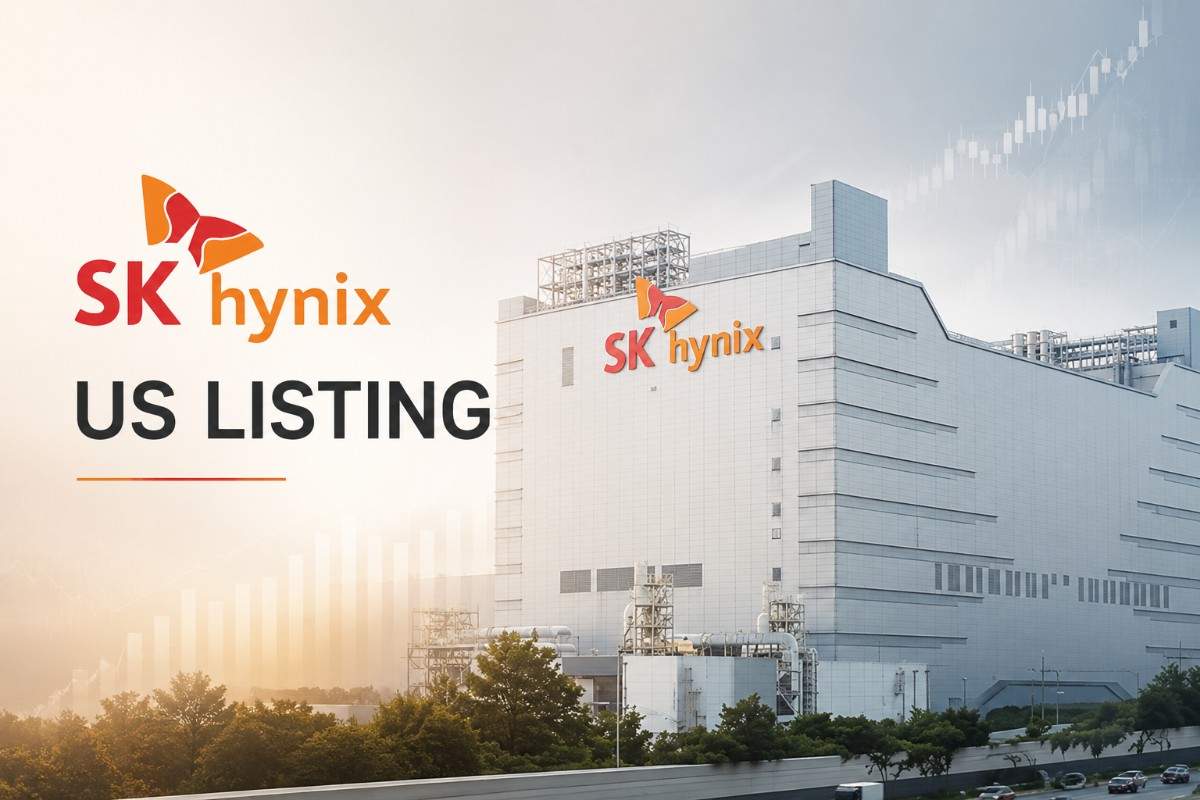
SK Hynix's planned $29 billion US listing via Nasdaq ADRs represents a critical inflection point for cross-border electronics sellers and tech product merchants. The Korean chipmaker's dual-listing strategy—contingent on unresolved ADR convertibility terms—signals intensifying global competition for semiconductor supply amid the AI boom. This capital raise directly impacts sellers in electronics, computing accessories, smart home devices, and AI-enabled products who depend on stable component sourcing and pricing.
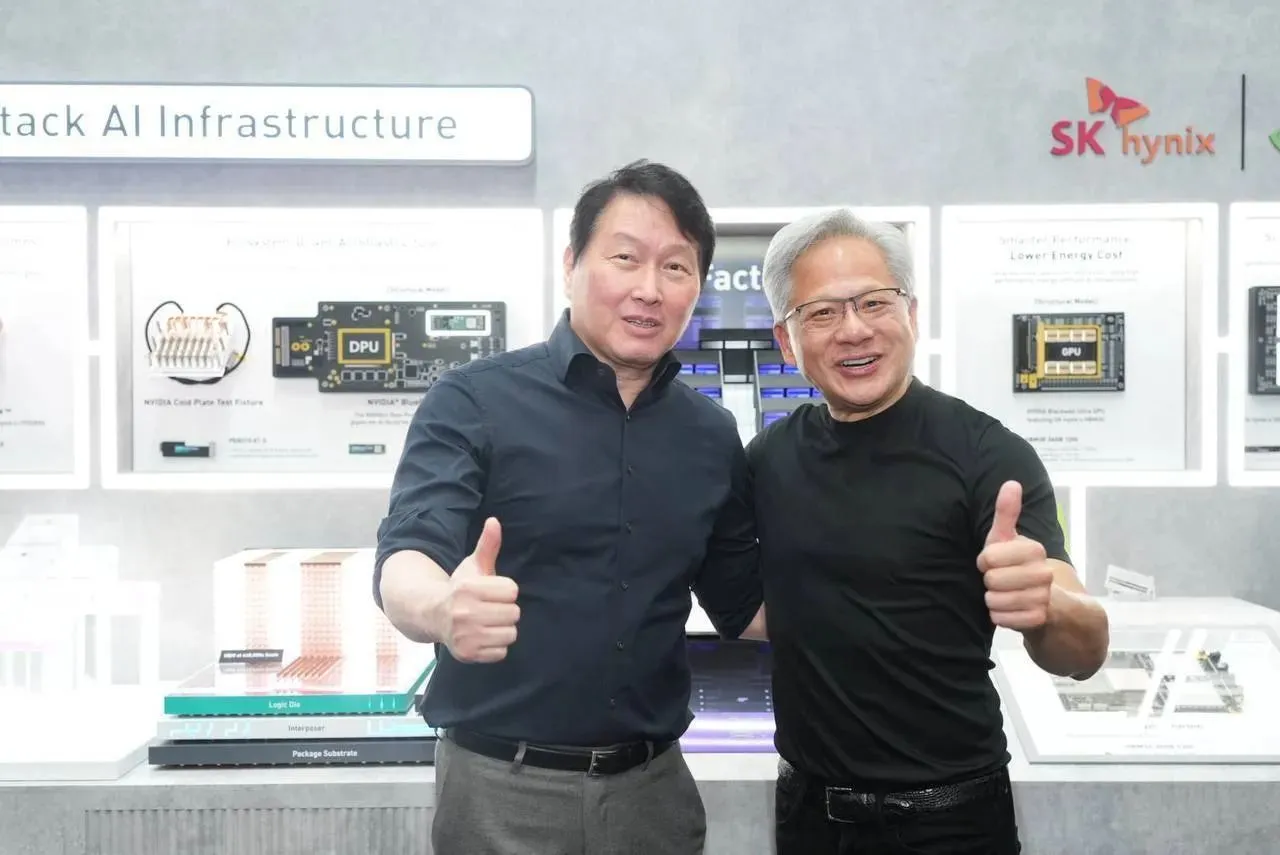
The ADR fungibility uncertainty creates immediate supply chain implications for sellers. If ADRs trade at a sustained premium (restricted convertibility scenario), SK Hynix's valuation surge could accelerate component price increases across the semiconductor supply chain. Sellers sourcing memory chips, processors, and AI accelerators from SK Hynix suppliers or competitors face potential 5-12% cost escalation within 6-12 months as the company reinvests capital raise proceeds into manufacturing capacity. The $29 billion capital infusion signals SK Hynix's aggressive expansion to capture AI-driven demand, directly competing with NVIDIA, AMD, and Intel for market share—a dynamic that affects component availability and pricing for sellers building AI-adjacent products (smart speakers, edge computing devices, industrial IoT equipment).
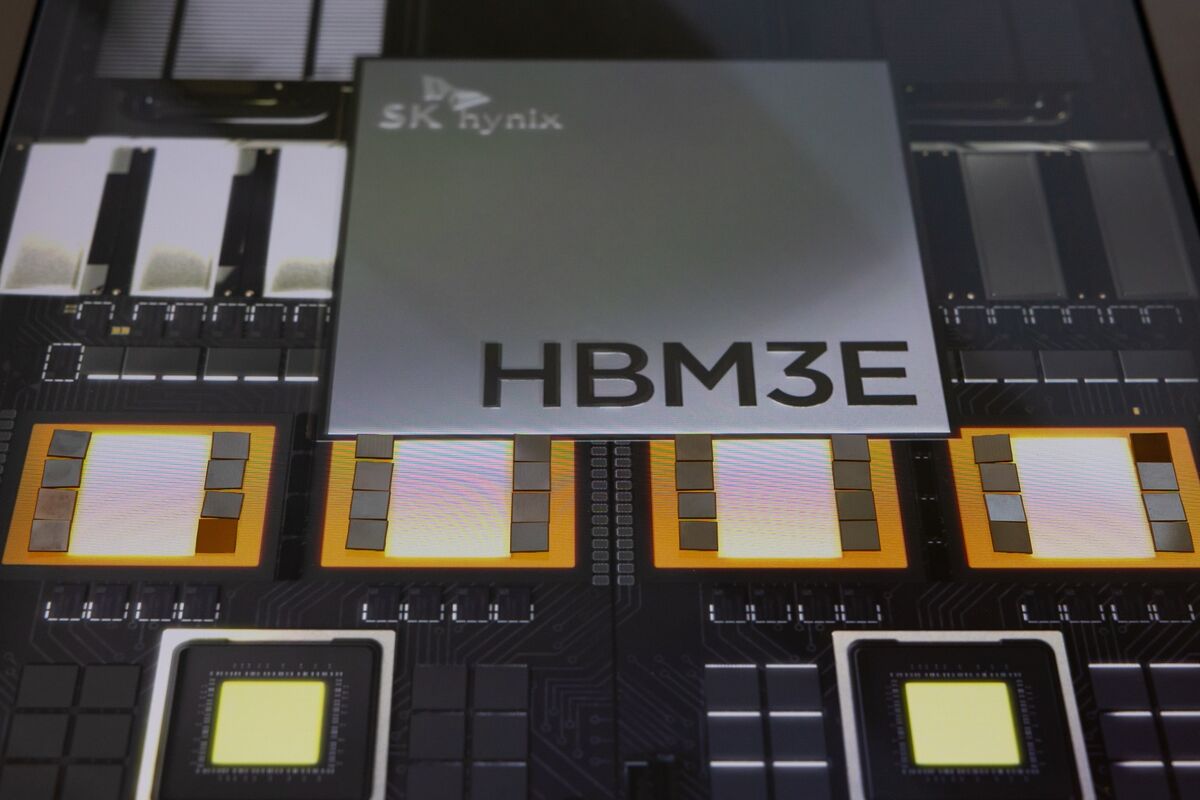
For cross-border electronics sellers, the strategic implications are multifaceted. The dual-listing trend among Asian tech companies (following TSMC, Samsung, and others) indicates accelerating capital flows toward semiconductor manufacturing in South Korea and Taiwan. This concentration of investment may create supply bottlenecks for mid-tier sellers reliant on secondary suppliers or spot market purchases. Sellers currently holding inventory of SK Hynix-dependent products (DDR5 RAM, NAND flash storage, HBM chips for AI servers) should monitor the ADR listing timeline closely—premium valuations could trigger supplier price hikes within 30-90 days of formal listing documentation release. Conversely, if convertibility restrictions are lifted, arbitrage activity may stabilize pricing through cross-market competition, benefiting sellers seeking cost predictability.
The AI boom context amplifies urgency for seller action. SK Hynix's move reflects institutional investor appetite for semiconductor exposure, signaling sustained demand for AI-linked products through 2025-2026. Sellers in high-margin AI categories (GPU accelerators, training hardware, inference chips) should accelerate inventory procurement before potential price increases, while sellers in commodity electronics (memory modules, storage devices) should diversify supplier relationships to hedge against SK Hynix supply concentration risk.
Questions 8
How does SK Hynix's $29B US listing affect electronics sellers' component costs?
SK Hynix's capital raise signals aggressive expansion into AI-driven semiconductor manufacturing, likely triggering 5-12% component price increases within 6-12 months as the company reinvests proceeds into capacity building. The news reports the company is raising $29 billion specifically to capitalize on elevated global demand for AI-linked semiconductor stocks. Sellers sourcing DDR5 RAM, NAND flash, or HBM chips should accelerate procurement before formal listing documentation triggers supplier price adjustments. Monitor SK Hynix's official investor relations announcements for ADR listing date confirmation—this typically precedes supply chain pricing updates by 30-90 days.
What is ADR convertibility and why does it matter for sellers?
ADR (American Depositary Receipt) convertibility determines whether US-listed shares can be freely exchanged for Seoul-listed shares. If convertibility is restricted, SK Hynix's US listing could trade at a sustained premium, signaling strong institutional demand that may accelerate component price increases. The news indicates this fungibility question remains unresolved, creating uncertainty for sellers planning inventory purchases. Full convertibility would allow arbitrage activity to stabilize pricing across markets, benefiting sellers seeking cost predictability. Sellers should wait for formal listing documentation (expected within 4-8 weeks) before making major procurement commitments.