




Iran Nuclear Deal Reshapes Gulf Trade Corridors | Sellers Face Supply Chain Volatility & Market Opportunity
- Geopolitical uncertainty creates 15-25% shipping cost volatility for Strait of Hormuz routes; $300B reconstruction fund signals emerging Iranian market access for select categories





Overview
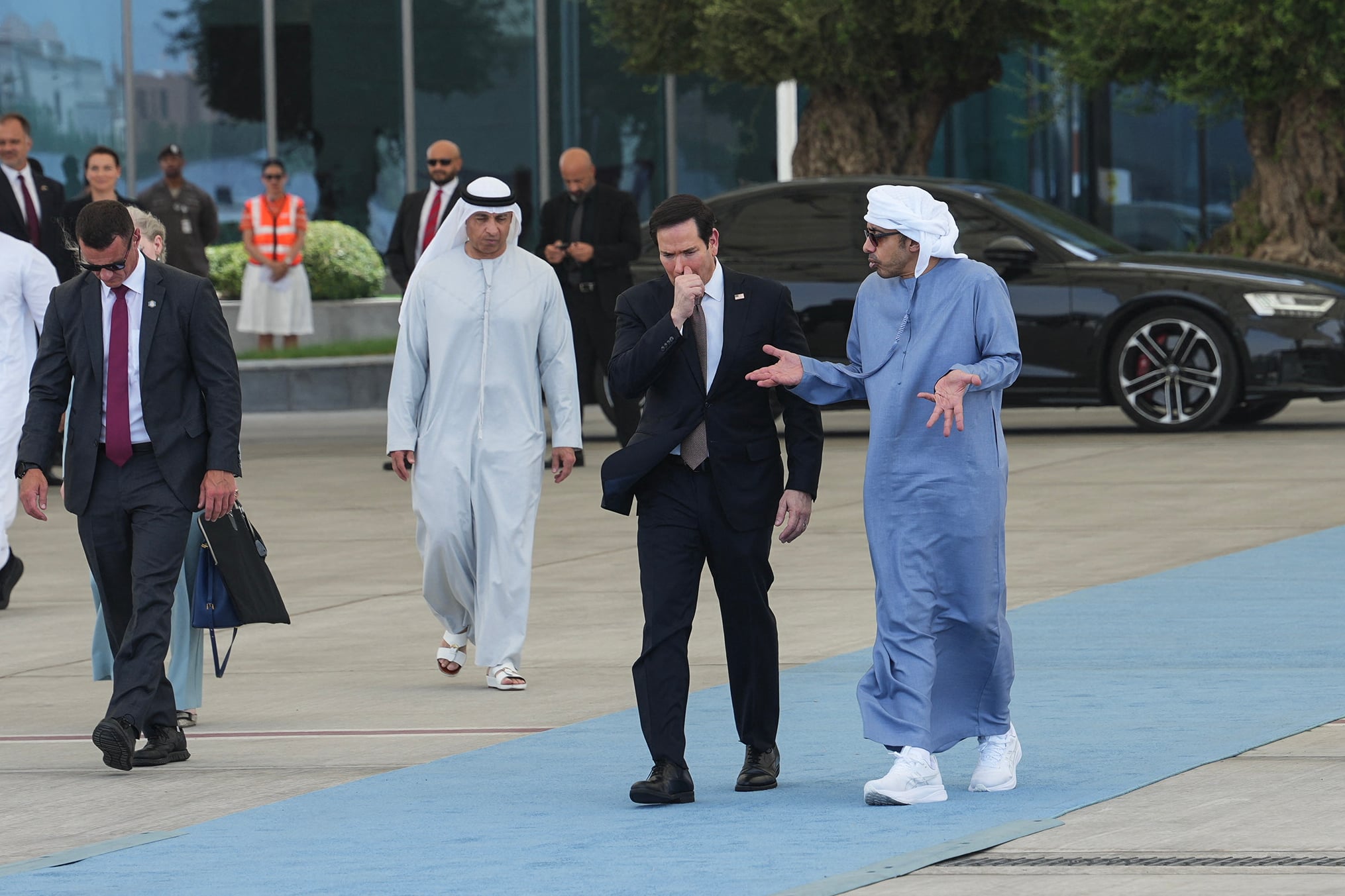
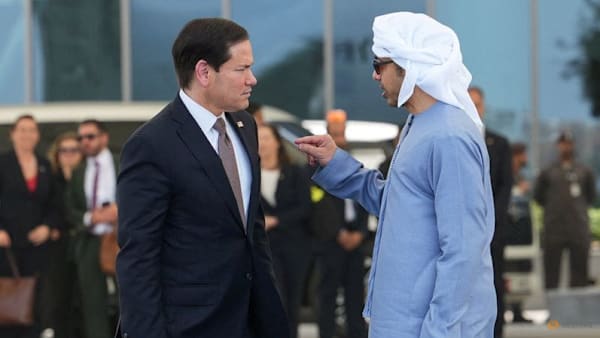
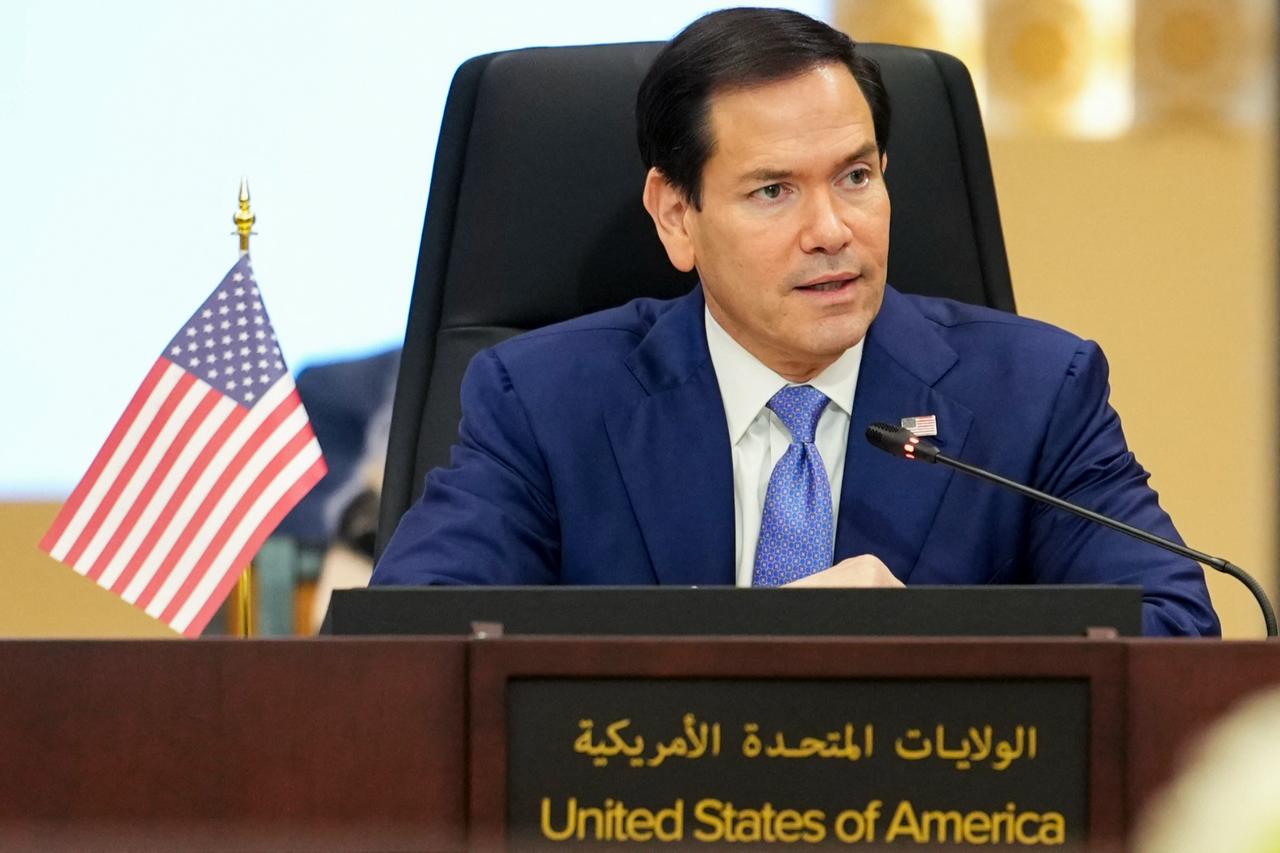
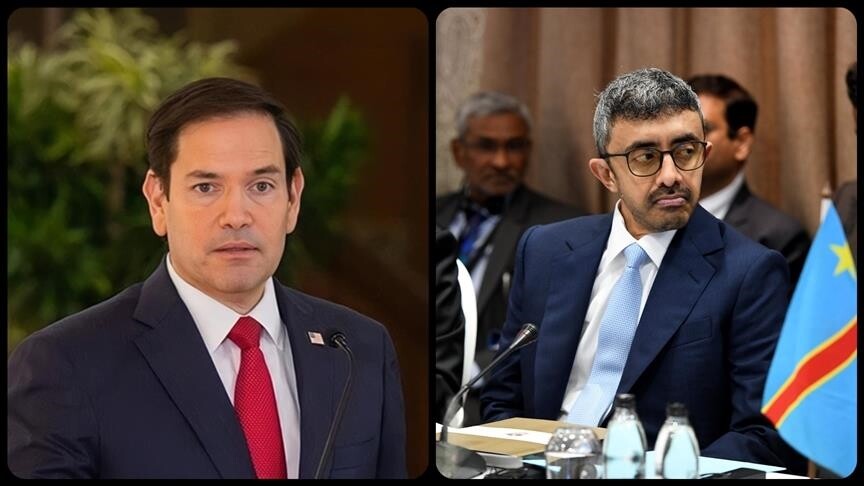
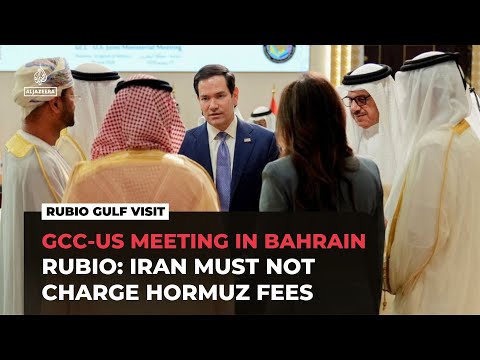
The U.S.-Iran nuclear framework agreement, being negotiated in June 2026 following a 100-day conflict that began February 28, represents a critical inflection point for cross-border sellers operating in Middle Eastern markets. Secretary of State Marco Rubio's diplomatic mission across the Gulf Cooperation Council (GCC)—Saudi Arabia, Qatar, Oman, UAE, Kuwait, and Bahrain—on June 25, 2026, signals the Trump administration's commitment to stabilizing the region while pursuing Iranian normalization. The draft agreement proposes a $300 billion reconstruction fund and potential sanctions relief, but includes no ballistic missile restrictions and raises concerns about Iranian control over critical Strait of Hormuz shipping lanes.
For cross-border sellers, this creates three distinct operational impacts: First, shipping route volatility affects logistics costs for sellers using Hormuz Strait passages. The 100-day conflict already disrupted maritime commerce; ongoing uncertainty around the deal's finalization could maintain 15-25% cost premiums on shipping to GCC markets (UAE, Saudi Arabia, Kuwait) through Q3 2026. Sellers relying on air freight alternatives face 8-12% higher costs compared to pre-conflict baselines. Second, market access expansion becomes possible if sanctions relief proceeds. Iran's $300B reconstruction fund signals potential demand surge for industrial equipment, consumer electronics, building materials, and automotive parts—categories currently restricted or heavily tariffed under existing sanctions regimes. Sellers positioned in electronics (HS 8471-8517), machinery (HS 8401-8483), and specialty chemicals (HS 2801-2930) could see tariff reductions of 10-20% if normalization proceeds. Third, GCC market consolidation reflects Gulf states' hedging strategy. Saudi Arabia, UAE, and Kuwait are diversifying supply chains away from Iran-dependent routes; sellers offering alternative logistics solutions to these markets gain competitive advantage.
Timing is critical. The diplomatic mission represents "first high-level U.S. engagement since the framework agreement's announcement," indicating negotiations are in early-to-mid stages. Sellers should expect 6-12 months of uncertainty before final deal ratification. During this window, GCC nations will likely accelerate non-Iran trade relationships, creating temporary demand spikes for alternative suppliers. Conversely, if the deal collapses, shipping costs could spike 30-40% as conflict resumes. The MoU's suggestion of "partial regional financial responsibility" for Iran's reconstruction indicates GCC nations may contribute to reconstruction contracts, creating indirect procurement opportunities for sellers supplying Gulf-based contractors and engineering firms.
Questions 7
How does the Strait of Hormuz security situation impact Amazon FBA and Shopify sellers shipping to Middle East?
The Strait of Hormuz handles 21% of global maritime trade; the 100-day conflict created shipping delays of 5-10 days and cost increases of $800-1,200 per container. For Amazon FBA sellers, this translates to 15-20% higher fulfillment costs for inventory shipped to UAE and Saudi Arabia fulfillment centers. Shopify sellers using 3PL providers in the region face similar cost pressures. Sellers should evaluate air freight alternatives (8-12% cost premium) for high-velocity SKUs and negotiate extended payment terms with 3PL providers to manage cash flow during the 6-12 month deal negotiation period.
What is the timeline for when sellers should expect tariff changes from the Iran deal?
Secretary Rubio's June 25, 2026 diplomatic mission represents 'first high-level U.S. engagement since the framework agreement's announcement,' indicating negotiations are in early-to-mid stages. Expect 6-12 months before final deal ratification. During this window, shipping costs remain volatile (15-25% premiums). If the deal collapses, shipping costs could spike 30-40% as conflict resumes. Sellers should plan inventory and logistics strategies with 12-month uncertainty windows and avoid long-term commitments to Iran-dependent supply chains until deal finalization is confirmed.