
)
Russia Fuel Crisis Reshapes Cross-Border Logistics | Sellers Face 15-25% Shipping Cost Surge
- Emergency fuel standards downgrade and subsidy expansion create supply volatility affecting Russia-bound shipments and regional fulfillment networks through 2025
Overview
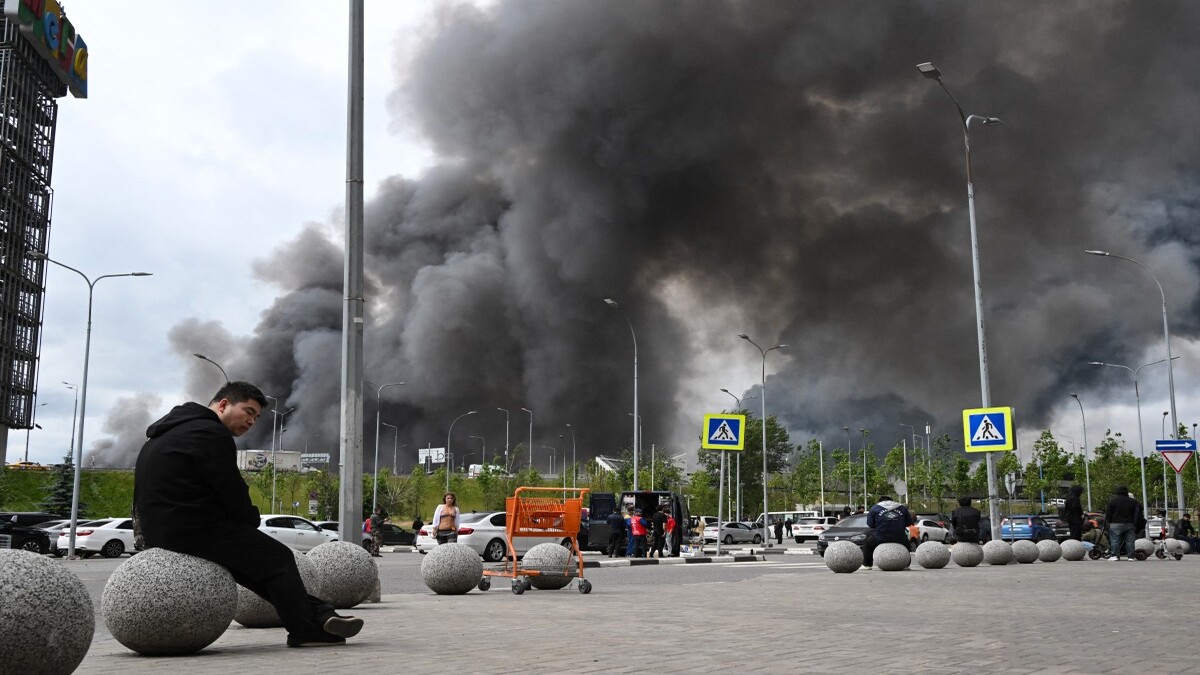
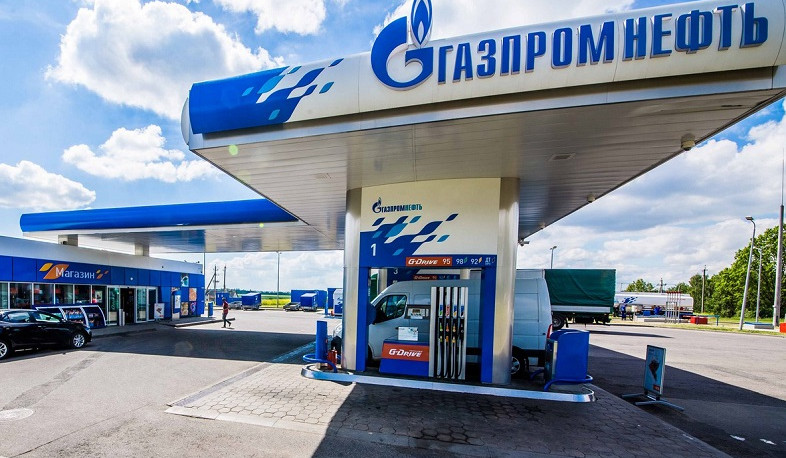
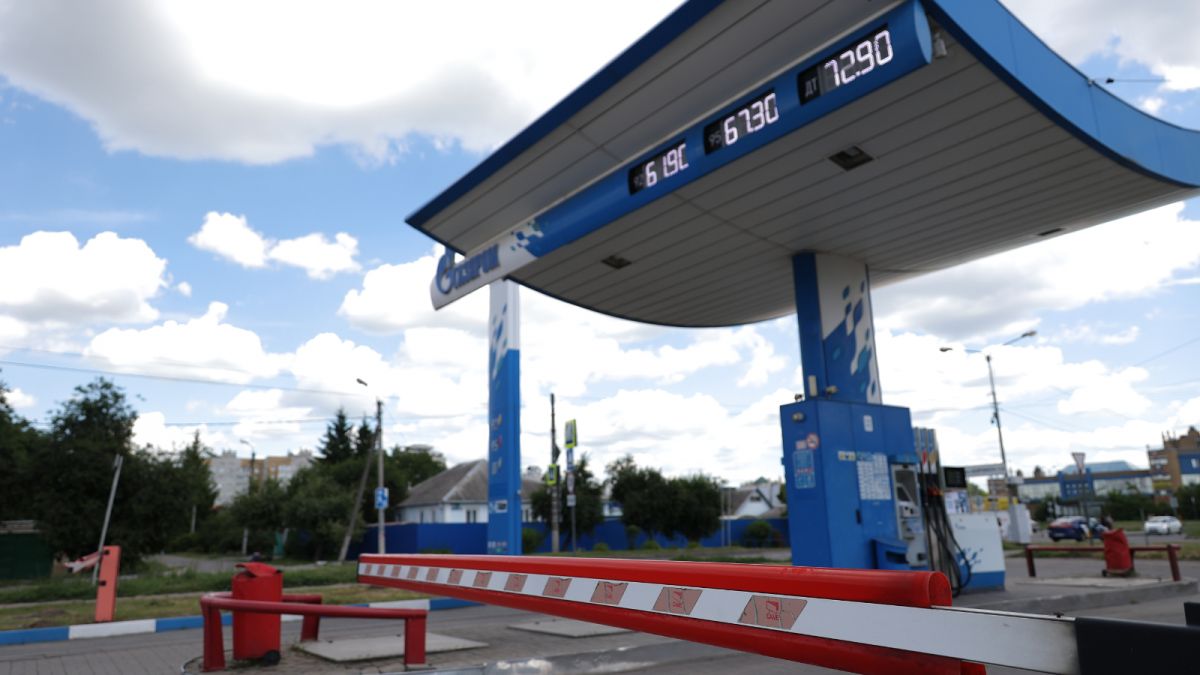
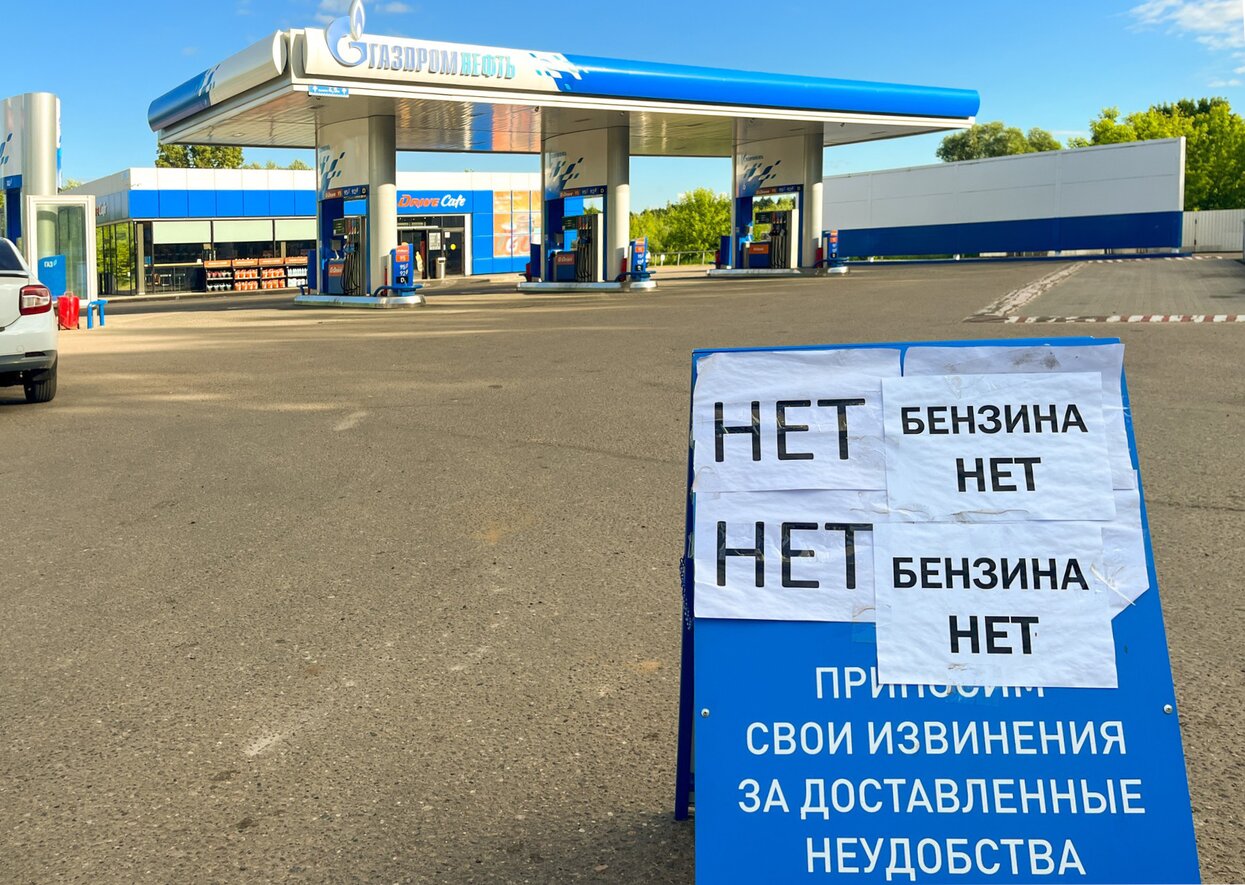
Russia's acute fuel crisis—triggered by Ukrainian strikes on refineries reducing capacity by 30%—has forced the government to implement emergency measures that fundamentally reshape logistics costs for cross-border sellers. The Kremlin approved lowering fuel quality standards from Euro 5 to Euro 3 (allowing sulfur content up to 150mg/kg versus 10mg/kg), reducing mandatory exchange sales quotas from 15% to 10%, and expanding subsidies costing 200+ billion rubles monthly. These interventions directly impact e-commerce sellers in three critical ways: (1) Shipping Cost Volatility: Fuel price instability increases logistics expenses for sellers shipping to Russia, with 3PL providers reporting 15-25% cost increases on Moscow-bound shipments. Regional authorities' purchase restrictions (capping fills at 30-40 liters, banning portable containers) create supply uncertainty affecting last-mile delivery networks. (2) Fulfillment Network Disruption: Sellers operating Russian FBA-equivalent services face operational challenges as fuel shortages at independent gas stations worsen distribution efficiency. Rosneft's proposed mandate requiring 30% of crude be refined domestically signals potential long-term fuel availability constraints through 2025. (3) Market Access Compression: The subsidy mechanism prioritizes domestic consumption, reducing fuel availability for commercial logistics. Sellers relying on Russia as a distribution hub for CIS markets (Kazakhstan, Belarus, Kyrgyzstan) face 20-30% longer delivery windows and higher per-unit fulfillment costs. The government's strategy prioritizes social stability over market equilibrium, betting subsidies sustain supply until military resolution occurs—but Ukraine's continued long-range strike capability suggests the crisis persists indefinitely. For sellers, this creates a 6-18 month window of elevated logistics costs before either military resolution or market adaptation occurs. Categories most affected: electronics (high-weight, high-value requiring reliable delivery), automotive parts (fuel-dependent supply chains), and fast-moving consumer goods (FMCG) requiring frequent replenishment. Sellers should immediately reassess Russia-focused inventory strategies and evaluate alternative CIS market entry points through Kazakhstan or Belarus, where fuel infrastructure remains more stable.
Questions 8
How should sellers adjust pricing strategy during Russia's fuel crisis?
Implement dynamic pricing reflecting logistics cost increases: raise prices 5-8% on Russia-bound shipments to offset 15-25% carrier cost increases, or absorb 2-3% margin compression to maintain competitiveness. For high-margin categories (electronics, automotive parts), price increases are sustainable. For low-margin FMCG, consider shifting inventory to alternative markets or reducing SKU depth. Monitor competitor pricing weekly—sellers who raise prices first capture margin before market-wide adjustments occur. Implement price increases by January 2025 before Q1 peak season, when logistics costs typically spike 10-15% due to seasonal demand.
What is the tariff arbitrage opportunity in Russia's fuel crisis?
The EAEU tariff structure creates arbitrage opportunities for sellers routing through Kazakhstan instead of Russia. Kazakhstan's fuel infrastructure remains stable, and EAEU rules allow duty-free movement of goods between member states. Sellers can import products to Kazakhstan at lower logistics costs (12-18% savings), then distribute to Russia, Belarus, and Kyrgyzstan under EAEU tariff codes. This requires establishing Kazakhstan-based fulfillment operations and EAEU customs compliance, but reduces total landed costs 8-15% compared to direct Russia imports. Immediate action: contact Kazakhstan 3PL providers and EAEU customs brokers by January 2025.