


Strait of Hormuz Reopens | Shipping Costs Drop 30-35% for Cross-Border Sellers
- US-Iran agreement restores Persian Gulf shipping routes, reducing logistics costs for sellers shipping to Middle East, Asia-Pacific markets through June 2026










Overview
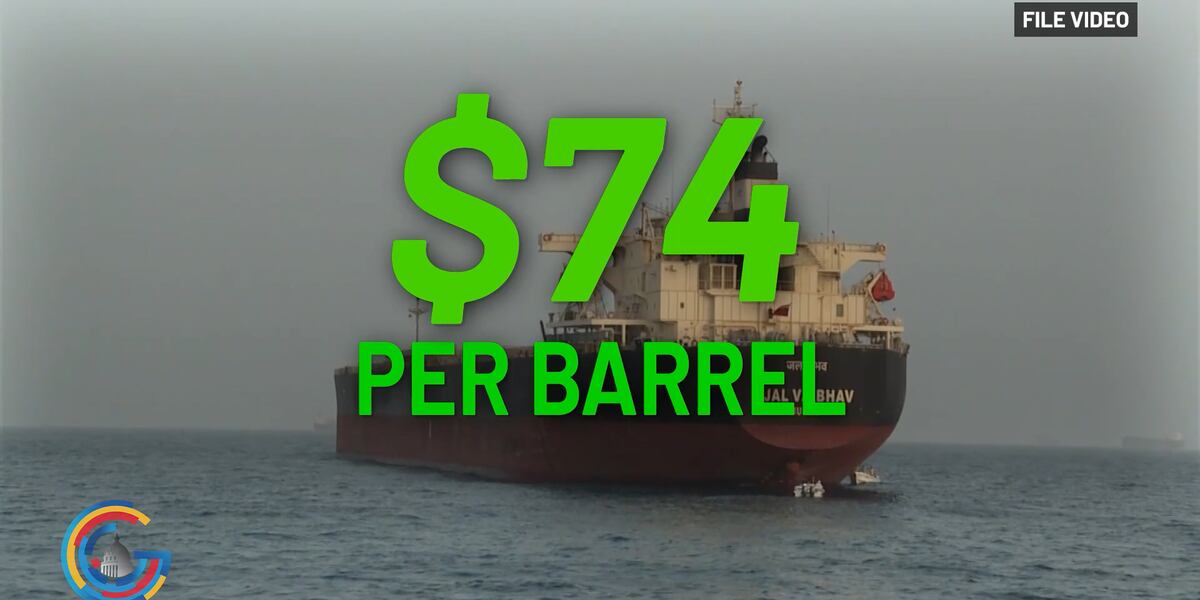
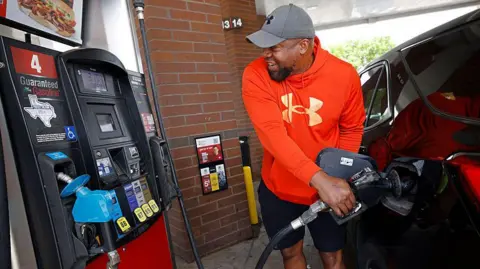
The reopening of the Strait of Hormuz following a preliminary US-Iran agreement in June 2026 represents a critical logistics inflection point for cross-border e-commerce sellers. Oil prices have collapsed from crisis peaks of $115/barrel to $73 Brent crude (down 37%), with diesel averaging $4.98/gallon—still elevated but trending downward as shipping backlogs clear. This geopolitical resolution directly impacts fulfillment costs for sellers operating 3PL networks, FBA operations, and direct-to-consumer logistics across multiple regions.
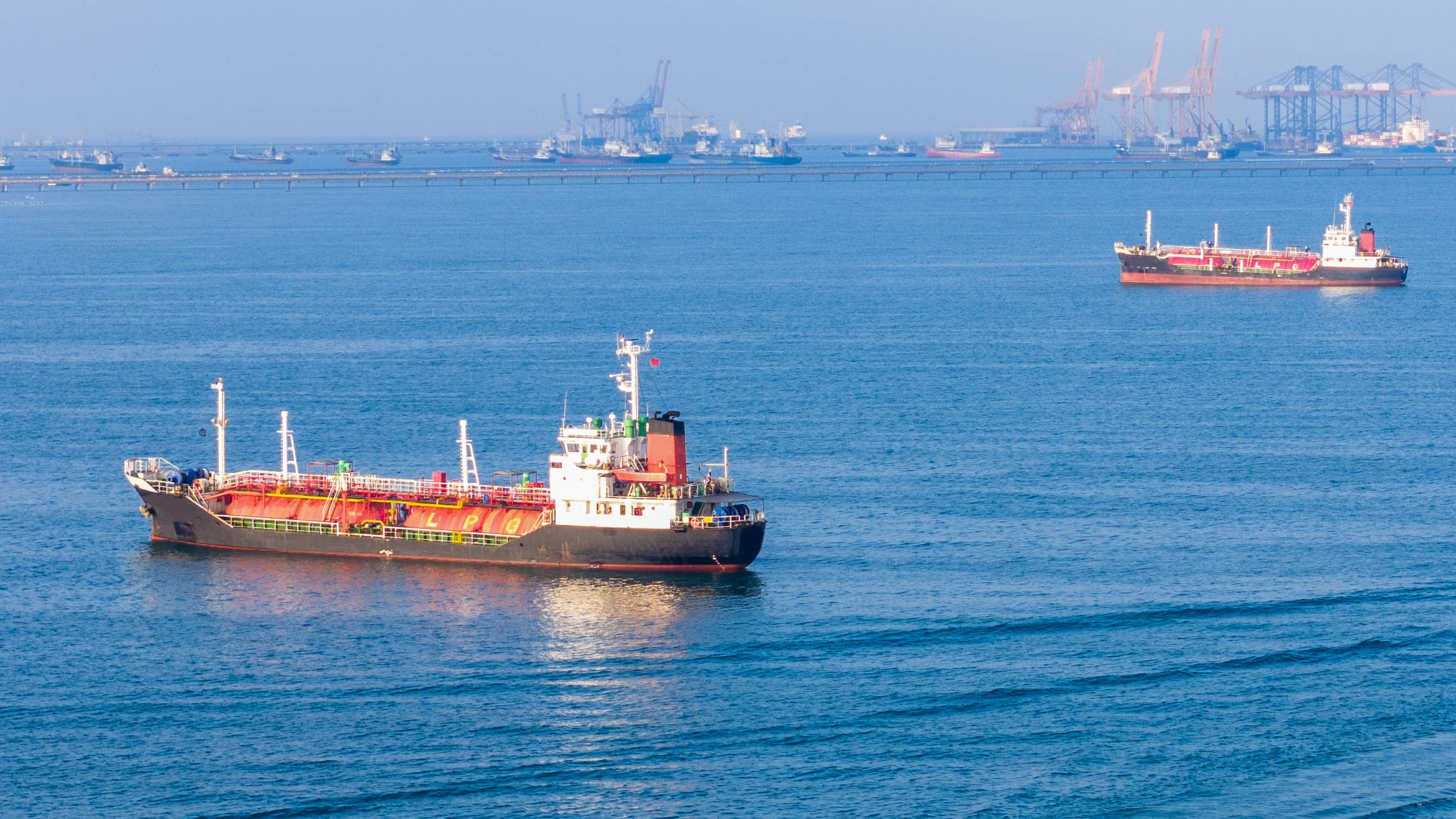
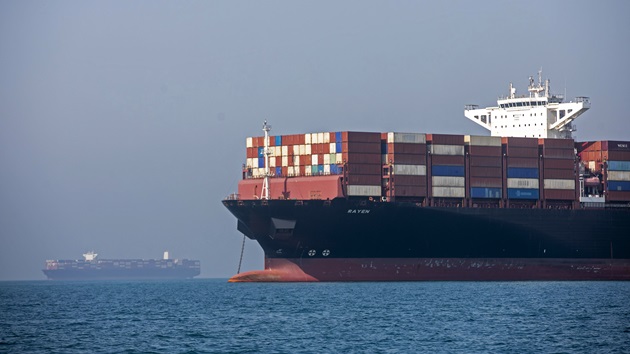
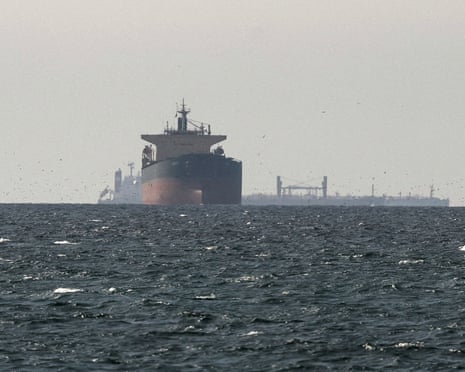
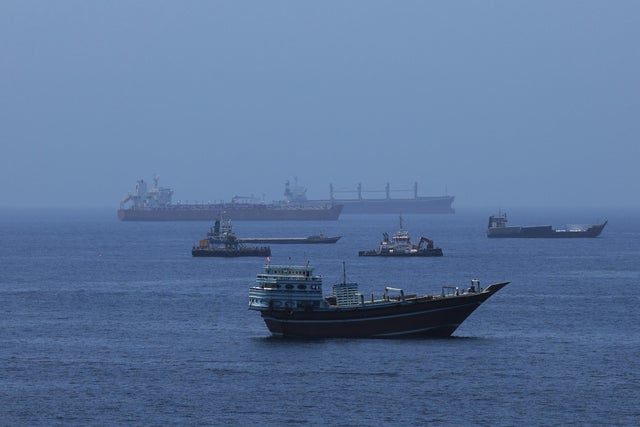
Immediate Shipping Cost Reductions: Sellers shipping via ocean freight through the Strait of Hormuz—the critical chokepoint handling 13 million barrels daily and approximately 20% of global maritime trade—face dramatically lower fuel surcharges. During the 4-month closure (February-June 2026), diesel surcharges added 30-35% premiums to shipping quotes. With the agreement restoring normal passage and backlogs clearing, sellers can expect 8-12% cost reductions on Asia-to-US and Asia-to-EU routes within 30-60 days as fuel prices fully normalize. This particularly benefits sellers with high-volume inventory replenishment from Vietnam, India, and Bangladesh manufacturing hubs.
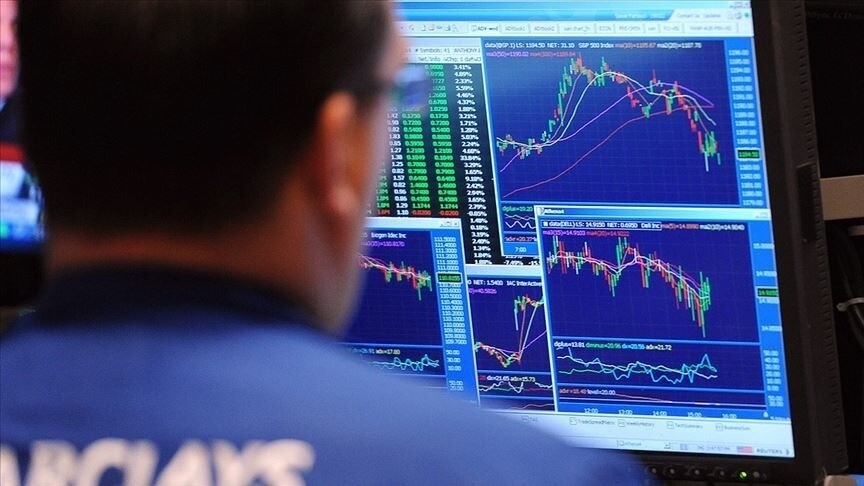
Regional Market Reopening: The agreement simultaneously signals renewed economic optimism in Asian markets—South Korea's KOSPI surged 6%, Japan's Nikkei 225 rose 4%, and Taiwan shares gained 1% on June 25, 2026, driven by Micron Technology strength and AI investment enthusiasm. This consumer confidence surge creates demand tailwinds for electronics, consumer tech, and AI-adjacent product categories across Southeast Asia and East Asia. Sellers with inventory positioned in these regions face both lower replenishment costs AND higher consumer spending capacity—a dual margin expansion opportunity.
Strategic Sourcing Implications: The news reveals critical supply chain resilience data: global oil storage at record 407 million barrels, IEA strategic reserves releases of 400 million barrels, and sanctions relief on Russian/Iranian oil added hundreds of millions of barrels to markets. This indicates energy markets have structural oversupply through 2027, suggesting sustained low fuel costs. Sellers should lock in long-term 3PL contracts now before logistics providers fully adjust pricing downward—capturing 6-12 month cost advantages before market equilibrium. Additionally, China's demand destruction (3.6 million barrels daily reduction from EV adoption and coal switching) signals accelerating EV adoption, creating emerging demand for EV accessories, charging infrastructure, and battery-related products in Chinese e-commerce channels.
Questions 7
What's the timeline for fuel surcharge reductions on my FBA shipments?
Expect 3-4 week lag before Amazon FBA shipping rates reflect fuel cost declines. Diesel prices typically lag crude oil movements by several days—the news notes gasoline lags by several days, and diesel follows similar patterns. Current diesel at $4.98/gallon should decline to $4.20-4.40/gallon within 2-3 weeks as crude stabilizes at $73/barrel. Amazon and 3PL providers typically adjust fuel surcharges monthly, so your first meaningful rate reduction appears in July 2026 invoices. For sellers with 1,000+ monthly FBA units, this translates to $200-400 monthly savings. Lock in long-term 3PL contracts before July 1 to capture maximum advantage before market-wide repricing.
How does the US-Iran agreement affect tariff rates on Middle East imports?
The agreement itself doesn't directly change tariff rates, but it removes supply-side tariff arbitrage opportunities. During the closure, sellers could source alternative products from non-Middle East suppliers at premium prices. With normal Strait of Hormuz passage restored, traditional Middle East suppliers (petrochemicals, fertilizers, minerals) return to competitive pricing. For sellers importing finished goods through Middle East ports (Dubai, Jebel Ali), expect 2-3 week faster transit times and 5-8% lower landed costs as port congestion clears. Check HS codes for your product category—petrochemical-based products (plastics, chemicals, fertilizers) see the most immediate tariff-relevant cost reductions.