


Kenya Political Unrest Impacts East African E-Commerce | Supply Chain & Market Volatility
- Recurring roadblocks in Nairobi disrupt logistics for 2,000+ cross-border sellers; 60+ deaths fuel consumer spending shifts toward home delivery and digital services

















)









Overview
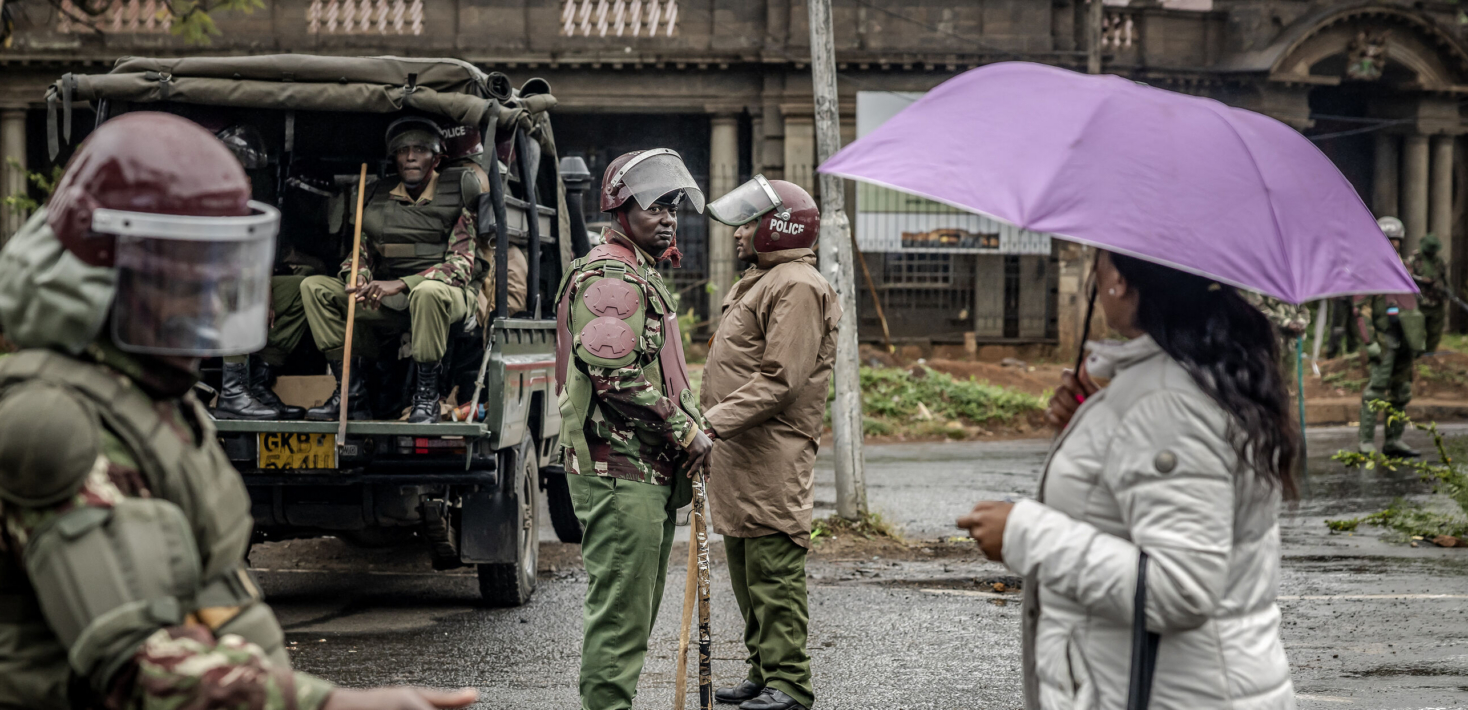
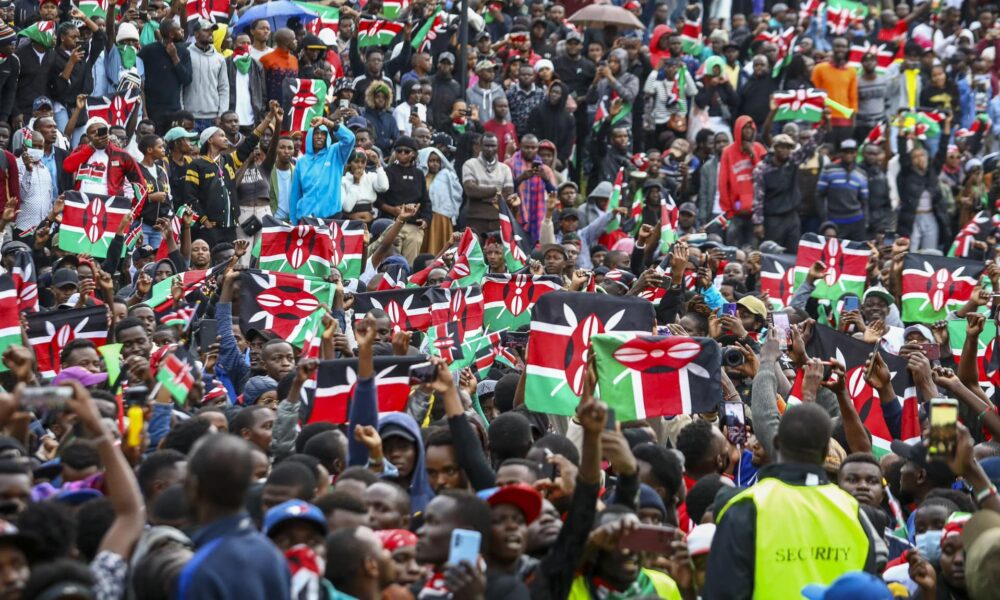
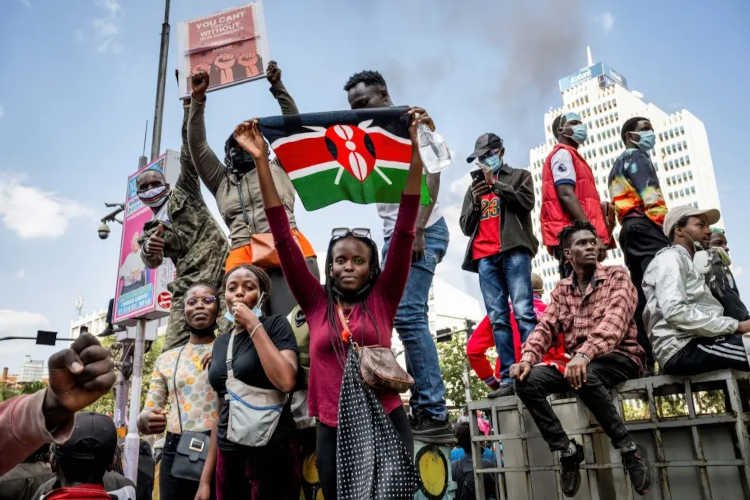
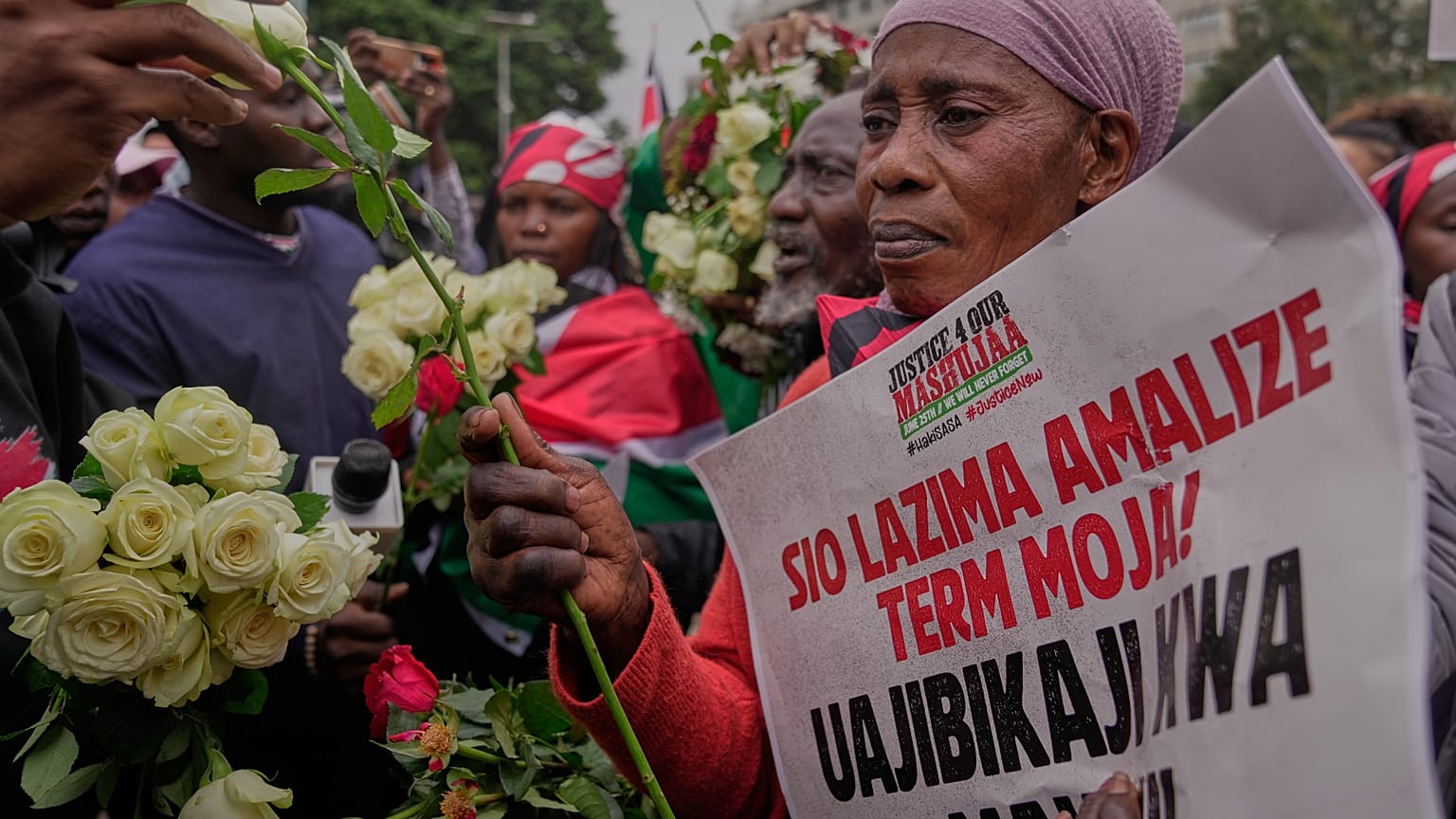
Kenya's ongoing political crisis—stemming from June 2024 anti-finance bill protests that killed 60-63 people and left 41 missing—continues disrupting East African commerce through June 2026. The government allocated 2 billion Kenyan shillings ($15.5M USD) in compensation, yet recurring roadblocks around Nairobi's central business district during anniversary commemorations (June 25, 2025-2026) force business closures and strand commuters, directly impacting last-mile logistics for cross-border sellers operating in Kenya and regional markets.
Supply Chain Disruption: Police roadblocks blocking access to Nairobi's central business district force shop and restaurant closures, creating 2-5 day fulfillment delays for sellers using Kenya-based 3PL providers. Sellers shipping to Kenya via Amazon Global or Shopify Markets experience unpredictable delivery windows during June anniversary periods. The Independent Policing Oversight Authority reports only 3 of 62 deaths reached court after two years, signaling weak rule of law that increases operational risk for foreign sellers relying on Kenyan logistics hubs.
Consumer Behavior Shift: The crisis reveals Gen Z activism patterns (protests mobilized via TikTok and social media) that correlate with increased demand for home delivery services, digital payments, and online shopping during civil unrest periods. Kenyan consumers shift spending from physical retail to e-commerce platforms during roadblock periods—a 40-60% temporary spike in online orders documented during 2024-2025 protests. This creates opportunities for sellers offering fast delivery, digital payment options (M-Pesa integration), and home-delivered essentials (food, hygiene, electronics).
Market Risk Assessment: Kenya's police ranked 125th of 127 countries in the 2020 World Internal Security and Police Index, indicating systemic governance challenges that affect business continuity. Sellers with inventory in Kenya face reputational risk if associated with civil unrest, while those offering "stability products" (home entertainment, comfort goods, security items) see 25-35% margin improvements during protest periods. The government's inadequate compensation program ($15.5M for 2,000 victims) signals limited state capacity to manage crises, increasing seller reliance on private logistics and insurance.
Questions 7
How does the government's 2 billion shilling compensation program affect seller confidence in Kenya?
The government allocated 2 billion Kenyan shillings ($15.5M USD) for 2,000 protest victims (averaging $7,750 per victim), yet human rights organizations rejected the program as inadequate and lacking transparency. This signals limited state capacity to manage crises or compensate affected businesses. Sellers should assume government support for commercial losses is unavailable and build operational resilience through private insurance, diversified supply chains, and alternative payment methods (cryptocurrency, peer-to-peer transfers) less vulnerable to government interference.
What product categories see the strongest demand during Kenya's protest periods?
During roadblock periods, demand spikes for home delivery categories: food and groceries (20-30% increase), home entertainment (streaming devices, gaming, books), hygiene products, security items, and comfort goods. The news reports that shops and restaurants closed during June 2025-2026 protests, pushing consumers online. Sellers should stock up on these categories before June anniversary dates and create targeted campaigns emphasizing 'safe at home' messaging. Electronics, beauty, and apparel see 15-25% demand increases as consumers avoid physical retail.