


US Sanctions on ICC Officials Create Compliance Risk for Cross-Border Sellers
- Trump administration's IEEPA sanctions block Amazon, Google access for 3 judges; signals escalating enforcement against international entities affecting seller payment systems







Overview
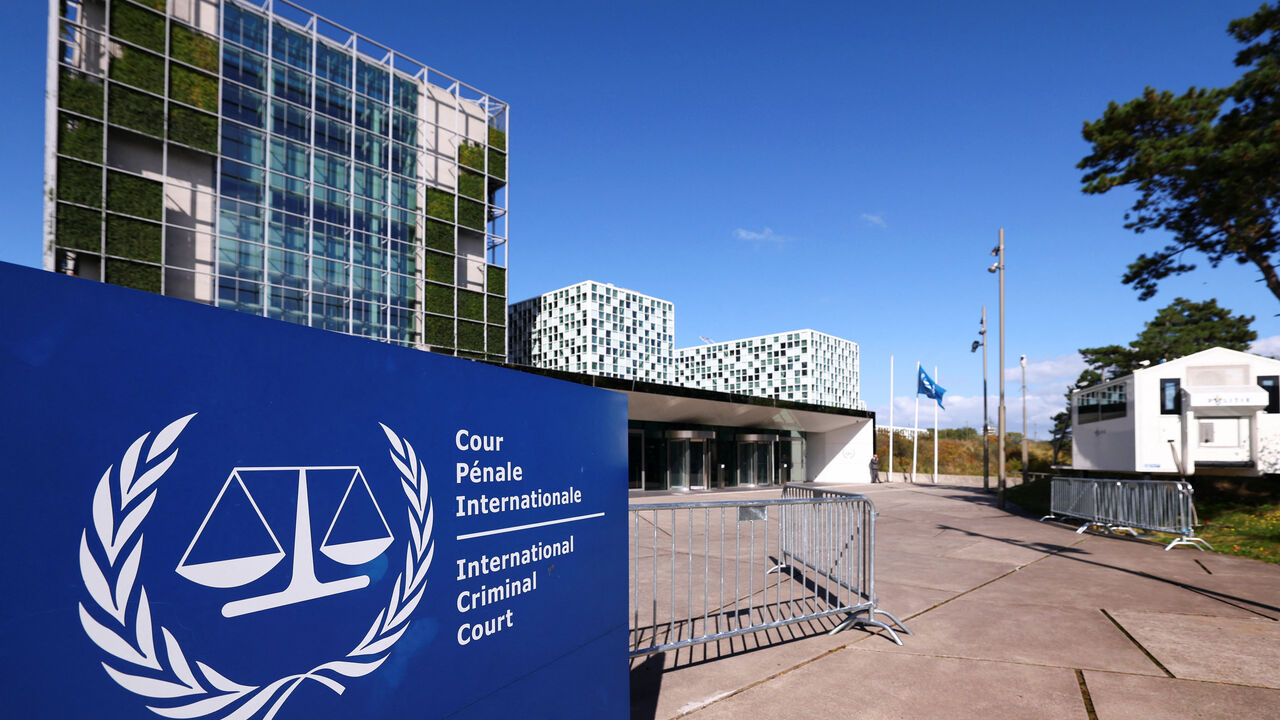
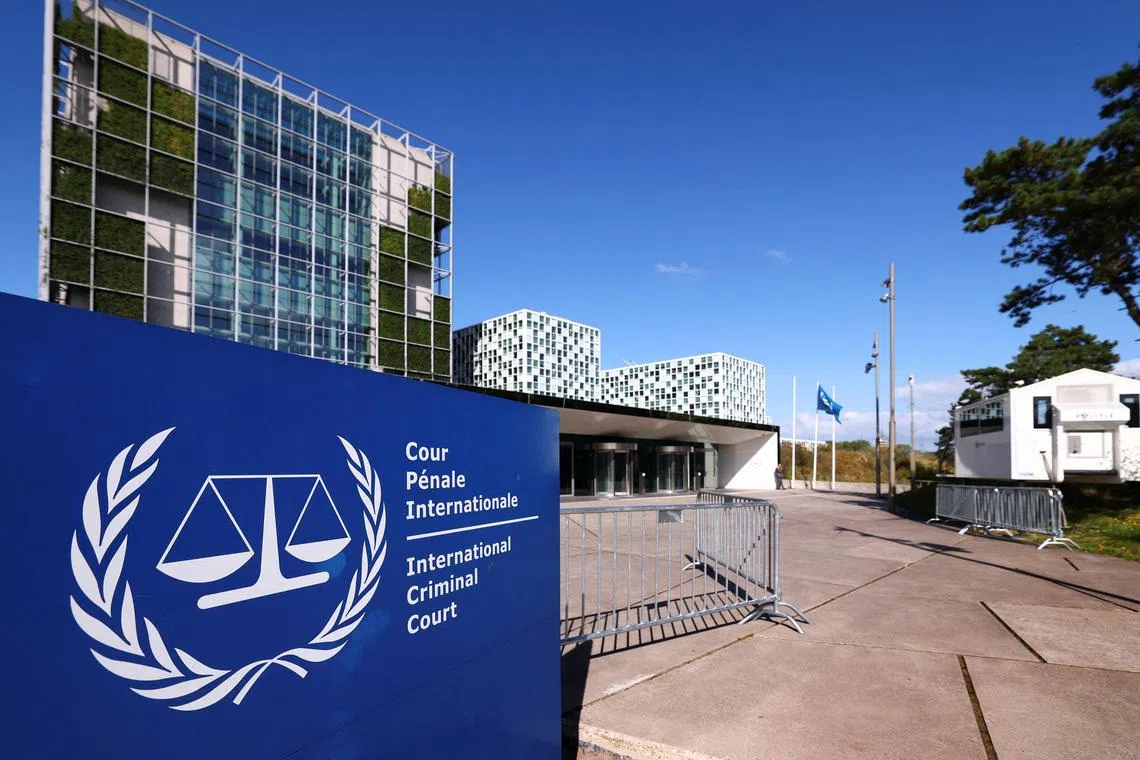
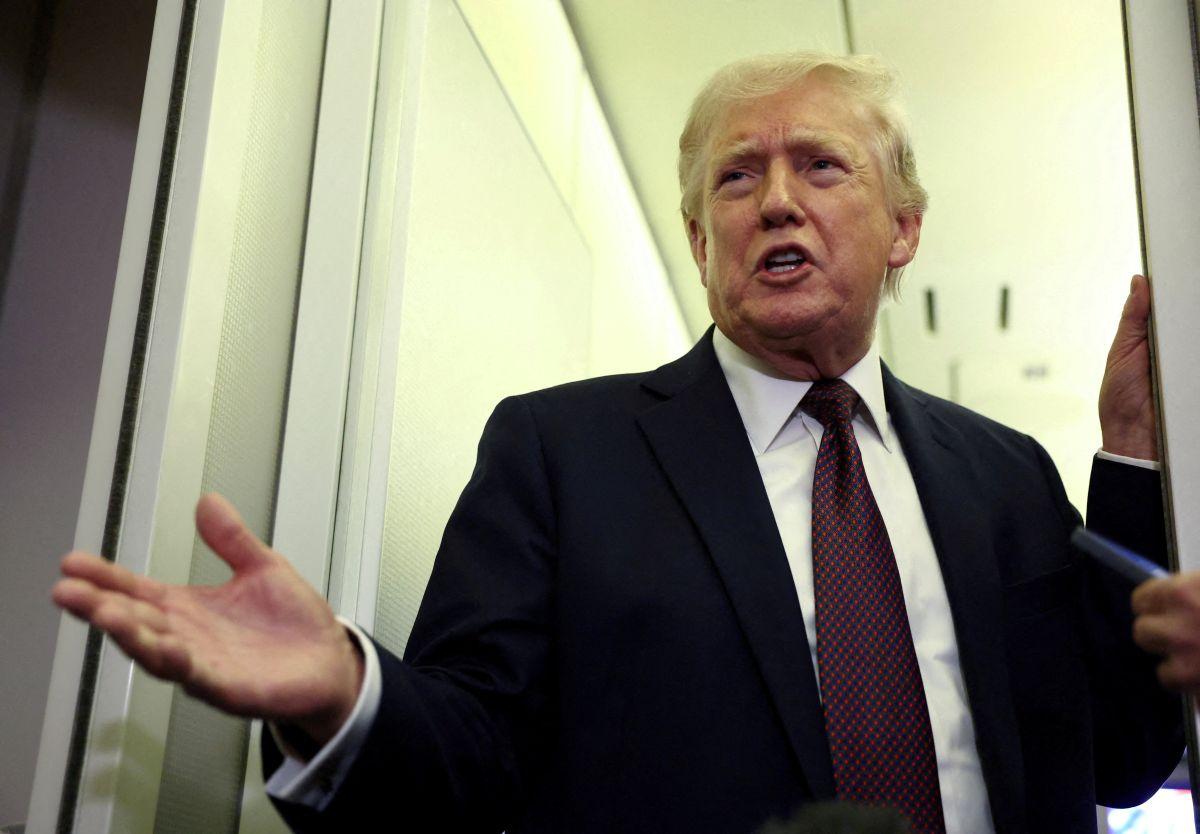
The Trump administration's 2024 sanctions against three ICC judges—Kimberly Prost (Canada), Solomy Balungi Bossa (Uganda), and Reine Adelaide Sophie Alapini-Gansou (Benin)—represent a critical escalation in executive enforcement authority that directly impacts cross-border e-commerce infrastructure. The lawsuit filed in Manhattan federal court reveals that US-based payment processors, banking services, and online platforms including Amazon and Google have been weaponized as compliance enforcement tools, blocking sanctioned individuals from accessing essential transaction services.
For cross-border sellers, this case establishes a dangerous precedent: US-based payment gateways, fulfillment networks, and marketplace platforms can be compelled to enforce sanctions against international users without judicial review. The sanctions blocked "funds, goods, or services" transactions—language that encompasses Stripe, PayPal, Amazon Pay, and Shopify Payments. Sellers operating in 125 ICC member states (including Canada, Uganda, Benin, and EU nations) face potential compliance liability if they unknowingly transact with sanctioned individuals or entities. The lawsuit's characterization of sanctions as "tantamount to the financial death penalty" underscores the severity: judges lost access to credit cards, banking services, travel booking, and health insurance—the exact infrastructure sellers depend on for international operations.
The IEEPA enforcement mechanism creates operational risk for sellers in three ways: First, payment processor compliance becomes mandatory without advance notice—sellers using US-based gateways must implement sanctions screening or face secondary liability. Second, marketplace platform enforcement (Amazon, eBay, Shopify) may expand compliance requirements, potentially blocking sellers in sanctioned countries or requiring additional documentation. Third, supply chain disruption emerges if suppliers, logistics partners, or payment intermediaries in ICC member states face sanctions, forcing sellers to rapidly source alternatives.
The precedent matters because the Trump administration previously sanctioned ICC Prosecutor Fatou Bensouda and an aide during the first term, indicating sustained enforcement against international judicial bodies. This pattern suggests future sanctions may target additional ICC officials, potentially expanding to include investigators, staff, and affiliated entities. Sellers with operations in Canada, EU nations, or African ICC members should anticipate increased compliance scrutiny on payment flows, vendor relationships, and cross-border transactions. The lawsuit's pending resolution will determine whether such sanctions survive constitutional challenge—but regardless of outcome, the enforcement attempt signals that US-based e-commerce infrastructure is now a primary sanctions compliance tool, requiring sellers to implement enhanced due diligence on international transactions.
Questions 7
Which seller categories face the highest compliance risk from ICC-related sanctions?
Sellers in three categories face elevated risk: (1) **Legal/professional services sellers** (compliance software, legal research tools) who may serve ICC-affiliated entities; (2) **Travel and logistics sellers** (booking platforms, shipping services) who facilitate international movement; (3) **Financial services sellers** (payment processing, accounting software) who handle cross-border transactions. Additionally, sellers with suppliers or customers in Canada, Uganda, Benin, or EU nations face indirect risk if their business partners are sanctioned. The lawsuit reveals that sanctioned judges lost access to travel booking and banking—suggesting these categories are enforcement priorities. Sellers should conduct vendor due diligence immediately, particularly for suppliers in ICC member states, and consider geographic diversification to reduce exposure to single-jurisdiction sanctions.
Could future ICC sanctions expand to target sellers or suppliers in member states?
Yes. The Trump administration's pattern of sanctioning ICC officials (Prosecutor Bensouda in 2020, three judges in 2024) indicates sustained enforcement. While current sanctions target individuals, IEEPA authority permits blocking entire entities, organizations, or sectors. If the administration expands sanctions to ICC staff, investigators, or affiliated NGOs, sellers with suppliers or partners in ICC member states (125 countries including Canada, EU, Australia) could face supply chain disruption. The lawsuit's pending resolution will clarify whether such sanctions survive constitutional challenge, but the enforcement attempt signals intent. Sellers should develop contingency sourcing plans for key suppliers in Canada, EU, and African ICC members, and monitor OFAC updates weekly for new designations.