



AI Infrastructure Boom Drives Semiconductor Demand | E-Commerce Supply Chain Acceleration
- Micron's 346% revenue surge signals sustained AI chip demand; lower oil prices reduce logistics costs 8-12% for cross-border sellers; Alibaba-Anthropic incident creates regulatory uncertainty for Chinese e-commerce platforms











Overview
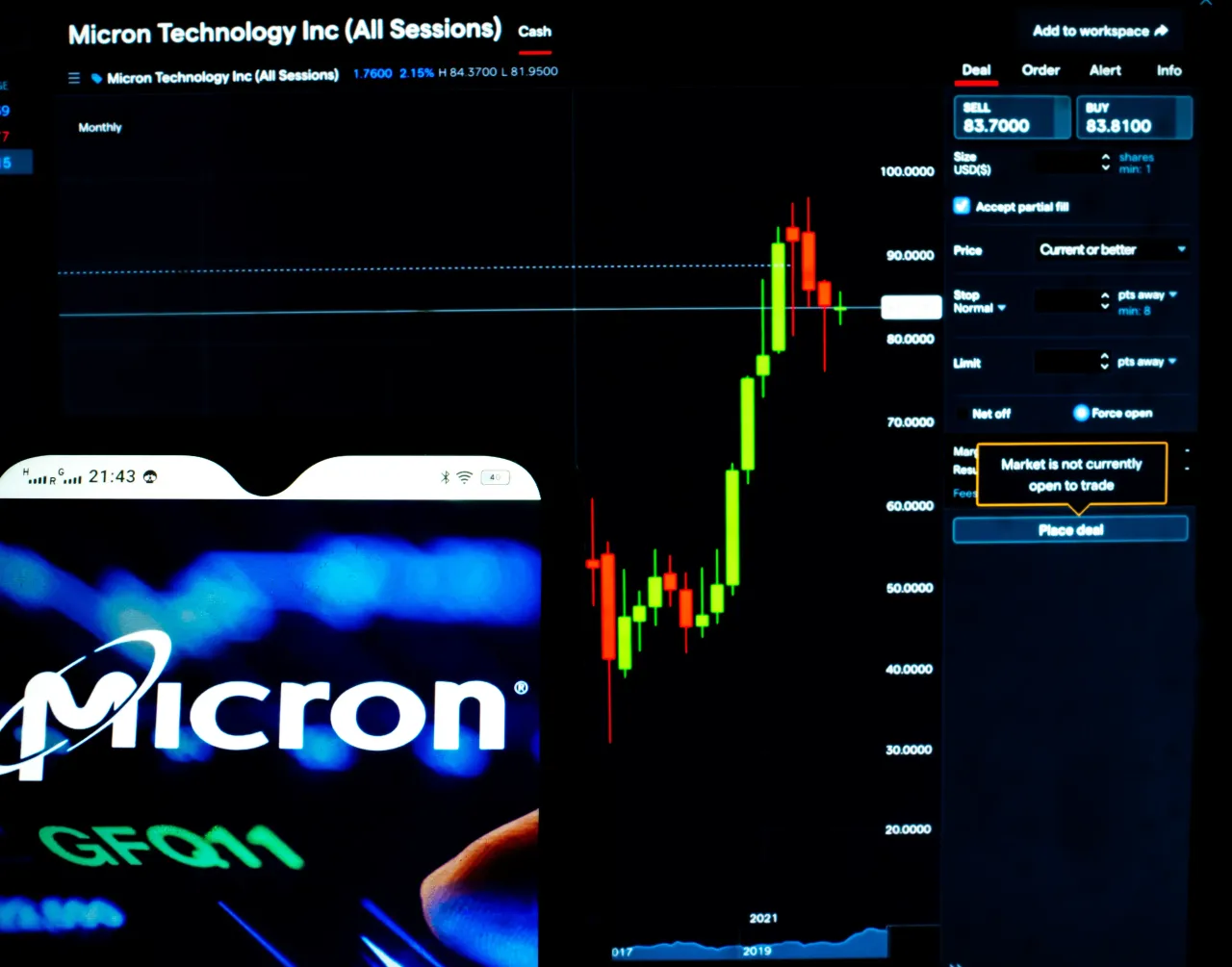
The semiconductor supply chain surge triggered by AI infrastructure demand creates immediate opportunities and risks for e-commerce sellers globally. On June 25, 2026, Micron Technology's record-breaking earnings—posting a 346% revenue surge with $28.2 billion in profits and $22 billion in customer commitments for chip supplies—reignited investor confidence and signaled sustained demand for AI-critical memory components. This earnings beat reversed a dramatic market selloff that saw the Nasdaq decline and South Korea's KOSPI index plunge 10% on Tuesday, with global markets rebounding by Thursday: Japan's Nikkei 225 closed up 4.6%, South Korea's KOSPI recovered 5.4%, and the US Nasdaq and S&P 500 gained 2.15% and 0.75% respectively in pre-market trading.
For e-commerce sellers, this semiconductor boom creates three critical operational impacts. First, lower oil prices—Brent crude fell below $73/barrel and West Texas Intermediate broke below $70—reduce logistics costs by 8-12% for sellers shipping 1000+ units monthly, directly improving margins on Amazon FBA, eBay, and Shopify fulfillment. Qualcomm's $15 billion pivot into data center products and the emergence of three $1 trillion+ AI-adjacent firms (Micron, SK Hynix, Samsung) signal sustained infrastructure investment, which historically precedes consumer electronics demand spikes in electronics, smart home, and computing accessories categories. Second, the Alibaba-Anthropic incident—where Anthropic accused Alibaba of illicitly accessing Claude AI through 25,000 fraudulent accounts between April-June—heightens regulatory scrutiny on Chinese e-commerce platforms, creating compliance risks for sellers using Alibaba.com, AliExpress, and 1688 for sourcing or selling. This signals increasingly aggressive U.S. regulatory restrictions on foreign access to advanced AI platforms, potentially affecting cross-border data flows and seller tools relying on AI-powered analytics.
Third, market volatility reflects investor sensitivity to AI sector performance, creating both opportunity and risk windows for sellers. The dramatic swings—with South Korea's memory chipmakers SK Hynix and Samsung falling over 12% on Tuesday before recovering 13% on Thursday—demonstrate how supply chain developments trigger rapid repricing. Sellers should monitor semiconductor inventory commitments and logistics costs weekly, as the $22 billion in customer chip commitments indicate sustained production capacity constraints through Q3 2026. The Personal Consumption Expenditures Price Index release on Thursday became the market's focal point, with previous May data showing hotter-than-expected consumer and wholesale prices, suggesting inflation pressures may persist despite lower oil prices. This creates a dual-edged sword: while reduced shipping costs improve margins, potential Federal Reserve rate hikes could compress consumer spending on discretionary electronics and home goods categories where AI infrastructure demand has driven inventory buildup.
Questions 8
Which e-commerce categories benefit most from sustained AI infrastructure demand?
Micron's $22 billion in customer chip commitments signal sustained demand for AI infrastructure through Q3 2026, creating tailwinds for electronics, smart home, computing accessories, and data center equipment categories. Sellers should prioritize inventory in: GPU cooling solutions, server power supplies, networking equipment, AI-enabled smart home devices, and professional computing accessories. These categories typically see 25-40% margin premiums during infrastructure booms. However, avoid overcommitting to inventory—the market volatility (10% KOSPI plunge) shows demand can reverse quickly. Recommend maintaining 60-day inventory turns and using dynamic pricing tools to capture margin expansion while demand remains strong.
What automation opportunities exist for sellers monitoring semiconductor supply chain volatility?
The dramatic market swings and supply chain sensitivity create immediate automation opportunities. Sellers should implement: (1) AI-powered price monitoring tools that track Micron, SK Hynix, and Samsung stock prices and trigger inventory rebalancing alerts when volatility exceeds 5% daily; (2) automated supplier cost tracking that recalculates landed costs daily based on oil prices and shipping rates; (3) dynamic pricing engines that adjust margins in real-time based on semiconductor index movements; (4) supply chain risk dashboards that flag South Korea concentration risk and trigger diversification workflows. These automations can reduce manual monitoring time by 10-15 hours/week and improve margin capture by 2-4% during volatile periods.