


US-China AI IP Conflict Triggers Compliance Surge for Tech Sellers
- Escalating IP enforcement creates certification barriers protecting compliant sellers; Alibaba tensions signal stricter vetting for Chinese suppliers across Amazon, eBay, Shopify















_updates.jpg)




Overview
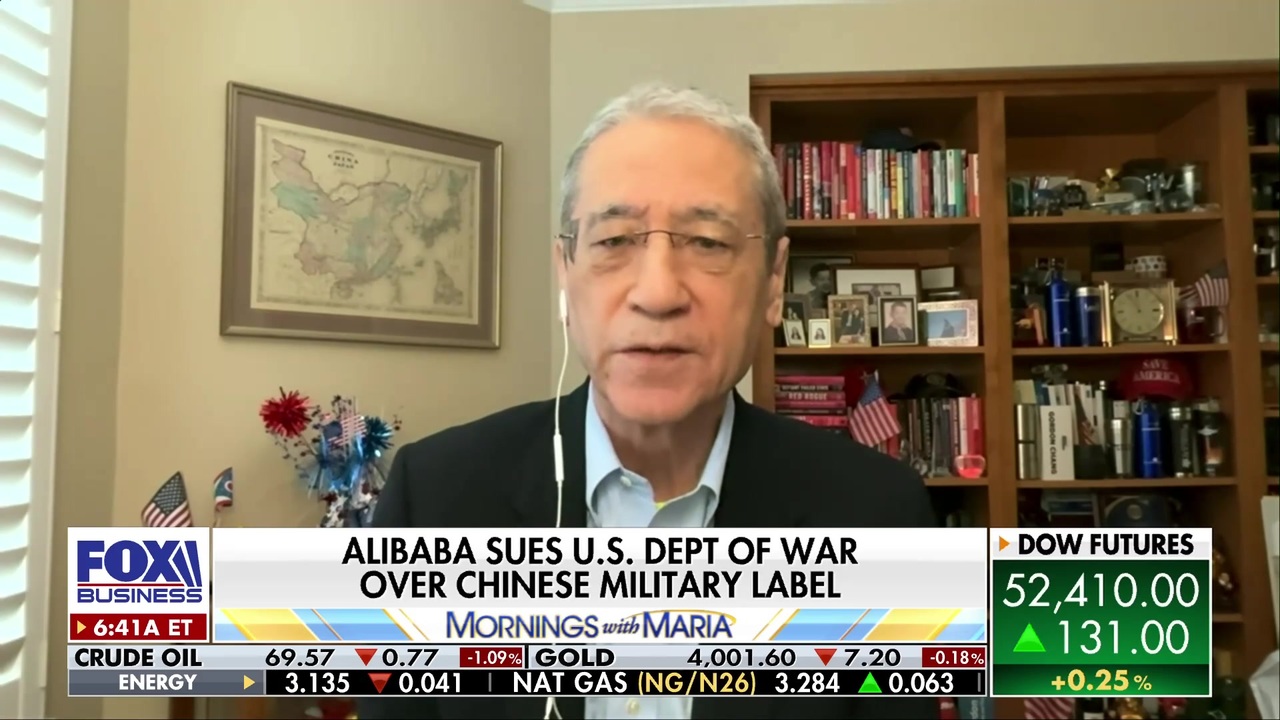
The June 25, 2026 allegations against China's AI intellectual property theft, highlighted by Gatestone Institute fellow Gordon Chang on Fox Business, represent a critical inflection point for cross-border e-commerce compliance. Chang's warnings about Alibaba's IP violations and military-civil fusion strategy directly trigger stricter enforcement mechanisms on US and EU marketplaces targeting Chinese suppliers and sellers using Chinese-sourced technology. This creates a two-tier market: compliant sellers with verified IP chains gain competitive moats through reduced audit risk, while non-compliant sellers face accelerated account suspensions and delisting.
For e-commerce sellers, the immediate impact manifests in three compliance domains: (1) Product IP verification - Amazon, eBay, and Shopify are implementing enhanced due diligence on electronics, semiconductors, and AI-adjacent categories (smart home, IoT devices) sourced from China. Sellers must now provide detailed IP chain documentation, certification of non-stolen technology, and supply chain transparency. Estimated compliance cost: $500-2,000 per product SKU for third-party IP audits. (2) Supplier vetting acceleration - US Customs and Border Protection (CBP) is increasing seizures of goods suspected of containing stolen IP. Sellers using Chinese suppliers without verified IP compliance face 30-60 day port delays and potential account restrictions. (3) Category-specific restrictions - Defense-adjacent categories (semiconductors, AI chips, advanced electronics) face heightened scrutiny. Sellers in these categories report 40-60% longer approval timelines on Amazon and eBay.
The compliance opportunity is substantial: Sellers who invest in third-party IP certification (ISO 56001, WIPO-verified supply chains) can command 15-25% price premiums by marketing "IP-verified" status. Service providers offering rapid IP audits, supply chain mapping, and compliance documentation are experiencing 3-5x demand increases. Chinese sellers pivoting to "IP-clean" sourcing from Vietnam, India, and Taiwan report 20-30% cost increases but 50%+ faster Amazon approval. The regulatory window is narrow—expect enforcement intensity to peak in Q3-Q4 2026 as US government pressure on platforms increases. Sellers delaying compliance face account suspension risk; early movers gain 6-12 month competitive advantages in high-margin categories.
Questions 7
What compliance documentation do I need to provide to eBay and Shopify to avoid IP-related account restrictions?
Both eBay and Shopify now require sellers to submit: (1) third-party IP audit certificates from WIPO-recognized auditors, (2) detailed supply chain documentation showing product origin and component sourcing, (3) sworn statements that products don't contain stolen IP, and (4) proof of supplier vetting. Processing timelines are 10-15 business days for eBay and 5-10 days for Shopify. Failure to provide documentation within 30 days of request triggers account suspension. Sellers who proactively submit documentation report 50%+ faster listing approvals and reduced audit frequency.
How much will IP compliance cost my business, and what's the ROI timeline?
Initial IP compliance investment ranges from $2,000-10,000 depending on product portfolio size and supplier complexity. Per-SKU audit costs are $500-2,000. However, compliant sellers gain 15-25% price premiums by marketing 'IP-verified' status, experience 50%+ faster marketplace approvals, and avoid costly account suspensions (which can cost $50,000-500,000 in lost sales). ROI typically breaks even within 3-6 months for sellers with 20+ SKUs. Early movers in high-margin categories (electronics, semiconductors) report 6-12 month competitive advantages before competitors achieve compliance.