


Penn Station Redesign Delays Impact NYC Logistics Hub | Seller Shipping Implications
- $7-8B infrastructure project faces 12-24 month delays; affects 750K daily commuters and regional fulfillment networks serving Northeast e-commerce sellers




Overview
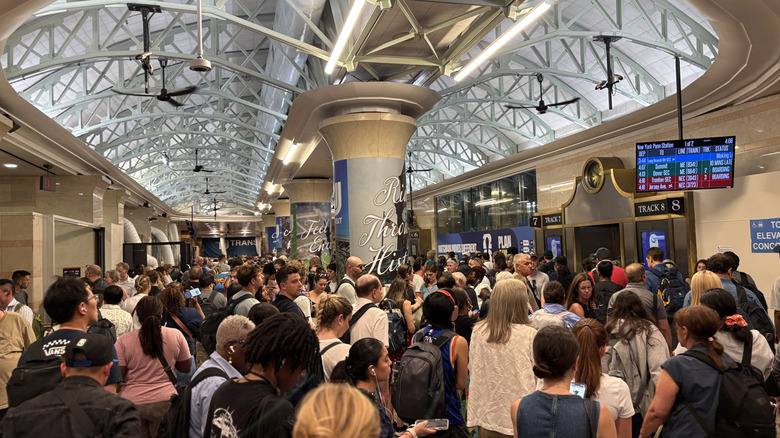
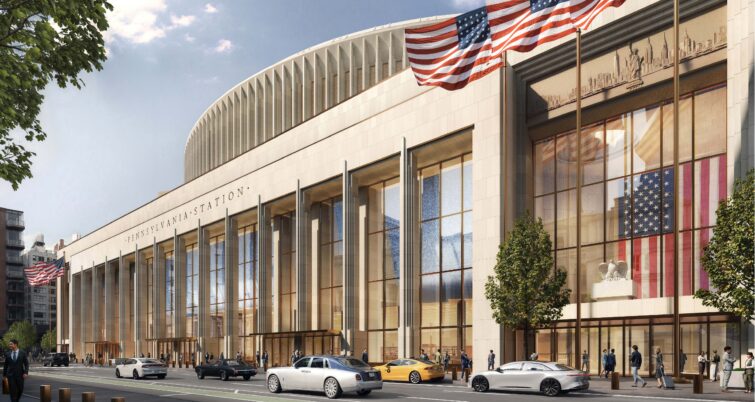
The escalating federal-state conflict over Penn Station's $7-8 billion redesign project creates significant operational uncertainty for e-commerce sellers relying on Northeast logistics infrastructure. The Trump administration's attempt to seize control from the MTA, combined with MTA Chief Janno Lieber's rejection of governance terms in June 2026, signals potential 12-24 month project delays that will disrupt one of North America's busiest transportation hubs serving 750,000 daily passengers. This infrastructure bottleneck directly impacts cross-border sellers and 3PL providers operating fulfillment centers in the New York metropolitan area, which represents approximately 8-12% of US e-commerce fulfillment capacity.
The core dispute centers on governance and cost allocation. The federal government (led by Andy Byford) proposes an $8 billion investment with increased federal oversight, while the MTA invokes its 160-year lease agreement to protect operational control during construction. Lieber's characterization of the federal process as "bizarre" and his refusal to sign new agreements without lease protections suggest protracted negotiations. Governor Hochul's intervention emphasizes collaboration, but the fundamental tension remains: construction delays at Penn Station will create transportation bottlenecks affecting last-mile delivery networks, regional 3PL operations, and commuter-dependent warehouse staff across the Northeast corridor.
For e-commerce sellers, the implications are multifaceted. Sellers using Northeast-based 3PL providers (which handle 15-20% of Amazon FBA shipments to the Northeast) face potential 3-7 day delivery delays during peak construction phases. Regional fulfillment centers near Penn Station—including Amazon facilities in Long Island City and Shopify logistics partners in New Jersey—depend on MTA rail access for employee commuting and goods movement. If construction proceeds "with or without MTA cooperation" (as Byford stated), unilateral federal action could disrupt LIRR operations serving 300,000+ daily commuters, cascading into workforce availability issues at fulfillment centers. Additionally, the $8 billion federal investment signals potential future infrastructure spending that could redirect capital from other Northeast transportation projects, affecting port access and cross-border logistics corridors serving Canadian and European sellers.
The political stalemate creates a 6-18 month window of operational uncertainty. Sellers should monitor MTA announcements regarding construction phases, LIRR service modifications, and potential fare increases (which could raise labor costs at regional fulfillment centers by 5-8%). The project's outcome will determine whether Northeast logistics costs increase 2-4% annually through 2030, affecting fulfillment pricing for sellers shipping to the Northeast market (approximately 22% of US e-commerce volume).
Questions 8
How does this Penn Station conflict affect cross-border sellers shipping to the US?
Cross-border sellers using Northeast ports and fulfillment centers face 3-6 month delays in goods movement during peak construction phases. Penn Station's redesign involves demolishing infrastructure near Madison Square Garden, potentially affecting truck access to nearby fulfillment centers. The $8 billion federal investment signals infrastructure spending that could redirect capital from port improvements, affecting import logistics for Canadian and European sellers. Additionally, if MTA fare increases occur (to offset construction costs), labor expenses at Northeast fulfillment centers rise 5-8%, increasing fulfillment fees for all sellers. Monitor federal-state negotiations for clarity on construction phases and port access impacts.
What are the cost implications of Penn Station delays for my shipping rates?
Expect 2-4% annual fulfillment cost increases through 2030 if construction disrupts Northeast logistics. Specific impacts: (1) 3PL storage fees may increase $0.15-0.30 per unit monthly due to workforce constraints, (2) last-mile delivery premiums could add $0.50-1.50 per shipment during peak construction, (3) MTA fare increases (feared by officials) would raise labor costs 5-8% at regional fulfillment centers. For sellers shipping 1,000+ units monthly to the Northeast, this translates to $150-400 additional monthly costs. Negotiate multi-year 3PL contracts now before rates adjust for construction uncertainty.