


Amazon Prime Day 2026 Tech Blitz | Smartphone & Smart Home Pricing Collapse Signals Margin Pressure for Electronics Sellers
- Record-low pricing on flagship devices (Pixel 10 Pro down 31%, Galaxy S26 Ultra down 37%) creates competitive benchmarking crisis for third-party electronics sellers; smart home category sees up to 44% discounts, forcing inventory repricing across 8+ product categories











Overview
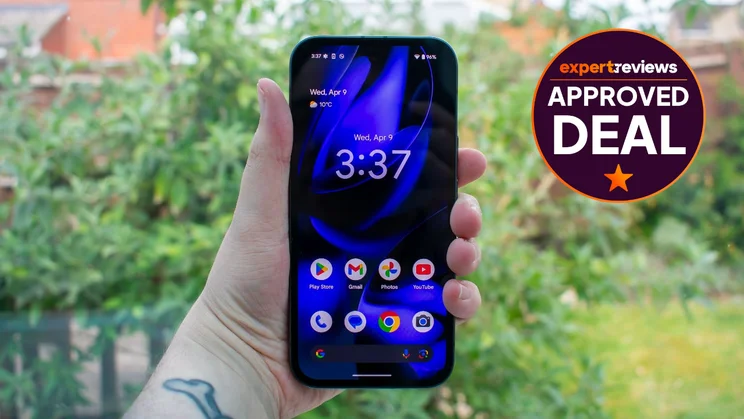
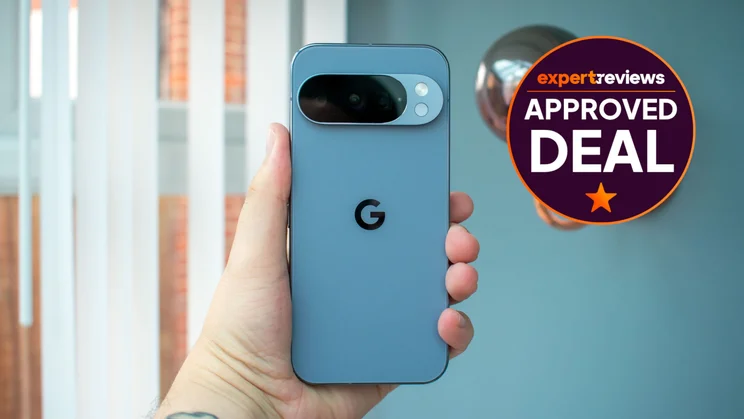
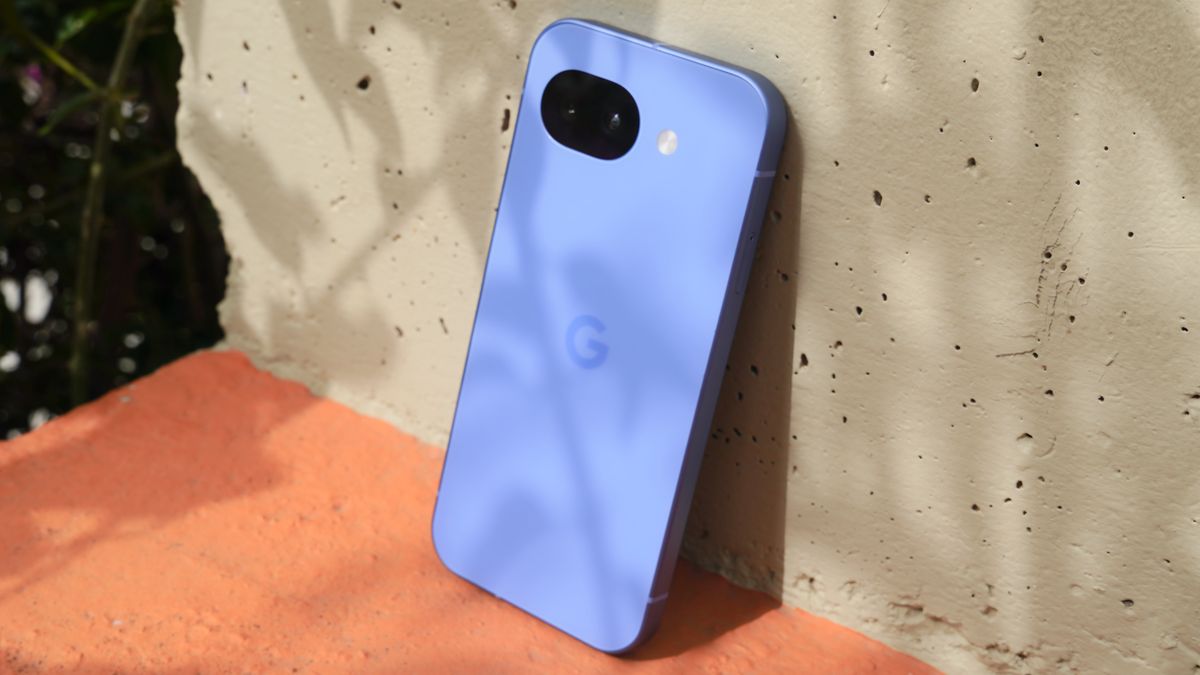
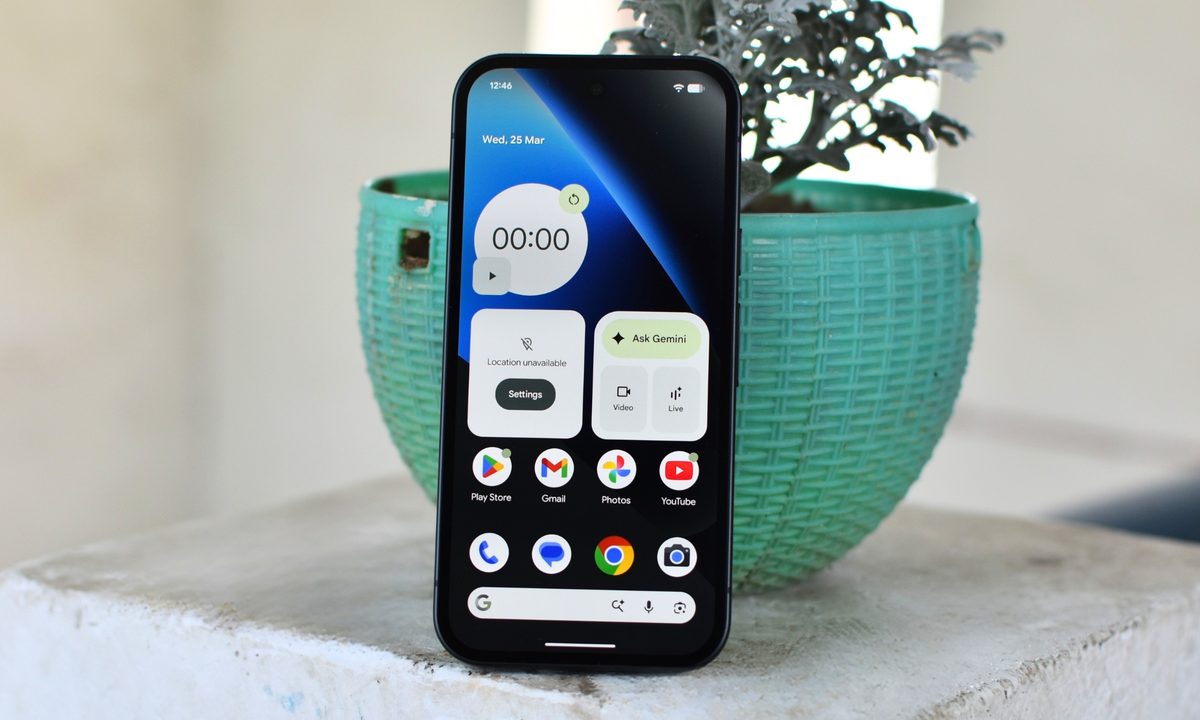
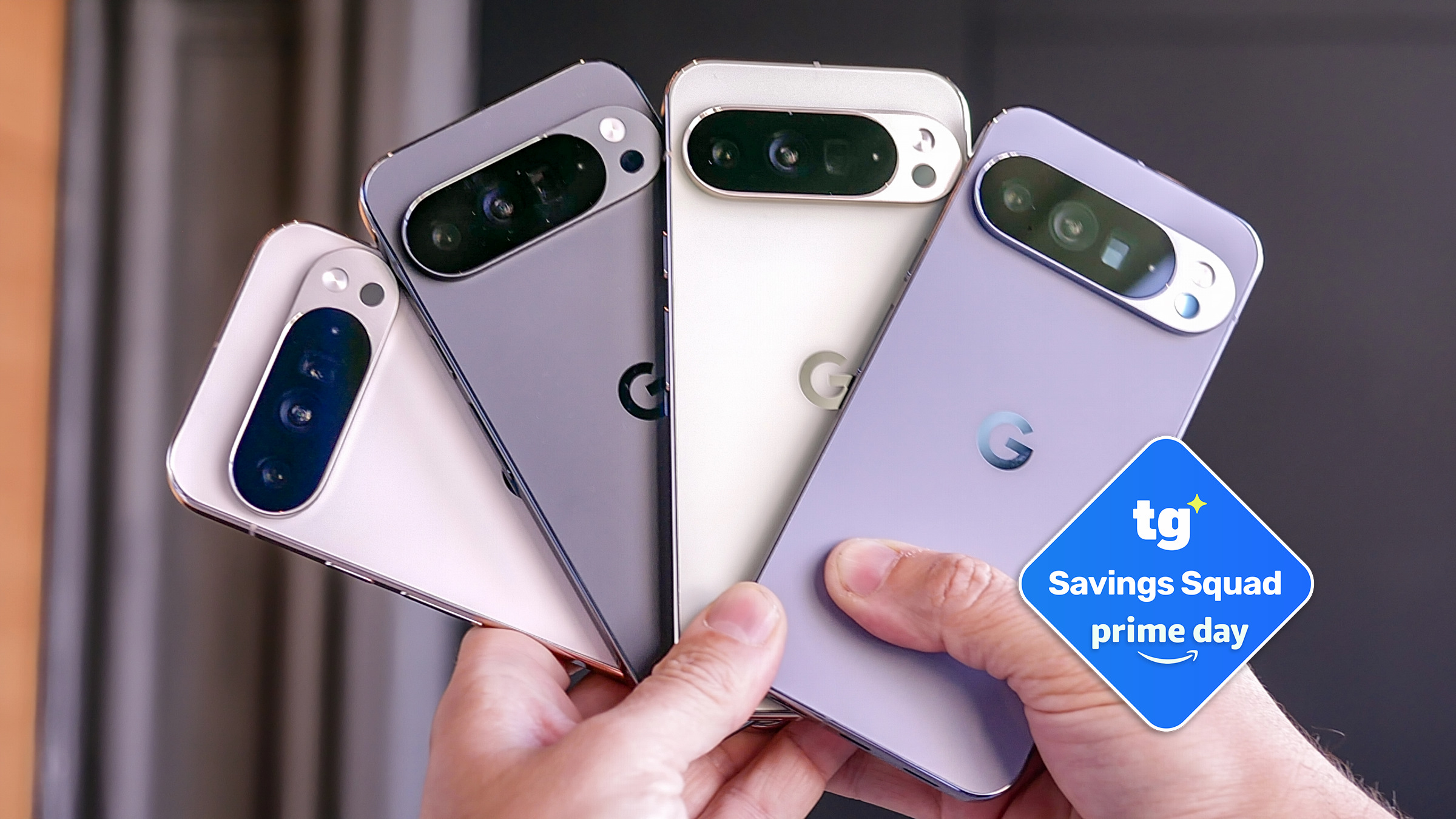
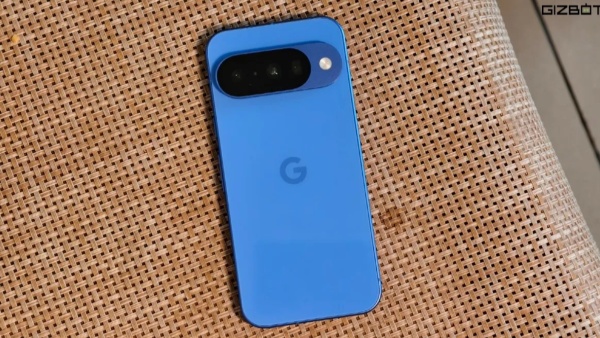
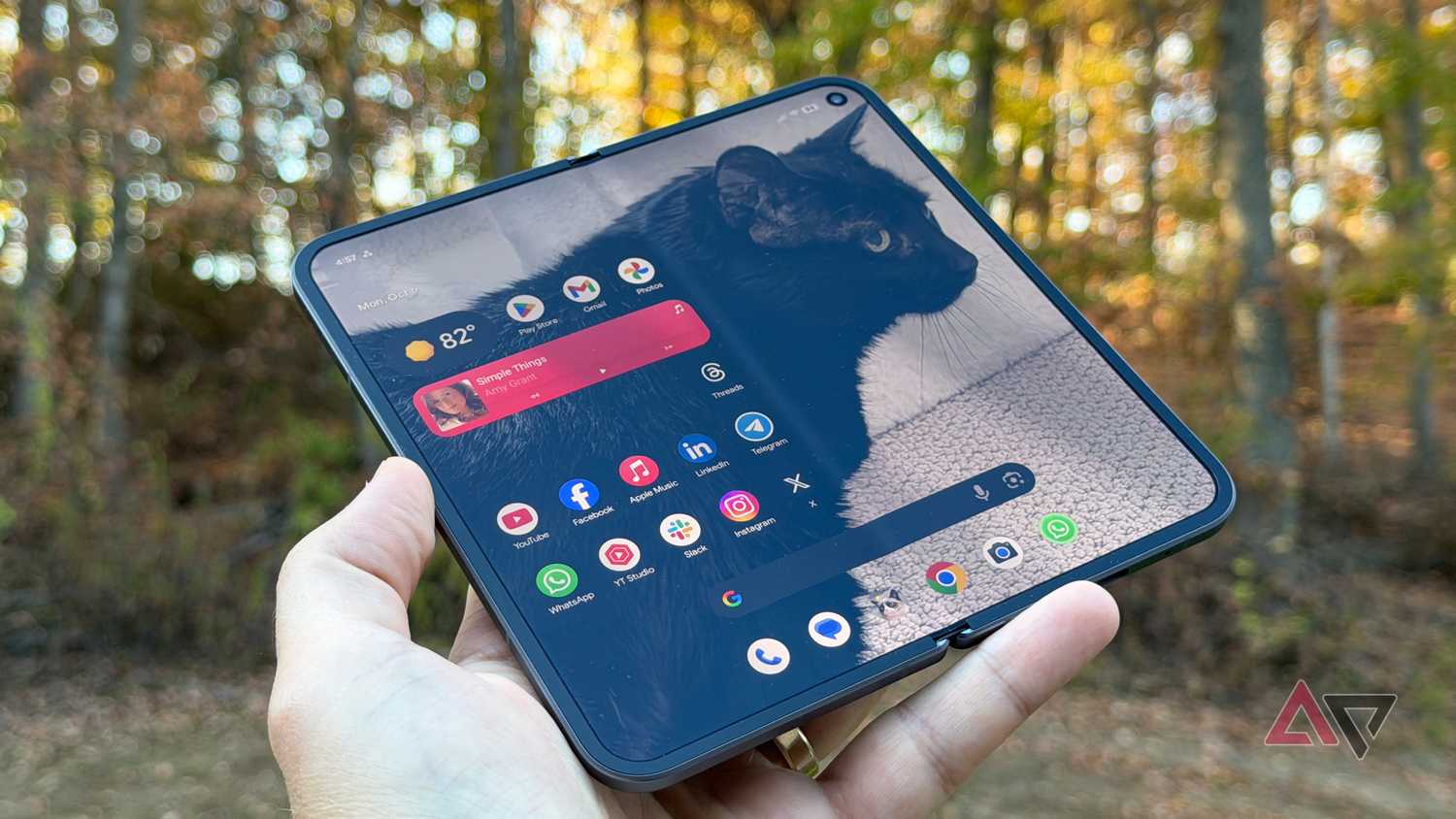
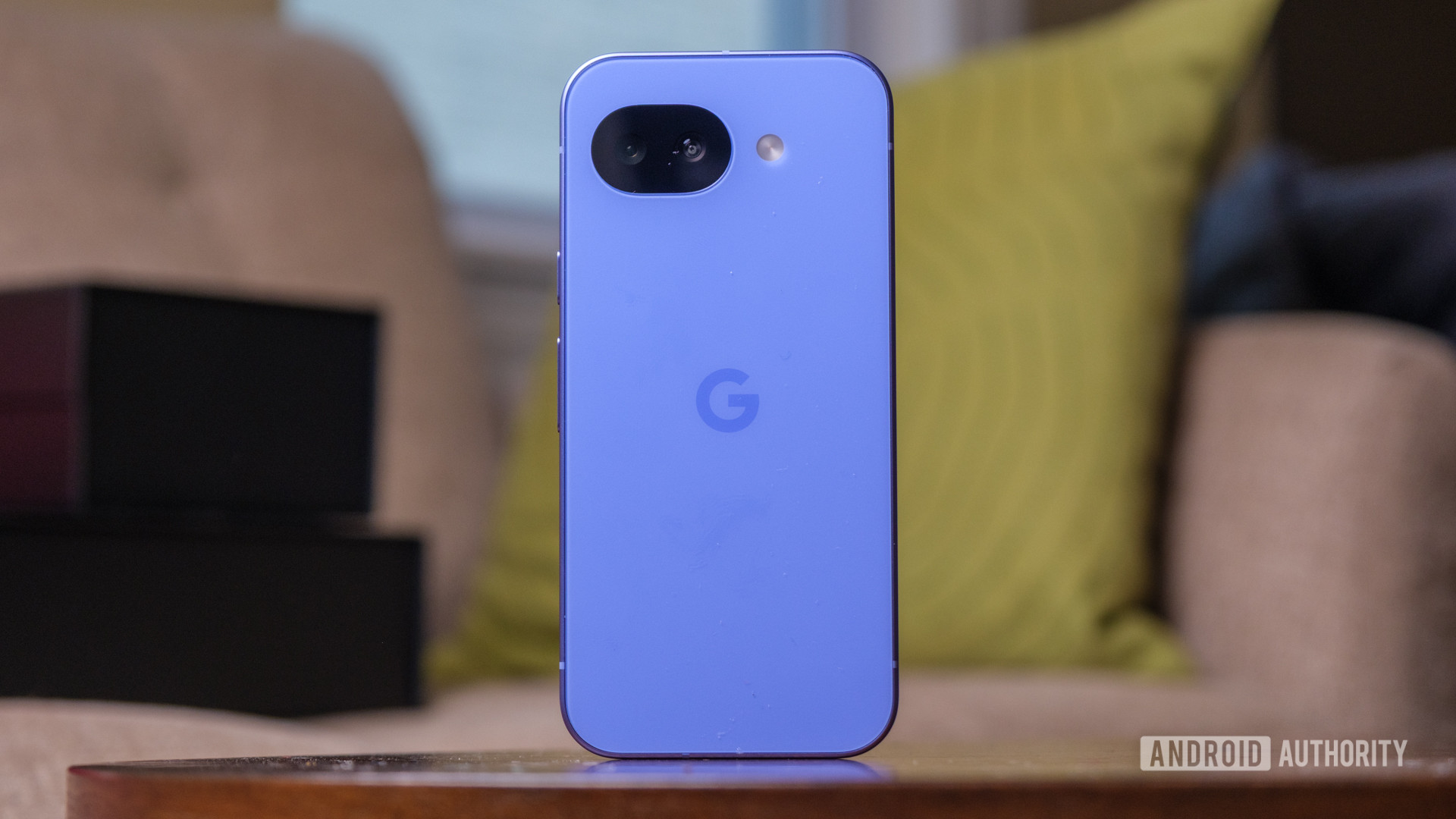
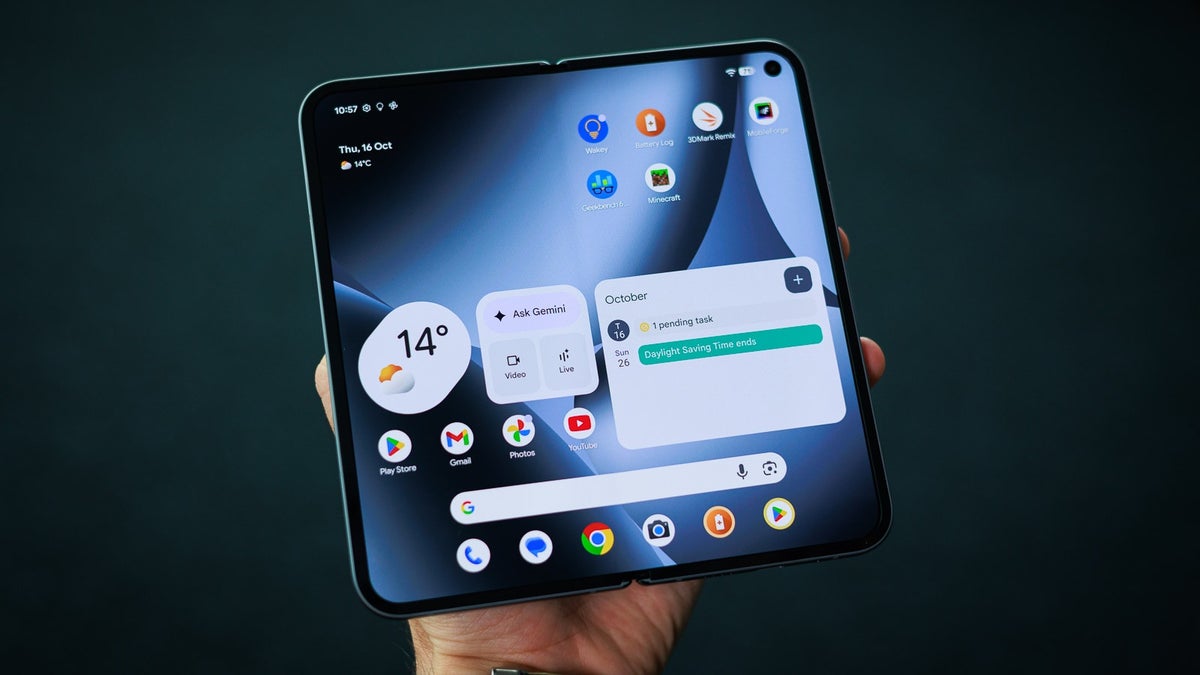
Amazon's June 2026 Prime Day event (June 23-26) represents a watershed moment for electronics sellers, with first-party pricing establishing new competitive baselines that will reshape third-party seller strategies across smartphones, wearables, smart home, and accessories categories. The scale of discounting is unprecedented: Google Pixel 10 Pro dropped to $684 (31% off $999 MSRP), Pixel 10a to $399 (20% off $499), and Pixel 10 Pro Fold to $1,399 (22% off $1,799). Samsung Galaxy S26 Ultra saw discounts up to $365, while smart home devices experienced even steeper cuts—Roborock Saros 10R fell to $900 (44% off $1,600) and Qrevo Curv 2 Flow to $300 (70% off $1,000). This coordinated ecosystem pricing by Google and Samsung signals a deliberate strategy to establish market dominance through loss-leader positioning, directly impacting third-party seller margins in electronics.
For electronics sellers on Amazon, this event creates immediate Buy Box pressure and inventory valuation challenges. When Amazon's first-party pricing reaches all-time lows across multiple categories simultaneously, third-party sellers face a critical decision: match prices and compress margins by 15-25%, or lose Buy Box eligibility and visibility. The news explicitly notes "several items have reached new platform record lows," meaning sellers cannot reference historical pricing to justify higher ASPs. This is particularly acute in the smartphone accessories category (charging cables, cases, screen protectors), where complementary products typically sell at 20-30% margins—now compressed to 5-10% as consumers anchor to the flagship device discounts. Sellers holding inventory purchased at pre-Prime Day wholesale costs face immediate write-downs of 10-20% to remain competitive.
The broader strategic implication reveals Amazon's shift toward ecosystem lock-in through aggressive first-party pricing. Google's simultaneous discounting of Pixel phones, Pixel Watches, Pixel Buds Pro 2 ($161 vs. $229 regular), Nest Doorbell ($137.99 vs. $179.99), and Google TV Streamer ($74.99 vs. $99.99) demonstrates coordinated bundling strategy that third-party sellers cannot replicate. This ecosystem approach mirrors Apple's historical playbook but executed at scale through Amazon's fulfillment network. For cross-border sellers sourcing from Asia Pacific manufacturers, this creates a 30-60 day repricing window where inventory purchased at pre-event wholesale costs becomes immediately uncompetitive. Sellers must either liquidate at losses or hold inventory through July-August when demand normalizes post-Prime Day.
Questions 7
Which seller segments are most vulnerable to Prime Day 2026 margin compression?
Small-to-medium electronics sellers (annual revenue $100K-$1M) holding inventory in flagship device categories face the highest vulnerability. Sellers with inventory turnover rates below 4x annually will experience extended holding costs during the post-Prime Day normalization period. Cross-border sellers with longer supply chains (60-90 day lead times) cannot quickly adjust inventory and face forced liquidation. Sellers with high FBA storage costs ($0.87/unit/month for standard-size items) should prioritize rapid inventory clearance to avoid Q3 storage fee increases.
What pricing data should sellers monitor to maintain Buy Box eligibility?
Sellers must monitor Amazon's first-party pricing daily during and after Prime Day, as prices fluctuate throughout the promotional period. The news notes that 'prices are subject to change throughout the promotional period, with Amazon continuously updating deals.' Track competitor pricing (both first-party and third-party) using tools like Keepa or Jungle Scout to identify when prices stabilize. Maintain a 5-10% price buffer above first-party pricing to ensure Buy Box eligibility while protecting margins. Set automated alerts for price changes on top 20 SKUs to enable rapid repricing.