



South Africa's Xenophobic Crisis Threatens Supply Chains & Foreign Business Operations | Seller Risk Alert
- Vigilante violence targeting foreign-owned businesses in Johannesburg, Durban, Cape Town; June 30, 2025 deportation deadline creates operational uncertainty for cross-border sellers with SA operations or suppliers




/file/attachments/orphans/DSC9259copy_164929.jpg)









/file/attachments/orphans/tori_186887.jpg)



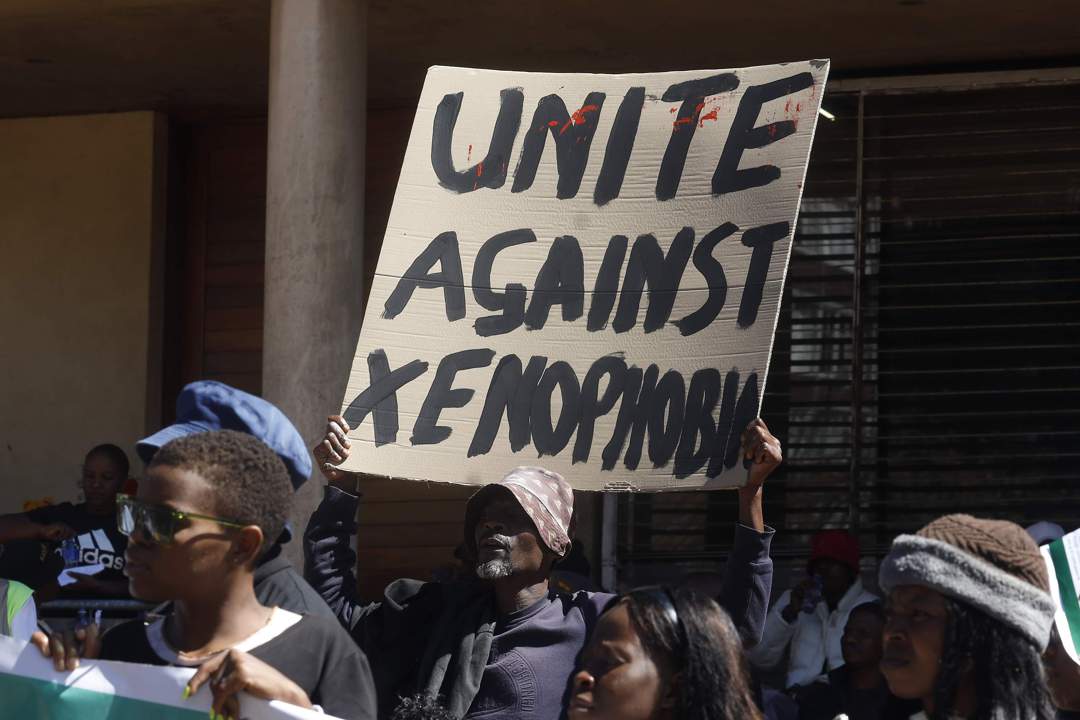

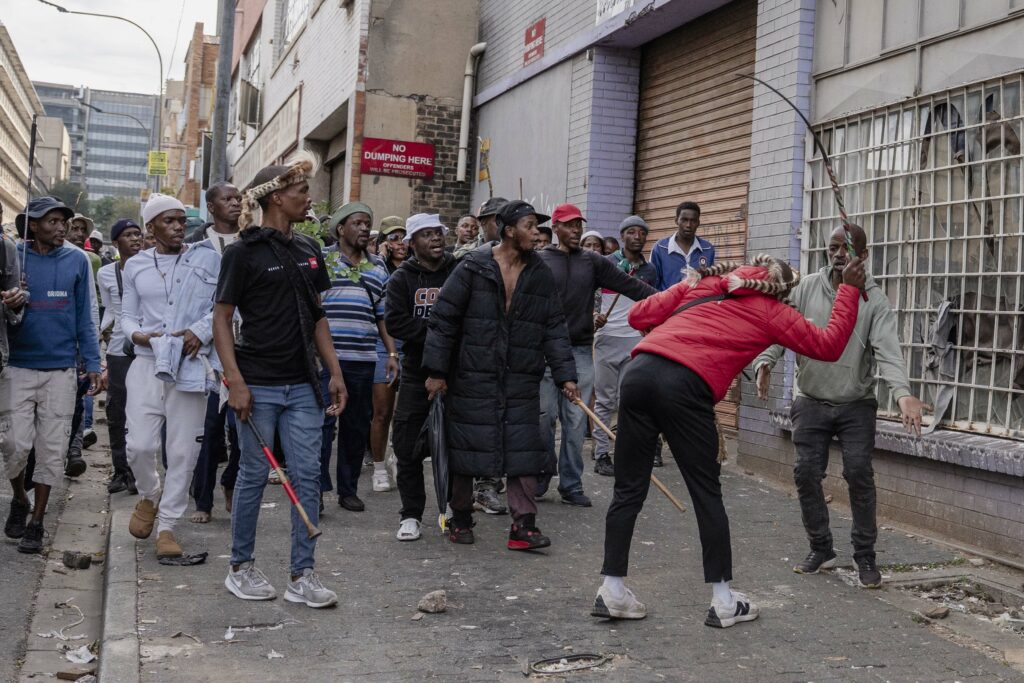
)
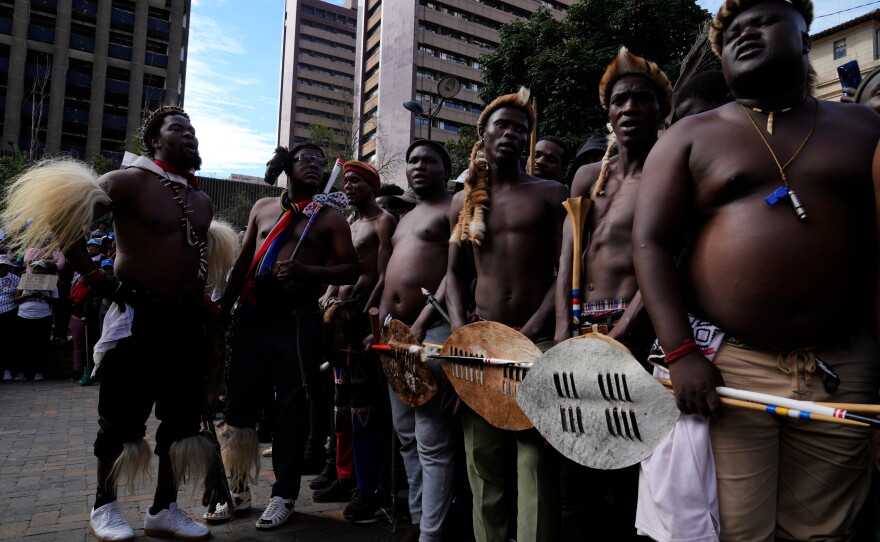



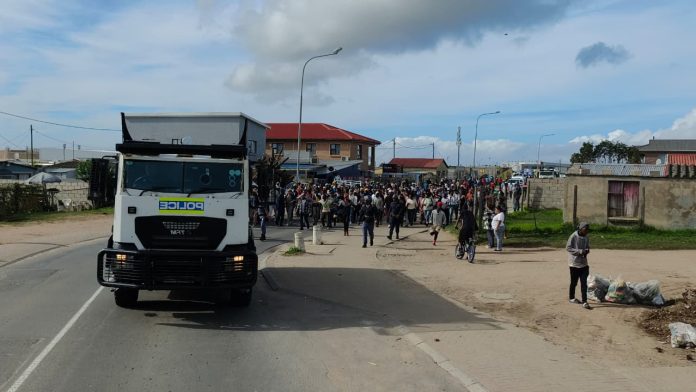





/file/dailymaverick/wp-content/uploads/2025/08/Themba-Dlamini-new.jpg)








Overview
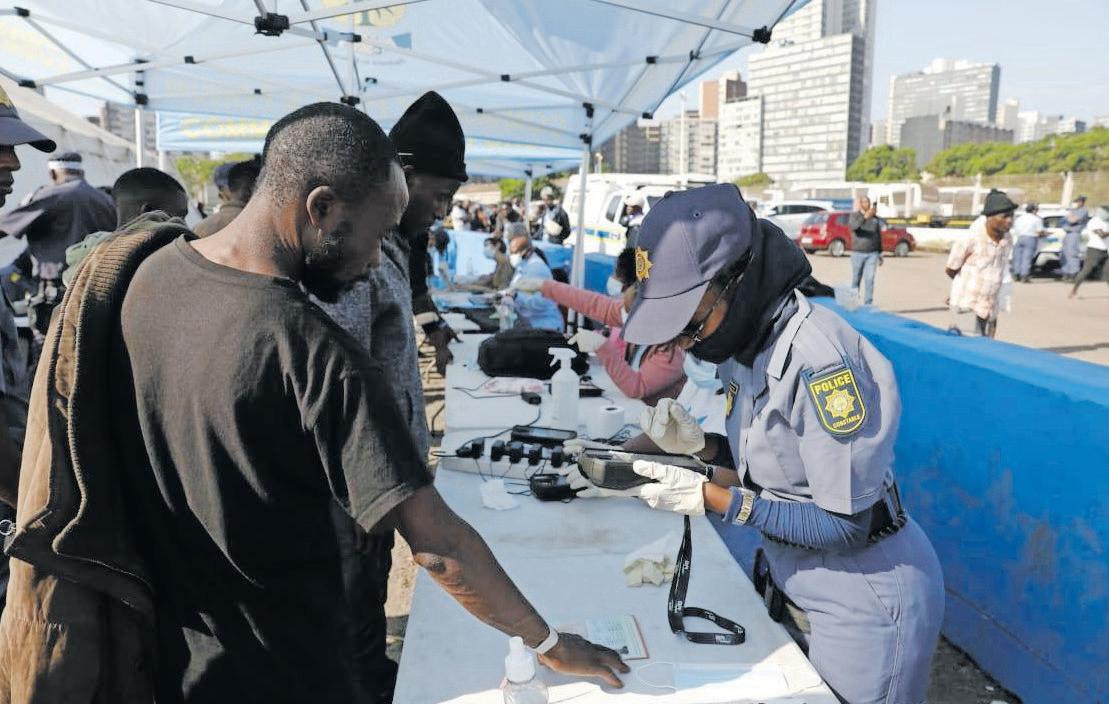
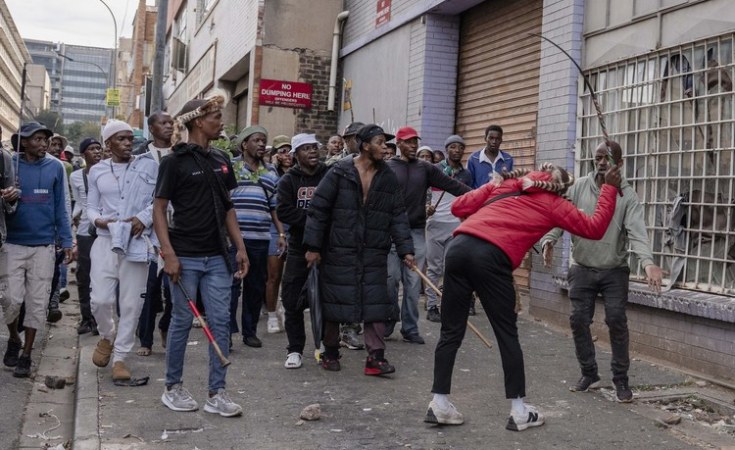
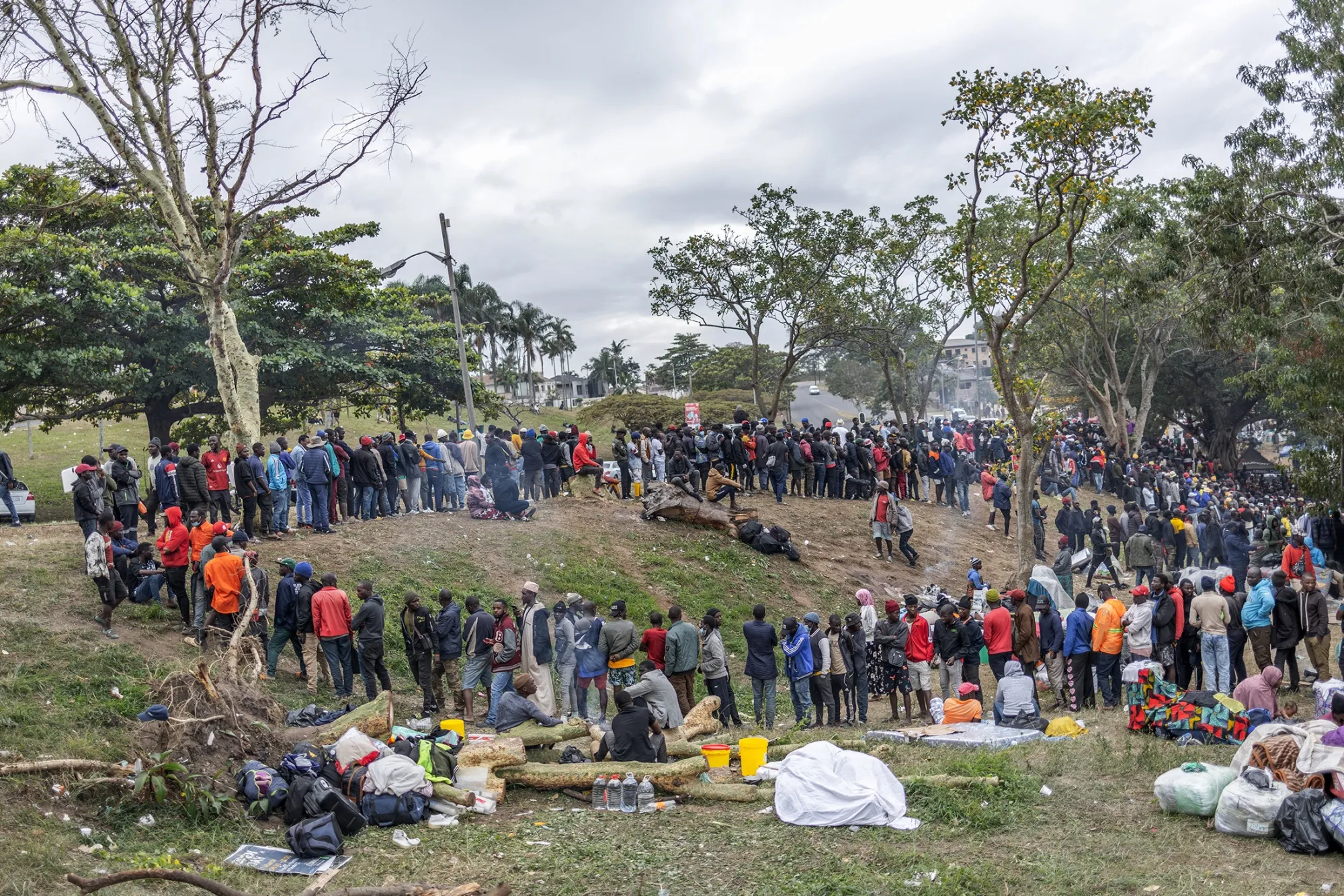
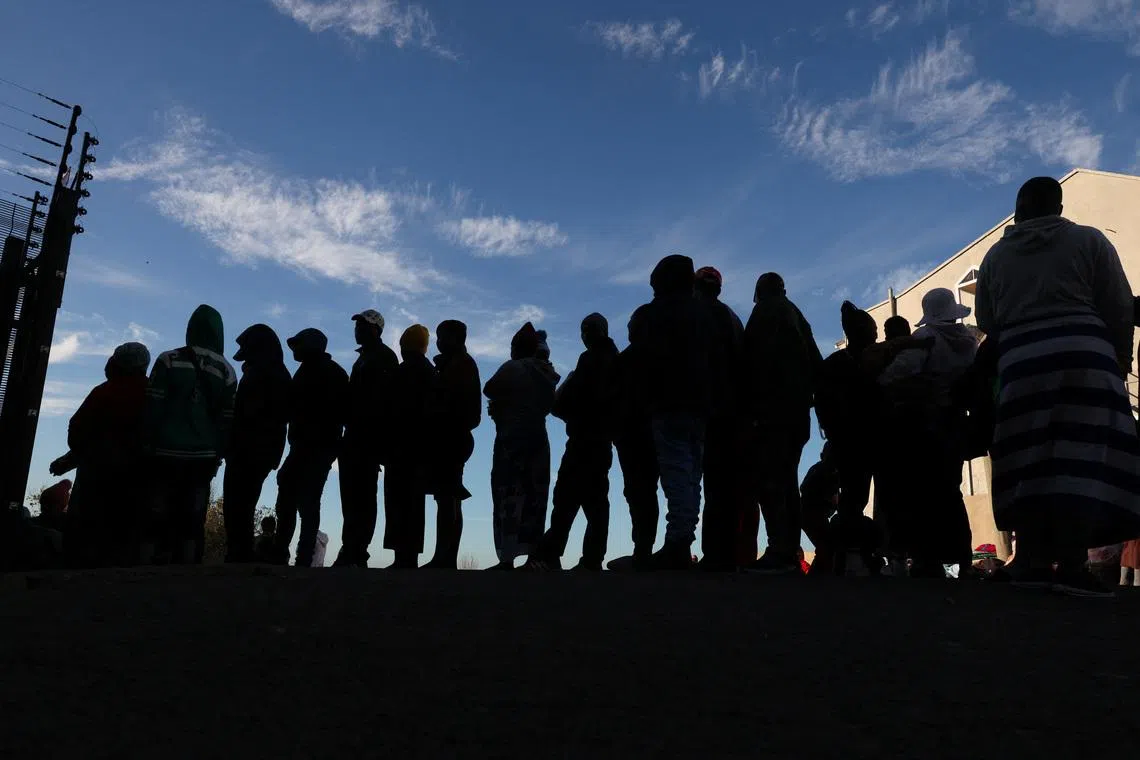
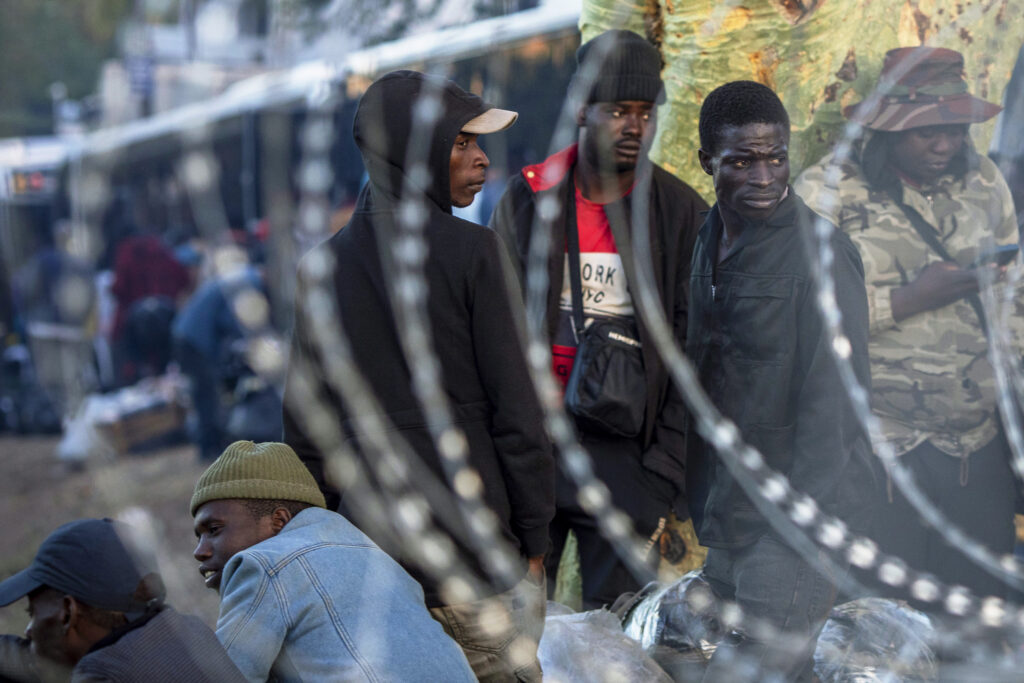
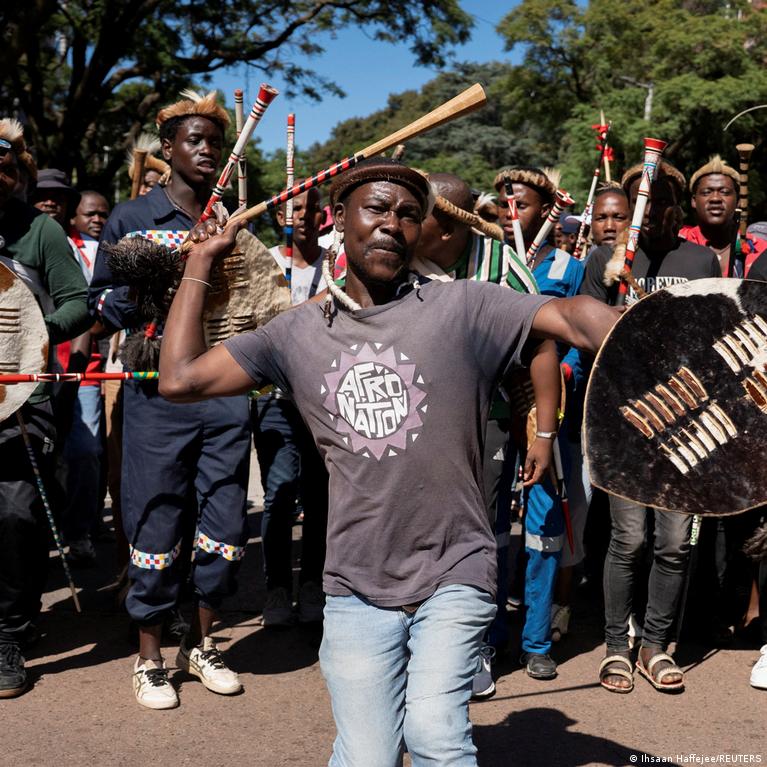
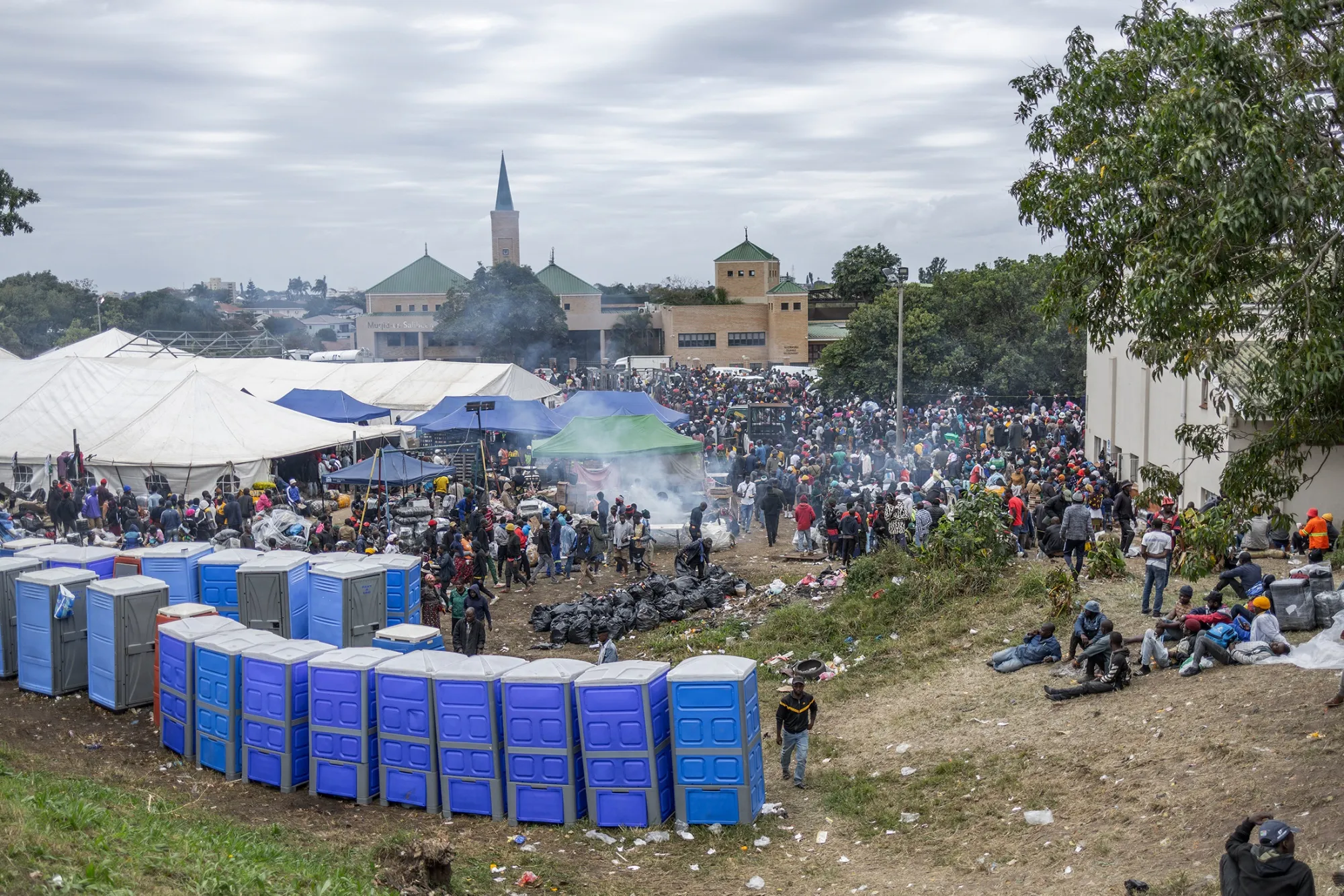
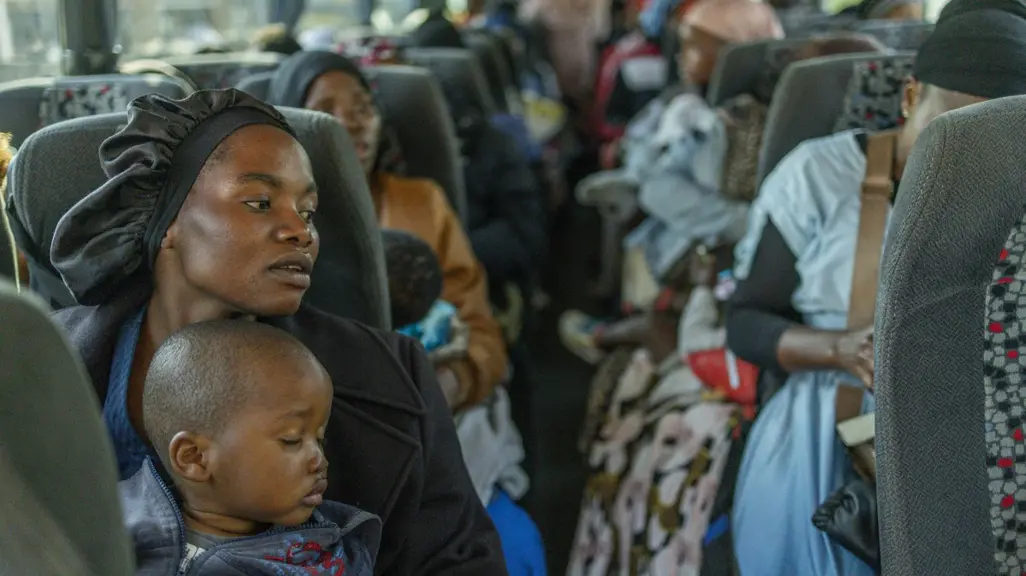
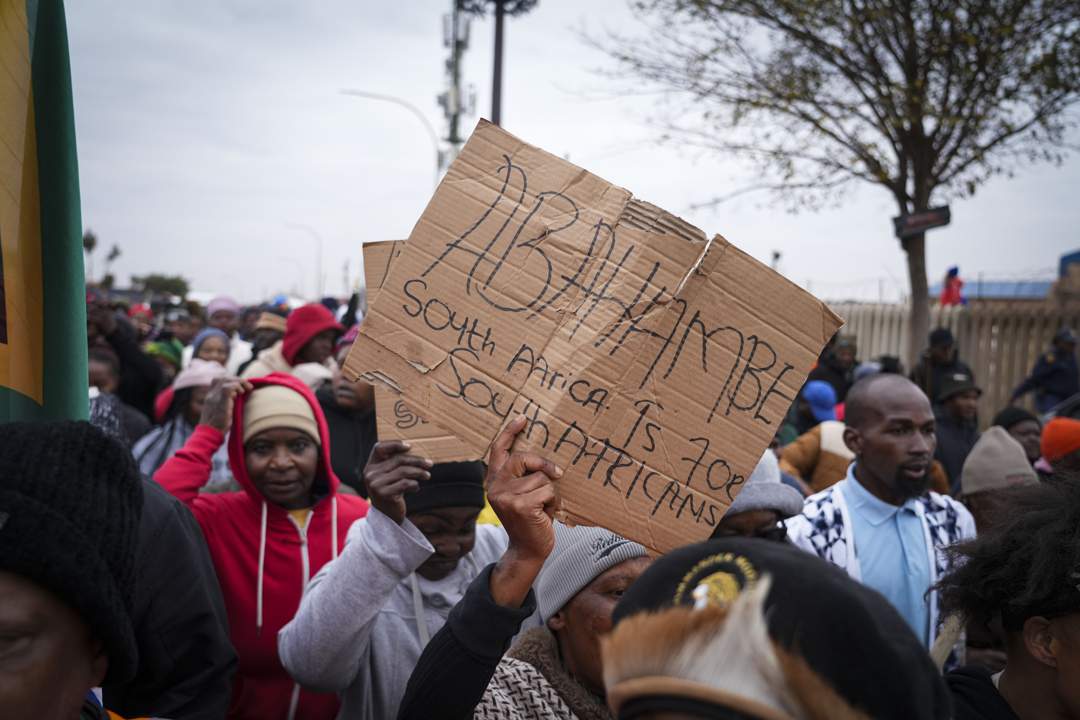
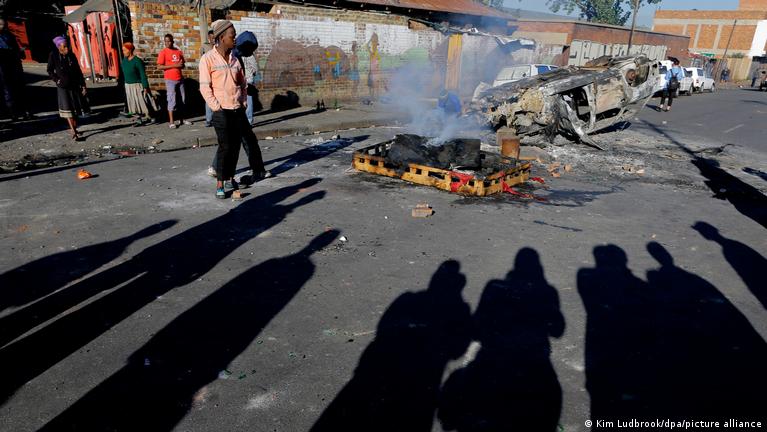
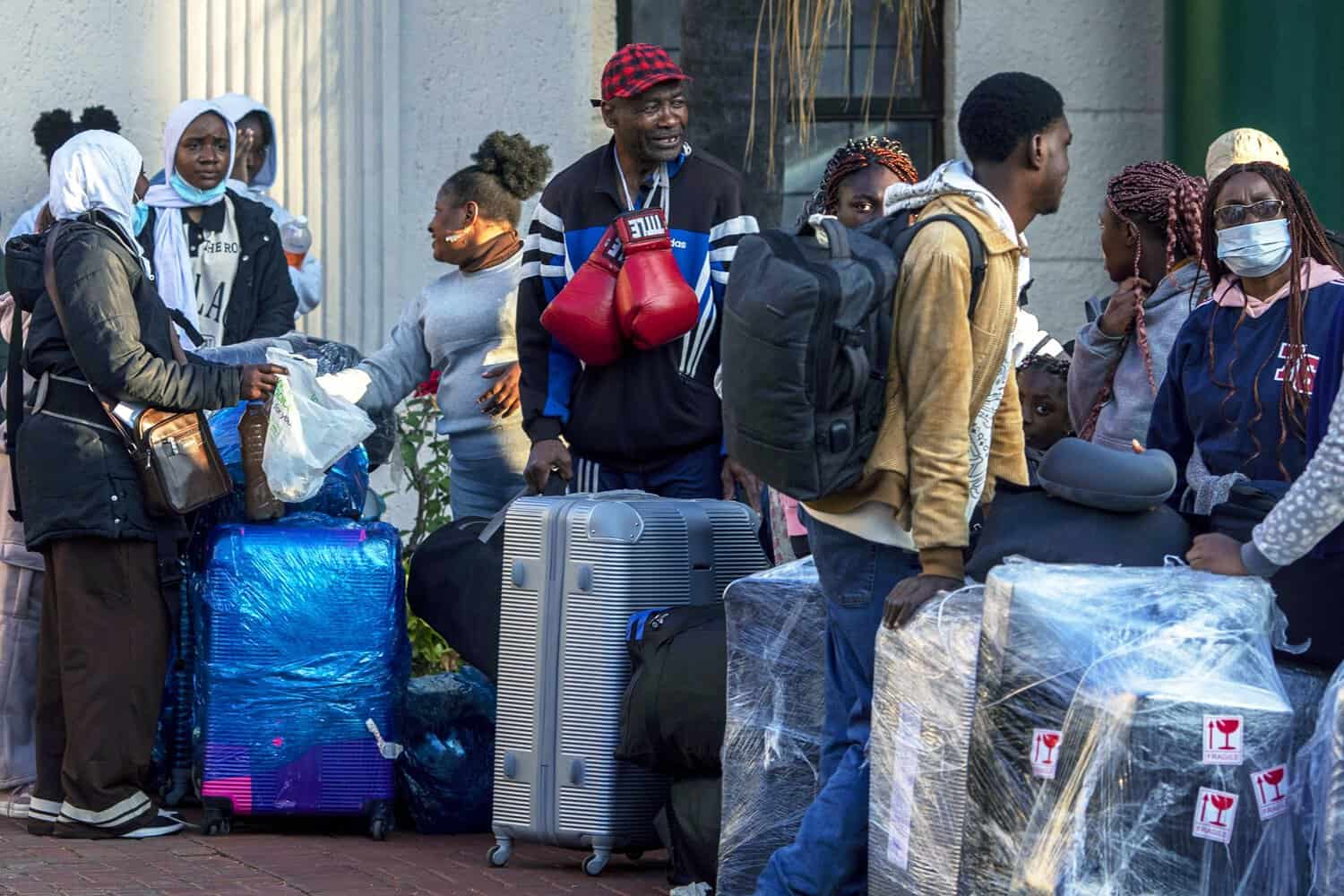
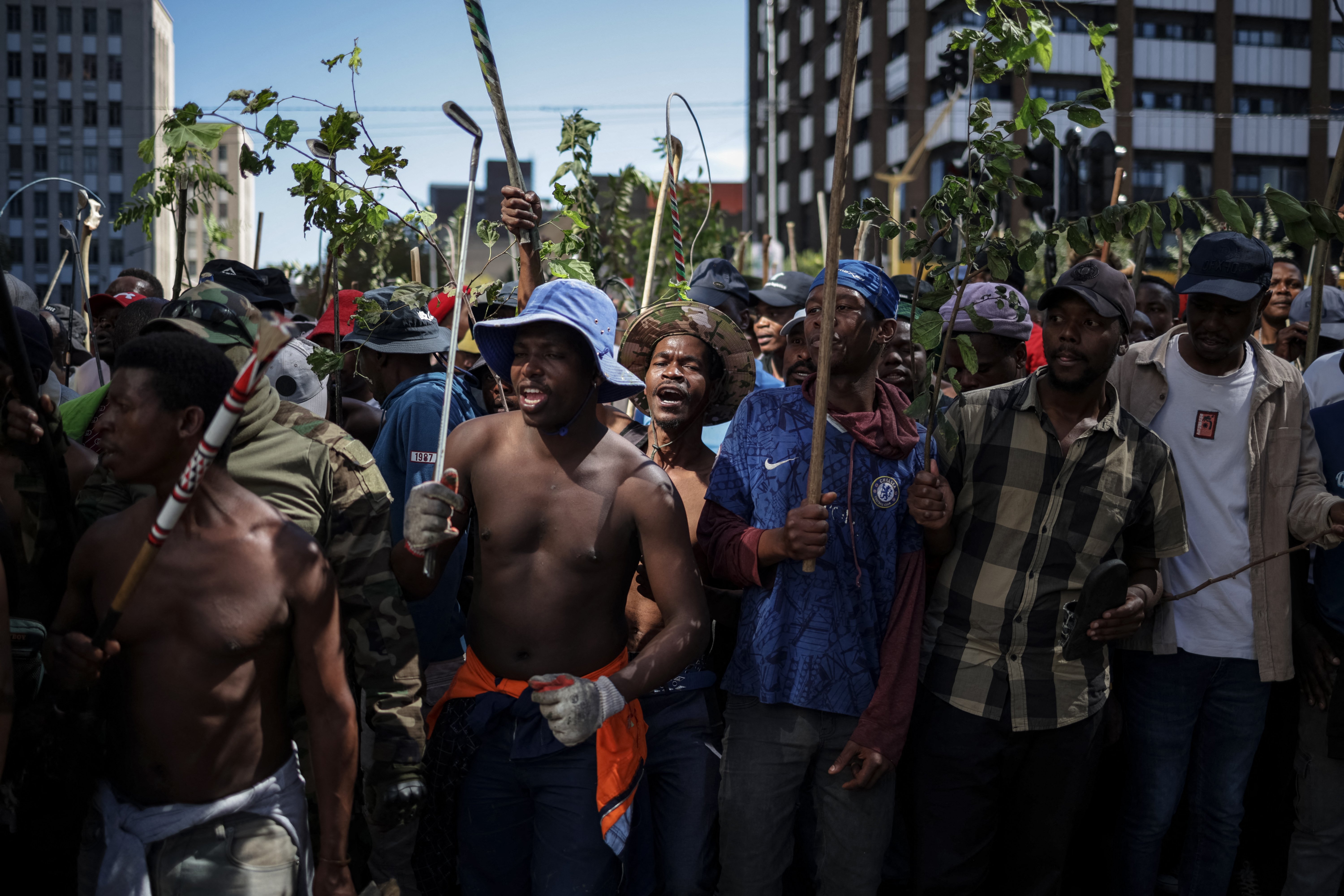
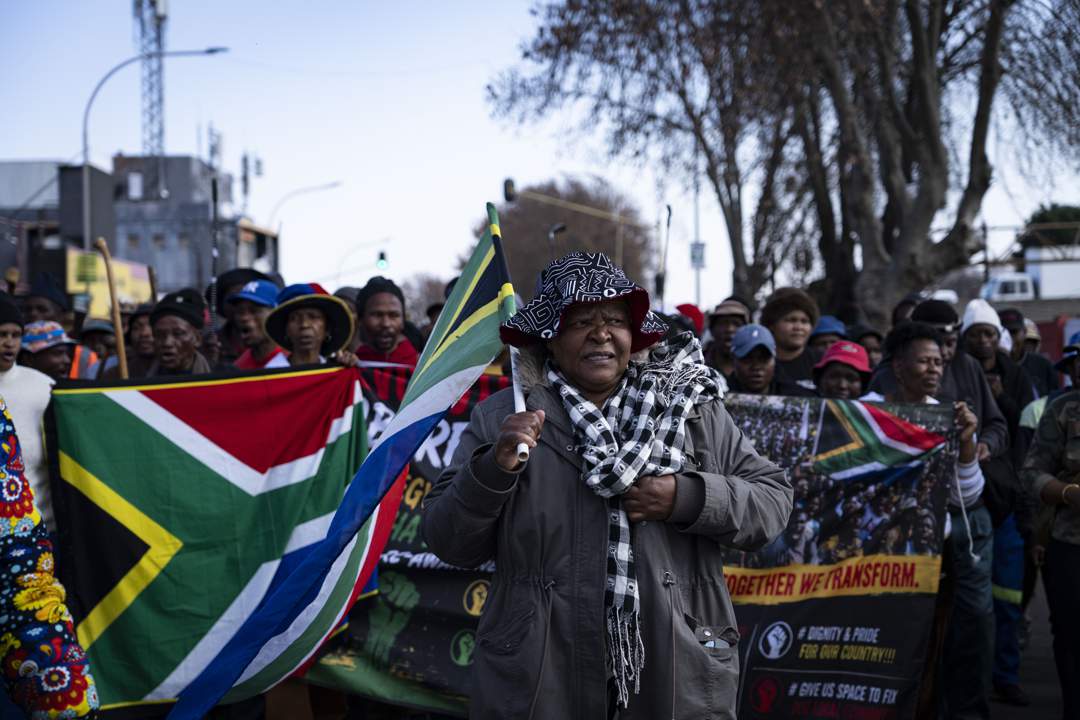
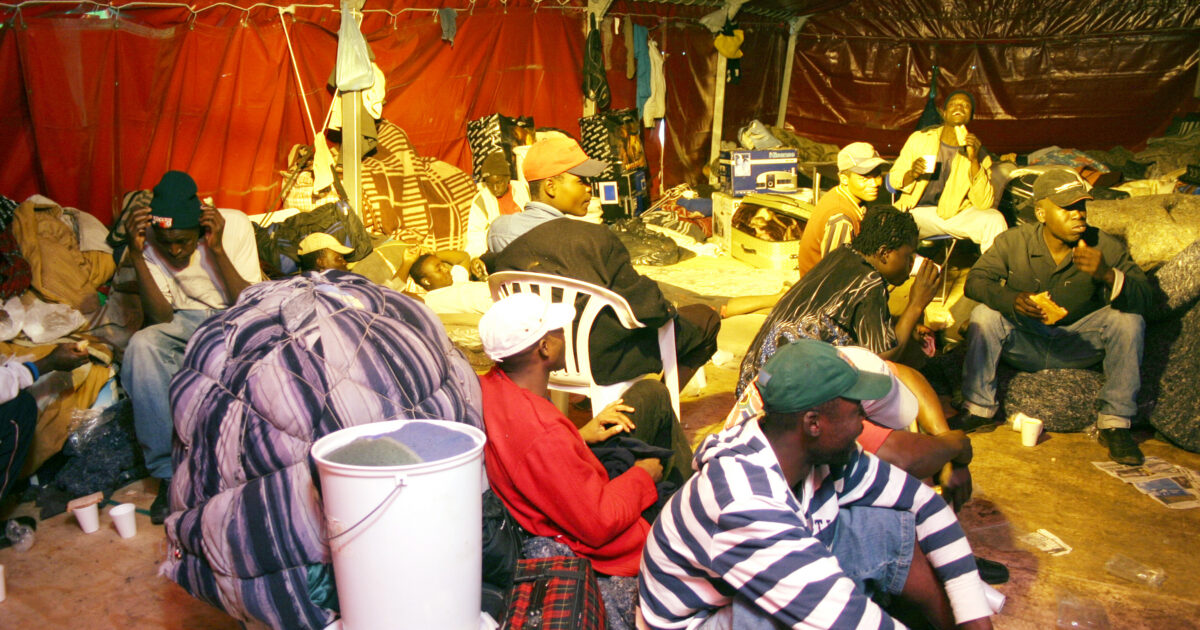
South Africa is experiencing an unprecedented surge in xenophobic violence that directly threatens cross-border e-commerce operations and supply chain stability. The March and March movement, led by activist Jacinta Ngobese-Zuma, has mobilized organized mobs through major cities (Johannesburg, Durban, Cape Town) demanding all undocumented migrants leave by June 30, 2025. Foreign-owned businesses have been systematically attacked, with reported deaths of migrants from Malawi, Mozambique, and Congo, while thousands camp outside consulates seeking evacuation. Nigeria, Ghana, and Mozambique have already initiated citizen repatriation operations.
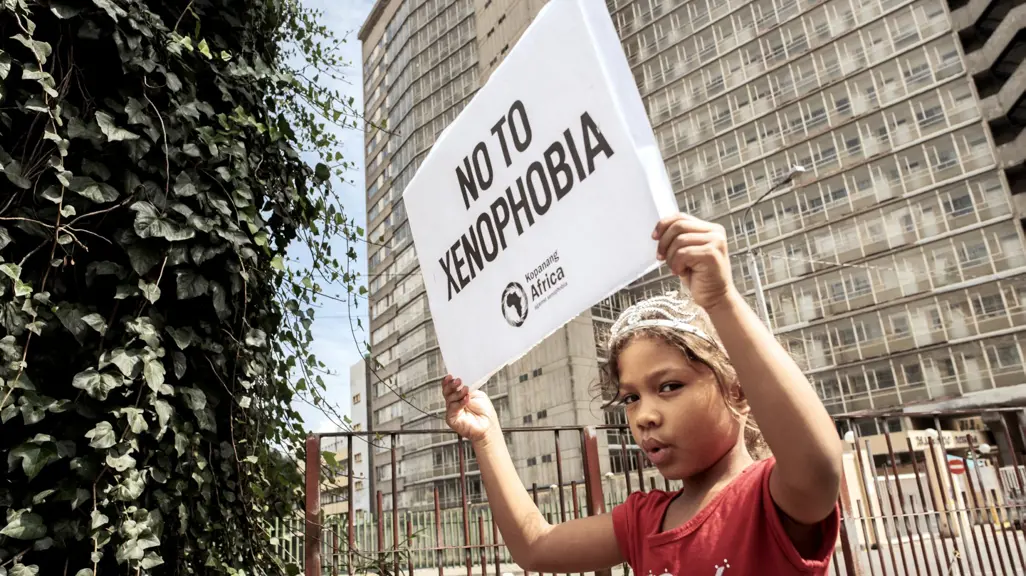
For e-commerce sellers, this crisis creates three critical operational risks. First, supply chain disruption: South Africa's manufacturing and logistics sectors employ significant migrant workforces. The xenophobic violence and June 30 deportation deadline threaten workforce stability for suppliers, 3PL providers, and fulfillment centers. Sellers sourcing products from South African manufacturers or using SA-based logistics partners face potential production delays and shipping disruptions. Second, foreign business targeting: Vigilante groups have explicitly targeted foreign-owned enterprises, conducting workplace identity verification campaigns and attempting to exclude non-citizens from employment and services. Foreign sellers operating warehouses, distribution centers, or local teams in South Africa face security risks and operational harassment. Third, regulatory uncertainty: While the High Court ruled on November 4, 2025 (Kopanang Africa v. Operation Dudula) that vigilante enforcement of immigration laws is illegal, President Ramaphosa's June 8 statement emphasizing deportations may inadvertently legitimize anti-migrant actions, creating ambiguous enforcement environments.
The underlying economic context amplifies seller exposure. South Africa's 30% unemployment rate and weak economic growth (manufacturing decline since 2008 financial crisis) have created conditions where xenophobic scapegoating flourishes despite economic data contradicting migrant-blame narratives. Political parties across the spectrum—including MK, ActionSA, and the Patriotic Alliance—have amplified anti-immigrant rhetoric for electoral gain, particularly ahead of November local elections. Misinformation spreads rapidly on TikTok and social media platforms, creating volatile sentiment that can rapidly escalate into violence. The pattern is cyclical: 2008 xenophobic riots killed 60+ people and displaced 100,000; 2019 violence followed similar trajectories. This 2025 crisis represents the third major wave in 17 years, suggesting structural instability rather than isolated incidents.
For sellers with South African operations or supply dependencies, immediate action is required. Assess workforce composition and visa status of any local teams or supplier partners. Evaluate alternative sourcing routes if current suppliers employ significant migrant labor. Monitor logistics provider stability—if 3PL partners lose key staff to deportations or violence, fulfillment capacity will contract. Consider temporary inventory buffers (30-60 days) for products dependent on SA sourcing. For sellers with foreign ownership or foreign-national management in SA, security protocols and contingency evacuation plans are prudent given the pattern of business targeting. The June 30, 2025 deadline creates a hard decision point: suppliers and logistics partners must either stabilize their migrant workforce situation or face operational collapse post-deadline.
Questions 7
What supply chain alternatives should sellers consider for SA-dependent products?
Sellers should immediately evaluate alternative sourcing routes from neighboring countries (Botswana, Namibia, Zimbabwe) or other African manufacturing hubs (Kenya, Ethiopia) to reduce SA dependency. Diversify 3PL providers: if current logistics partners lose migrant staff to deportations, fulfillment capacity will contract. Build 30-60 day inventory buffers for SA-dependent products to bridge potential June 30 deadline disruptions. Consider temporary inventory repositioning to regional hubs outside South Africa. For products with unique SA sourcing advantages, negotiate long-term contracts with suppliers guaranteeing workforce stability through June 30, 2025 and beyond.
How does South Africa's political situation amplify xenophobic violence?
Multiple political parties—including Jacob Zuma's MK party, ActionSA, and the Patriotic Alliance—have legitimized anti-immigrant rhetoric for electoral gain, particularly ahead of November local elections. The Government of National Unity has failed to present a unified response, allowing vigilante groups to control the national narrative. This political amplification creates volatile sentiment that spreads rapidly on TikTok and social media, escalating violence cycles. Sellers should monitor political developments and election outcomes as indicators of violence intensity: historical patterns show xenophobic crises intensify during election periods (2008 riots killed 60+ people; 2019 violence followed similar trajectories).