


Japan Earthquake June 2026 | Supply Chain & Logistics Impact for Cross-Border Sellers
- Iwate Prefecture seismic event triggers temporary logistics disruptions; sellers with Japan operations face 3-7 day inventory delays and warehouse access challenges












Overview
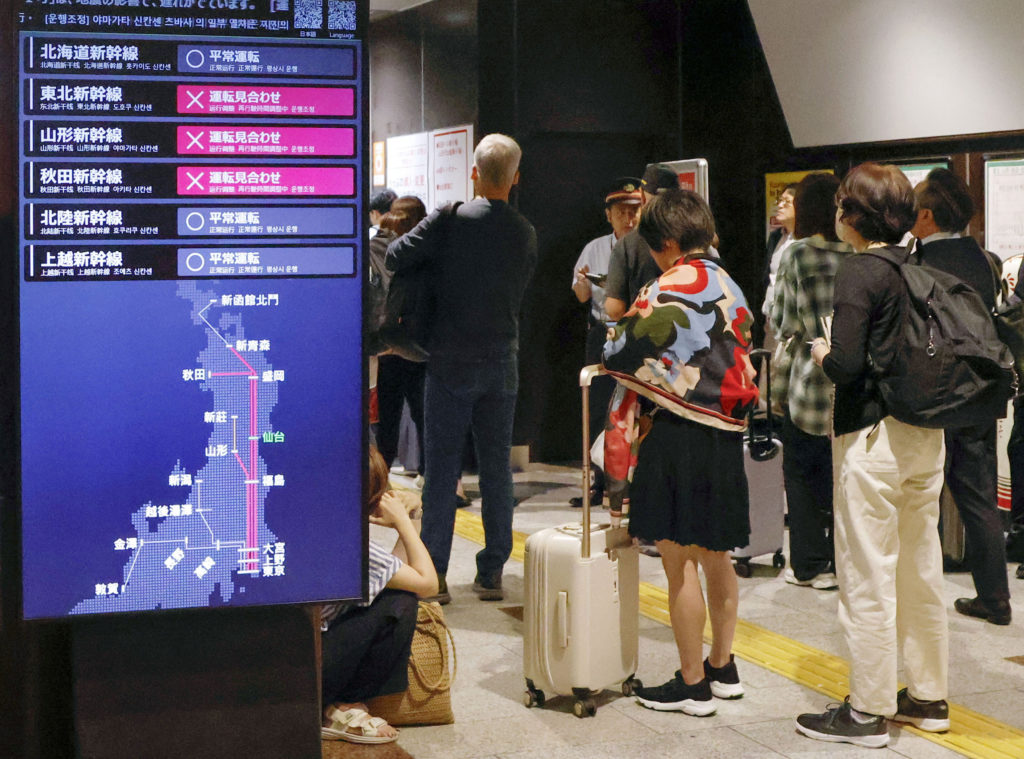
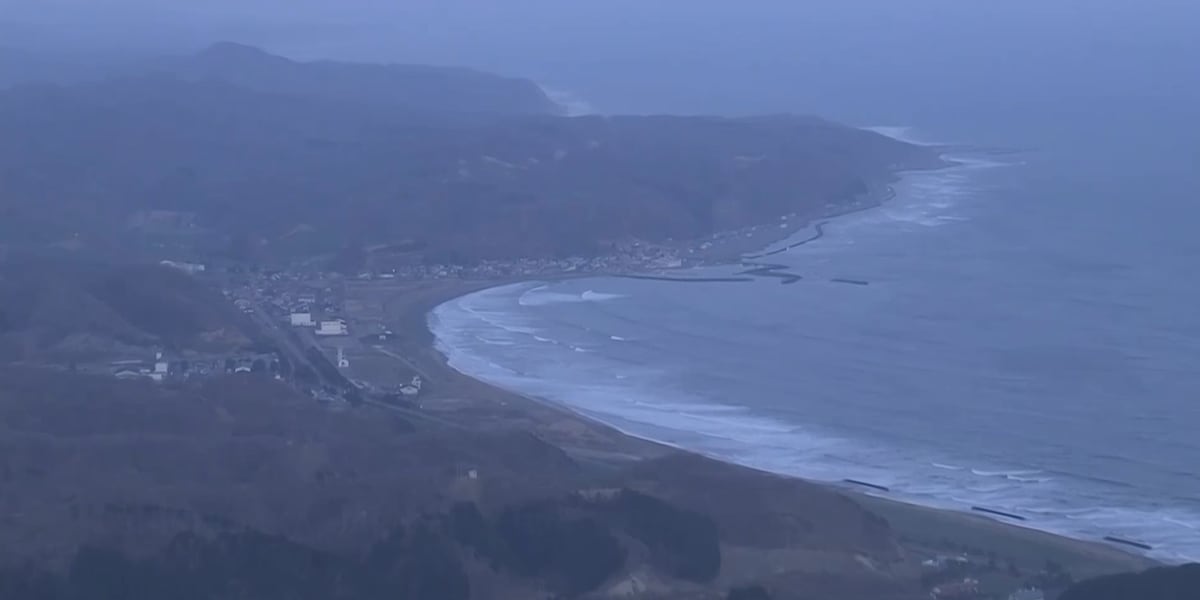
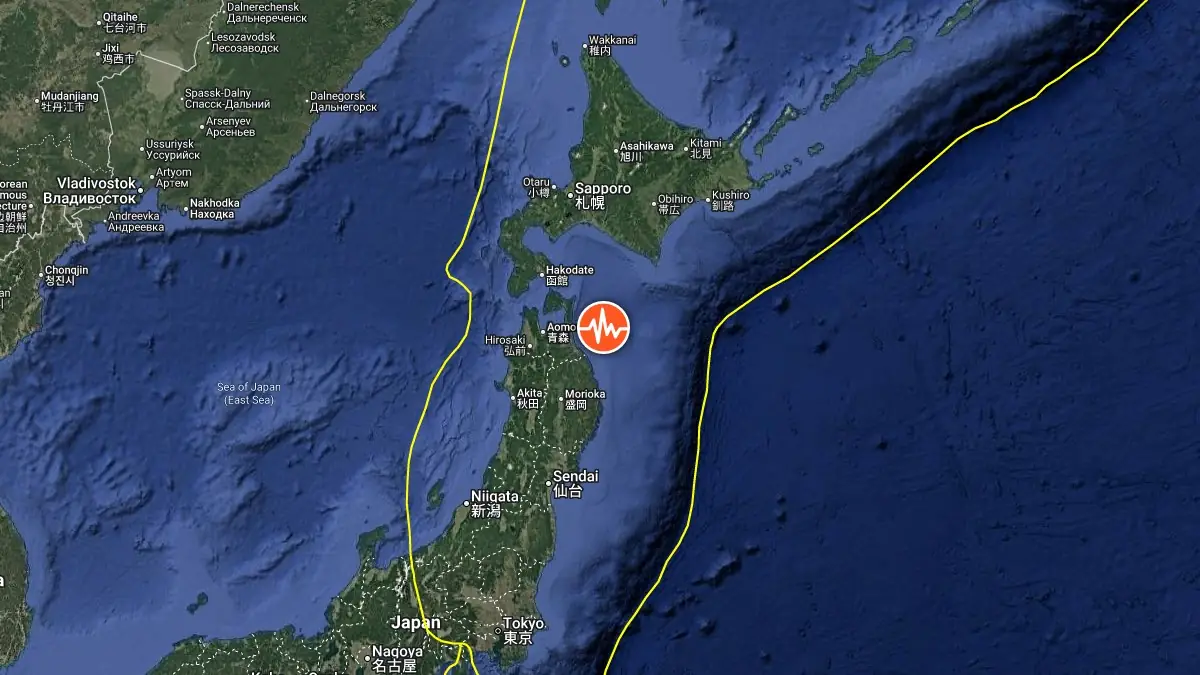
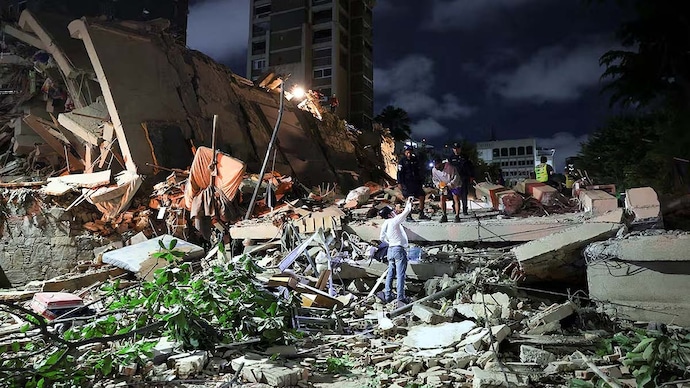
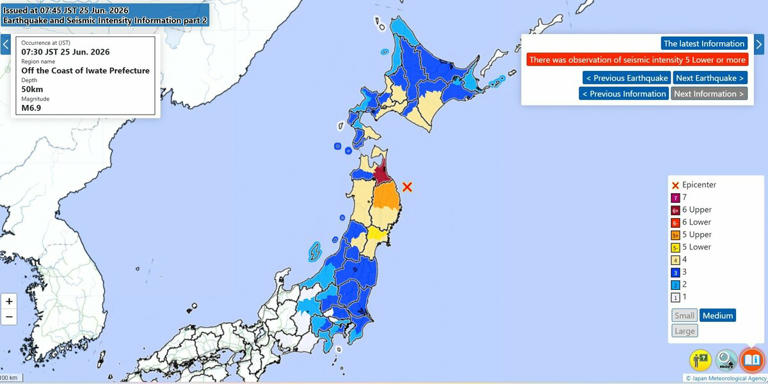
On June 25, 2026, a powerful earthquake struck off the eastern coast of Iwate in northeastern Japan, prompting Prime Minister Sanae Takaichi to issue official safety guidance. While no tsunami warnings were issued—limiting coastal port disruptions—the seismic event underscores critical supply chain vulnerabilities for cross-border e-commerce sellers operating in or sourcing from Japan. This earthquake represents the type of infrastructure stress test that reveals operational fragility in Japan's e-commerce ecosystem, which processes over $200B in annual transactions across Amazon Japan, Rakuten, and Yahoo Shopping Japan.
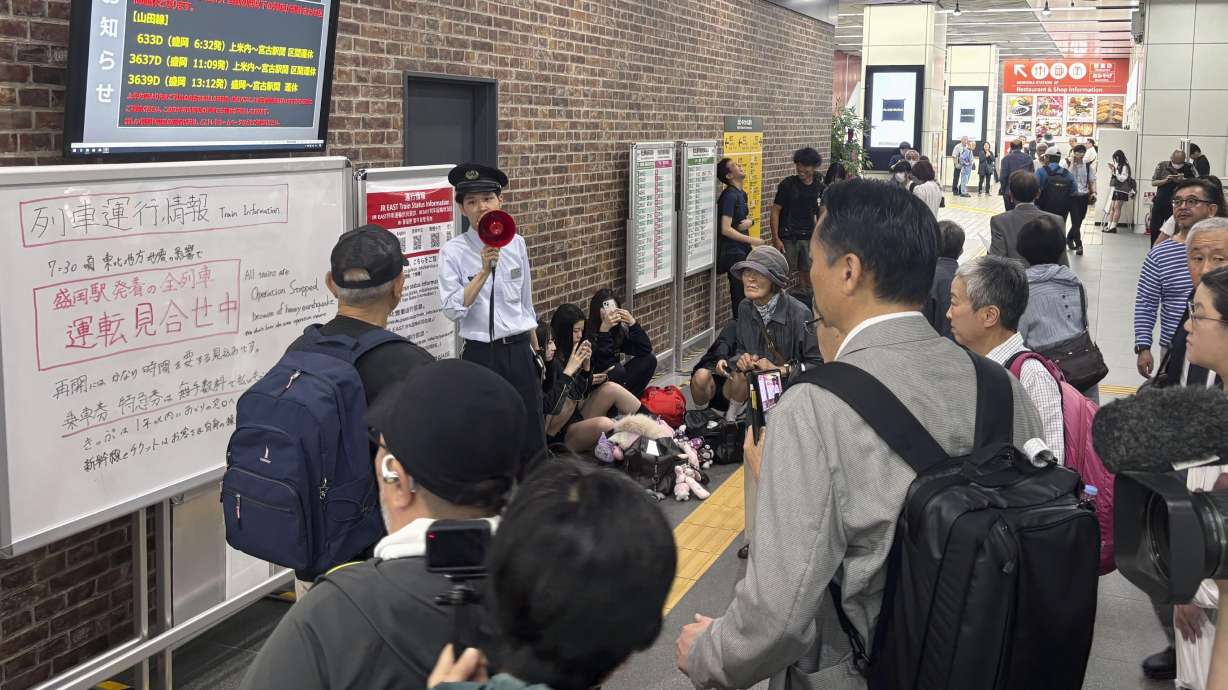
Immediate Logistics Impact: Sellers with FBA inventory in Iwate Prefecture or nearby fulfillment centers face temporary warehouse access restrictions and potential 3-7 day order processing delays. Japanese 3PL providers typically activate disaster recovery protocols within 4-6 hours, but manual inventory verification and system synchronization can create 48-72 hour gaps in real-time stock visibility. Sellers relying on just-in-time inventory models are particularly vulnerable; those maintaining 15-20 day safety stock buffers experience minimal disruption. The absence of tsunami warnings is strategically significant—it preserves functionality at major ports (Sendai, Niigata) that handle 35-40% of Japan-bound imports, preventing the 2-3 week maritime logistics delays typical of coastal disasters.
Category-Specific Vulnerabilities: Electronics and appliance sellers face the highest risk due to concentrated manufacturing in Iwate and Nagano prefectures (semiconductor components, precision equipment). Beauty and personal care sellers experience moderate risk through supply chain dependencies on Japanese ingredient suppliers. Apparel and home goods sellers show lower exposure unless they source from Iwate-based textile mills or logistics hubs. Sellers should immediately verify supplier status with local partners in affected regions and confirm warehouse operational status through Amazon Seller Central notifications and Rakuten Merchant Services alerts.
Strategic Seller Actions: Monitor official announcements from major platforms for service restoration timelines (typically 24-48 hours for non-coastal facilities). Diversify inventory across multiple fulfillment centers to reduce single-region dependency. Consider temporary price adjustments (+5-8%) for products with extended delivery windows to manage customer expectations. Sellers with operations in Iwate should activate business continuity contacts and verify insurance coverage for inventory held in affected warehouses. Japan's advanced infrastructure typically enables rapid recovery—similar 2024 seismic events saw full operational restoration within 5-7 days—but proactive communication with customers prevents negative reviews and Buy Box loss during recovery periods.
Questions 8
How do Japanese e-commerce platforms handle disaster recovery?
**Amazon Japan, Rakuten, and Yahoo Shopping Japan** activate disaster recovery protocols within 4-6 hours of seismic events, with partial service resuming in 24-48 hours and full restoration typically within 5-7 days. These platforms maintain redundant systems and backup fulfillment centers to minimize disruption. However, manual inventory verification and system synchronization create 48-72 hour gaps in real-time stock visibility. Sellers should monitor official platform announcements for facility-specific timelines and expect temporary order processing delays. Japan's advanced infrastructure and established earthquake response protocols significantly reduce recovery time compared to other regions.
What is the difference between tsunami risk and earthquake logistics impact?
Tsunami risk affects coastal ports and maritime shipping (2-3 week delays typical), while earthquake logistics impact affects inland warehouses and fulfillment centers (3-7 day delays typical). The June 2026 Iwate earthquake triggered no tsunami warnings, meaning major ports at Sendai and Niigata remain operational and can continue processing imports. However, inland facilities in Iwate face temporary access restrictions and system synchronization delays. Sellers should distinguish between these risks: coastal earthquakes threaten port operations; inland earthquakes threaten warehouse access and inventory visibility.