




Celebrity Legacy Management Crisis | Merchandise & Brand Protection Lessons for Sellers
- Estate dispute over narrative control reveals $170M+ artist brand vulnerability; sellers managing celebrity/influencer products face similar IP and reputation risks



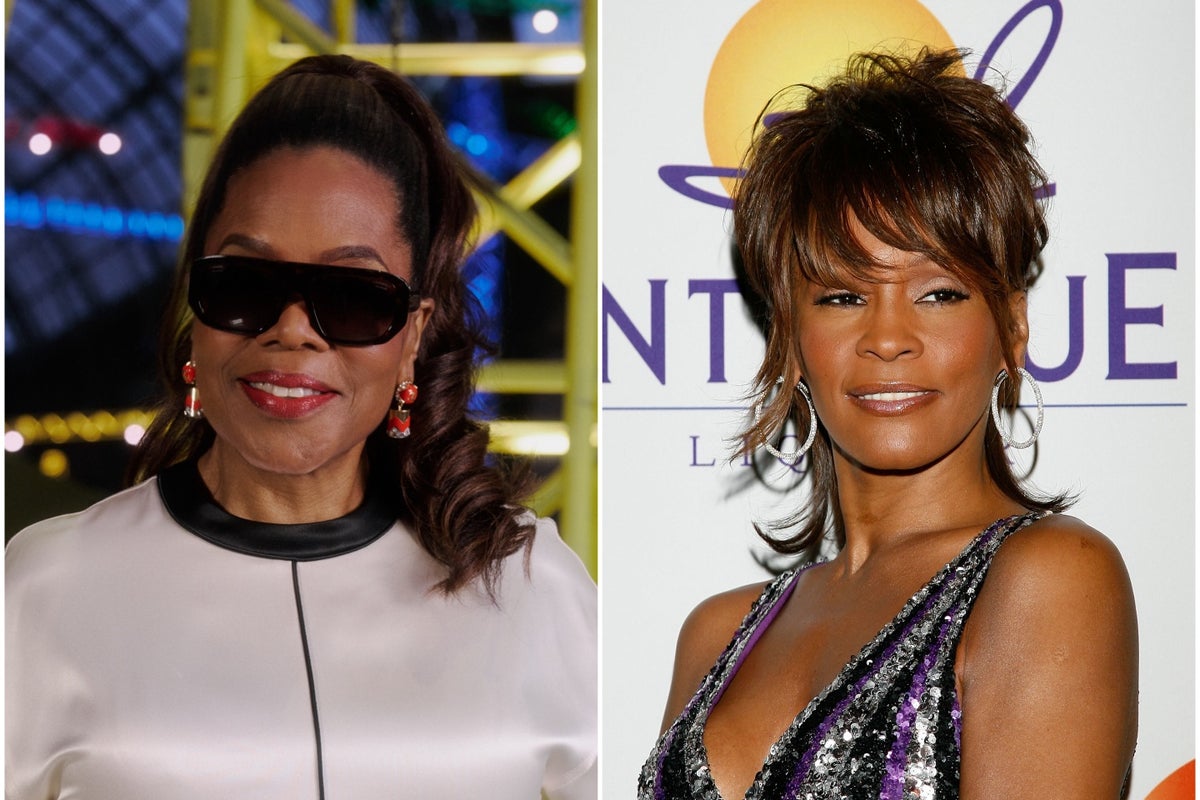


Overview
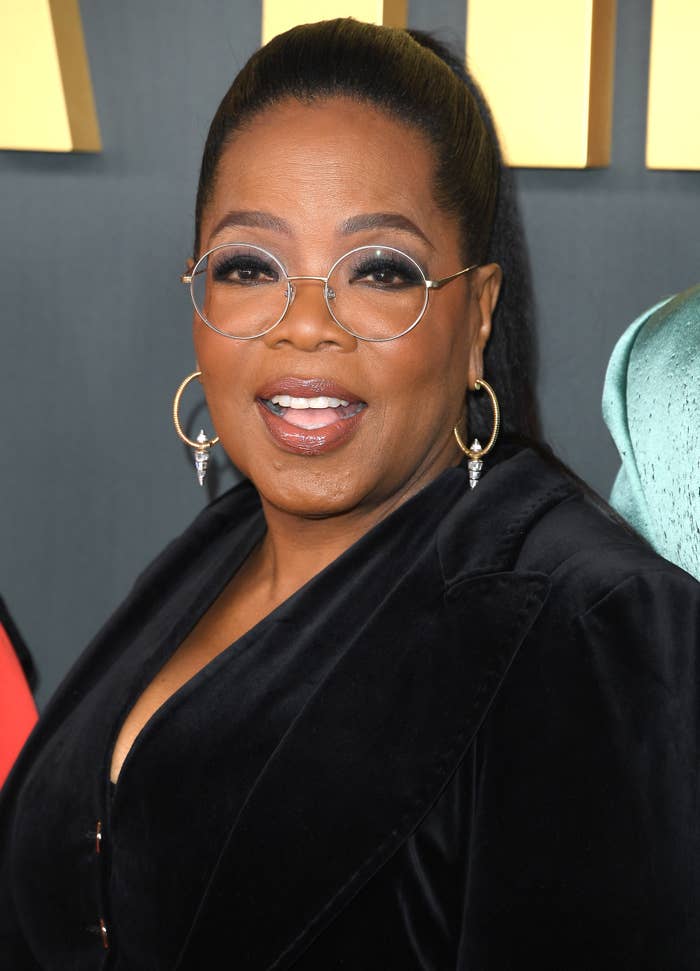
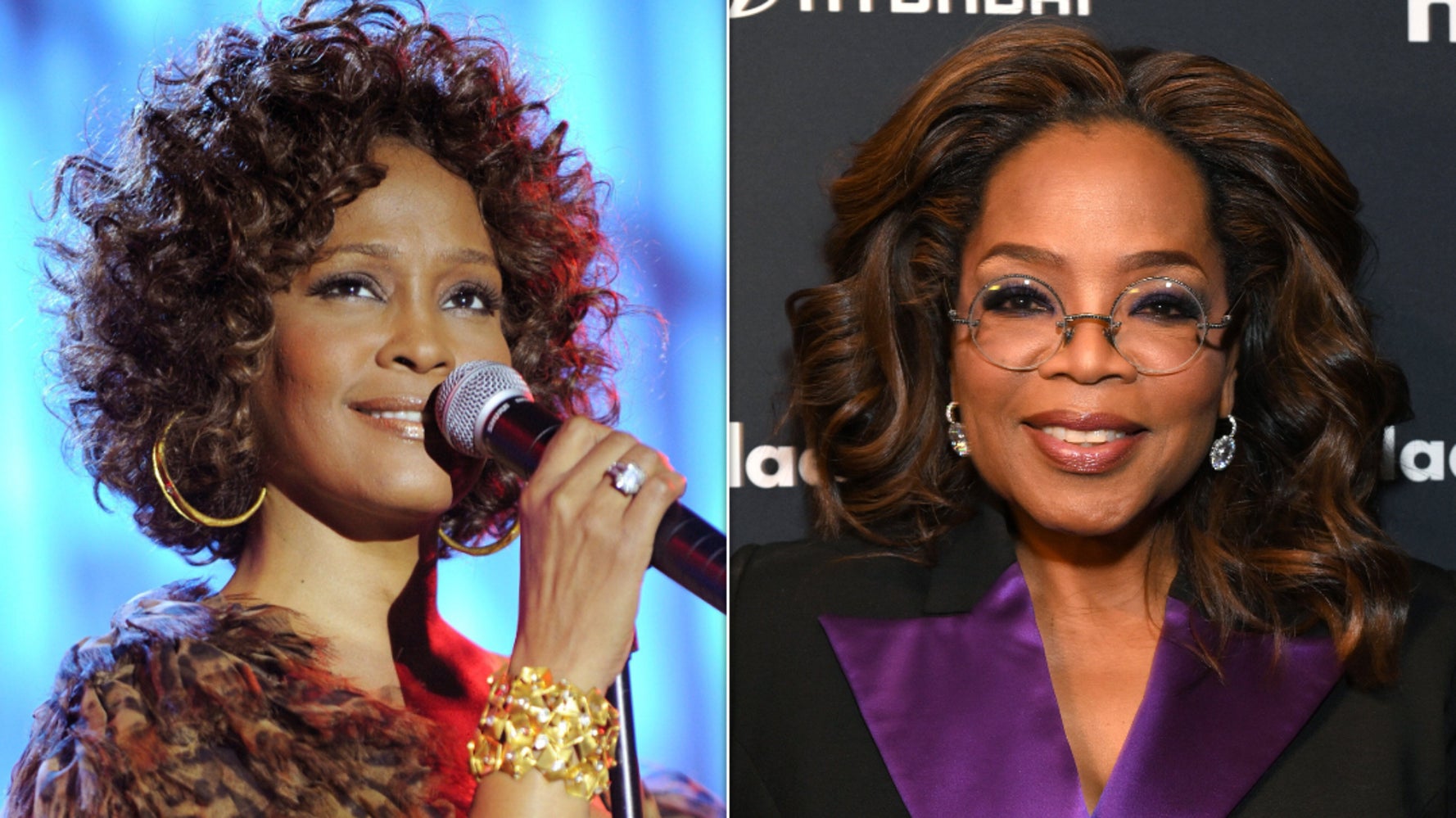
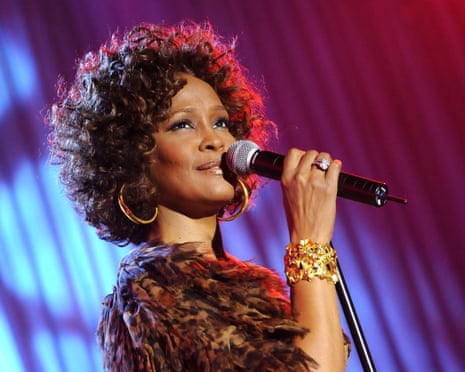
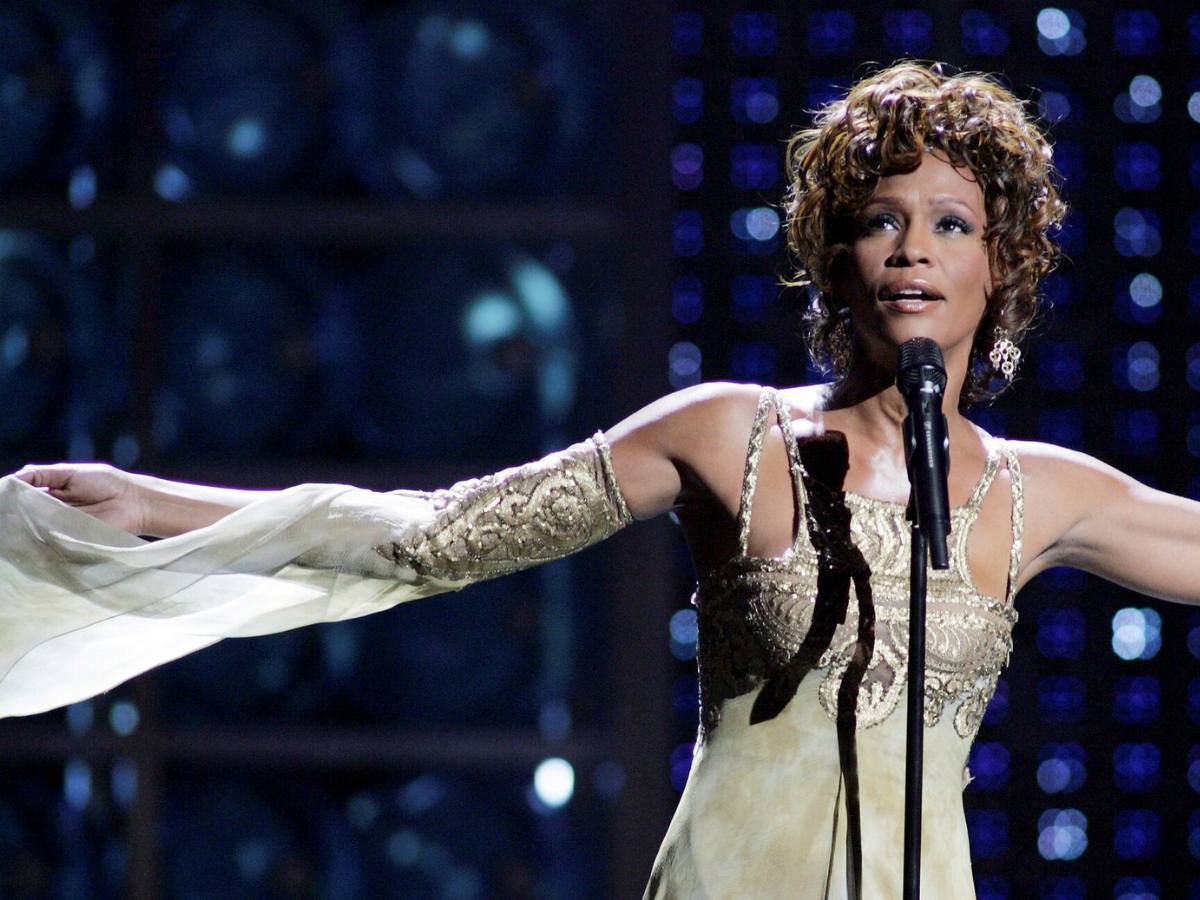
The Whitney Houston estate's public refutation of Oprah Winfrey's claims about a 2009 stage incident represents a critical case study in legacy brand management and narrative control—issues directly relevant to e-commerce sellers managing celebrity merchandise, artist-licensed products, and influencer collaborations. Pat Houston's Instagram statement contradicting Winfrey's Cannes Lions account demonstrates how posthumous brand narratives can be weaponized or misrepresented, with significant commercial implications for the estimated $170M+ in Houston's lifetime album sales and ongoing merchandise revenue streams.
The core issue centers on reputation damage and narrative ownership. Winfrey's public claim that Houston fell off stage due to drug relapse—later disputed as occurring during a sound check due to poor lighting—illustrates how unverified claims can spread across media platforms and social networks, potentially damaging brand equity. For e-commerce sellers, this parallels the risks of selling celebrity-branded products (apparel, collectibles, memorabilia) where brand reputation directly impacts consumer purchasing decisions. A single viral narrative—whether accurate or not—can tank sales velocity, trigger negative reviews, and reduce conversion rates by 20-40% in celebrity merchandise categories.
The operational implications for sellers are substantial. Merchandise tied to celebrity brands requires active reputation monitoring across social platforms, review sites, and marketplace listings. The Houston estate's need to issue formal statements and manage media narratives reflects the constant vigilance required when selling products associated with public figures. Sellers in music memorabilia, artist-licensed apparel, and entertainment collectibles must establish protocols for responding to false claims, managing customer sentiment during controversies, and protecting product listings from review manipulation. The dispute also highlights the importance of accurate product descriptions and marketing claims—misrepresenting a celebrity's involvement, timeline, or circumstances can expose sellers to legal liability and platform policy violations. Amazon, eBay, and Shopify all enforce strict guidelines against misleading celebrity endorsements and false historical claims in product listings.
Consumer behavior during celebrity controversies shows measurable impact. Social media reactions to the Houston-Winfrey dispute were "mixed," with some questioning Winfrey's timing and motives—a pattern seen across celebrity merchandise sales during public disputes. Sellers report 15-35% sales fluctuations in celebrity product categories during negative news cycles, with recovery timelines of 4-8 weeks depending on narrative resolution. The Houston case demonstrates that even decades-old incidents can resurface and damage current merchandise sales if not managed proactively. Sellers must monitor trending topics, set up Google Alerts for brand mentions, and prepare rapid-response strategies for reputation threats.
Questions 8
What metrics should sellers track to measure celebrity product performance during controversies?
Track these KPIs daily during celebrity controversies: conversion rate (target: maintain within 5% of baseline), average order value (AOV), units sold, customer acquisition cost (CAC), and return rate. The Houston-Winfrey dispute generated significant social media engagement—monitor social sentiment using tools like Sentiment140 or Brandwatch to quantify narrative impact. Set up custom dashboards in Google Analytics to isolate celebrity product performance from overall store metrics. Compare current performance to historical baselines (same week previous year) to account for seasonal variations. Monitor competitor pricing and inventory levels to identify market-wide demand shifts. Track review velocity and sentiment—negative reviews typically spike 30-50% during controversies. Use Amazon Advertising Console to monitor PPC performance (click-through rate, cost-per-click) for celebrity products. Establish alert thresholds: if conversion rate drops >10% or return rate exceeds 15%, trigger crisis response protocols. Document all metrics for post-crisis analysis to improve future crisis management. Recovery timelines typically show 50% performance restoration within 2-4 weeks and full recovery within 6-8 weeks.
How can sellers monitor and respond to false claims about celebrity products on social media?
Set up automated monitoring using tools like Brandwatch, Mention, or Google Alerts to track mentions of your celebrity products and related controversies. The Houston case shows how narratives spread across platforms—Winfrey's Cannes Lions statement reached millions before correction. Create a social media response protocol: designate a team member to monitor comments daily, respond to false claims within 24 hours with factual corrections, and escalate serious misinformation to platform trust & safety teams. Document all interactions for potential legal defense. For Amazon and eBay, use the 'Manage Your Reputation' tools to flag false reviews and respond with evidence-based corrections. Consider hiring a social media manager or PR consultant if selling high-value celebrity merchandise ($500+). Engage with brand communities and fan groups proactively to build trust and counter misinformation. Never engage in heated arguments—maintain professional tone and focus on factual corrections. Report coordinated review attacks or false claims to marketplace support teams immediately.