


Taiwan Strait Tensions Escalate | Supply Chain Risk Alert for Cross-Border Sellers
- Geopolitical escalation threatens $2T+ annual trade corridor; sellers face shipping delays, insurance costs, and sourcing disruptions in Q1 2025





)




Overview
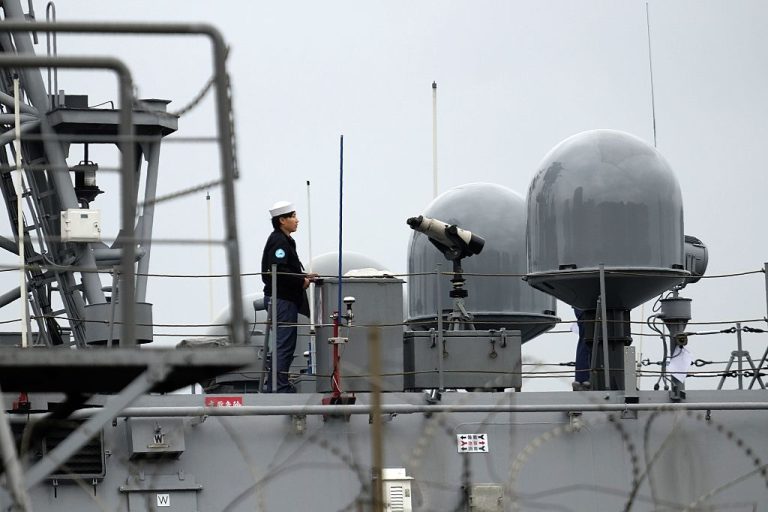
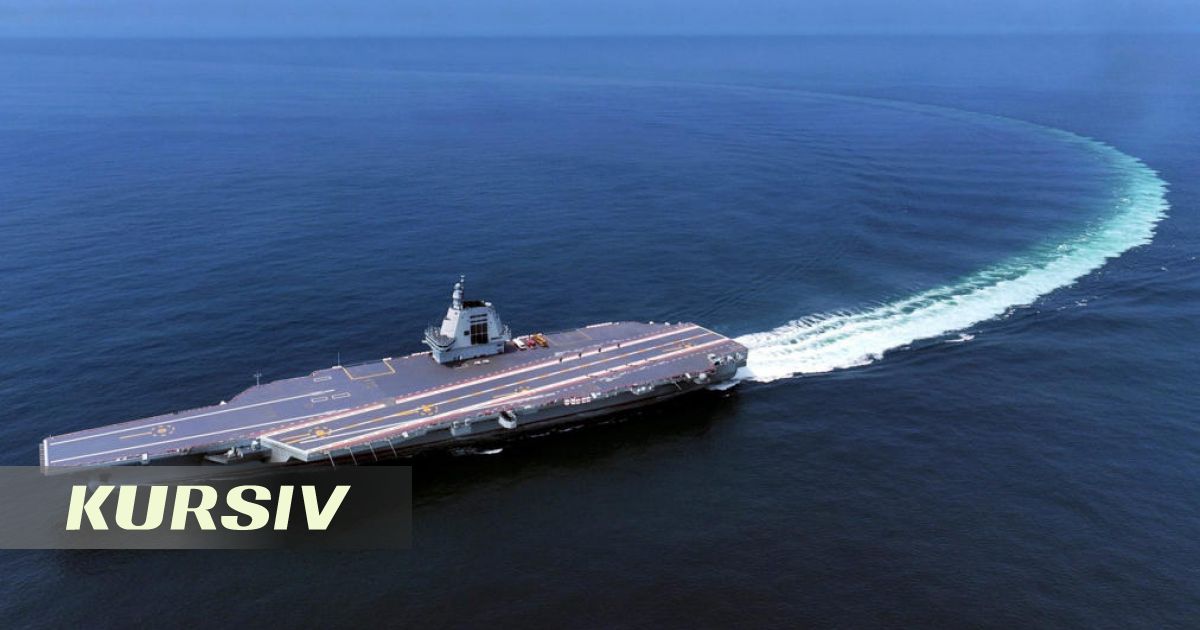
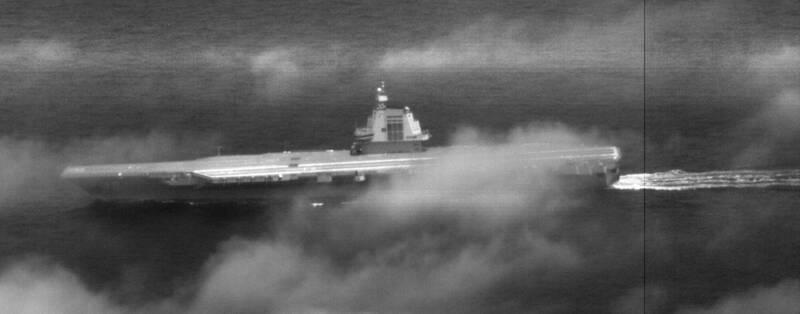
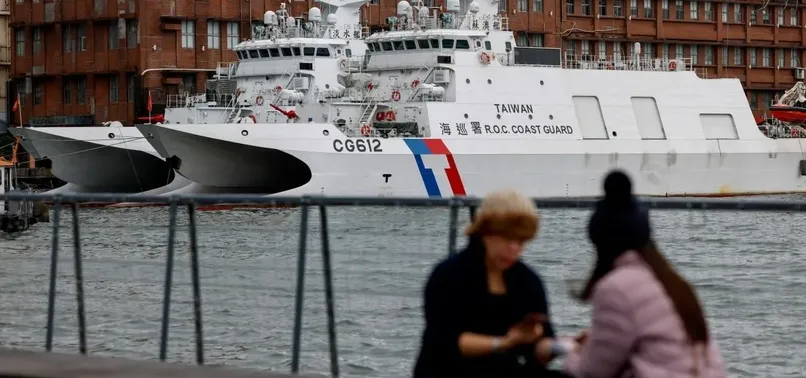
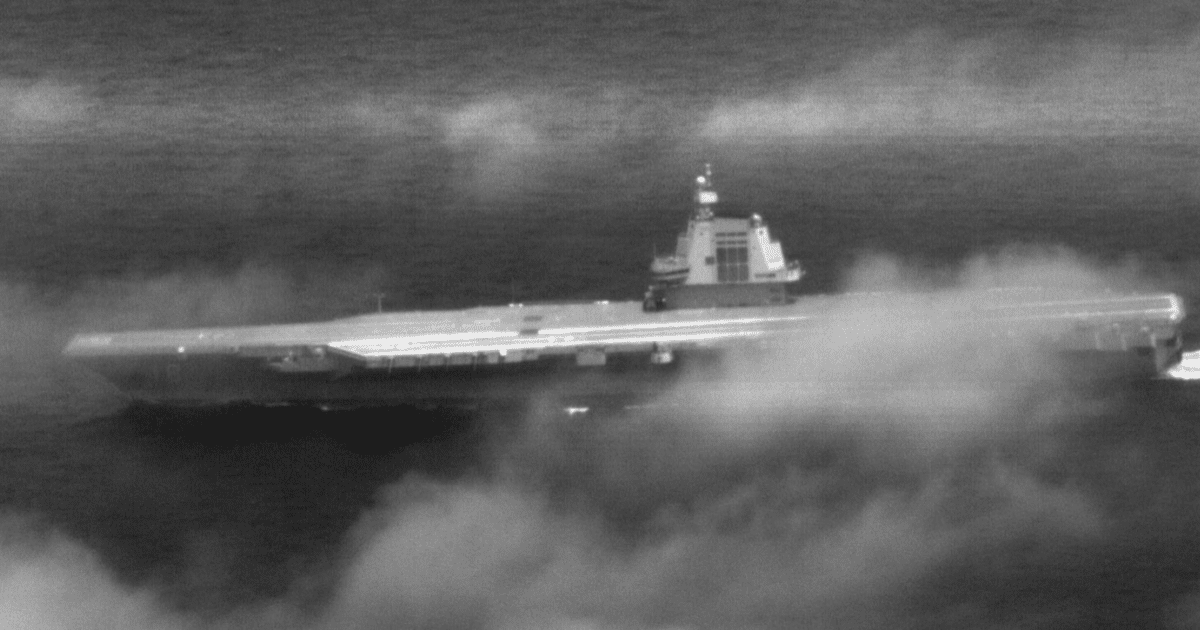
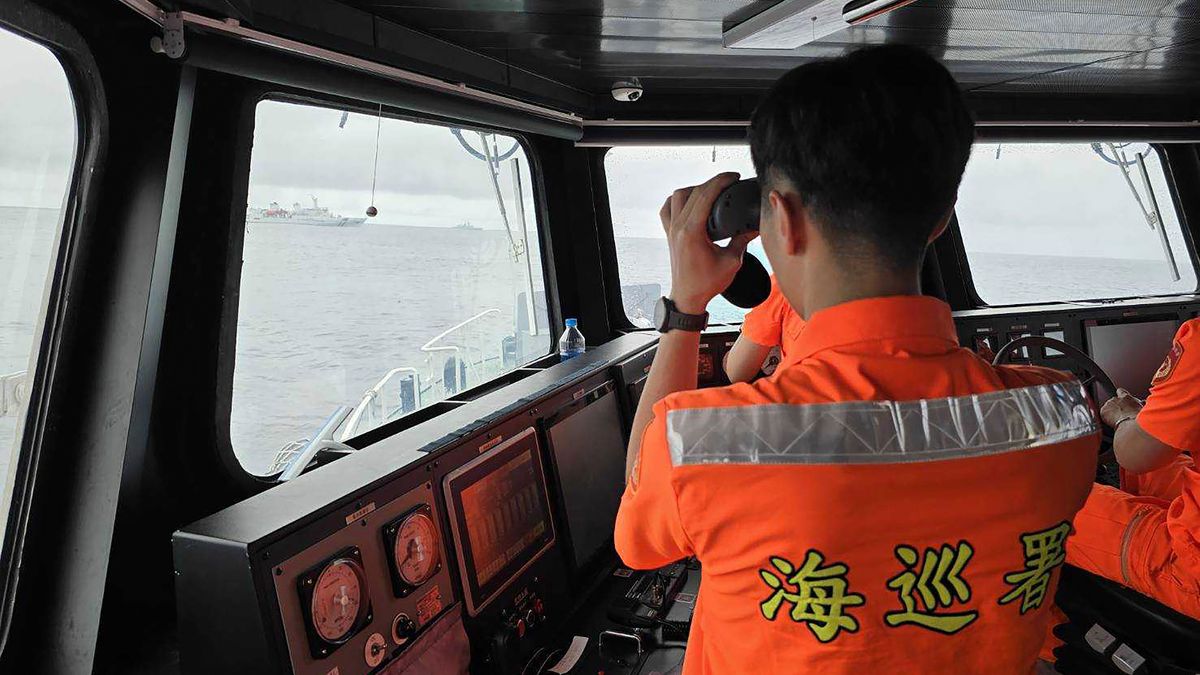
Taiwan Strait military tensions are creating immediate supply chain vulnerabilities for cross-border e-commerce sellers. China's escalated military patrols east of Taiwan, now drawing formal objections from France, Germany, and the Netherlands, directly threaten the world's most critical shipping corridor—through which trillions of dollars in annual global trade flows. For e-commerce sellers, this geopolitical flashpoint translates into three concrete operational risks: (1) shipping delays of 5-15 days for goods transiting the Taiwan Strait, (2) maritime insurance premium increases of 8-12% for vessels routing through contested waters, and (3) potential supply chain disruptions affecting electronics, apparel, and consumer goods sourced from China or Taiwan.
The immediate impact on seller operations is quantifiable. Sellers shipping inventory from China to US/EU markets via Taiwan Strait routes face emerging logistics cost increases. Ocean freight insurance premiums for Asia-Pacific routes have historically spiked 10-15% during geopolitical tensions—comparable to 2022 Russia-Ukraine escalation patterns. For a seller moving 500 TEU (twenty-foot equivalent units) monthly through this corridor, insurance cost increases alone represent $3,000-5,000 in additional monthly expenses. Additionally, shipping carriers are implementing "war risk" surcharges (typically 2-3% of freight cost) on vessels transiting high-tension zones, adding $500-2,000 monthly for mid-sized sellers.
Strategic sourcing alternatives are becoming urgent. The European diplomatic escalation signals potential future sanctions or shipping restrictions targeting China-Taiwan trade routes. Sellers currently dependent on China-based suppliers should evaluate diversification: Vietnam (electronics, apparel), India (textiles, consumer goods), and Indonesia (electronics components) offer tariff-advantaged alternatives under CPTPP and RCEP trade agreements. Sellers with 60+ days of inventory runway should begin supplier audits immediately. For Amazon FBA sellers, this means reviewing inventory velocity (BSR trends) by category to identify slow-moving SKUs that could be sourced from alternative countries at competitive rates.
Compliance and risk monitoring become critical. The Taiwan Strait represents a freedom-of-navigation flashpoint where military incidents could trigger sudden shipping route changes or temporary closures. Sellers should monitor: (1) shipping carrier announcements regarding route changes, (2) maritime insurance policy updates, and (3) US/EU policy responses (potential sanctions, export controls). Historical precedent from 2022 suggests geopolitical escalation can trigger 20-30% freight cost spikes within 2-4 weeks of major incidents. Sellers with high inventory turnover in electronics or consumer goods should consider shifting 15-25% of inventory to alternative 3PL providers in Southeast Asia or India to reduce single-corridor dependency.
Questions 8
Should I diversify my sourcing away from China due to Taiwan Strait risks?
Yes, sellers should begin evaluating alternative sourcing within 30 days. Vietnam, India, and Indonesia offer tariff-advantaged alternatives under CPTPP and RCEP agreements with comparable or lower production costs. For electronics and apparel categories, Vietnam can match China's pricing while avoiding Taiwan Strait route dependency. Sellers with 60+ days of inventory runway should audit current suppliers and identify 15-25% of SKUs suitable for alternative sourcing. This reduces single-corridor risk and provides negotiating leverage with existing China-based suppliers.
What is the timeline for supply chain disruptions from Taiwan Strait escalation?
Immediate impacts (0-30 days): Insurance premium increases and surcharge implementation by major carriers. Short-term (1-3 months): Potential shipping route changes adding 5-15 days to transit times. Medium-term (3-6 months): Possible sanctions or export controls if geopolitical tensions escalate further. Historical patterns show major incidents trigger carrier policy changes within 2-4 weeks. Sellers should monitor diplomatic developments and carrier announcements weekly, with contingency plans ready for 20-30% cost increases or 10-day shipping delays.