



Split-Second Decisions: How Penalty Dynamics Reshape NFL Competitive Landscapes
- Revealing the High-Stakes Moments That Determine Team Fortunes in Professional Football









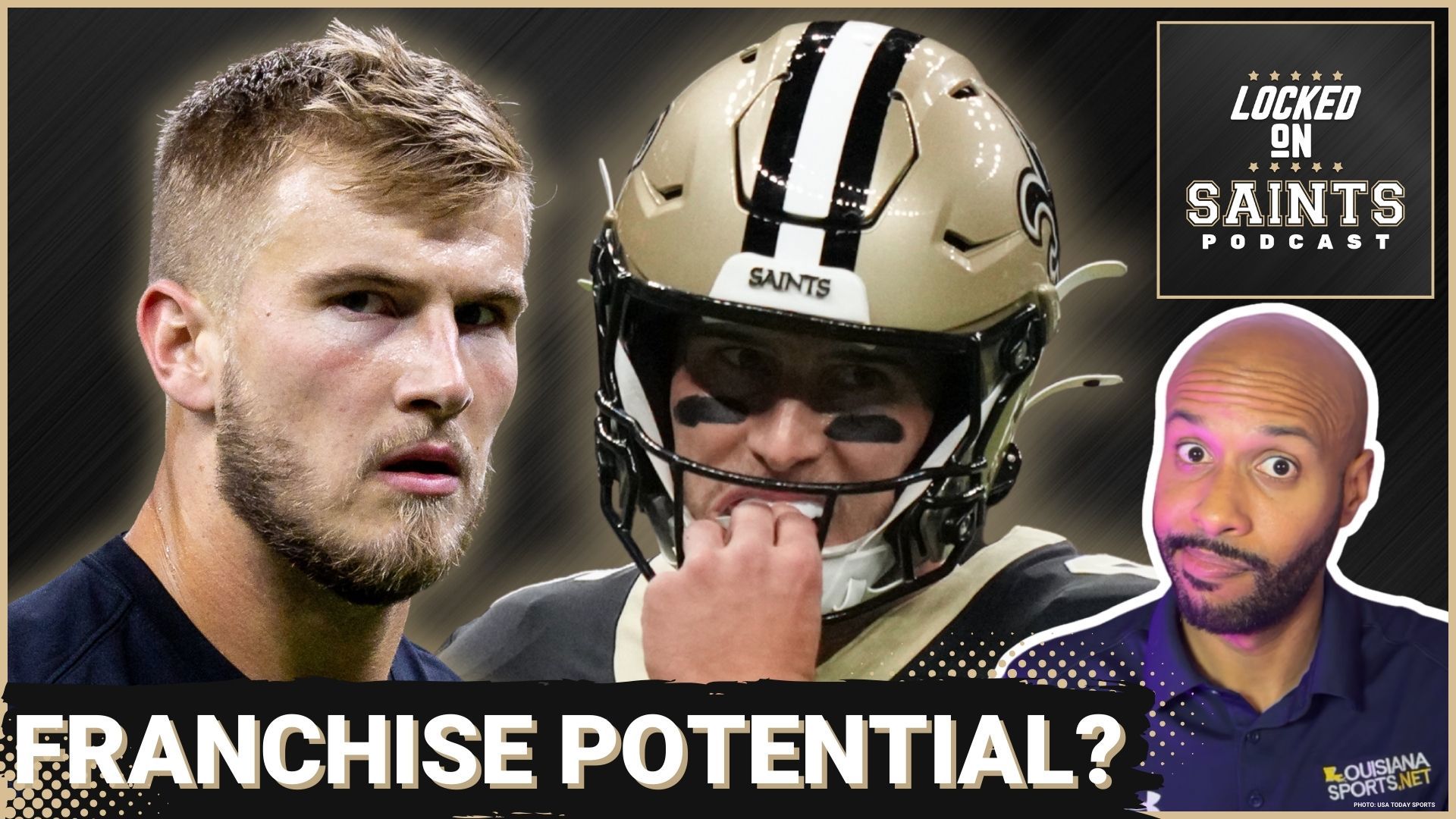
Overview
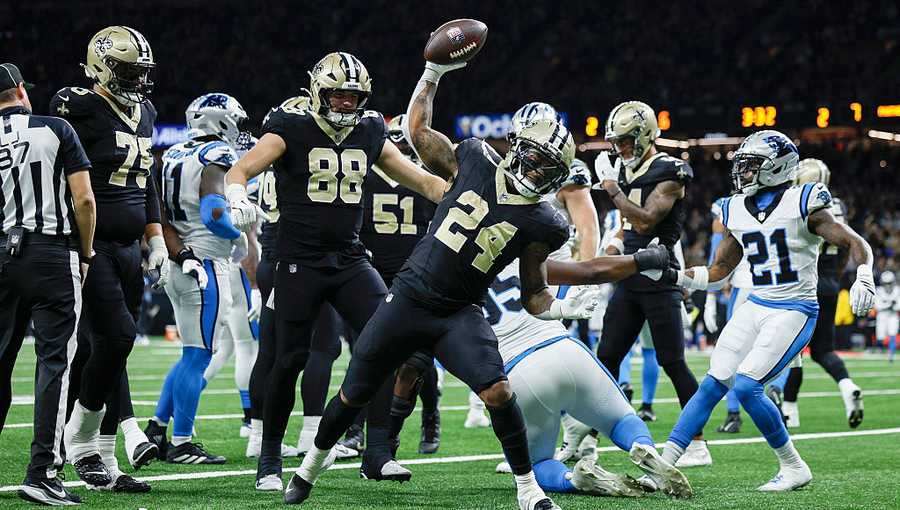
In the razor-thin margins of professional football, strategic moments can transform entire game trajectories, as dramatically illustrated by the recent Panthers-Saints matchup. The critical penalty against Panthers rookie safety Lathan Ransom represents more than just a single play—it epitomizes the complex decision-making landscape where athletes navigate increasingly nuanced regulatory environments.
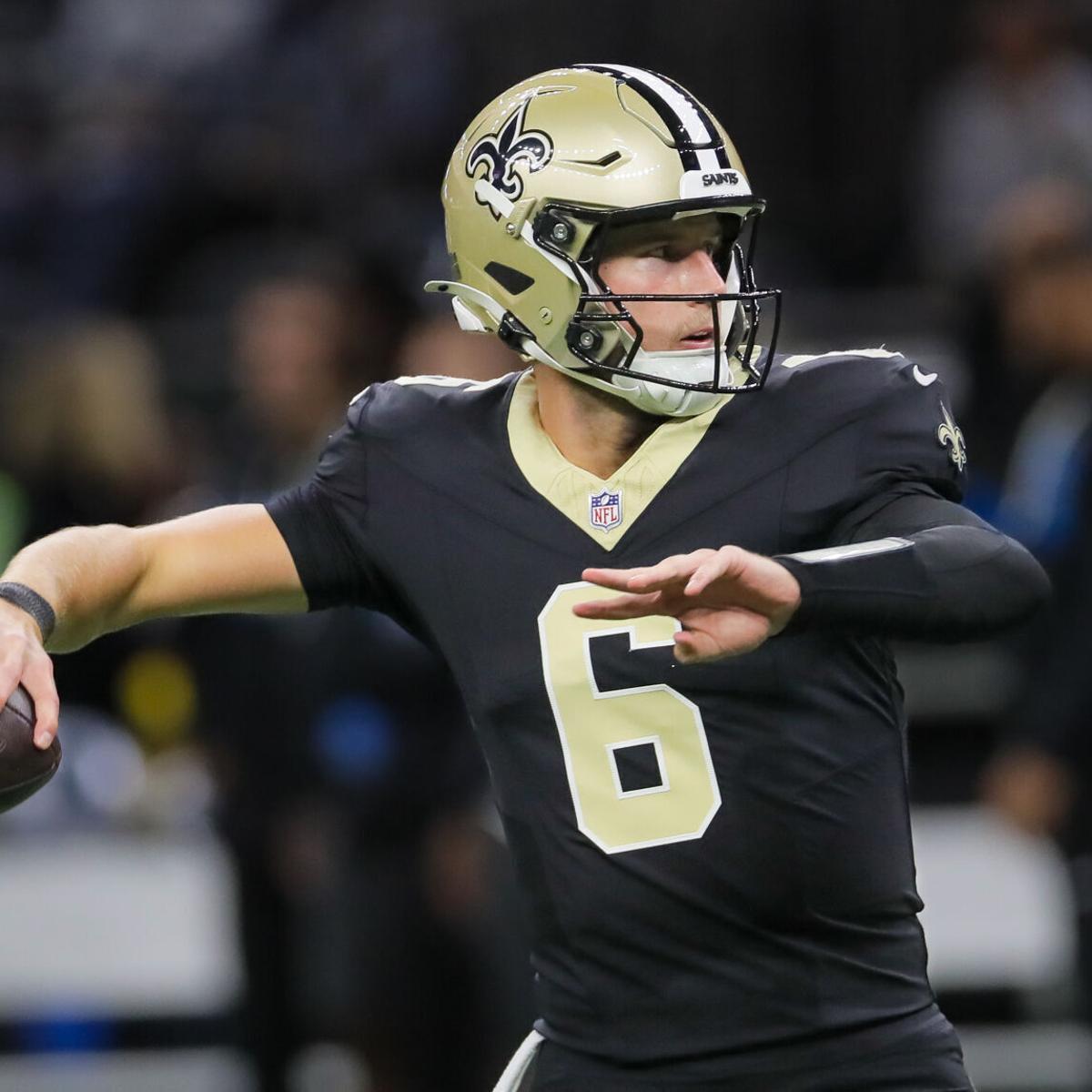
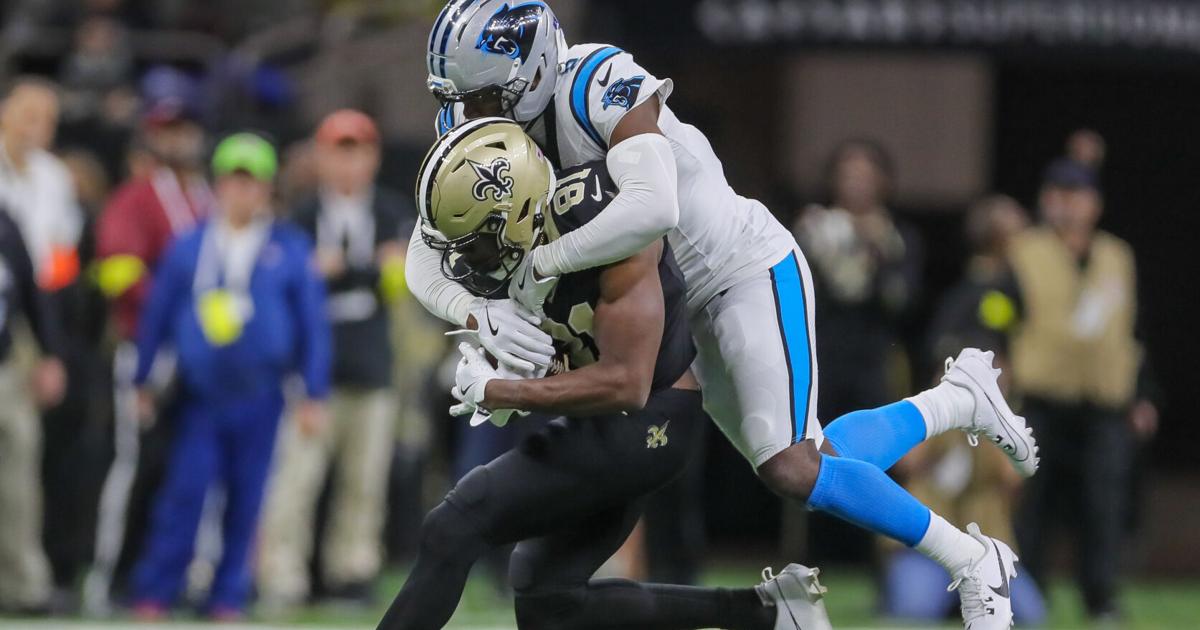
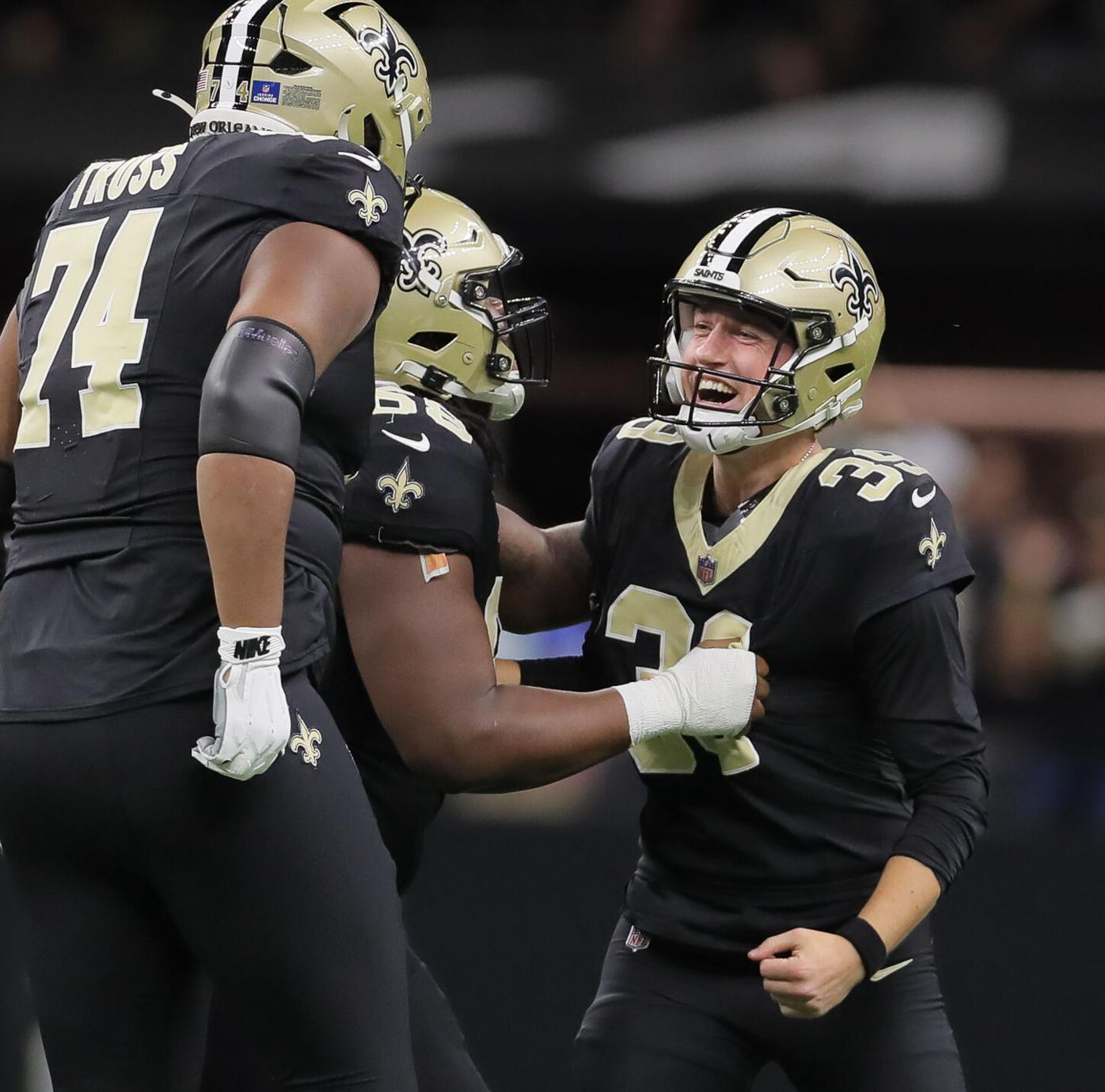
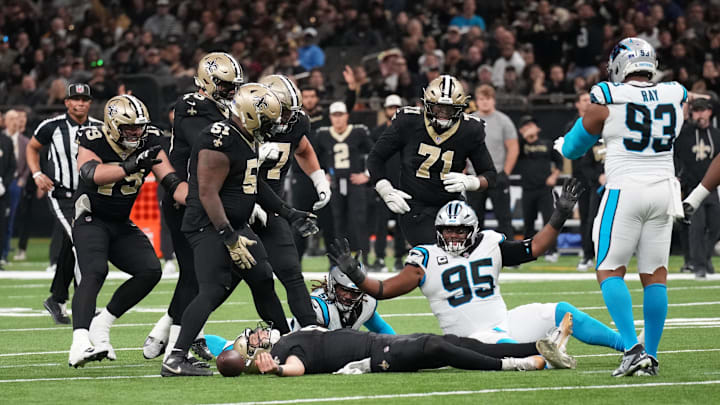
Penalty Dynamics emerge as a pivotal strategic factor in modern NFL competitions. With just 12 seconds remaining in a tied 17-17 game, Ransom's late hit on sliding quarterback Tyler Shough shifted the entire match's outcome. The unnecessary roughness call moved the ball 19 yards, converting what would have been a challenging 62-yard field goal attempt into a manageable 47-yard kick for Saints kicker Charlie Smyth. This single moment transformed potential defeat into victory, underscoring how split-second decisions can determine divisional standings.
The incident reveals a broader competitive landscape where quarterback protection has become a paramount concern. Defenders now operate in an increasingly complex interpretative space, where the difference between a legal tackle and a game-changing penalty can be microseconds. Ransom's own acknowledgment—that he should have "not hit him"—highlights the psychological pressure modern defensive players face when interpreting rapidly evolving play situations.
The game's aftermath leaves the Panthers at 7-7, tied with the Tampa Bay Buccaneers in the NFC South division. Critically, they remain in control of their playoff path, with two of their remaining three games against the Buccaneers. This context transforms the penalty from a mere tactical error into a potentially season-defining moment, demonstrating how individual plays can cascade into broader competitive implications.
Strategic takeaway: In high-stakes professional sports, mastering regulatory nuance is as crucial as athletic skill. Teams that can consistently make disciplined, rule-aware decisions will gain competitive advantages that transcend individual game outcomes.
Questions 3
How can a single penalty dramatically alter an NFL game's outcome?
As demonstrated in the Panthers-Saints game, a late hit penalty can transform field goal distance from 62 to 47 yards, effectively changing the game's result. The unnecessary roughness call moved the ball 19 yards, making a previously challenging kick much more achievable for the kicker.
What challenges do defensive players face in modern NFL regulations?
Defensive players must now make split-second decisions while navigating complex quarterback protection rules. They must anticipate sliding movements, avoid unnecessary contact, and interpret rapidly changing play situations—all while maintaining competitive intensity.