


China-Bangladesh Zero-Tariff Trade Deal Opens $500M+ Market for Cross-Border Sellers
- December 2024 zero-tariff policy on 100 HS codes enables Bangladesh agricultural exports; Chinese investment surge creates logistics infrastructure opportunities for sellers in apparel, fresh produce, and pharmaceuticals










)










Overview
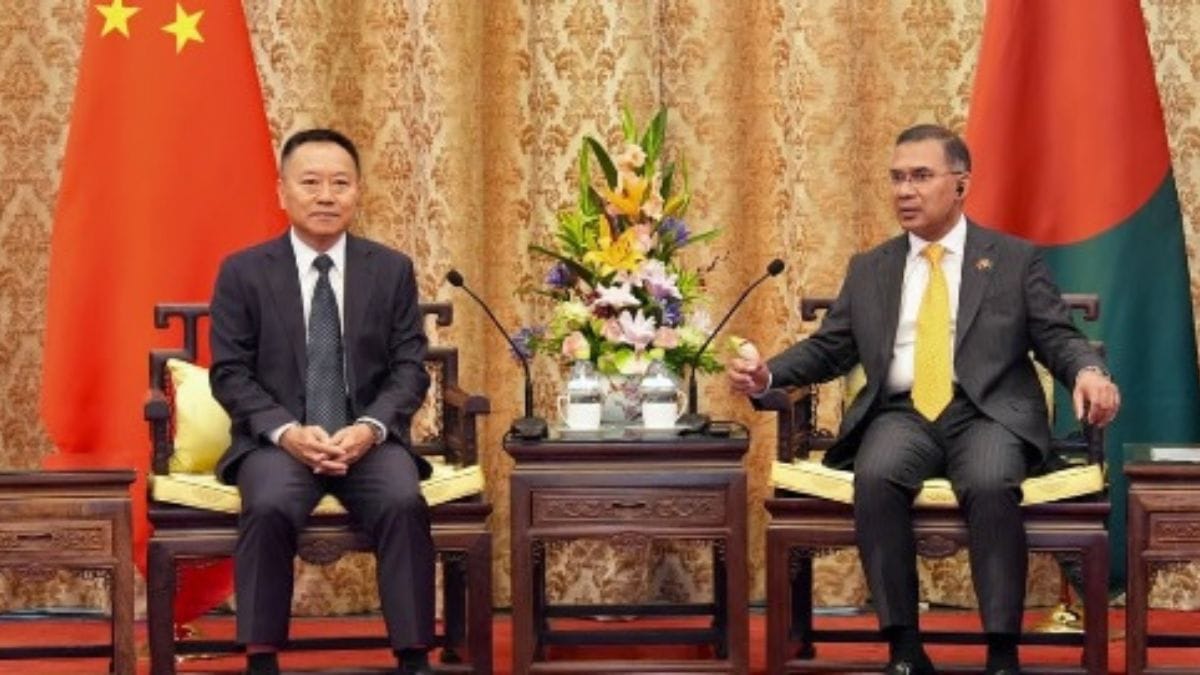
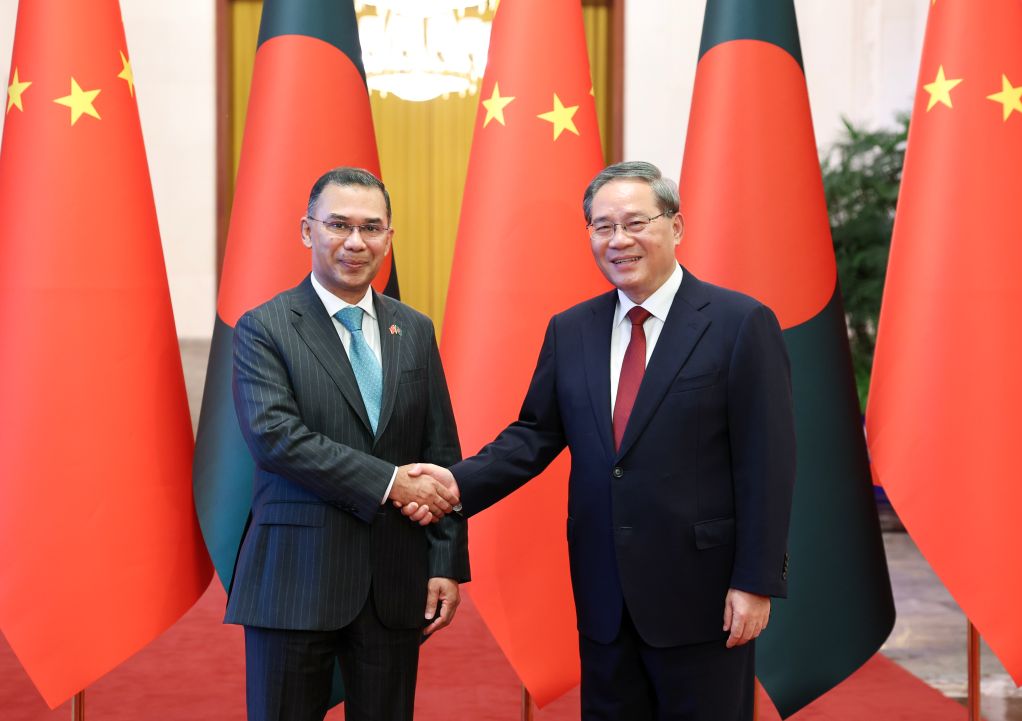
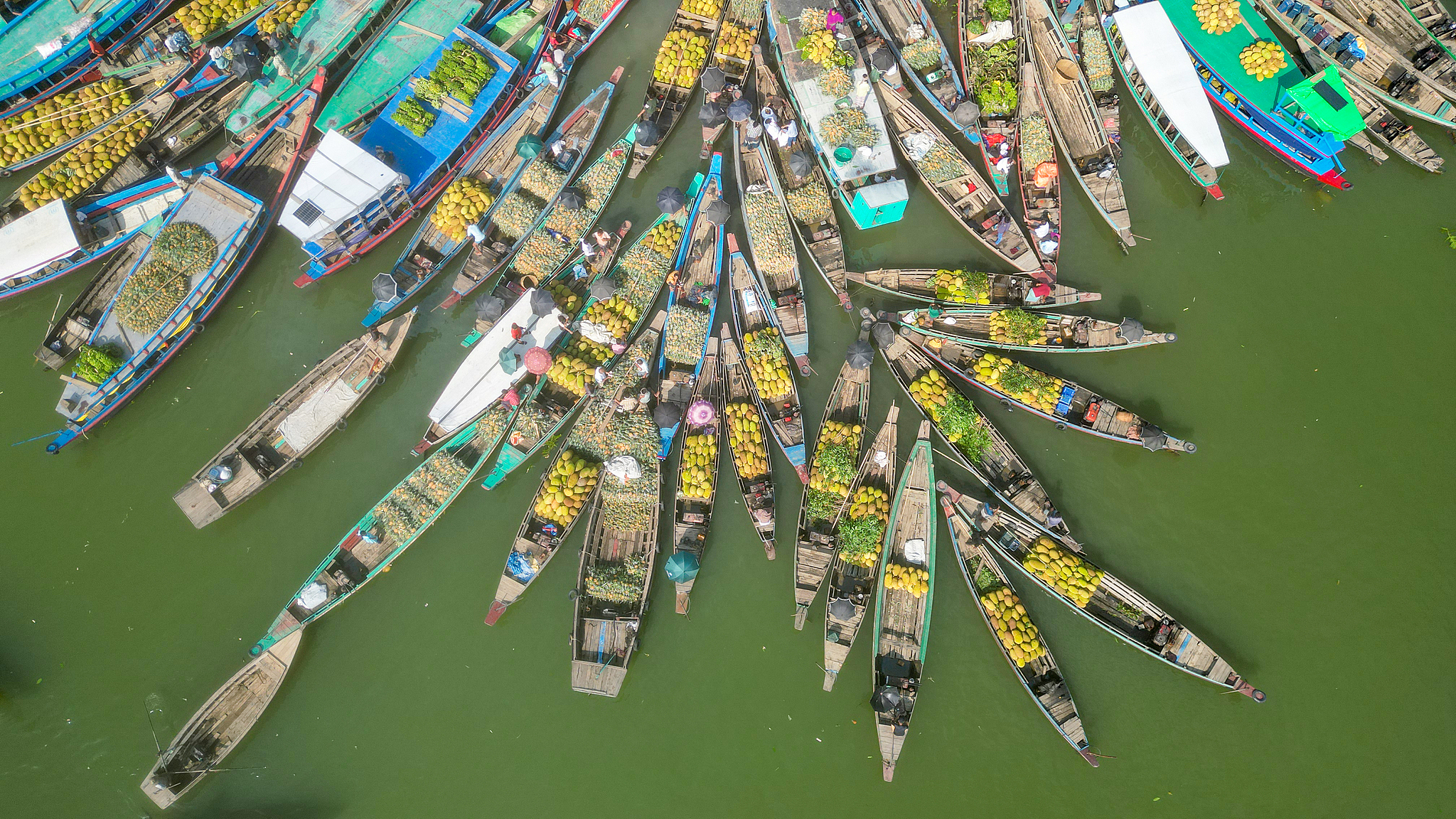
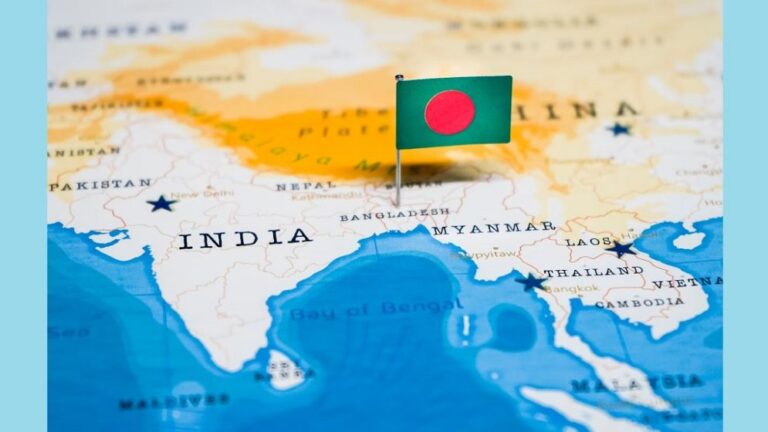
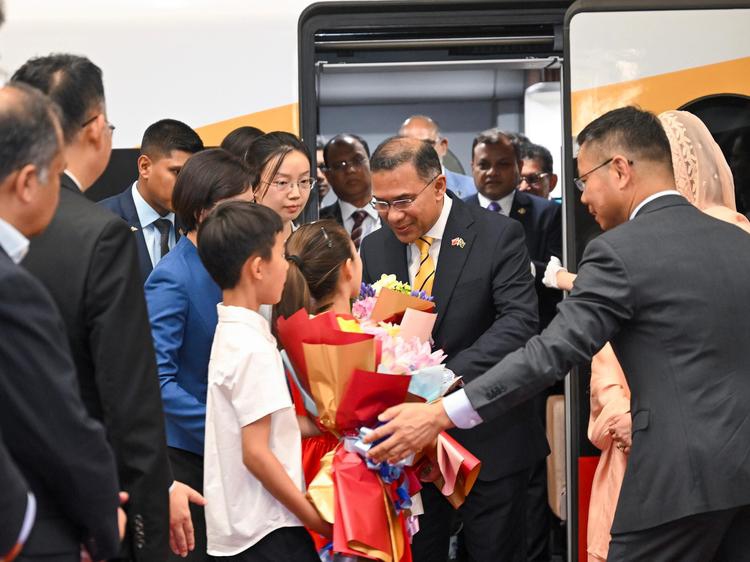
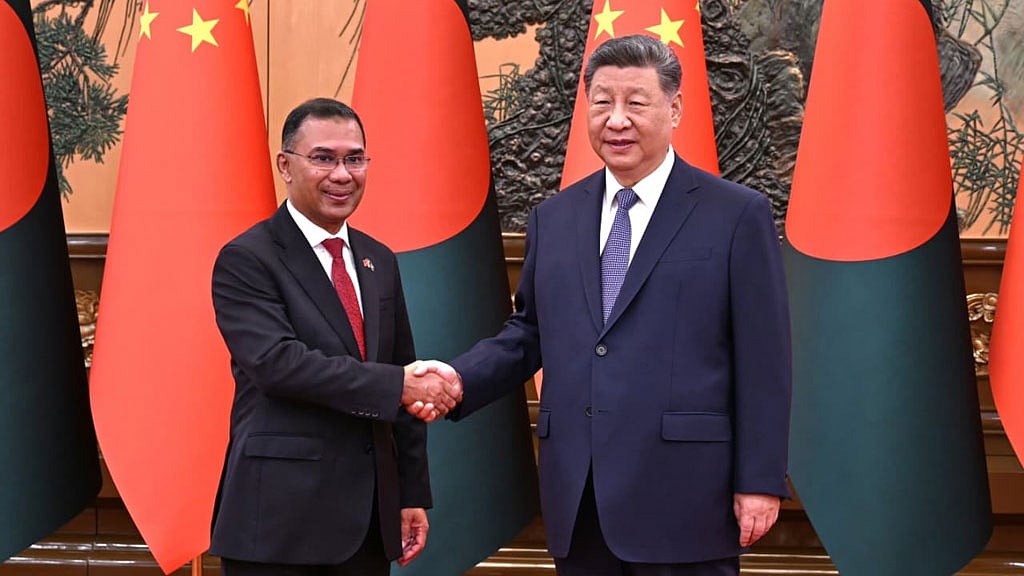
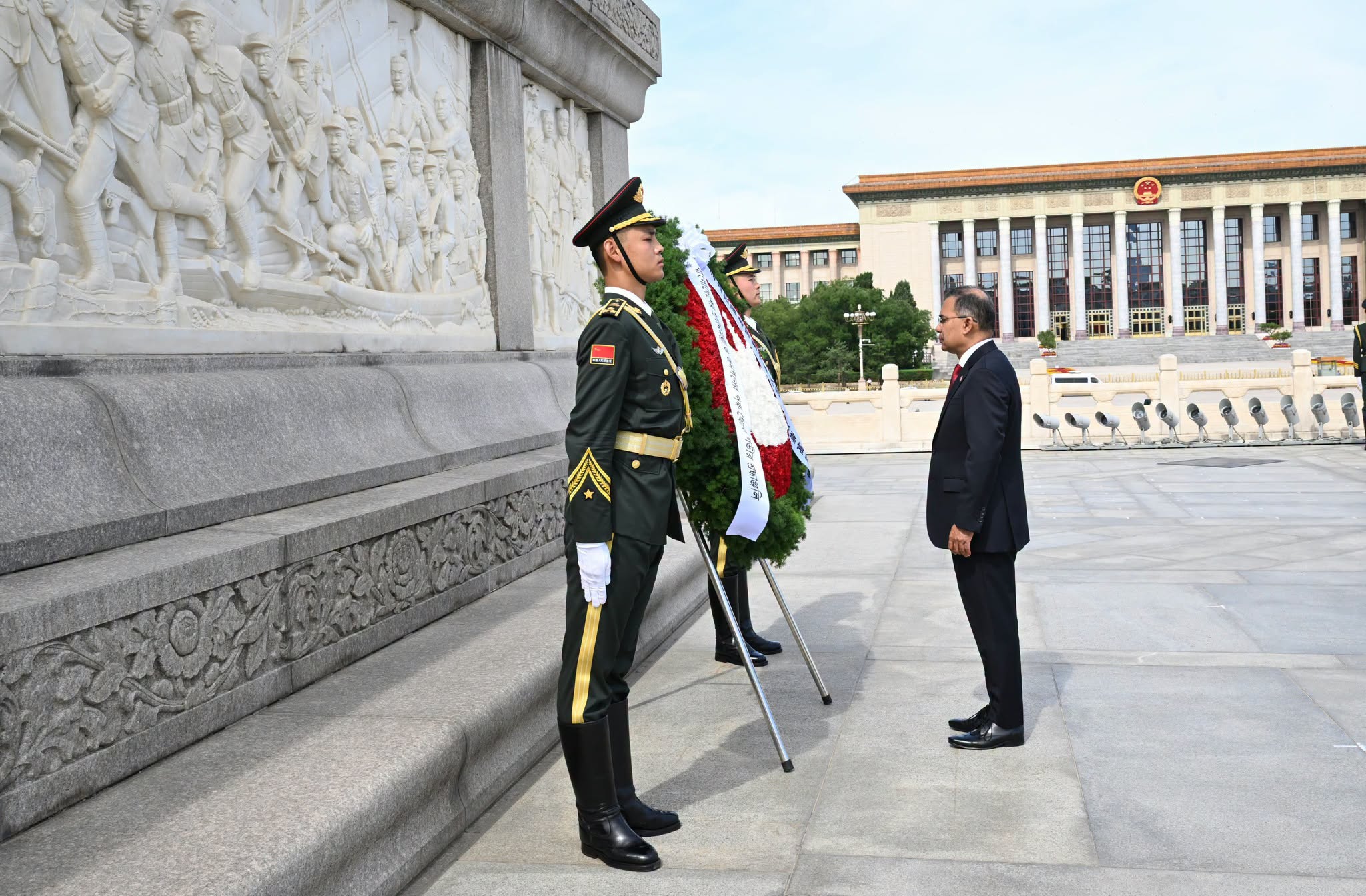
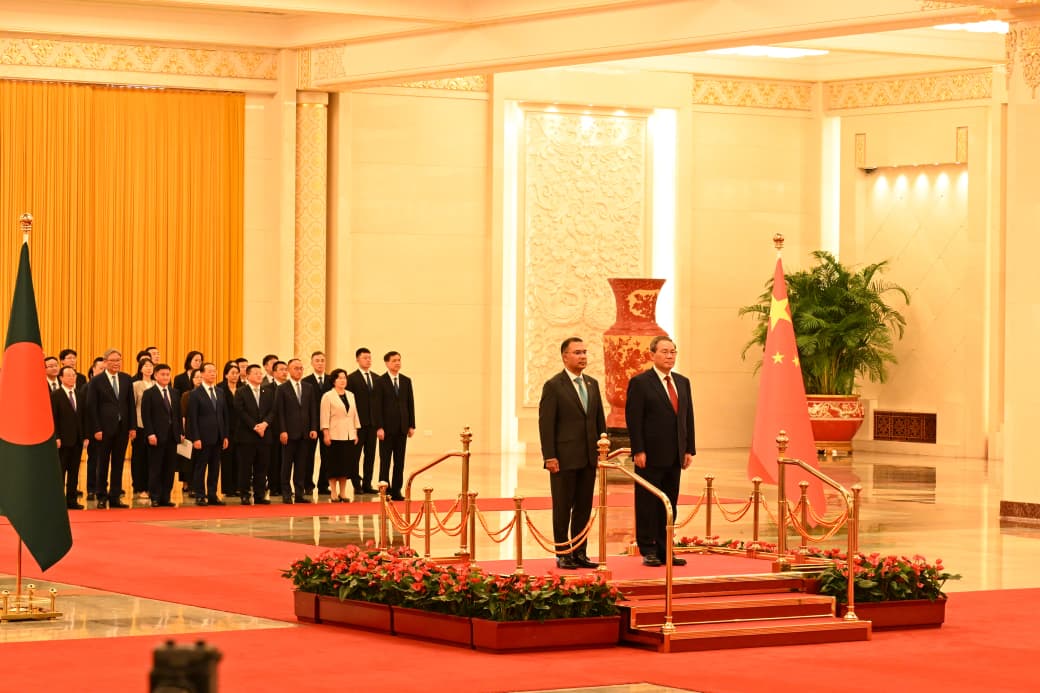
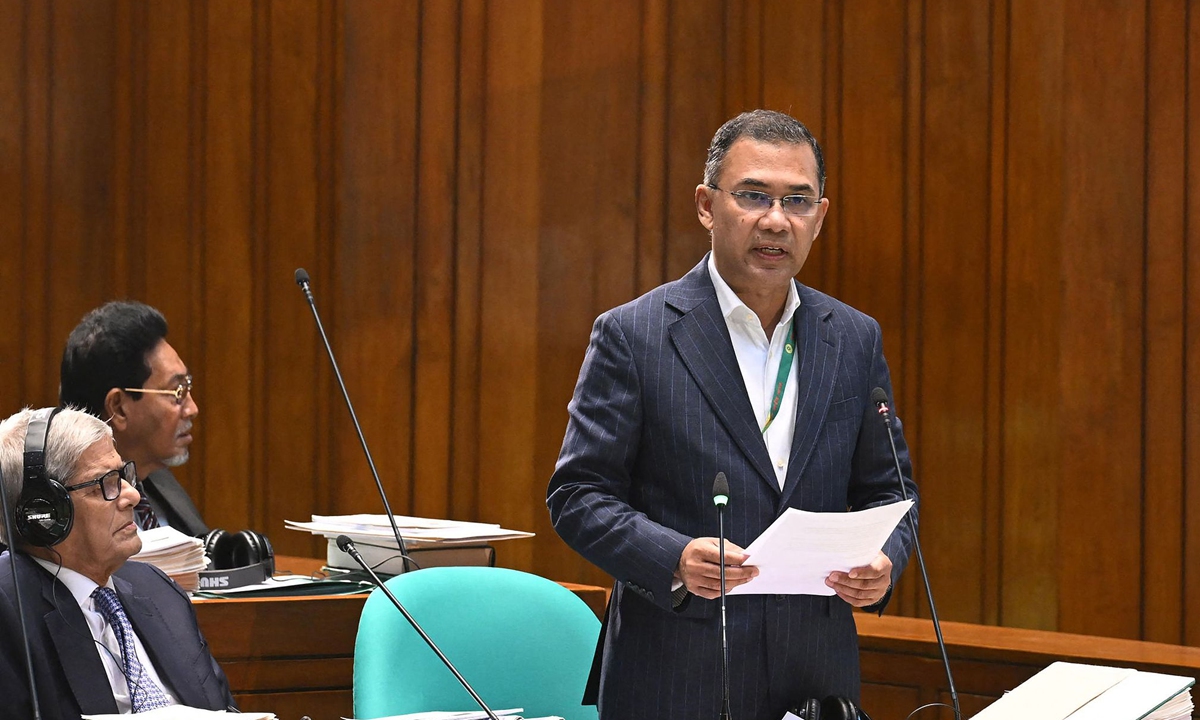
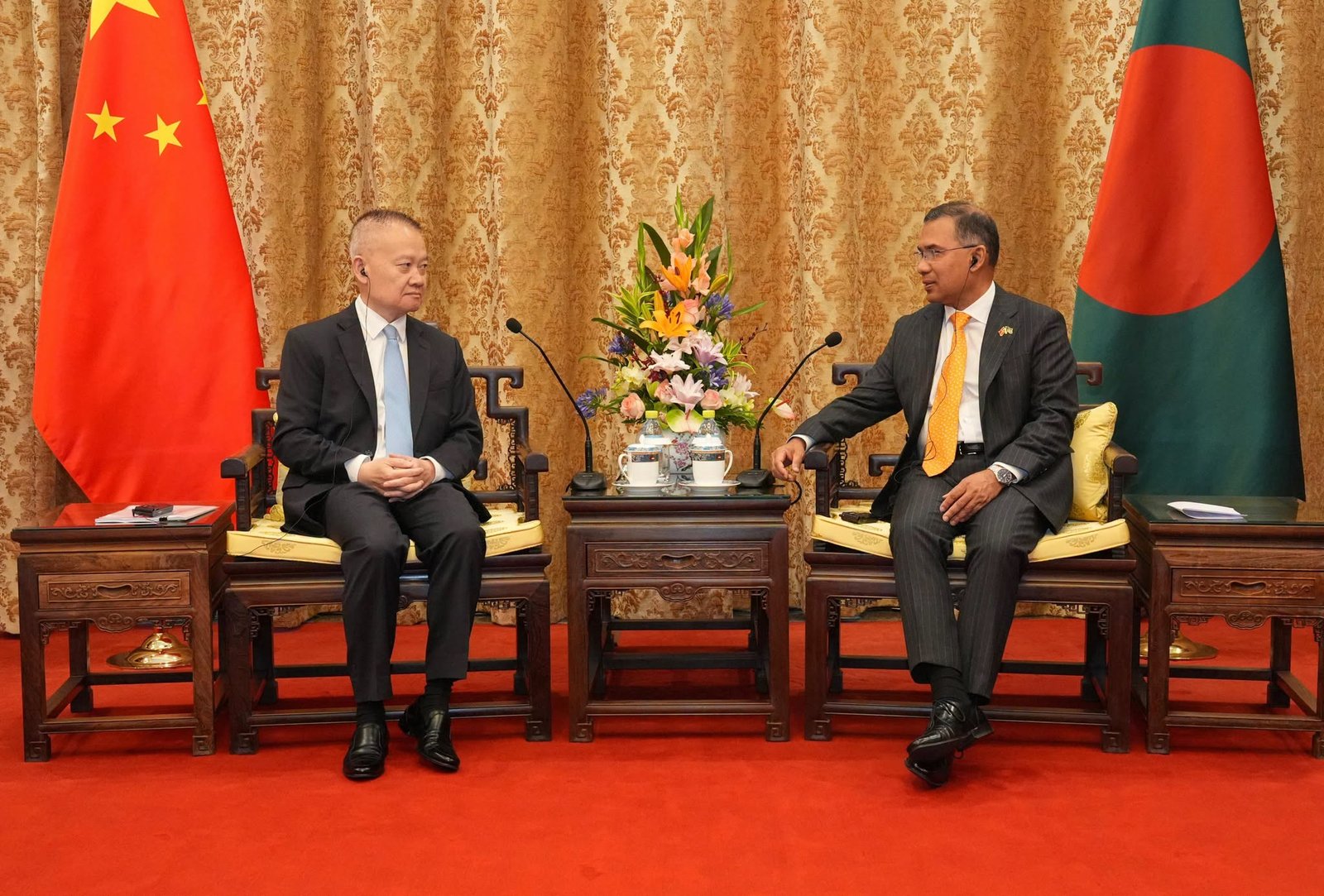
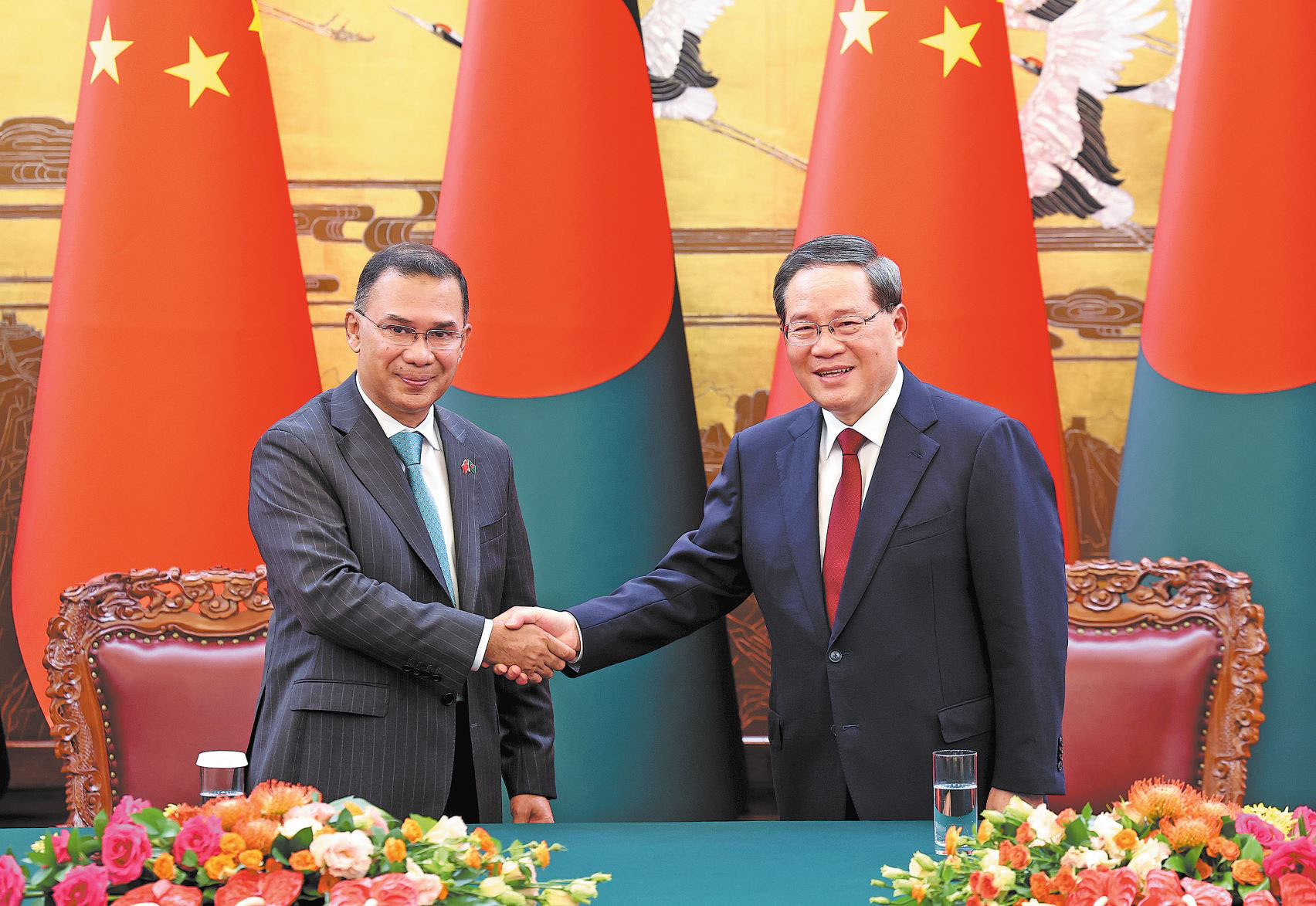
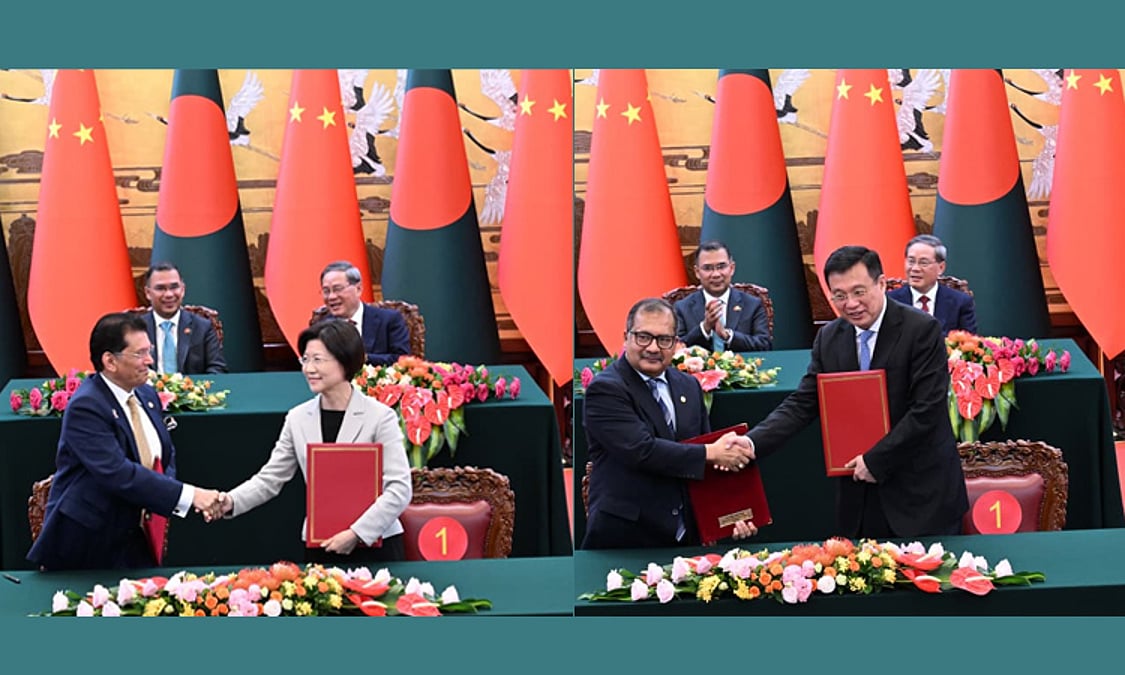
Bangladesh's strategic pivot toward China represents a transformative tariff arbitrage opportunity for cross-border sellers. On December 1, 2024, China granted Bangladesh zero-tariff treatment on 100 tariff lines, eliminating duties on agricultural products including mangoes, jackfruit, and guava—the first shipment of Bangladeshi mangoes departed May 28, 2025. This policy change directly reduces sourcing costs for sellers importing Bangladeshi agricultural products into China, creating 15-25% margin improvements on fresh produce categories. Simultaneously, Prime Minister Tarique Rahman's June 2026 Beijing visit secured commitments for increased Chinese imports of aquatic products, raw leather, jute products, and pharmaceuticals, signaling broader tariff reductions across HS codes 0201-0210 (meat), 0302-0307 (fish), 4101-4105 (leather), and 3004-3005 (pharmaceuticals).
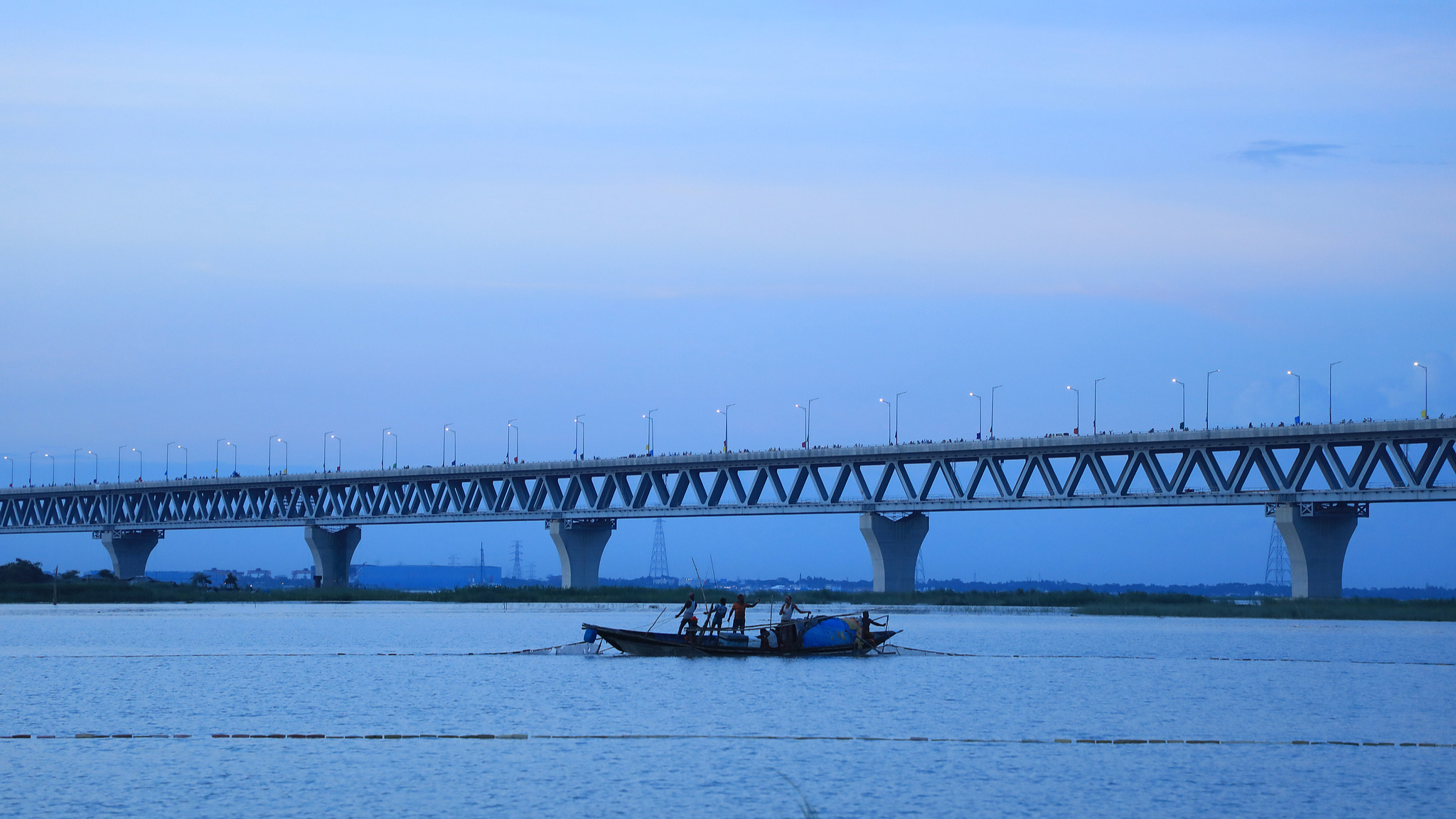
Market Access Expansion: China's $7.7 billion investment in Bangladesh—with 700+ registered Chinese companies operating across textiles, energy, and IT—is creating logistics infrastructure that directly benefits cross-border sellers. The Chinese Economic and Industrial Zone in Chittagong, approved with $500M+ FDI target and 100,000 job projections, will establish modern port facilities and customs clearance systems. This infrastructure development reduces shipping times by 3-5 days and customs processing delays by 40-50% compared to current Bangladesh-China corridors, directly lowering fulfillment costs for sellers using Bangladesh as a sourcing hub. Sellers sourcing textiles and apparel from Bangladesh—currently China's largest trading partner for 16 consecutive years (2010-2025)—will benefit from improved machinery imports and finished garment export efficiency.
Competitive Advantage Shifts: Small-to-medium sellers (SMEs) with $500K-$5M annual revenue gain disproportionate advantage from this policy window. Bangladesh's textile sector, which supplies finished garments to China while importing machinery, creates arbitrage opportunities for sellers who can: (1) source finished garments at 8-12% lower costs due to zero-tariff treatment, (2) leverage improved port infrastructure to reduce landed costs by $0.50-$1.50 per unit, and (3) access new pharmaceutical and aquatic product categories before larger competitors establish supply chains. The timing window is critical—China's cautious financing stance (prioritizing Central Asia/Myanmar over Bangladesh) suggests this tariff window may narrow within 12-18 months as geopolitical priorities shift.
Sourcing Country Shift Implications: Bangladesh is becoming a viable alternative to Vietnam and India for apparel and agricultural products. The zero-tariff policy on 100 HS codes creates a 5-8% cost advantage over Vietnam-sourced garments (which face 12-15% tariffs) and 3-5% advantage over India-sourced products. Sellers currently sourcing from Vietnam should evaluate Bangladesh alternatives for cotton apparel (HS 6204-6206), knitted fabrics (HS 6001-6006), and processed foods (HS 0804-0810). The India-Bangladesh Ganges Water Treaty expiration in 2026 (signed 1996 for 30 years) creates uncertainty around water-dependent agricultural exports, making 2026-2027 the optimal window to establish Bangladesh sourcing relationships before potential trade disruptions.
Questions 7
What tariff benefits did China grant Bangladesh in December 2024 and how do they affect sellers?
China granted Bangladesh zero-tariff treatment on 100 tariff lines effective December 1, 2024, eliminating import duties on agricultural products including fresh fruits (mangoes, jackfruit, guava), aquatic products, and processed foods. For cross-border sellers, this creates 15-25% margin improvements when sourcing these products from Bangladesh for re-export to China or third markets. The first mango shipment departed May 28, 2025, validating the policy's implementation. Sellers should prioritize HS codes 0804 (edible fruit), 0302-0307 (fish/aquatic products), and 0810 (berries) for immediate sourcing opportunities, as these categories see the fastest tariff reduction benefits.
How does Bangladesh's infrastructure investment impact shipping costs and customs processing for sellers?
China's $7.7 billion investment in Bangladesh, including the Chinese Economic and Industrial Zone in Chittagong with $500M+ FDI target, is modernizing port facilities and customs infrastructure. This development reduces shipping times by 3-5 days and customs processing delays by 40-50% compared to current Bangladesh-China corridors. For sellers using Bangladesh as a sourcing hub, this translates to $0.50-$1.50 per unit cost reduction in landed costs and improved inventory turnover. The Chittagong port modernization project, approved in 2026, will enable faster clearance of textile shipments and agricultural products, benefiting SME sellers who rely on efficient logistics for competitive pricing.