



Australia Tightens Social Media Ban Enforcement | Sellers Face Platform Compliance Costs & Audience Restrictions
- 85% of teens still access banned platforms; eSafety Commissioner gains expanded powers; A$49.5M fines loom; UK/international bans follow suit
















Overview
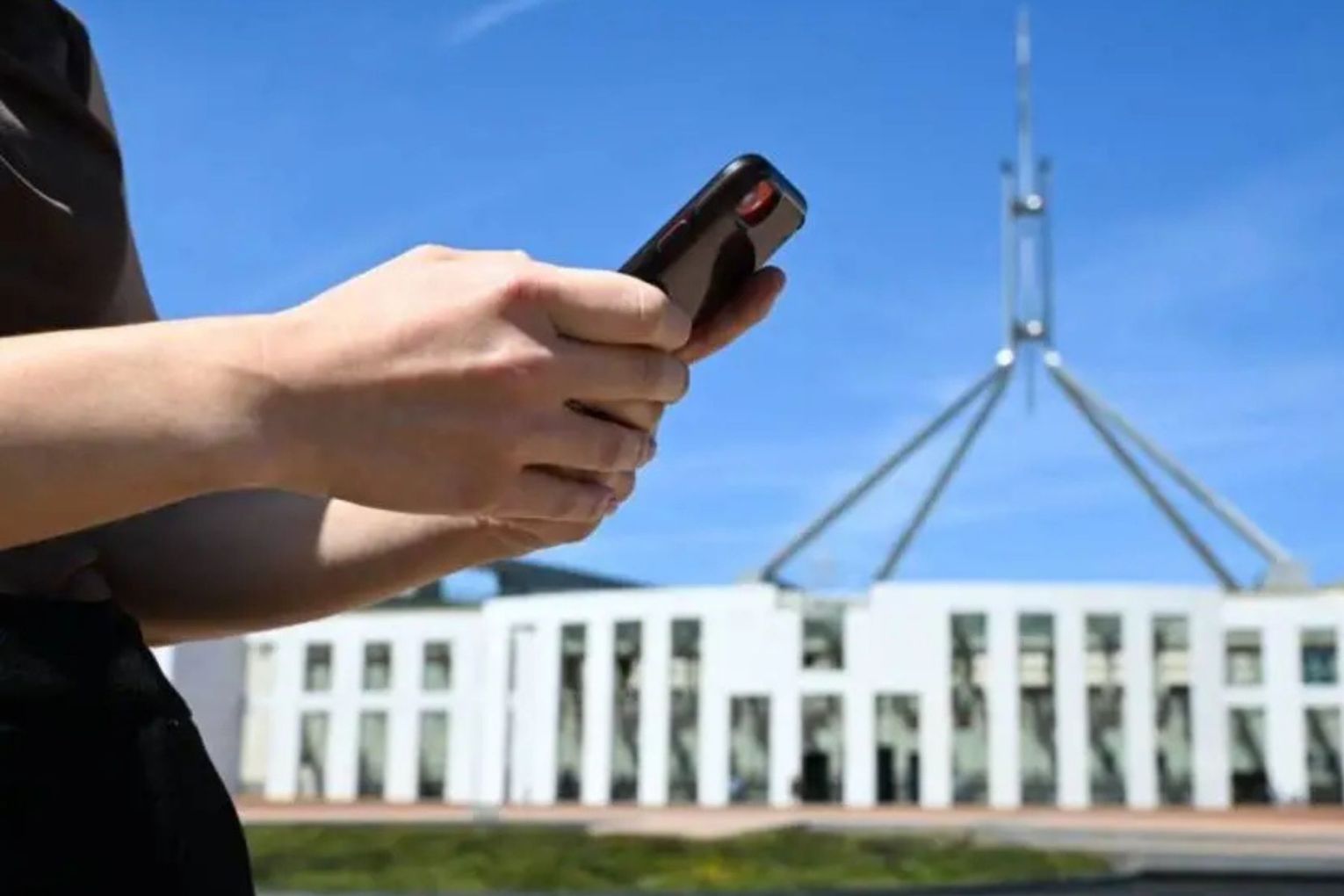
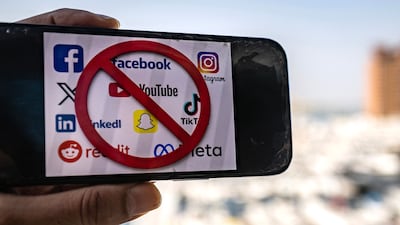
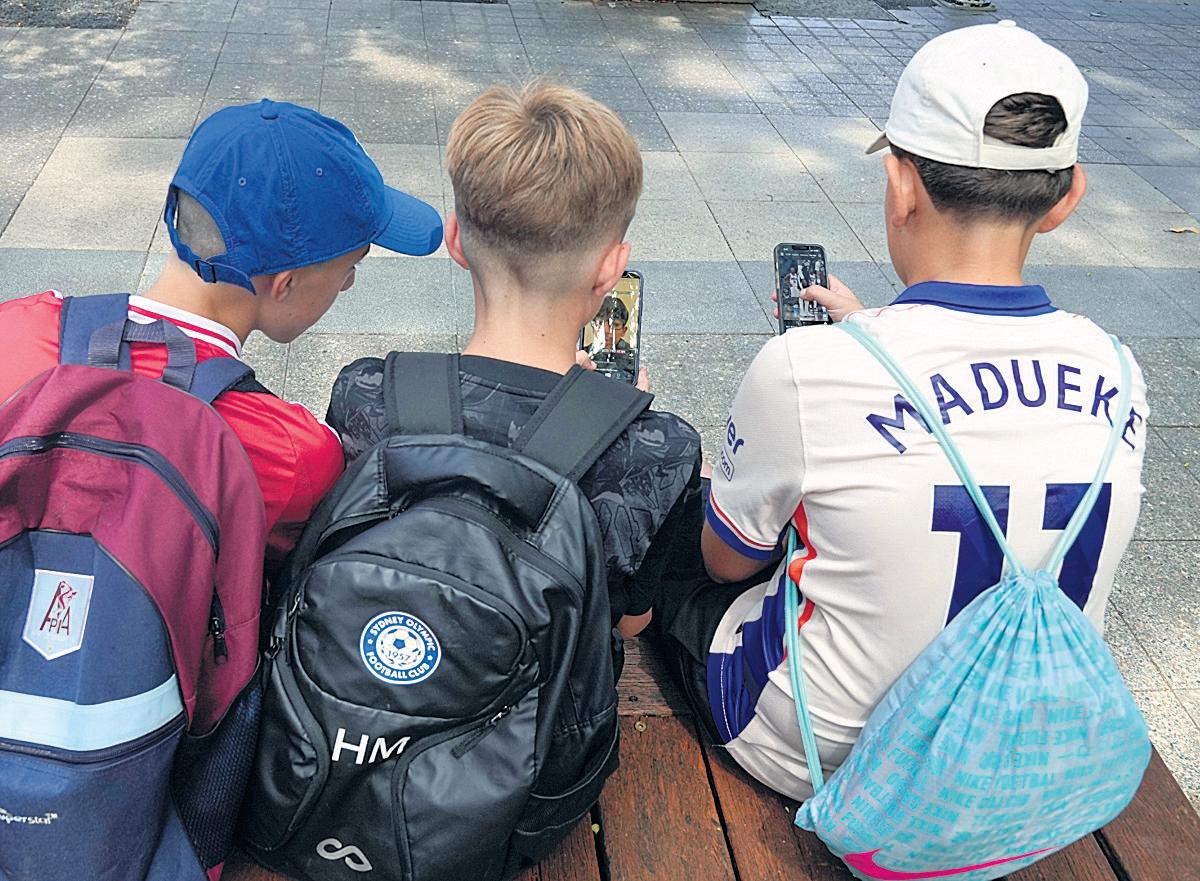
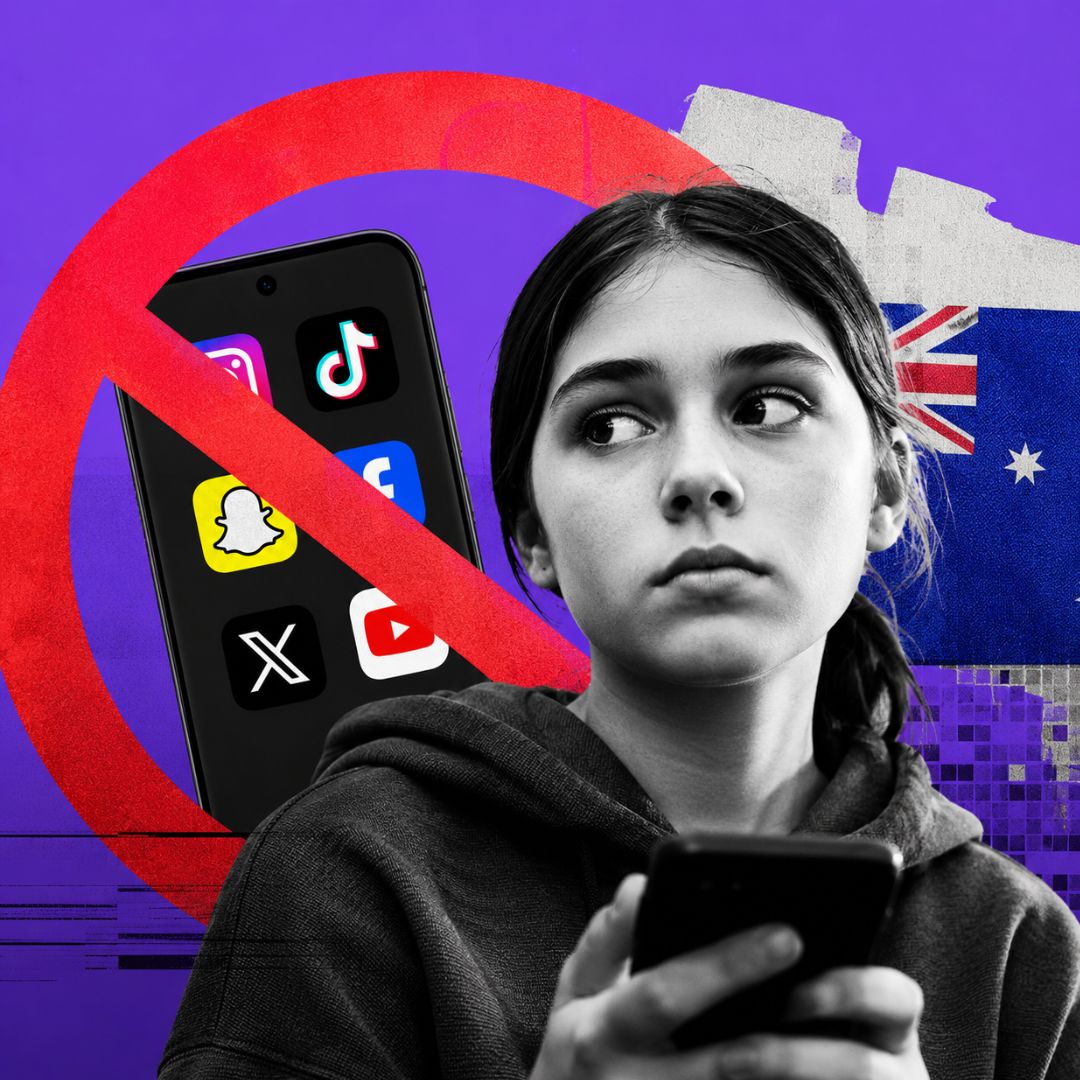
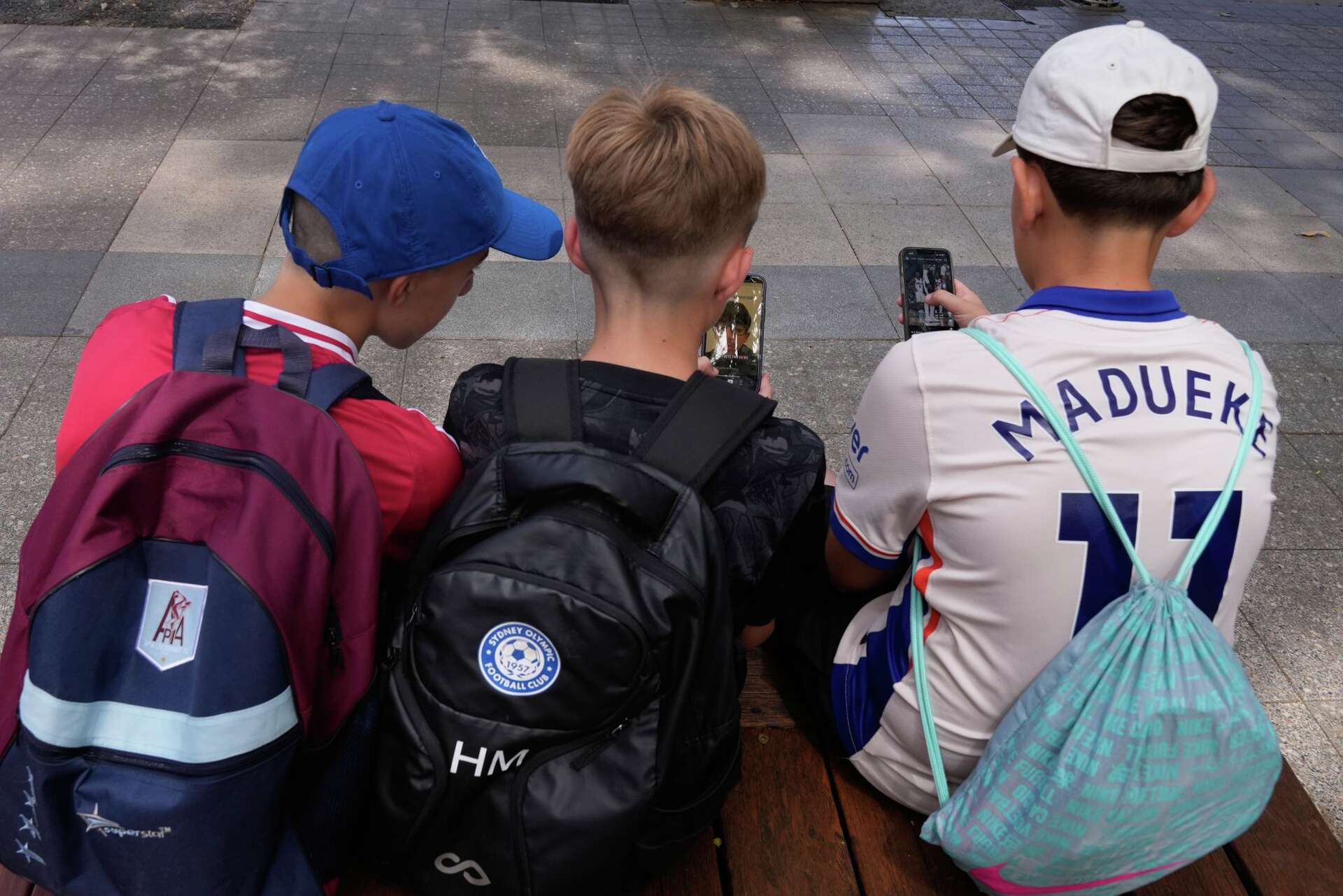
Australia's government is dramatically escalating enforcement of its December 2024 social media ban for under-16s, with Prime Minister Anthony Albanese announcing plans to "bullet-proof" legislation against legal challenges and strengthen the eSafety Commissioner's enforcement powers (announced June 26, 2026). Despite initial implementation, a British Medical Journal study of 408 adolescents found 85% of Australian teens aged 12-15 continue accessing banned platforms (Instagram, YouTube, TikTok) three months post-launch, with two-thirds circumventing restrictions through age misrepresentation or fake accounts. The eSafety Commissioner and Communications Minister Anika Wells are preparing legal action against five major platforms, with potential fines reaching A$49.5 million for systemic non-compliance.
For cross-border e-commerce sellers, this regulatory escalation creates three critical operational impacts. First, social commerce channel disruption: Sellers relying on Instagram, TikTok, and YouTube for customer acquisition in Australia face shrinking teen audiences (12-16 demographic), historically a high-engagement segment for fashion, beauty, electronics, and gaming categories. While 85% circumvention rates suggest continued platform usage, regulatory uncertainty may suppress advertiser confidence and platform investment in youth-targeting features. Second, platform compliance costs: Enhanced eSafety Commissioner powers will likely mandate stricter age verification systems, data management protocols, and content moderation—costs that platforms may pass to sellers through increased advertising fees or stricter seller compliance requirements. Third, international regulatory precedent: The UK announced plans for even stricter regulations extending to gaming and live-streaming platforms (scheduled 2027), signaling a global trend toward youth social media restrictions that will reshape seller marketing strategies across multiple markets.
The enforcement gap reveals a critical market insight: Despite 85% teen circumvention rates, the regulatory environment is tightening, not loosening. Sellers cannot rely on continued platform access for youth audiences in Australia. The study showed only 5% of 12-13-year-olds and 11% of 14-15-year-olds were required to provide official photo ID for age verification—indicating platforms face mounting pressure to implement stronger verification mechanisms. This creates a 6-18 month window before enhanced enforcement likely increases compliance friction. Sellers targeting Australian youth demographics should diversify marketing channels away from social platforms, focusing on email, SMS, and owned-audience strategies. Additionally, the regulatory momentum suggests similar bans in UK, EU, and potentially North America within 12-24 months, making this an early warning signal for sellers with significant youth-focused product portfolios (apparel, gaming, electronics, beauty).
Questions 8
What circumvention methods are teens using to bypass Australia's social media ban?
A University of Newcastle study found that 85% of Australian teens aged 12-15 continue accessing banned platforms three months after implementation. Circumvention methods include: fake accounts (15% of younger teens, 19% of older teens), age misrepresentation (two-thirds of teens), VPNs (3%), and fake selfies for age verification. The study revealed that age verification mechanisms are easily circumvented—only 5% of 12-13-year-olds and 11% of 14-15-year-olds were required to provide official photo identification. For sellers, this indicates that while teen audiences remain accessible today through existing platforms, the regulatory environment is tightening. Platforms will face pressure to implement stronger verification systems, which may reduce platform effectiveness for youth-targeting campaigns within 6-18 months.
When should sellers adjust their Australian marketing strategy due to the ban?
Sellers should begin adjusting strategies immediately (0-30 days) by auditing their Australian customer acquisition channels and identifying dependence on Instagram, TikTok, and YouTube for teen audiences. Within 1-3 months, develop alternative channels: email marketing lists, SMS campaigns, owned-audience platforms, and partnerships with non-social platforms. The government's June 26, 2026 announcement of enhanced eSafety Commissioner powers suggests enforcement will accelerate over the next 6-12 months. By Q4 2026, expect platforms to implement stricter age verification and reduce youth-targeting features. Sellers should complete channel diversification by Q2 2027, before the UK's proposed ban (2027) potentially triggers similar restrictions in other markets. Monitor eSafety Commissioner enforcement actions and platform policy updates monthly.