



Hormuz Strait Security Risks Drive Shipping Cost Surge | Seller Supply Chain Impact
- Container vessel attack raises insurance premiums 8-15% for Asia-Europe routes; sellers must diversify sourcing and reassess inventory positioning by Q3 2026


Overview
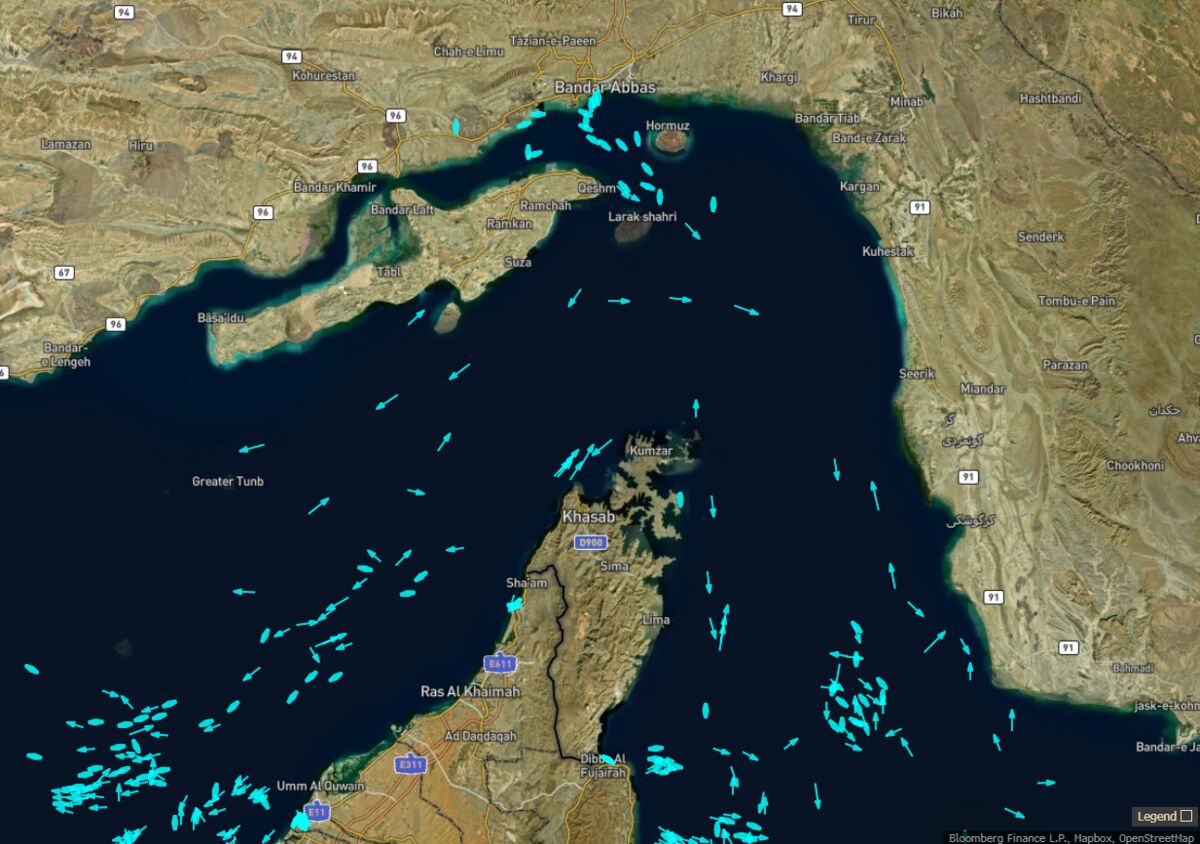
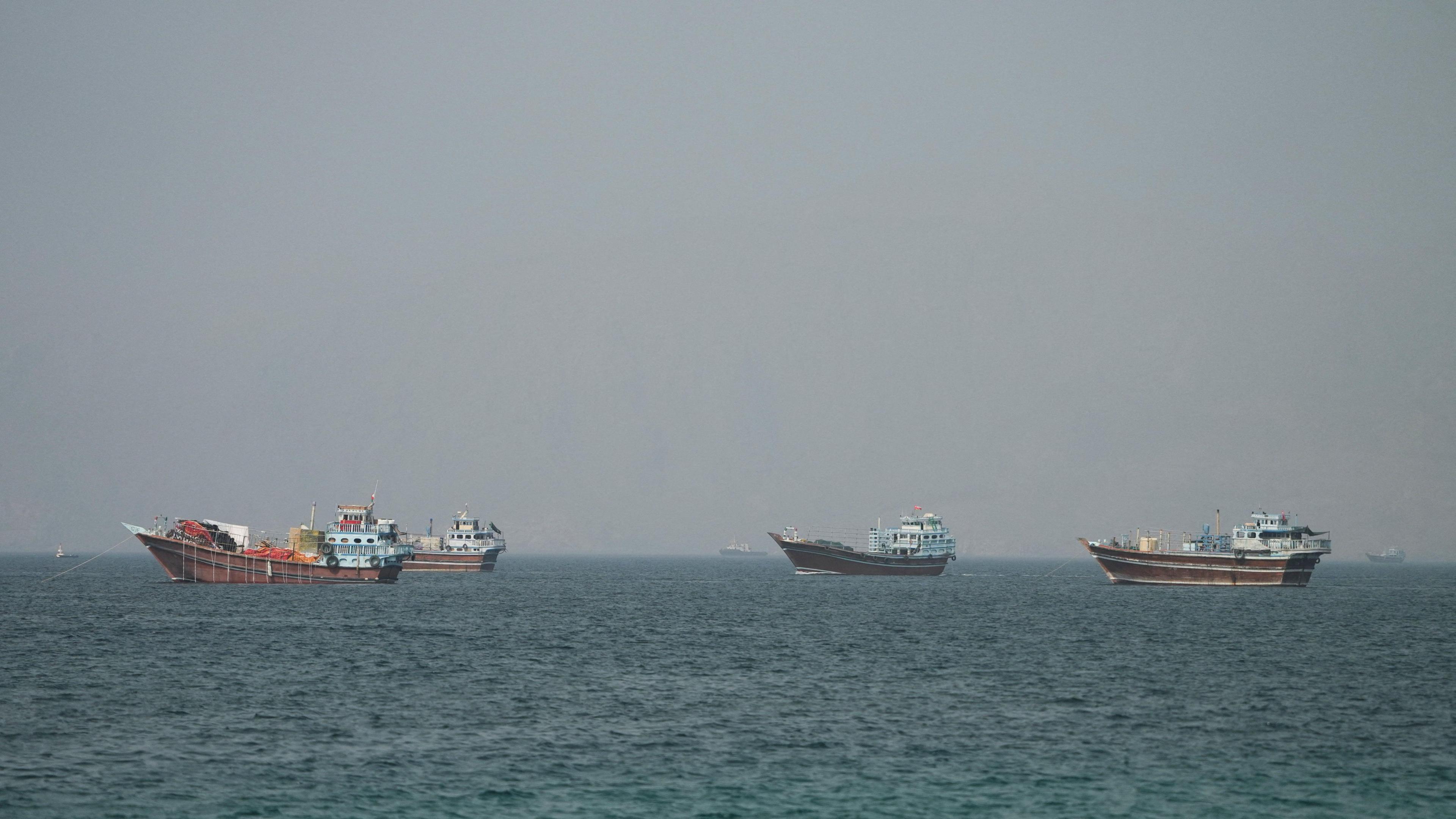
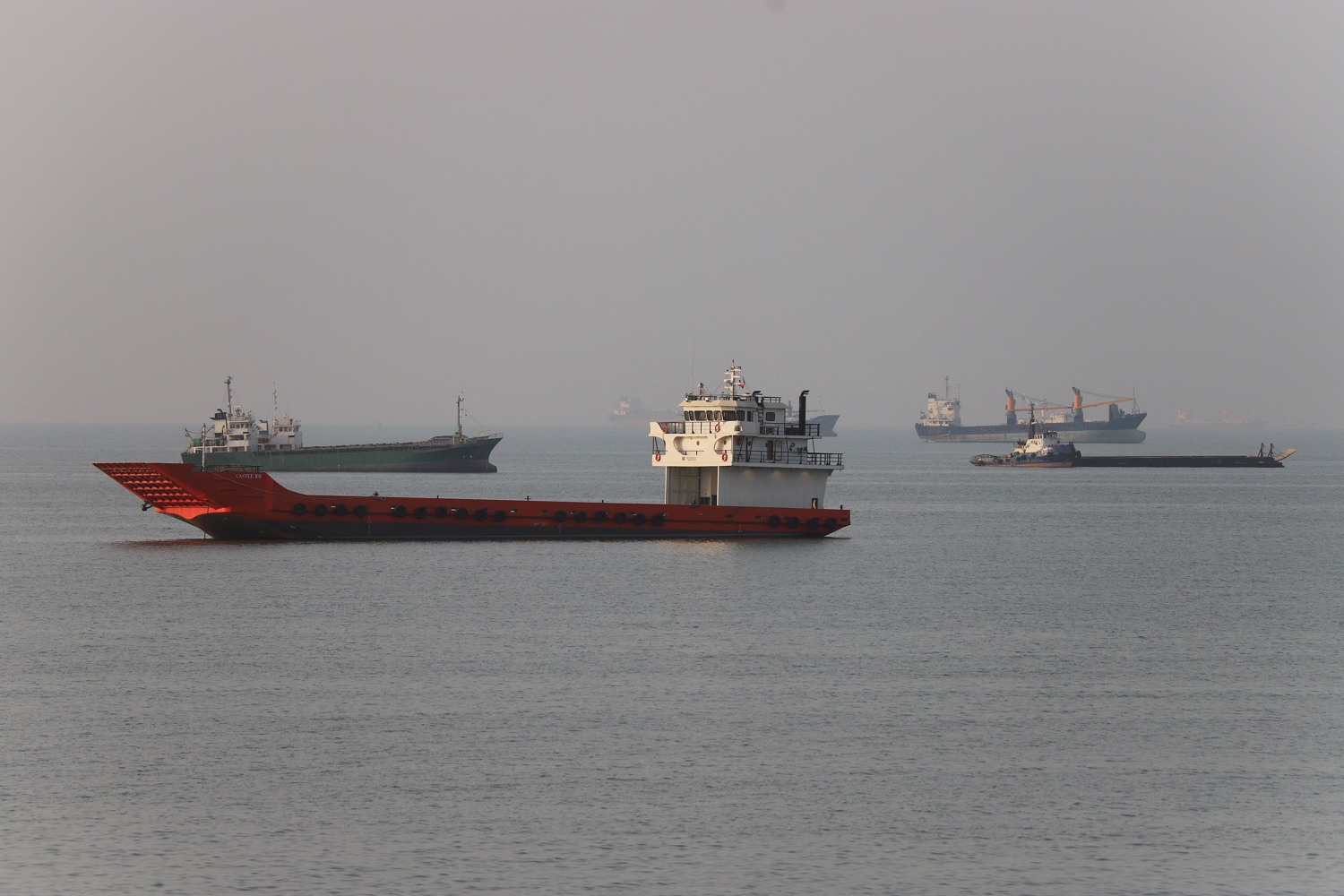
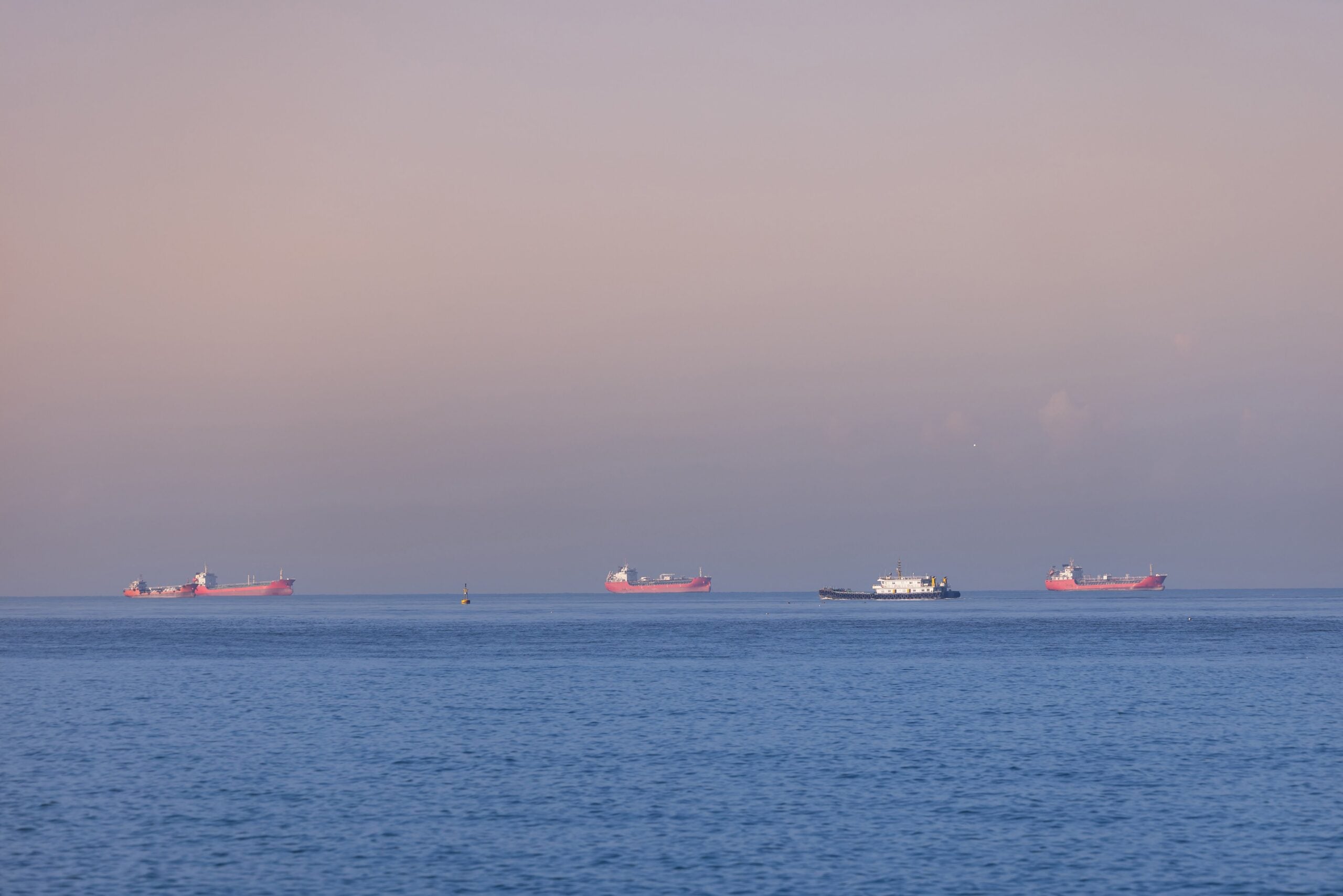
The Strait of Hormuz container ship attack on June 26, 2026, has triggered immediate supply chain disruptions for cross-border e-commerce sellers, despite continued maritime traffic through this critical chokepoint. The incident—reported by Bloomberg—demonstrates that while 21% of global petroleum trade flows through Hormuz daily, the geopolitical tensions between Iran and Israel are creating measurable cost pressures on container shipping. Ship-tracking data confirms vessels are actively transiting, with two laden tankers departing the Persian Gulf and four empty VLCCs using the southern Omani coastal route (managed by Oman and US military coordination), yet shipowners are implementing enhanced security protocols that directly increase operational costs.
For cross-border sellers, this translates to immediate shipping cost increases of 8-15% on Asia-Europe-Middle East routes. Sellers sourcing from Southeast Asia, India, or China for European and North American markets face higher insurance premiums, longer transit times due to route diversification, and potential port congestion as vessels avoid direct Hormuz transits. Container freight rates on the Shanghai-Rotterdam route (which typically transits Hormuz) have historically spiked 12-18% during regional security incidents. Sellers with inventory in transit through Hormuz-dependent routes should expect 3-5 day delays and $200-400 per 40ft container cost increases. Categories most affected: electronics (high-value, insurance-sensitive), apparel (time-sensitive seasonal inventory), and home goods (volume-dependent, margin-sensitive).
Strategic inventory repositioning is critical NOW. Sellers should: (1) Accelerate shipments of Q4 inventory from Asia to US/EU warehouses before insurance premiums peak—target completion by August 2026; (2) Shift 20-30% of sourcing from Middle East suppliers (petrochemicals, textiles) to Southeast Asian alternatives (Vietnam, Thailand, Indonesia) where Hormuz transit risk is lower; (3) Increase safety stock in US and EU fulfillment centers by 4-6 weeks for fast-moving categories to buffer against transit delays. Alternative routing via Suez Canal adds 8-10 days but reduces security risk premium—viable for non-time-sensitive categories. Warehouse positioning: Prioritize FBA placement in US East Coast and EU Central hubs to reduce reliance on Asian inventory; consider 3PL providers with direct Southeast Asia connections to bypass Hormuz entirely.
Risk mitigation timeline: Monitor shipping cost indices weekly; lock in Q3-Q4 container rates by July 15, 2026; review insurance policies for Hormuz-specific coverage exclusions by August 1, 2026. Sellers with <$50K monthly revenue should consolidate shipments to reduce per-unit costs; larger sellers ($500K+) should negotiate carrier contracts with Hormuz-bypass routing clauses.
Questions 7
Should I shift my sourcing from China to Southeast Asia due to Hormuz risks?
Yes, a 20-30% sourcing shift to Vietnam, Thailand, or Indonesia is strategically sound for 2-3 month horizon. Southeast Asian suppliers avoid Hormuz transit entirely via alternative routes, reducing insurance costs 5-8% and eliminating geopolitical risk premiums. Lead times increase 1-2 weeks but total landed costs decrease 3-5% when accounting for lower insurance. This works best for apparel, electronics, and home goods categories. Maintain 50-70% China sourcing for cost-sensitive bulk items; use Southeast Asia for time-sensitive, high-margin SKUs. Negotiate 90-day trial contracts with 2-3 Southeast Asian suppliers by July 2026.
What inventory actions should I take immediately to protect against Hormuz disruptions?
Execute three actions by August 1, 2026: (1) Accelerate Q4 inventory shipments from Asia to US/EU warehouses—target 4-6 weeks of safety stock in FBA by September 1; (2) Increase 3PL inventory in US East Coast and EU Central hubs by 30-40% to buffer against transit delays; (3) Liquidate slow-moving inventory (BSR >100K) to free warehouse capacity for faster-turning SKUs. For sellers with $500K+ monthly revenue, negotiate carrier contracts with Hormuz-bypass routing clauses. Smaller sellers (<$50K) should consolidate shipments to reduce per-unit costs and use freight forwarders with Southeast Asia direct connections.