

Shipping Cost Crisis: Oil Volatility & Hormuz Disruptions Impact Cross-Border Logistics 2025
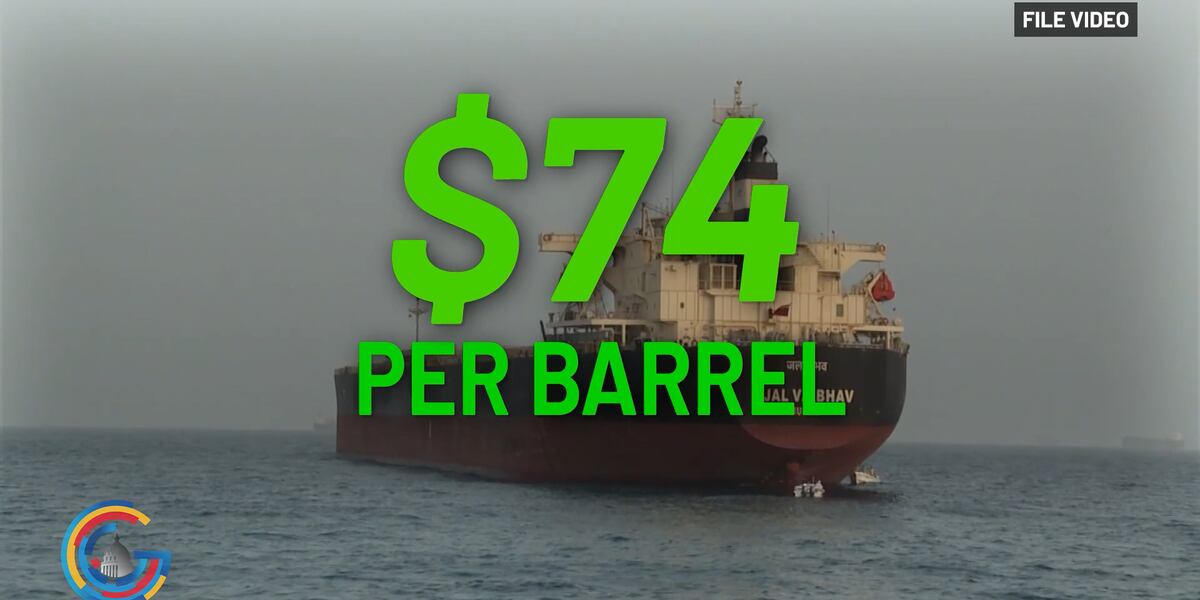
- Brent crude down 2% to $73.73/barrel; Strait traffic 60% below pre-conflict levels; sellers face 8-15% shipping cost volatility through Q2 2025














Overview
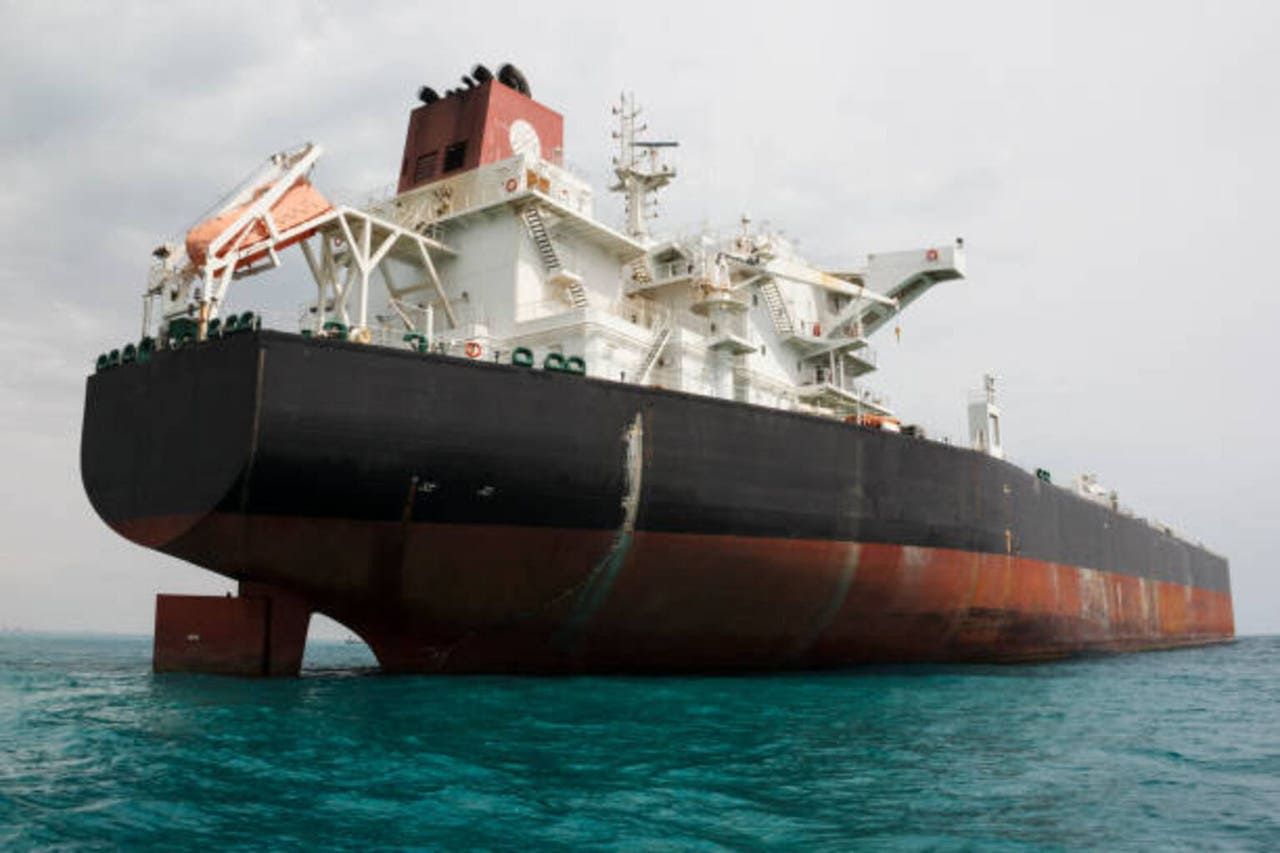
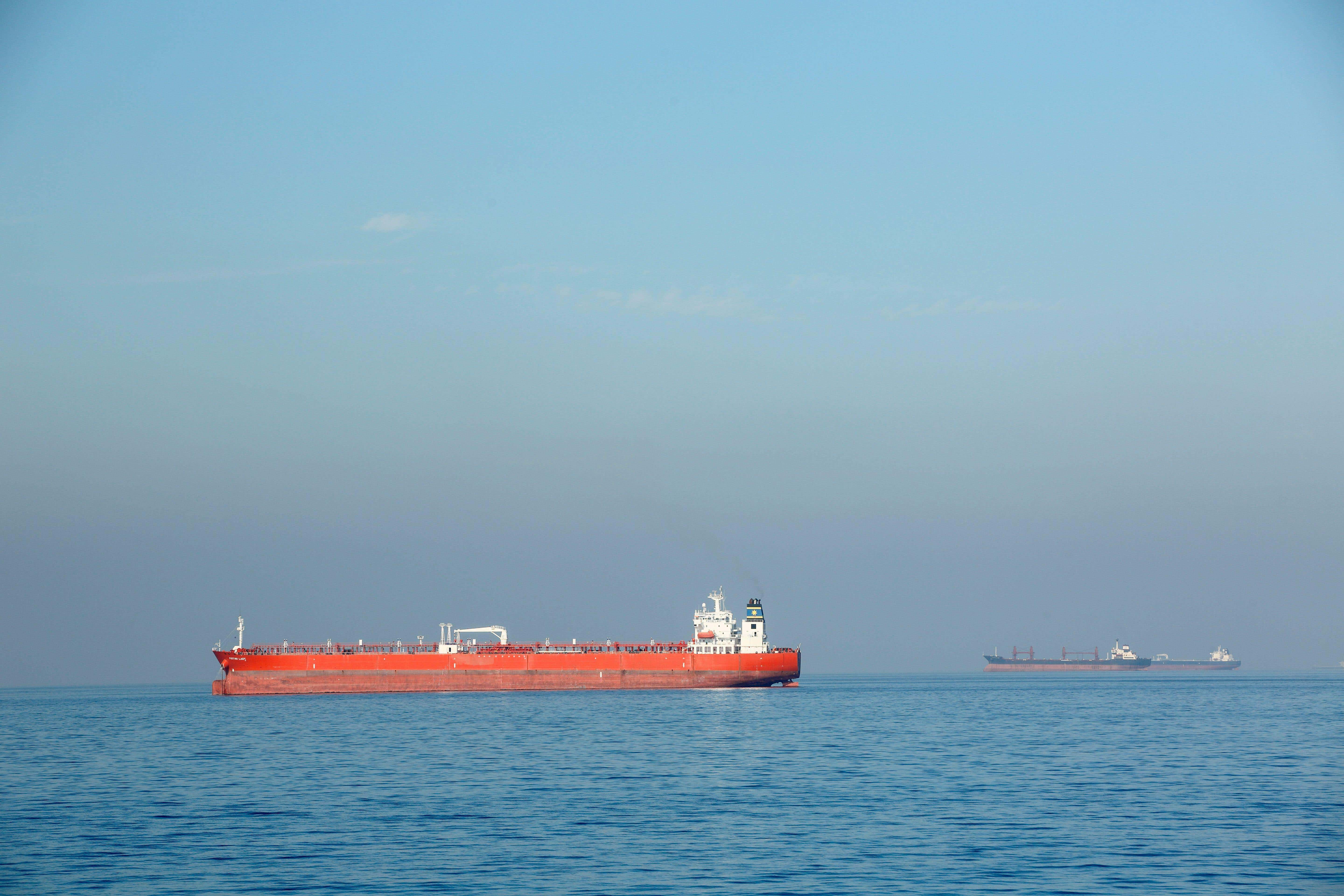
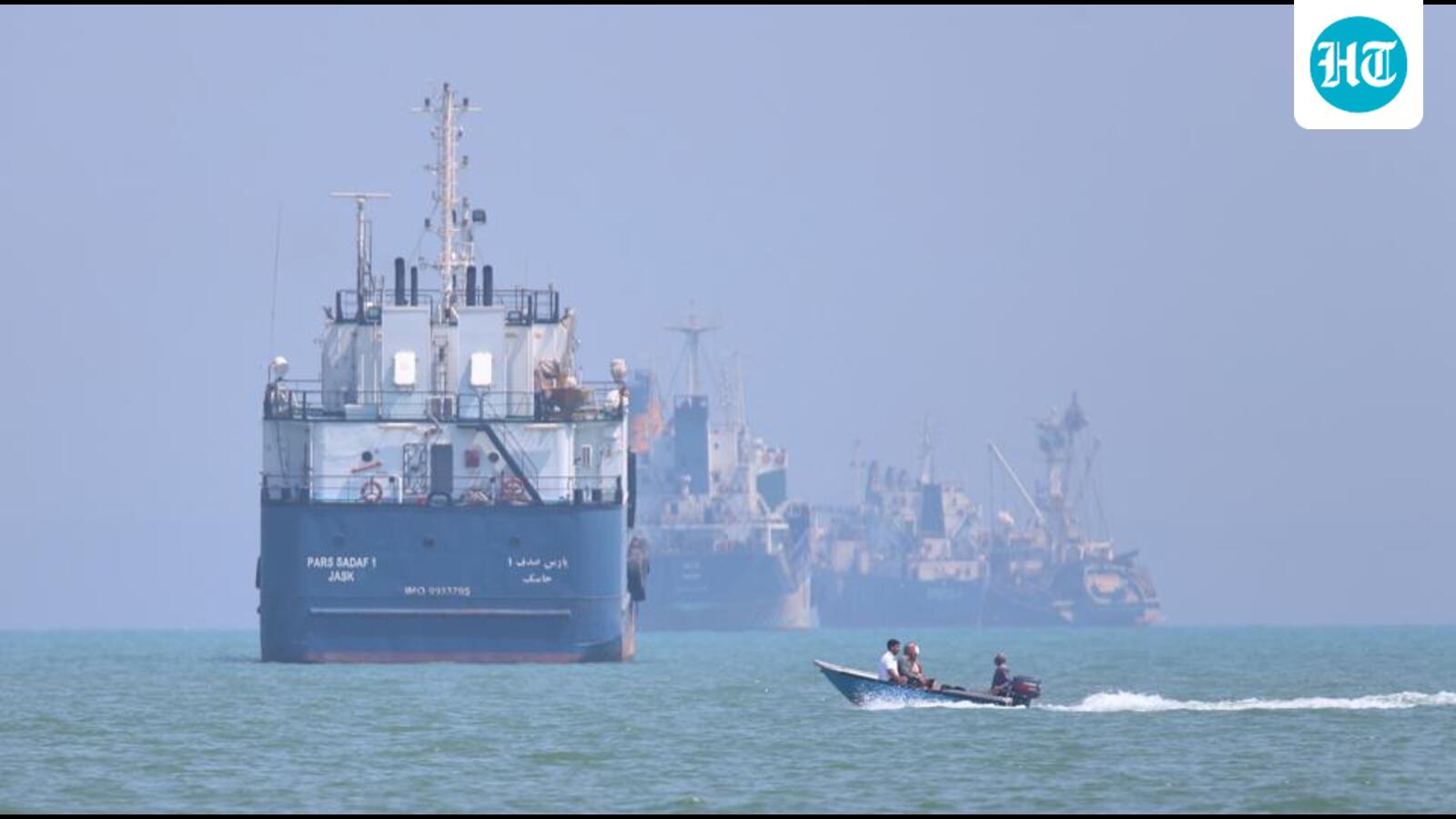
The geopolitical oil market instability directly impacts cross-border e-commerce logistics costs and supply chain reliability. Saudi Aramco's resumption of crude loading at Ras Tanura after a four-month halt, combined with Strait of Hormuz traffic reaching post-ceasefire highs, signals volatile energy pricing ahead for sellers. Brent crude futures fell 1.50/barrel (1.99%) to $73.76, while U.S. West Texas Intermediate dropped 1.49 (2.07%) to $70.43—reflecting easing supply concerns but masking underlying structural risks. Critically, overall Strait traffic remains only a fraction of the pre-conflict daily average of 125 ships, indicating sustained bottlenecks that will pressure shipping rates for months.
For cross-border sellers, this creates immediate logistics cost uncertainty. Shipping rates from Asia to North America and Europe are directly indexed to fuel surcharges, which fluctuate with crude prices. A 2% oil price decline typically translates to 1-3% fuel surcharge reductions within 2-4 weeks on major carriers (FedEx, DHL, UPS), but the underlying volatility—with weekly losses around 8% and potential pullback once vessel backlogs clear—means sellers cannot lock in favorable rates. Sellers shipping 500+ units monthly via air freight face $200-400 monthly cost swings; ocean freight shippers see 3-8% rate volatility. The International Maritime Organization's temporary pause on vessel evacuation plans and Iran's demonstrated willingness to attack shipping (Singapore-flagged cargo vessel struck near Oman) create compliance and insurance complications. Sellers routing through the Strait face potential 5-10 day delays if tensions escalate, forcing inventory buffers and increased working capital requirements.
OPEC structural instability compounds logistics risk. Iraq's demand for higher production quotas and threat to exit the cartel (following UAE's May departure) signals potential supply-side shocks. If OPEC fractures further, crude could spike 5-15%, translating to 4-12% fuel surcharge increases within weeks. Venezuela's earthquake-related power outages (affecting 1.2M barrels daily output) add supply uncertainty. Sellers dependent on just-in-time inventory from China or Southeast Asia face compounding risks: volatile shipping costs + potential supply disruptions + geopolitical route closures. The market's current confidence in diplomatic resolution (reflected in modest price declines) could reverse rapidly if Iran-U.S. tensions escalate or OPEC fractures, creating a 30-60 day window before sellers experience significant cost shocks.
Questions 8
How do oil price changes affect my shipping costs as a cross-border seller?
Oil prices directly impact fuel surcharges applied by carriers like FedEx, DHL, and UPS. When Brent crude falls 2% (as reported), fuel surcharges typically decrease 1-3% within 2-4 weeks, reducing shipping costs by $50-150 per 100-unit shipment. Conversely, a 10% oil price spike increases surcharges 5-8%, adding $250-400 monthly for sellers shipping 500+ units. Current volatility (8% weekly losses) means rates fluctuate unpredictably, making it difficult to lock in favorable pricing. Sellers should monitor crude futures daily and negotiate fixed-rate shipping contracts with 3PL providers to hedge against surcharge volatility.
What is the Strait of Hormuz and why does it matter for my supply chain?
The Strait of Hormuz is the critical waterway between Iran and Oman through which 30-40% of global seaborne oil passes. Current geopolitical tensions have reduced traffic to a fraction of the pre-conflict 125 ships daily, creating bottlenecks that delay shipments 5-10 days. Recent attacks on cargo vessels (including a Singapore-flagged ship) have prompted the International Maritime Organization to pause evacuation plans, increasing insurance costs and route uncertainty. Sellers importing from Asia or exporting to Middle Eastern markets face potential delays and higher insurance premiums. Consider diversifying routes through the Suez Canal or air freight for time-sensitive inventory.