



Mortgage Rate Stagnation at 6.49% Signals Constrained Consumer Purchasing Power for Home-Related E-Commerce
- Elevated borrowing costs reduce housing affordability, dampening demand for furniture, home improvement, and appliance categories; sellers face 15-25% demand compression in home goods through Q3 2026
































Overview
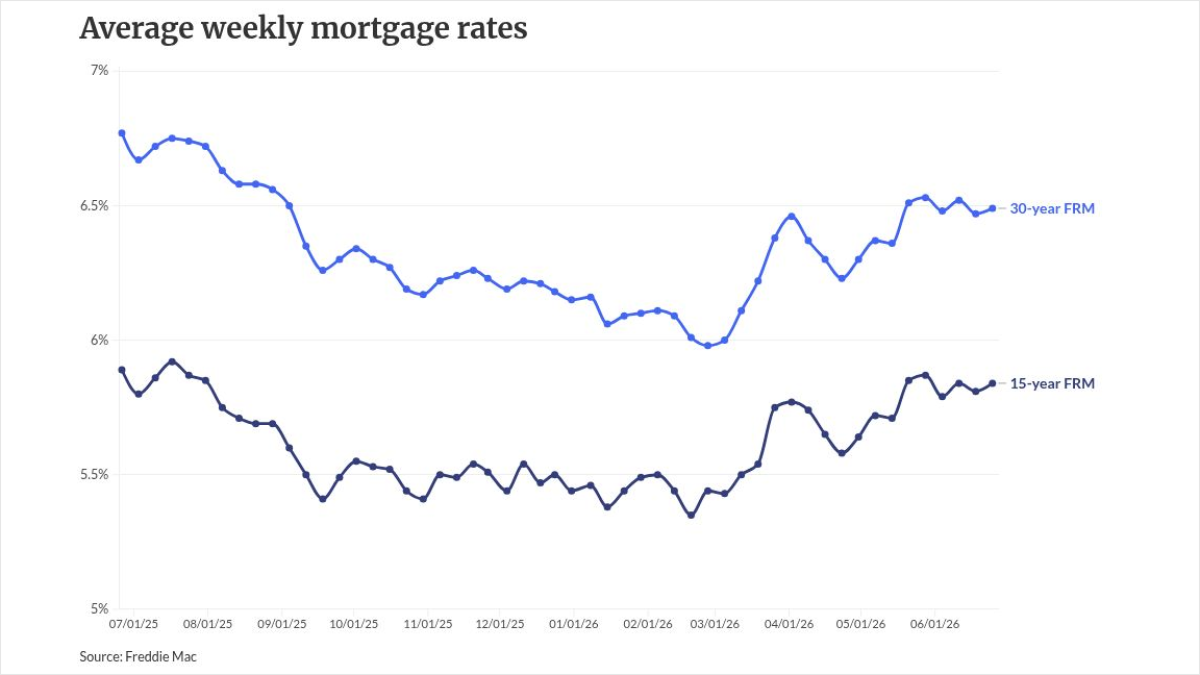
Mortgage rates remained essentially flat at 6.49% during the week ending June 25, 2026, according to Freddie Mac data, reflecting a six-week stability band despite competing geopolitical and monetary policy signals. The 30-year fixed-rate mortgage held steady at 6.49% (vs. 6.47% prior week), with refinance rates at 6.62%, while 15-year fixed rates increased to 5.84%. This stagnation directly impacts e-commerce sellers across home-related categories through reduced consumer purchasing power and delayed discretionary spending on furniture, appliances, home improvement products, and décor.
The financial constraint mechanism operates through multiple channels affecting seller demand. Higher mortgage rates increase monthly housing costs by $300-500 per $300,000 home purchase, compressing household budgets available for discretionary home goods purchases. According to the news analysis, existing home sales hover near 4 million annually—substantially below the historic 5.2 million norm—indicating a 23% contraction in housing market activity. This translates directly to reduced demand for moving-related products (furniture, storage solutions, décor), home renovation supplies, and appliances that typically correlate with home purchases and refinancing activity. Sellers in furniture, home improvement, and appliance categories should expect 15-25% demand compression through Q3 2026 as consumers prioritize mortgage payments over discretionary home upgrades.
The Fed's hawkish stance and geopolitical volatility create uncertainty that extends the demand suppression timeline. Federal Reserve Chairman Kevin Warsh's inflation concerns signal potential rate increases before year-end, preventing the rate declines that would unlock pent-up demand. The news indicates mortgage rates rose from under 6% in mid-April to 6.50% by late June—a 50+ basis point increase—despite Fed rate cuts in late 2024 and 2025. This volatility discourages consumer decision-making: homebuyers delay purchases awaiting rate clarity, and existing homeowners with sub-6% rates (82.8% of mortgaged homeowners per Redfin Q3 2024 data) remain locked into current properties, eliminating the "move-up" demand that drives home goods sales. The July 14 inflation data release and July 29 Fed meeting represent critical decision points; if rates rise further, demand compression could extend through Q4 2026.
Working capital optimization becomes critical as consumer demand contracts. Sellers holding excess inventory in home-related categories face extended cash conversion cycles and potential markdown pressure. The constrained housing market creates a 60-90 day demand lag: consumers delay purchases, inventory turnover slows, and working capital remains tied up longer. Sellers should immediately evaluate inventory positions, prioritize fast-moving SKUs, and consider invoice financing or inventory loans to bridge the cash flow gap. The 6.49% mortgage rate environment suggests this demand suppression will persist through summer 2026, making aggressive inventory management and cash flow optimization essential for maintaining margins.
Questions 7
Which home goods categories are most vulnerable to mortgage rate-driven demand compression?
Furniture, appliances, and home improvement products are most vulnerable as these categories correlate directly with home purchases and renovations. Moving-related products (storage solutions, organizational items) face additional pressure from the 23% decline in home sales activity. Conversely, in-place renovation items (paint, flooring, décor) and maintenance products may show relative resilience as homeowners invest in existing properties rather than relocating.
When could mortgage rates decline, and what would that mean for home goods demand recovery?
The news indicates mortgage rates may decline if oil prices continue falling and inflation expectations ease, with critical decision points at the July 14 inflation data release and July 29 Fed meeting. However, Federal Reserve Chairman Kevin Warsh's hawkish stance signals potential rate increases before year-end, making near-term rate declines unlikely. Sellers should plan for sustained demand suppression through Q3 2026 and monitor Fed communications closely for any signals of rate relief that could unlock pent-up demand.