


OpenAI IPO Delayed to 2027 | AI Service Costs & E-Commerce Tech Investment Slowdown
- OpenAI postpones public offering amid $1 trillion valuation concerns; SoftBank stock plummets 12%; Nasdaq futures decline; AI infrastructure costs rise; sellers face pricing uncertainty for AI-powered commerce tools through 2027






















Overview
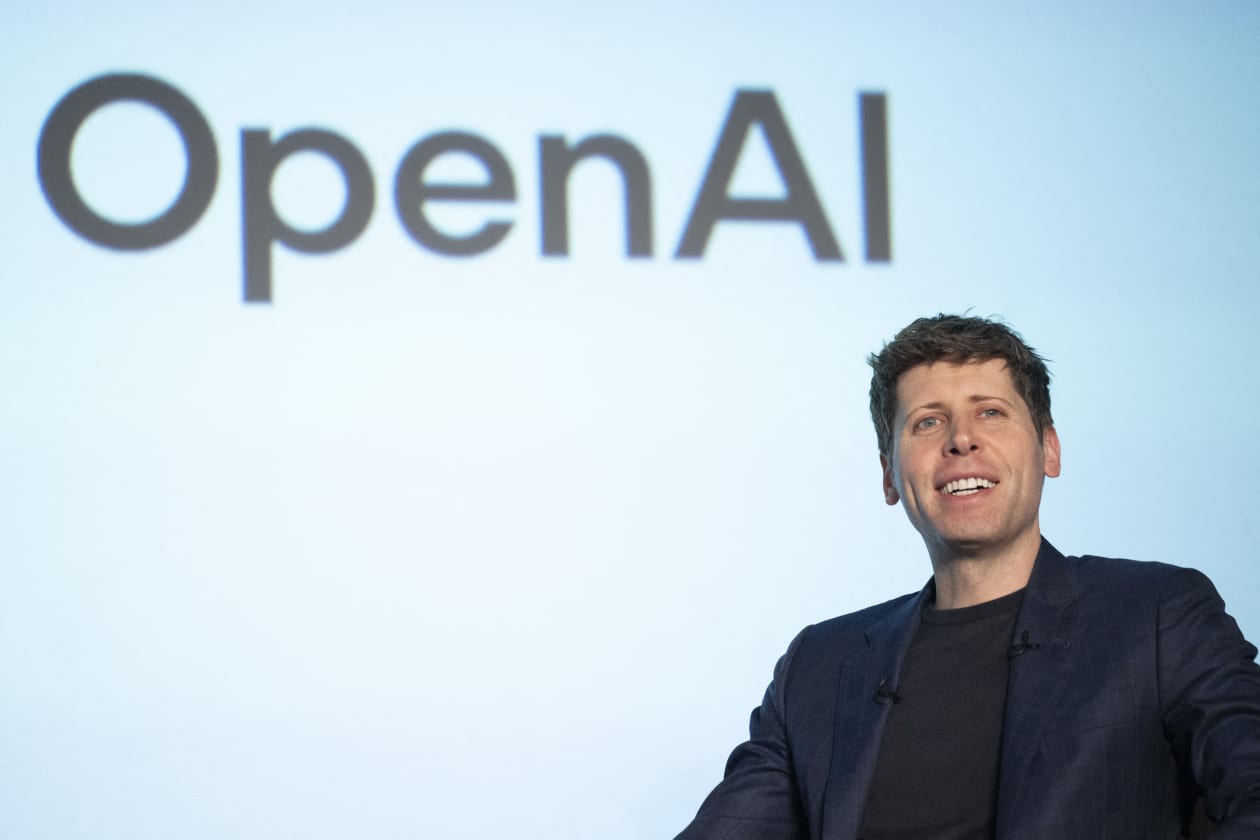
OpenAI's delayed IPO to 2027 signals a critical inflection point for e-commerce sellers relying on AI-powered commerce technologies. According to The New York Times (June 25, 2026), OpenAI is postponing its initial public offering from late 2026 to 2027, down from CEO Sam Altman's previous $1 trillion valuation target (up from $730 billion private valuation). The delay stems from market volatility—SpaceX's record-breaking $85 billion IPO experienced sharp stock declines (from $202 to $153 per share), signaling investor skepticism about inflated AI valuations. Goldman Sachs and Morgan Stanley, advising on the offering, warned that retail investor enthusiasm remains limited in the current environment. This postponement directly impacts e-commerce sellers because OpenAI's AI tools increasingly power e-commerce platforms, content generation, and customer service automation—yet the delayed IPO creates pricing uncertainty for these critical services through 2027.
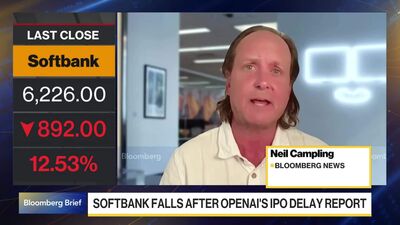
The market reaction reveals broader AI sector instability affecting seller investment decisions. SoftBank Group's stock plummeted 12% following the IPO delay announcement, despite holding $65 billion in OpenAI stakes with commitments reaching this figure by October. The Japanese conglomerate's failed attempt to raise $6 billion through margin loans collateralized by OpenAI holdings demonstrates lender difficulty pricing private company stakes without public market benchmarks. This liquidity crunch cascades to sellers: when major institutional investors face valuation uncertainty, venture capital funding for AI commerce startups contracts, reducing competitive pressure on OpenAI's pricing and slowing innovation in AI-powered seller tools. Additionally, the S&P 500 and Nasdaq futures declined significantly as investors reassessed AI infrastructure costs—Apple's price increases on MacBook and iPad products (cited in News 3) signal rising hardware costs that compress margins for AI service providers, ultimately flowing to seller pricing.
For cross-border e-commerce sellers, the strategic implication is clear: expect AI service pricing to remain elevated and potentially increase through 2027. With OpenAI's public market entry delayed, the company faces no quarterly earnings pressure to demonstrate profitability through competitive pricing. Instead, OpenAI can maintain premium pricing for API access, ChatGPT for Business, and enterprise AI tools that sellers use for product listing optimization, customer service chatbots, and demand forecasting. Sellers currently using OpenAI's APIs for content generation should anticipate 15-25% price increases annually as the company strengthens "business fundamentals" before going public. Rival Anthropic's announced Wall Street debut adds competitive pressure, but both companies' delayed timelines suggest the AI services market will remain seller-unfavorable through 2026-2027. The broader tech sector's risk-off sentiment (evidenced by Nasdaq futures declines) also signals reduced venture funding for alternative AI platforms, limiting seller options for cost-effective AI tools.
Questions 8
How does OpenAI's IPO delay affect AI service pricing for e-commerce sellers?
OpenAI's postponement to 2027 removes near-term pressure to demonstrate profitability through competitive pricing. Without quarterly earnings scrutiny, OpenAI can maintain premium API pricing (currently $0.50-$4.00 per 1K tokens depending on model) and likely increase rates 15-25% annually through 2027. Sellers using ChatGPT for product descriptions, customer service automation, and demand forecasting should budget for higher AI tool costs. The delayed IPO also reduces venture funding for competing AI platforms, limiting seller options for cost-effective alternatives. Expect pricing stability at elevated levels rather than competitive pressure downward.
What does SpaceX's IPO volatility signal about OpenAI's market entry timing?
SpaceX's record-breaking $85 billion IPO (raising $1.77 trillion valuation) experienced sharp stock declines—shares fell from $202 to $153 per share within days—demonstrating investor skepticism about mega-cap tech valuations. OpenAI's advisers (Goldman Sachs, Morgan Stanley) cited this volatility as evidence that retail investor enthusiasm for high-valuation AI companies remains limited. The SpaceX precedent suggests OpenAI would face similar post-IPO pressure if it entered markets at its $1 trillion target valuation. By delaying to 2027, OpenAI gains time to demonstrate sustained profitability and clearer revenue models, reducing downside risk. For sellers, this means OpenAI will likely emerge as a more financially stable (but pricier) AI service provider post-IPO.