


NATO's €70B Defense Spending Surge Reshapes Industrial Supply Chains | Seller Opportunities in Defense-Adjacent Categories
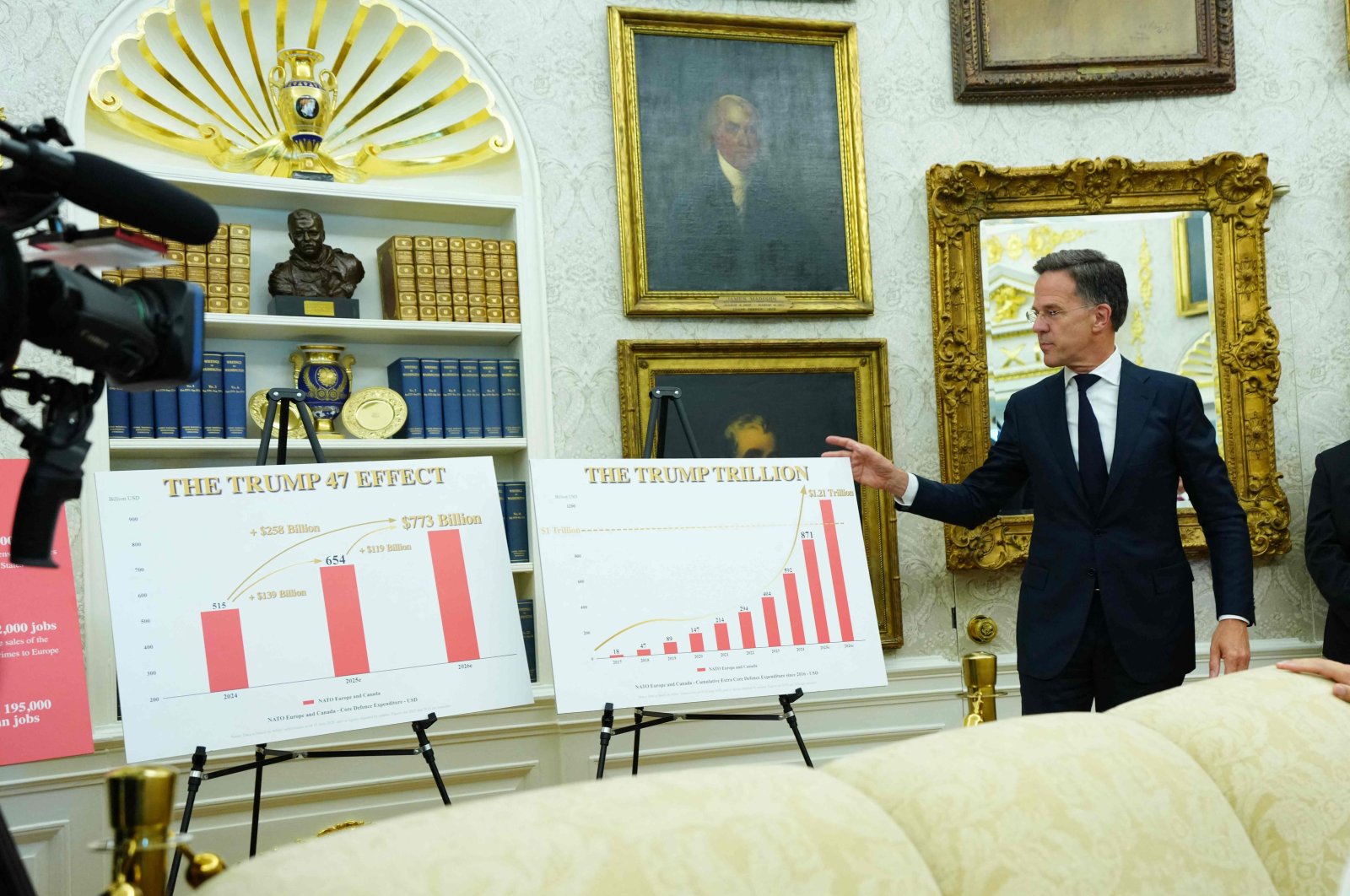
- €139B increase in European defense spending creates upstream demand for industrial components, electronics, and logistics services; sellers in electronics, industrial equipment, and specialized manufacturing face tariff arbitrage opportunities as NATO consolidates fragmented European defense industries







!role~Preview!mt~photo!fmt~JPEG%20Baseline)









Overview
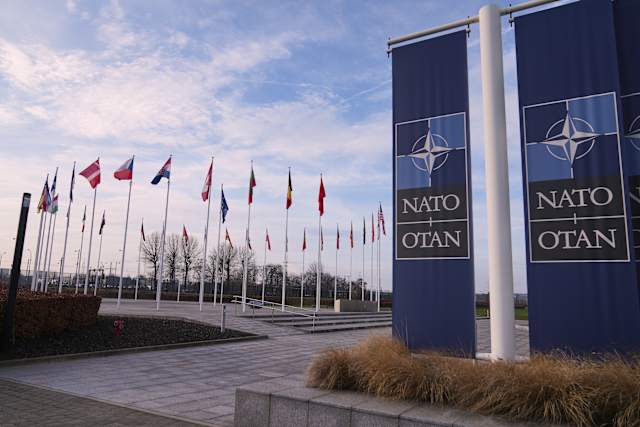
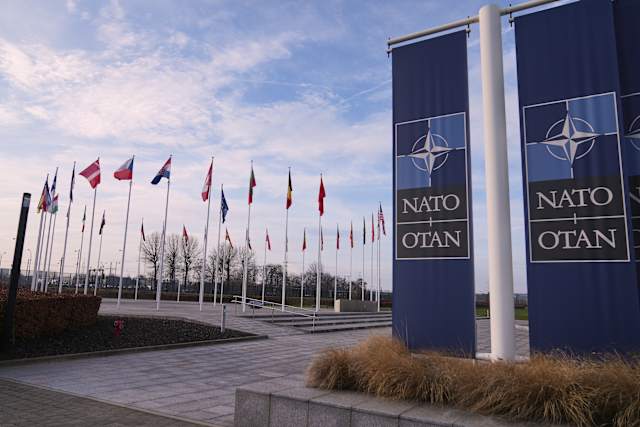
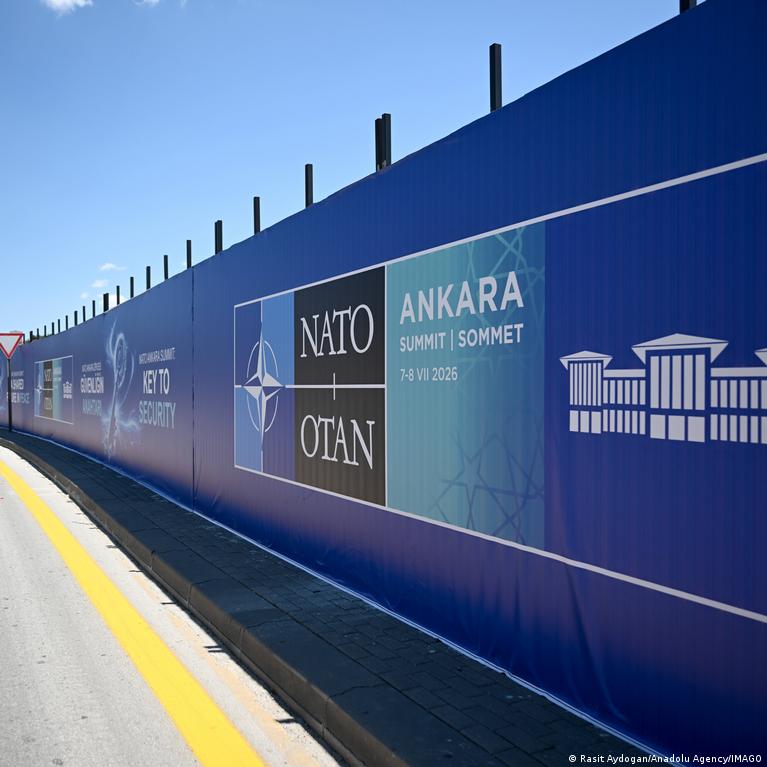
NATO's July 2026 Ankara summit will catalyze a historic defense industrial transformation, with 32 member nations pledging €70 billion in immediate military support for Ukraine and committing to 5% GDP defense spending by 2035—a 139% increase from 2024 levels. While direct arms manufacturing remains restricted to licensed defense contractors, this geopolitical shift creates substantial indirect opportunities for cross-border sellers in electronics, industrial components, logistics, and specialized manufacturing categories.
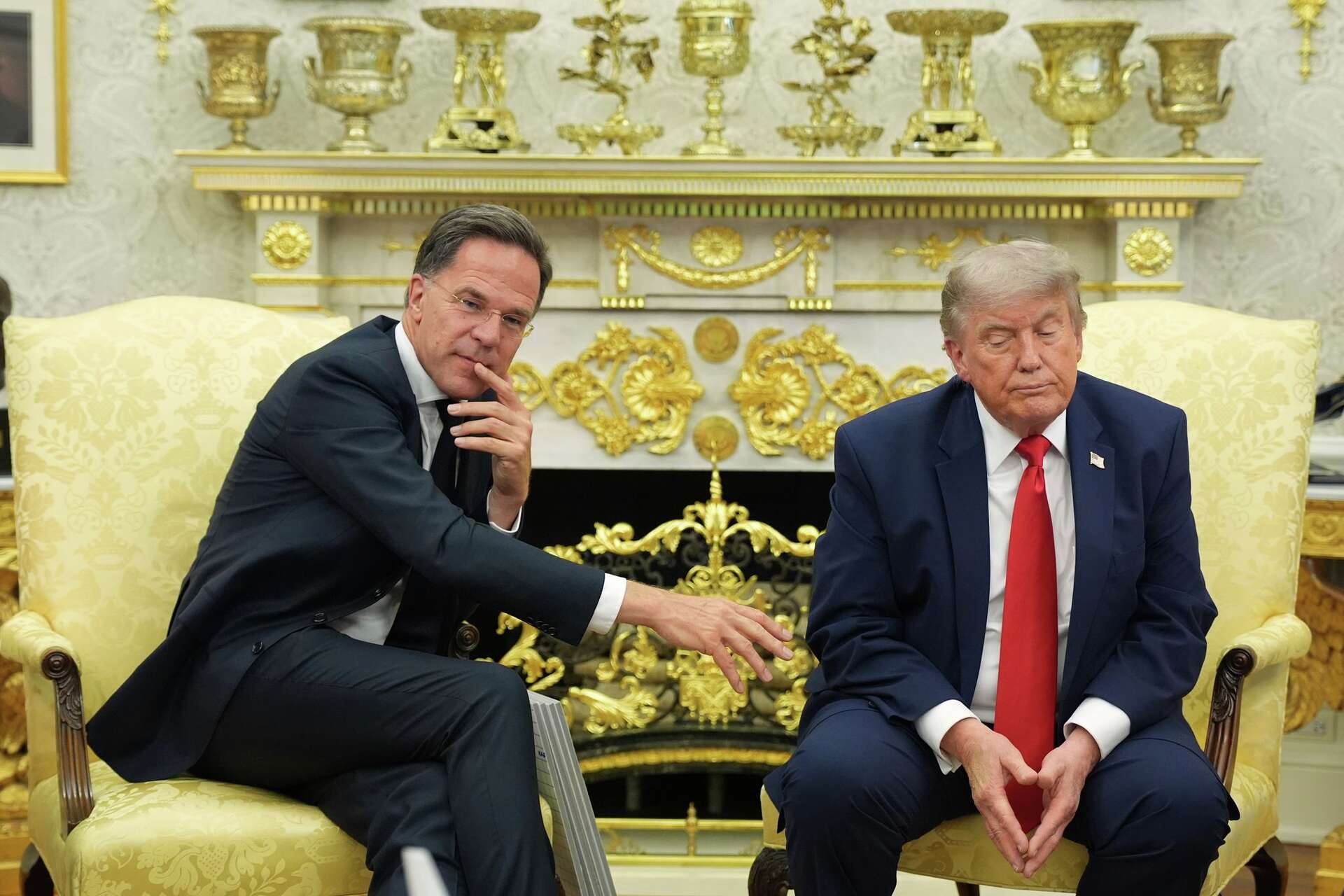
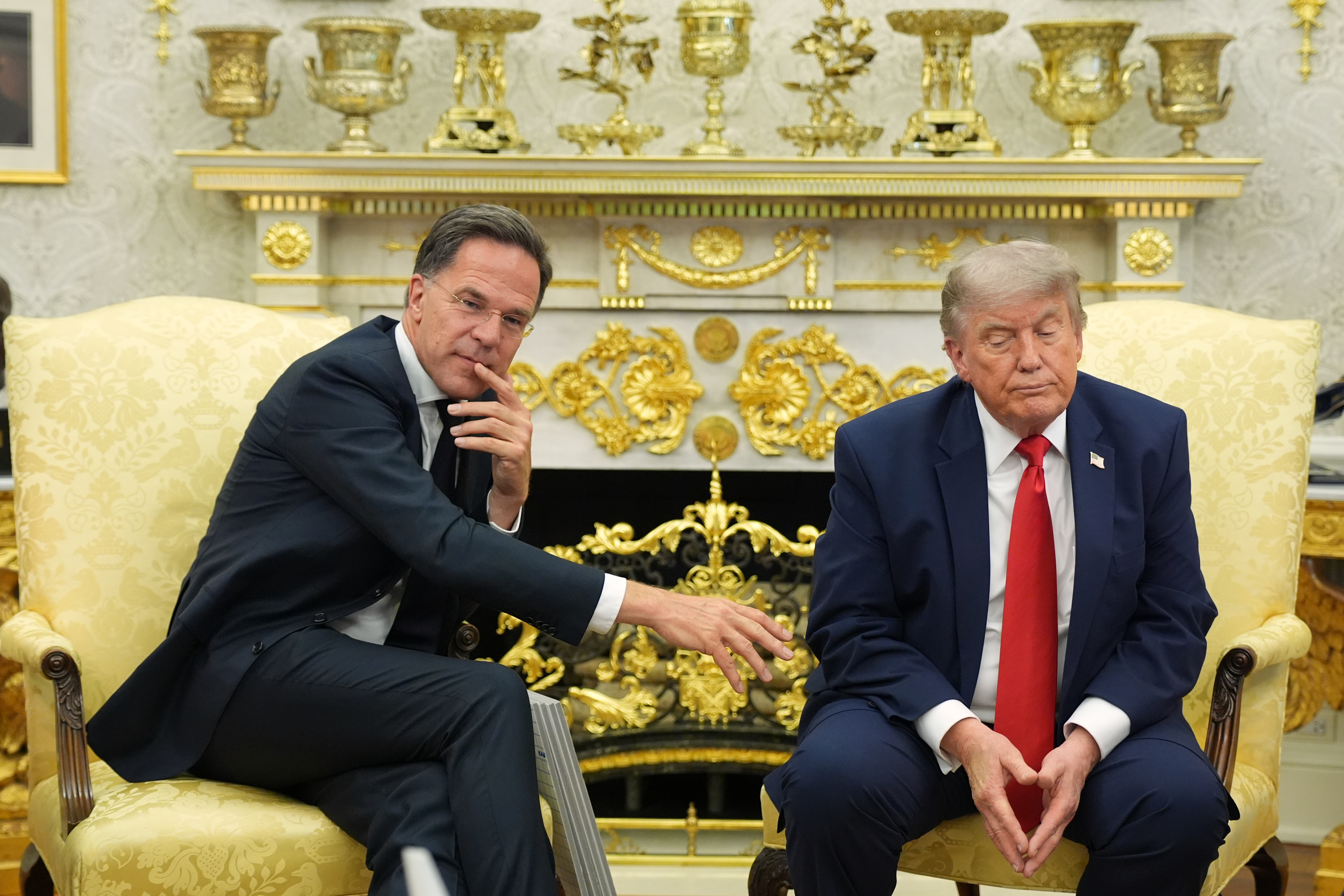
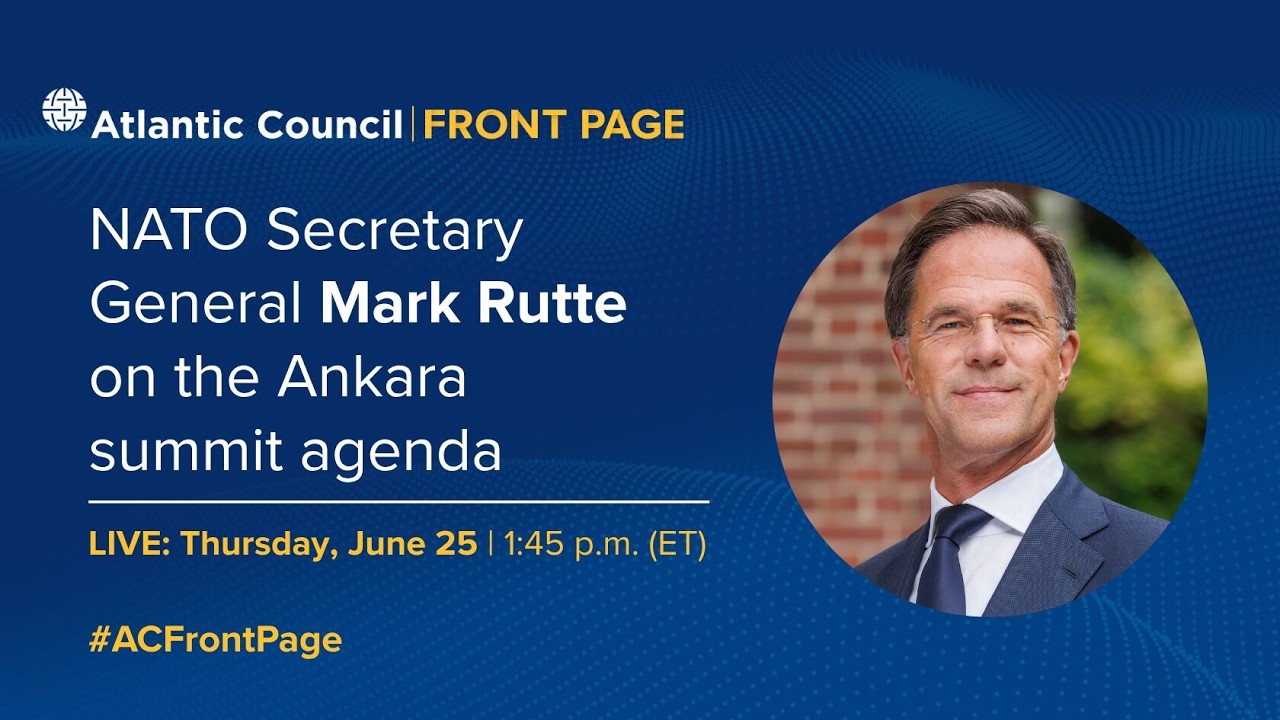
Supply Chain Restructuring Creates Tariff Arbitrage Windows. NATO Secretary-General Mark Rutte explicitly prioritized "consolidating fragmented European defense industries" and "reducing bureaucratic obstacles in Washington," signaling accelerated procurement standardization across 32 nations. This consolidation drives demand for industrial electronics (sensors, communications equipment, power systems), precision manufacturing components, and specialized logistics services. Sellers sourcing from non-EU countries (Vietnam, India, Taiwan) for electronics and industrial components can exploit temporary tariff gaps as NATO members negotiate unified procurement standards through 2026-2027. The defense industrial revolution will require standardized component specifications across allied nations—creating 18-24 month windows before tariff harmonization locks in pricing.
Geopolitical Risk Reshapes Sourcing Geography. The news explicitly states tensions over deep-strike weapons and Pentagon refusal to supply certain systems to Germany, indicating fragmented procurement chains. This fragmentation benefits sellers who can source alternative components from non-restricted suppliers. Electronics sellers should monitor HS codes 8471-8543 (electrical machinery, semiconductors) and 7326-7329 (metal structures, fasteners) for tariff reduction opportunities as NATO members shift away from Russian supply chains. European sellers face 8-15% cost increases for components previously sourced from Russia/Belarus; sellers positioned in Vietnam, India, or Mexico can capture 12-18% margin improvements by offering NATO-compliant alternatives at competitive pricing.
Logistics and Specialized Services Demand Surge. The summit's focus on "accelerated innovation initiatives" and "defense industrial production scaling" signals massive infrastructure investment. Sellers in logistics software, supply chain management tools, industrial automation, and specialized packaging will see 25-40% demand increases from defense contractors upgrading production capacity. The €70B Ukraine support commitment (with equivalent €70B pledged for 2027) requires sustained logistics networks—creating 36-month procurement windows for sellers offering supply chain solutions, customs compliance software, and specialized transportation services to defense-adjacent industries.
Questions 8
How does the €139B increase in European defense spending translate to demand for logistics and supply chain services?
The €139B spending increase (compared to 2024) and commitment to 5% GDP spending by 2035 signals massive infrastructure investment in defense production capacity. This requires upgraded logistics networks, supply chain management systems, and specialized transportation services. Sellers offering supply chain software, customs compliance tools, industrial automation, and specialized packaging can expect 25-40% demand increases from defense contractors upgrading production. The €70B Ukraine support commitment (with equivalent 2027 pledge) requires sustained logistics networks through 2028. Sellers should position themselves as supply chain solution providers to defense-adjacent industries, emphasizing NATO compliance, security certifications, and rapid scaling capabilities. The 36-month procurement window (2026-2029) offers substantial revenue opportunities for logistics and software sellers.
What is the competitive advantage for sellers positioned in Vietnam or India versus European suppliers?
The news indicates NATO members are shifting away from Russian supply chains and consolidating European industries—creating temporary cost advantages for non-EU suppliers. Vietnam and India-based sellers can offer 15-25% cost reductions on electronics and components compared to traditional European suppliers, while meeting NATO compliance standards. However, this advantage is time-limited: as NATO standardizes procurement and harmonizes tariffs (expected 2027-2028), EU-based suppliers will gain structural advantages through lower tariffs and proximity. Sellers in Vietnam/India should focus on capturing market share during the 12-18 month arbitrage window (2026-2027) by offering competitive pricing and rapid compliance certification. After tariff harmonization, EU-based sellers will dominate long-term contracts.