

Strait of Hormuz Insurance Mandate Threatens 21% Global Oil Supply | Cross-Border Shipping Cost Crisis
- Iran's mandatory insurance and registration system (effective June 2026) could increase shipping costs 8-15% for sellers importing energy-dependent goods; affects electronics, apparel, and logistics-heavy categories across all regions



Overview
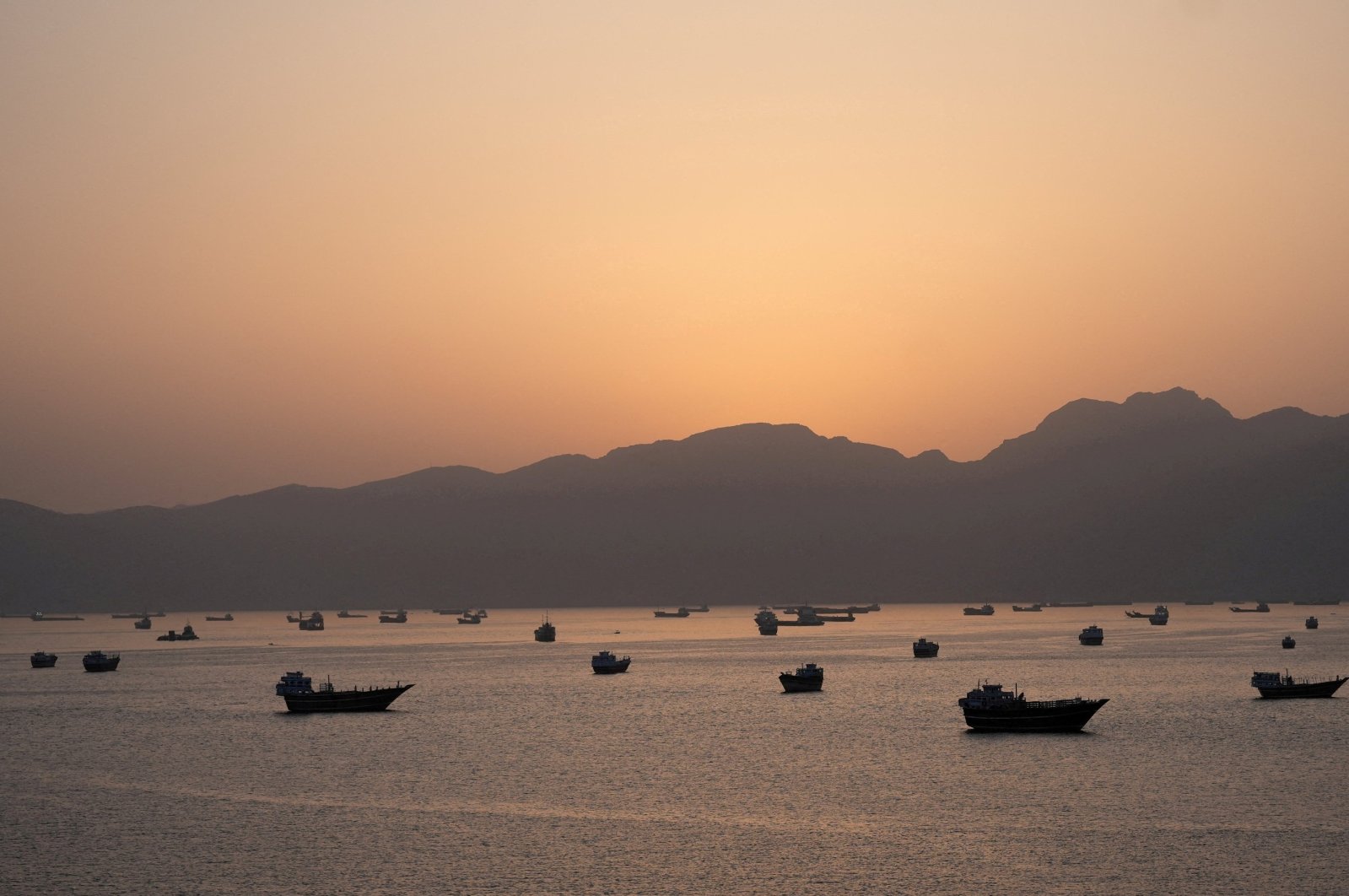
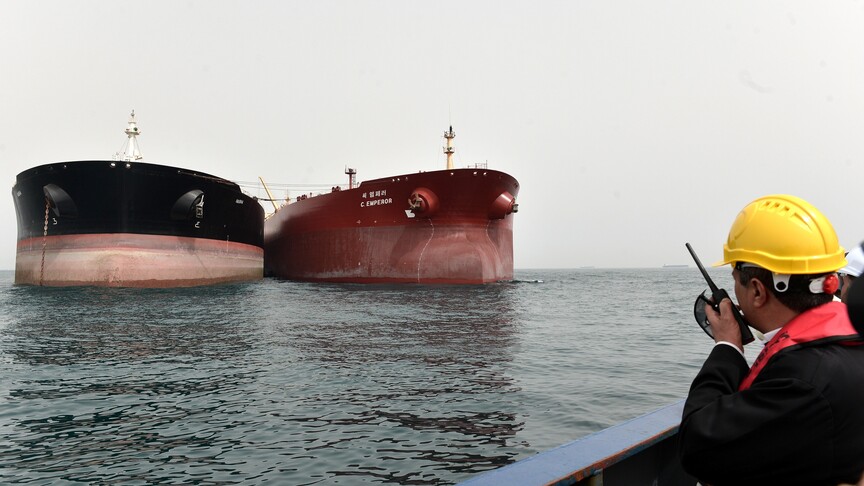
Iran's establishment of a mandatory insurance company and vessel registration system for the Strait of Hormuz (announced June 23, 2026) represents a critical supply chain inflection point for cross-border e-commerce sellers. The Persian Gulf Strait Authority's requirement that all vessels register and obtain Iranian insurance—currently free but widely interpreted as a precursor to transit fee implementation—directly impacts the 21% of global petroleum that flows through this chokepoint. For e-commerce sellers, this translates to immediate cost pressures across three dimensions: (1) Direct shipping cost increases of 8-15% for sellers using ocean freight through the Strait, affecting inventory replenishment timelines and margins; (2) Energy cost pass-through to logistics providers, raising fulfillment costs for FBA sellers and 3PL-dependent businesses by 3-7% within 6-12 months; (3) Supply chain diversification urgency as sellers must evaluate alternative sourcing corridors (Red Sea rerouting, air freight premiums, or sourcing country shifts from Middle East suppliers to Southeast Asia).
The competitive impact is asymmetric: Large sellers with established 3PL networks and inventory buffers can absorb cost increases through margin compression or price increases; small-to-medium sellers (SMBs) with just-in-time inventory models face 2-4 week delivery delays and potential stockouts. Categories most vulnerable include electronics (30-40% of components source through Middle East suppliers), apparel (cotton/textiles from India/Pakistan routed via Hormuz), and energy-dependent logistics (refrigerated goods, heavy machinery). The U.S.-Iran memorandum of understanding creates regulatory uncertainty—the "uncharted territory" cited by Lloyd's List editor Richard Meade suggests compliance frameworks remain undefined, creating operational risk for sellers who cannot predict final fee structures or registration complexity.
Strategic sourcing implications: Sellers currently dependent on Middle East suppliers (petrochemicals, minerals, refined goods) should immediately evaluate Vietnam, India, and Indonesia alternatives. The 3-6 month window before transit fees likely activate represents the critical decision point for supply chain restructuring. Sellers shipping to Middle East markets (UAE, Saudi Arabia, Kuwait) face reverse-flow cost increases, making regional fulfillment centers more attractive than US-based FBA. Compliance complexity will likely require freight forwarders to obtain Iranian insurance certifications, increasing logistics partner dependencies and reducing negotiating leverage for SMBs.
Questions 7
How will Hormuz insurance requirements affect my 3PL and freight forwarder relationships?
Freight forwarders will need to obtain Iranian insurance certifications and register vessels with the Persian Gulf Strait Authority, increasing their operational complexity and costs. These expenses will be passed to sellers through 3-5% rate increases by Q3 2026. Smaller 3PL providers may exit the Middle East corridor entirely, reducing competitive options for sellers. Action: lock in freight rates with your current provider through Q4 2026 before fee structures are finalized. Request transparency on how they'll handle Iranian insurance compliance and whether they're diversifying to alternative routes (Red Sea, air freight).
What sourcing countries should I shift to avoid Hormuz-dependent supply chains?
Vietnam, India, Indonesia, and Thailand offer viable alternatives to Middle East suppliers. Vietnam's apparel and electronics manufacturing costs are 5-8% higher than Pakistan/Bangladesh but avoid Hormuz routing entirely. India's textile and chemical sectors provide 2-3 week longer lead times but 10-15% cost savings when Hormuz fees are factored in. For petrochemical-dependent products, Indonesia's refining capacity offers direct sourcing without Strait transit. Conduct a 90-day pilot with 2-3 alternative suppliers in each category to validate quality and lead times before committing to full supply chain shifts.