


AI Infrastructure Capex Surge Reshapes Tech Valuations | E-Commerce Sellers Face Component Cost Pressures & Platform Investment Uncertainty
- Microsoft stock down 35% YTD as $190B AI capex consumes 100% of operating cash flow; hyperscalers collectively spending $700B in 2026; memory chip costs surge 2.5x, forcing Xbox/Apple price increases; sellers face component scarcity, rising device costs, and uncertain platform spending on seller tools


















Overview
The Fundamental Shift: From Earnings to Capital Intensity
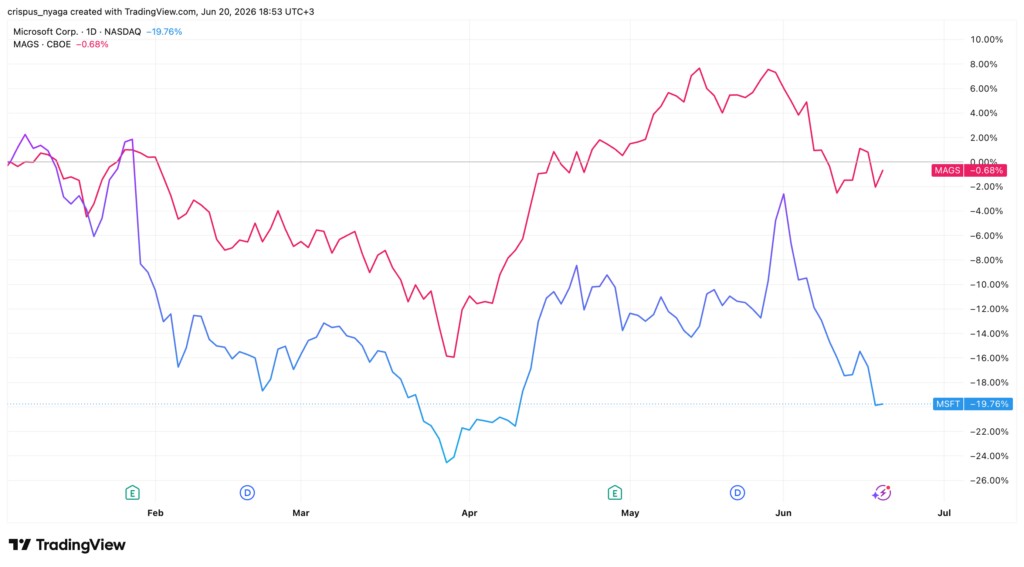
Microsoft's 35% stock decline since 2026 start marks its worst performance since December 2000, yet the company maintains strong fundamentals—16-18% YoY revenue growth for eight consecutive quarters and consistent earnings beats. The market repricing reflects a seismic shift in how technology giants are valued. Rather than pricing based on current profitability, investors now focus on massive capital expenditure requirements. Microsoft's FY2026 capex guidance reached $190 billion (60% YoY increase), with Bank of America projecting the figure could approach this level. Critically, this capex surge consumes nearly 100% of operating cash flow in 2026 (up from 70% in 2025), leaving minimal free cash for shareholder returns through buybacks and dividends. The broader hyperscaler sector faces identical pressures: Amazon, Alphabet, Meta, and Oracle collectively project $700 billion in AI infrastructure spending for 2026.
Direct E-Commerce Seller Impact: Component Costs & Supply Chain Disruption
For cross-border e-commerce sellers, this capital intensity crisis creates immediate operational challenges. Memory and storage chip costs have surged 2.5x their previous levels, forcing major consumer electronics manufacturers to implement aggressive price increases. Microsoft announced Xbox console price hikes effective August 1, 2025—the 512GB model rising $100 and the 1TB version increasing $150, with the 2TB model discontinued entirely. Apple simultaneously raised MacBook and iPad prices, citing elevated memory and storage costs amid strong AI-driven demand. These concurrent price increases signal the beginning of AI-induced pricing pressures cascading through the technology sector. For sellers reliant on electronics inventory (laptops, tablets, gaming consoles, storage devices), this creates a critical margin compression challenge: component costs rising faster than retail prices can absorb, reducing profitability on high-volume SKUs.
Platform Investment Uncertainty & Logistics Infrastructure Risk
The capital intensity crisis also threatens platform spending on seller tools and services. With hyperscalers allocating nearly all operating cash flow to AI infrastructure, discretionary spending on seller-facing features, advertising tools, and logistics innovations faces potential constraints. Qualcomm's announced expansion into data center markets reflects industry recognition that infrastructure represents the primary growth opportunity, yet this competition for capital may slow innovation in seller-support technologies. Micron's positive earnings guidance and improved forward outlook provide one bright spot—signaling potential stabilization in memory markets after months of weakness. This suggests component cost pressures may moderate in coming quarters, offering relief for sellers managing inventory costs. However, the broader market volatility (S&P 500 and Nasdaq declining while Dow rose) reflects investor uncertainty about whether AI investment returns justify the capital intensity, creating unpredictable platform spending patterns through 2026.
Questions 7
What does the $700 billion hyperscaler capex spending mean for platform seller tools?
The collective $700 billion AI infrastructure spending by Microsoft, Amazon, Alphabet, Meta, and Oracle in 2026 creates capital allocation constraints that may limit discretionary spending on seller-facing features and services. With hyperscalers consuming nearly 100% of operating cash flow on infrastructure, investment in seller tools, advertising innovations, and logistics solutions faces potential constraints. This uncertainty about platform spending patterns may influence sellers' decisions to invest in premium seller services or advertising tools. However, Qualcomm's expansion into data center markets and industry-wide recognition of infrastructure as a growth opportunity suggest long-term platform investments in AI-powered logistics and seller analytics will eventually accelerate once infrastructure buildout stabilizes.
How do rising memory chip costs affect e-commerce sellers selling electronics?
Memory and storage chip costs have surged 2.5x their previous levels, creating severe margin compression for electronics sellers. Microsoft announced Xbox price increases of $100-$150 effective August 1, 2025, while Apple simultaneously raised MacBook and iPad prices. For sellers reliant on electronics inventory—laptops, tablets, gaming consoles, storage devices—these component cost increases directly impact profitability. Sellers face a critical challenge: component costs rising faster than retail prices can absorb without losing competitiveness. Micron's positive earnings guidance signals potential stabilization in memory markets, suggesting component cost pressures may moderate in coming quarters, but sellers should expect continued pricing pressure through mid-2026.