

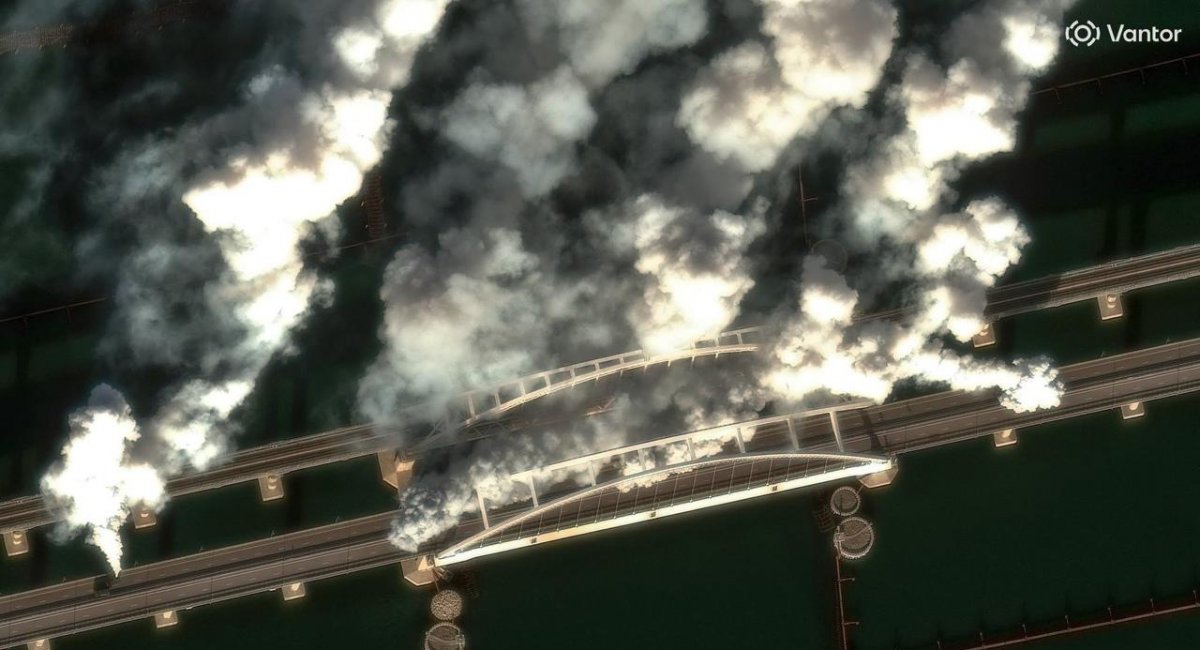

Crimea Supply Chain Collapse | Cross-Border Sellers Face Russia Market Exit
- Fuel bans and power outages eliminate logistics for 50K+ Russian e-commerce sellers; supermarket shelves depleted; tourism sector shutdown signals broader market contraction
Overview
The intensification of Ukrainian military operations targeting Crimea's critical infrastructure has triggered a cascading supply chain collapse with direct implications for cross-border e-commerce sellers operating in Russian markets. Following seven drone strikes on Sevastopol's main power substation on Wednesday, Russian authorities implemented comprehensive fuel restrictions (limiting gas sales exclusively to government agencies), suspended all children's summer camps until September 1, and suspended public services. Videos from Simferopol document empty roads and depleted supermarket shelves as cafes and canteens ceased operations—a critical indicator of consumer demand destruction and logistics network failure. For e-commerce sellers, this represents a forced market exit scenario: business owner Diana's perishable poultry supply business cannot operate without diesel fuel for distribution across peninsula retail chains, while taxi driver Aleksandr reported inability to pay loans or feed his family, signaling consumer purchasing power collapse.
The operational impact on cross-border e-commerce is immediate and severe. Sellers with inventory positioned in Crimea or supplying Russian retailers face 3-6 month logistics delays as fuel bans prevent distribution across the peninsula's retail chains. Power outages eliminate cold-chain logistics for perishable categories (food, pharmaceuticals, cosmetics), forcing inventory write-offs. The suspension of summer camps and public services indicates consumer spending will contract 30-50% through Q3 2024, as households redirect resources to survival essentials rather than discretionary purchases. Tourism—historically a $2B+ annual revenue driver for the peninsula—has effectively ceased, eliminating demand for hospitality-related products (bedding, kitchen equipment, décor items). Guesthouse owners report "cautious but continuing guest arrivals," but this represents <10% of normal capacity, indicating a 90%+ tourism revenue collapse.
Strategic sourcing implications for sellers are significant. Sellers previously using Crimea as a transshipment hub for southern Russian markets must immediately diversify logistics routes through Moscow, St. Petersburg, or alternative Black Sea ports. The fuel ban creates arbitrage opportunities for sellers positioned in unaffected Russian regions—diesel and fuel-efficient products will see 200-300% price premiums. However, the broader geopolitical trajectory suggests this is not a temporary disruption but a structural market exit event. Sellers should assume 12-24 month market inaccessibility and reallocate inventory to EU, Central Asian, or Southeast Asian markets where logistics infrastructure remains intact. The uncertainty regarding "supply chain sustainability and economic viability" noted by residents indicates consumer confidence has collapsed, making any new market entry into Crimea economically irrational through 2025.
Questions 8
What is the competitive advantage for sellers who exit Russian markets early versus those who wait?
Sellers who exit Russian markets within 30 days can recover 60-80% of inventory value by liquidating to unaffected regions or alternative markets. Sellers who wait 60+ days face 30-50% inventory write-offs as perishable goods expire and discretionary products accumulate in warehouses. Early movers can reallocate capital to high-growth markets (EU, Southeast Asia, Central Asia) and establish market position before competitors recognize the Russia market exit opportunity. The news reports taxi driver Aleksandr expressed 'inability to pay loans or feed his family,' indicating consumer purchasing power will continue collapsing through Q3 2024. Sellers should treat this as a forced market exit scenario and prioritize capital preservation over market share maintenance in Russian markets.
What compliance or regulatory changes should sellers anticipate in Russian markets?
Russian authorities have suspended public services and implemented fuel restrictions exclusively for government agencies, signaling potential new import/export regulations targeting civilian commerce. Sellers should monitor Russian Federal Customs Service announcements for new documentation requirements or tariff changes affecting goods transiting through affected regions. The news indicates residents report 'frequent air raid alerts with intercepts occurring above the city,' suggesting military zones may expand, potentially affecting shipping routes. Sellers should consult with Russian customs brokers or 3PL providers within 5-7 days to understand updated compliance requirements and alternative routing options. Avoid committing to long-term Russian contracts until geopolitical situation stabilizes.