



AI Chip Shortage Drives 15-20% Price Hikes on Gaming & Computing Hardware | Seller Margin Compression Alert
- Microsoft Xbox prices jump $100-$150 (Aug 2026), Apple Macs/iPads rise $100-$300; memory chip costs surge 15x amid AI datacenter demand; sellers face 8-15% margin compression on electronics inventory
Overview
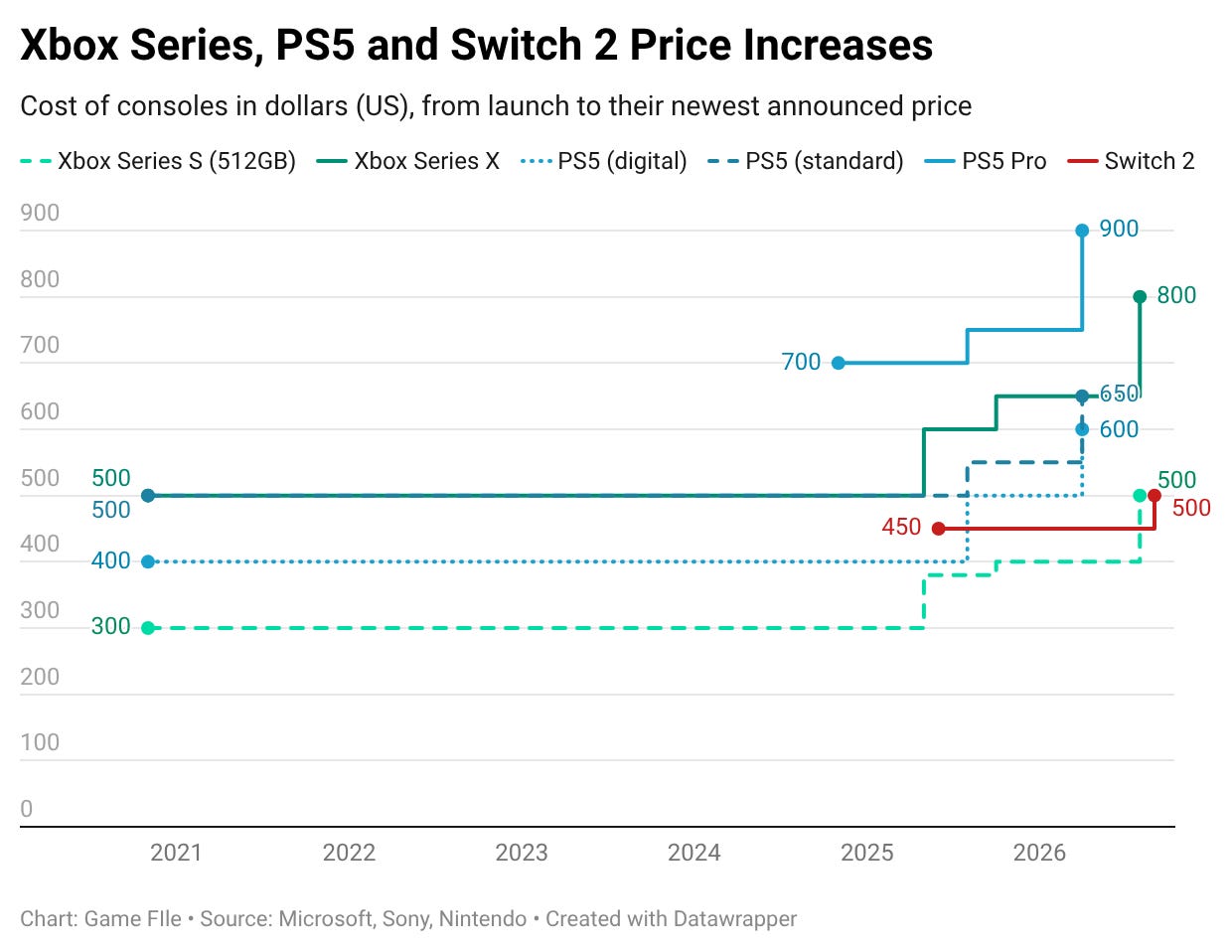
AI-driven memory chip shortages are triggering unprecedented price increases across consumer electronics, with Microsoft and Apple announcing major hikes on June 25, 2026. Microsoft is raising Xbox Series S to $500 and Series X to $800 (increases of $100-$150 globally, effective August 1, 2026)—marking the third price hike in 14 months. Apple simultaneously increased MacBook Neo by $100, MacBook Air and iPad Pro by $200, and MacBook Pro by $300, citing "extraordinary surge in demand for memory and storage" from AI data center expansion. This represents the most severe component cost inflation Apple has experienced.
For cross-border e-commerce sellers, this creates a critical supply chain inflection point. Memory chip manufacturers SK Hynix and Micron have crossed $1 trillion valuations, with Micron reporting a 15-fold jump in net profit, signaling sustained pricing power through 2026. Sellers sourcing electronics components or reselling these devices face 8-15% margin compression as wholesale costs rise faster than retail prices can adjust. The discontinuation of Xbox's 2TB model and anticipated iPhone price increases indicate broader product portfolio consolidation—sellers must anticipate inventory obsolescence and rapid SKU changes. For sellers in currency-volatile markets (LATAM, SEA, emerging EU), the dollar-denominated component costs create additional pricing complexity, potentially requiring 5-10% price adjustments to maintain margins.
Logistics and inventory strategy must shift immediately. Sellers should liquidate existing high-cost inventory (pre-price-increase stock) within 30-45 days before consumer demand shifts to lower-spec alternatives. The price increases will likely depress demand for premium gaming consoles and high-end computing devices by 10-20%, redirecting consumer spending toward mid-range and refurbished electronics. Warehouse positioning should prioritize fast-moving inventory in US and EU fulfillment centers before August 1 price implementation, as post-increase demand will concentrate on value-tier products. Consider shifting sourcing toward refurbished/certified pre-owned electronics from Asia-Pacific suppliers (Taiwan, South Korea) where component costs are lower, and explore dropshipping partnerships with authorized retailers to reduce inventory holding costs during this volatile period. The trend indicates sustained component cost pressures through end of 2026, requiring sellers to adopt dynamic pricing strategies and diversify into lower-margin, higher-velocity product categories.
Questions 8
How much margin compression should sellers expect on electronics inventory?
Sellers sourcing electronics components or reselling these devices face 8-15% margin compression as wholesale costs rise faster than retail prices can adjust. For sellers in currency-volatile markets (LATAM, SEA, emerging EU), dollar-denominated component costs create additional pricing complexity, potentially requiring 5-10% price adjustments to maintain margins. The 15-fold profit jump at Micron indicates memory chip suppliers have significant pricing power through 2026. Sellers should adopt dynamic pricing strategies and diversify into lower-margin, higher-velocity product categories to offset compression.
Should sellers shift to refurbished electronics or dropshipping models?
Yes, both strategies offer advantages during this period. Refurbished/certified pre-owned electronics from Asia-Pacific suppliers (Taiwan, South Korea) have lower component costs and will see increased consumer demand as buyers trade down from premium products. Dropshipping partnerships with authorized retailers reduce inventory holding costs and exposure to rapid price changes. FBA fulfillment remains viable for fast-moving mid-range products, but 3PL warehousing in US/EU fulfillment centers should prioritize inventory velocity over margin per unit. Consider a hybrid approach: FBA for high-velocity items, dropshipping for premium products, and 3PL for refurbished inventory.