




AI Infrastructure Cost Surge Triggers Tech Selloff | Electronics Sellers Face Rising Component Prices & Demand Uncertainty
- South Korea Kospi falls 5.8% amid chip cost inflation; Apple, Microsoft raise device prices; electronics sellers must prepare for margin compression and consumer demand shifts in Q1 2025



















Overview
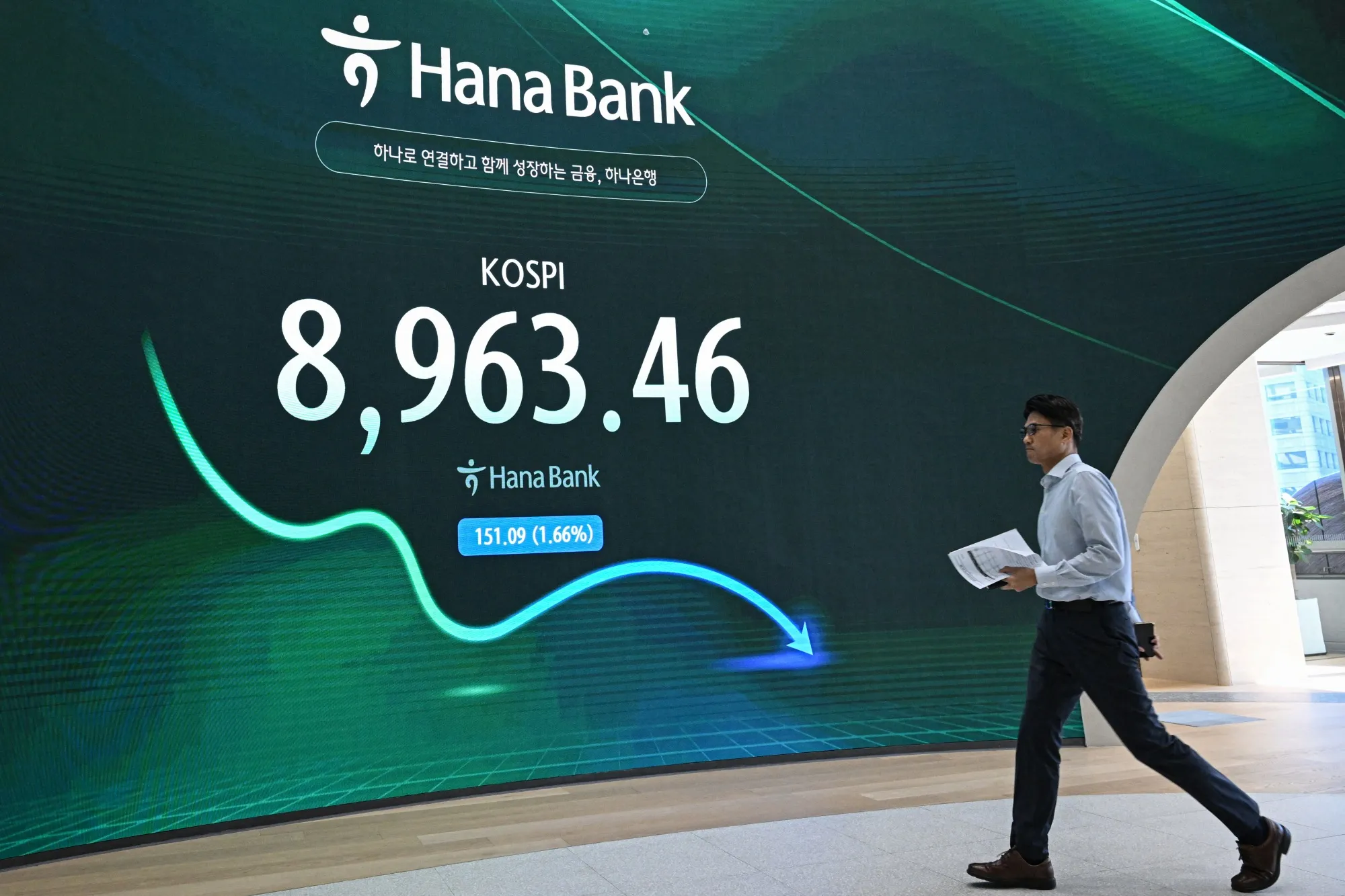
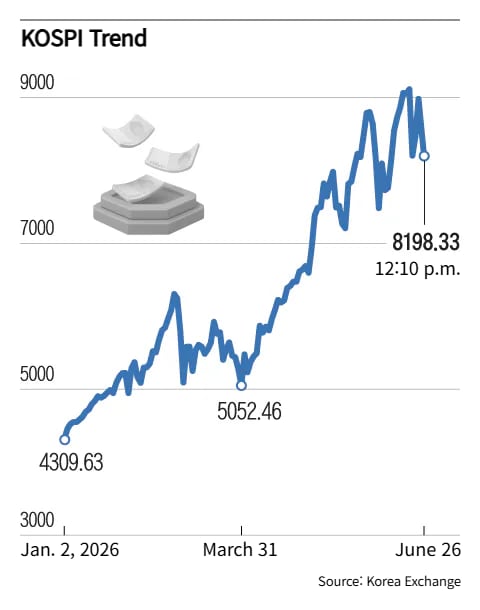
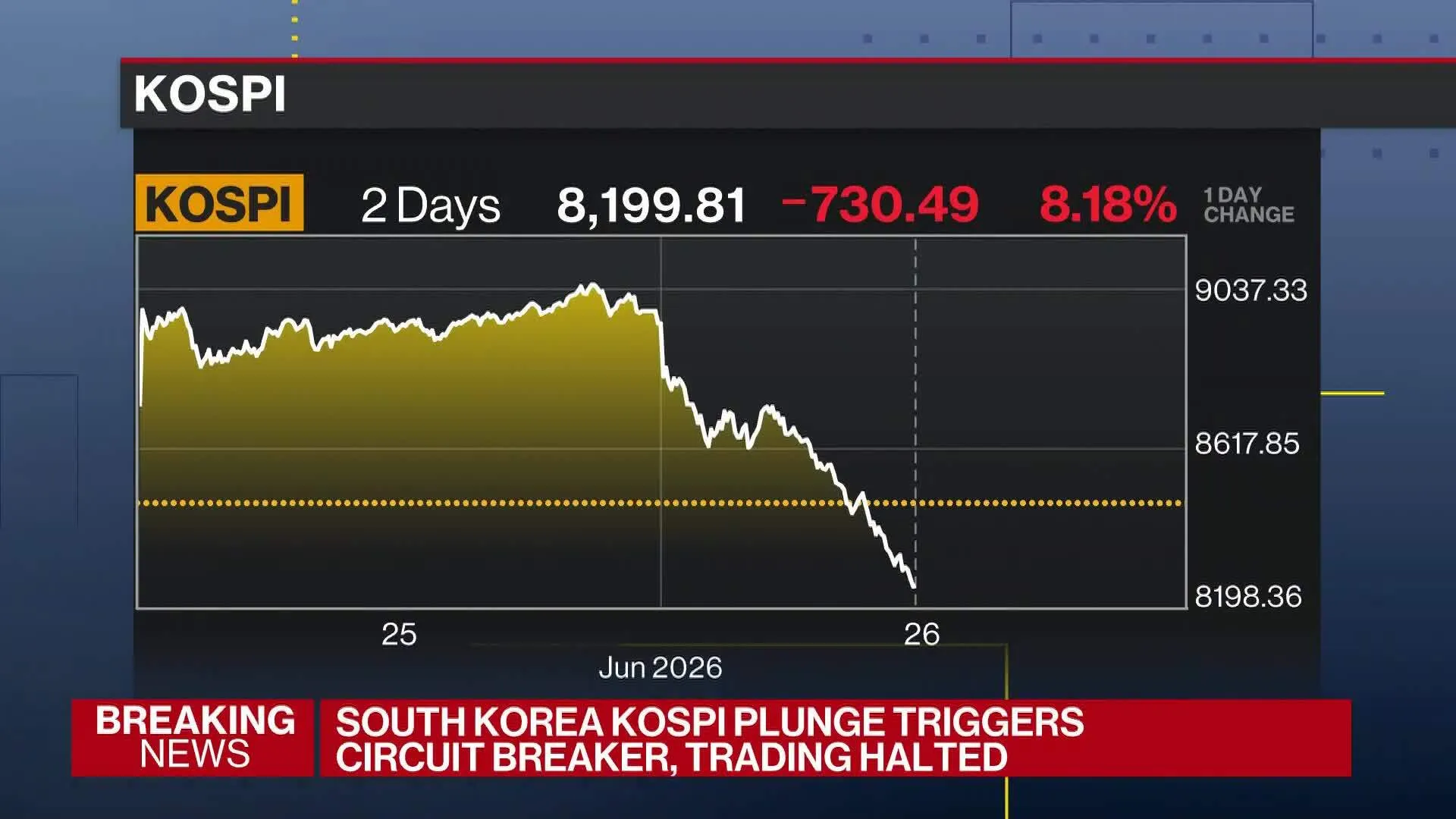
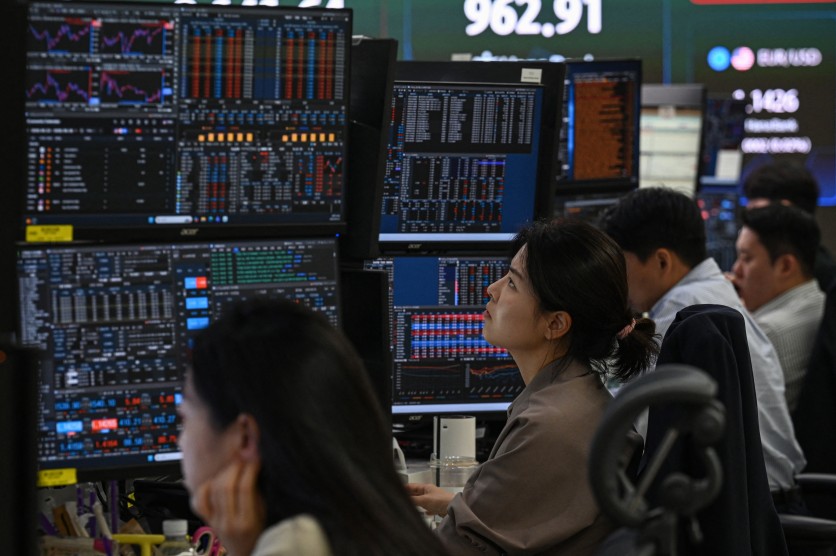
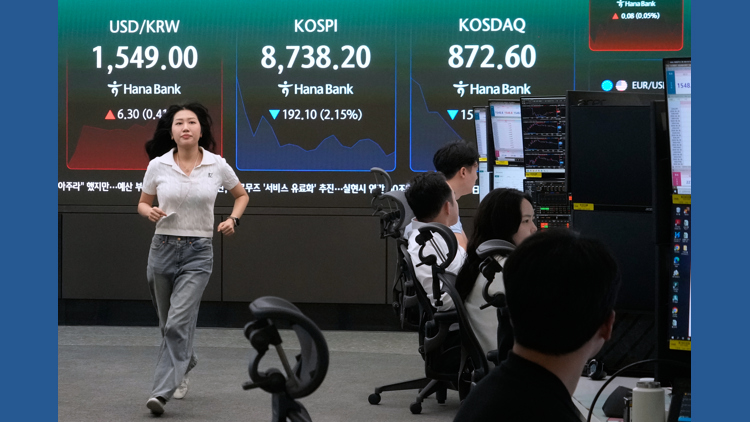
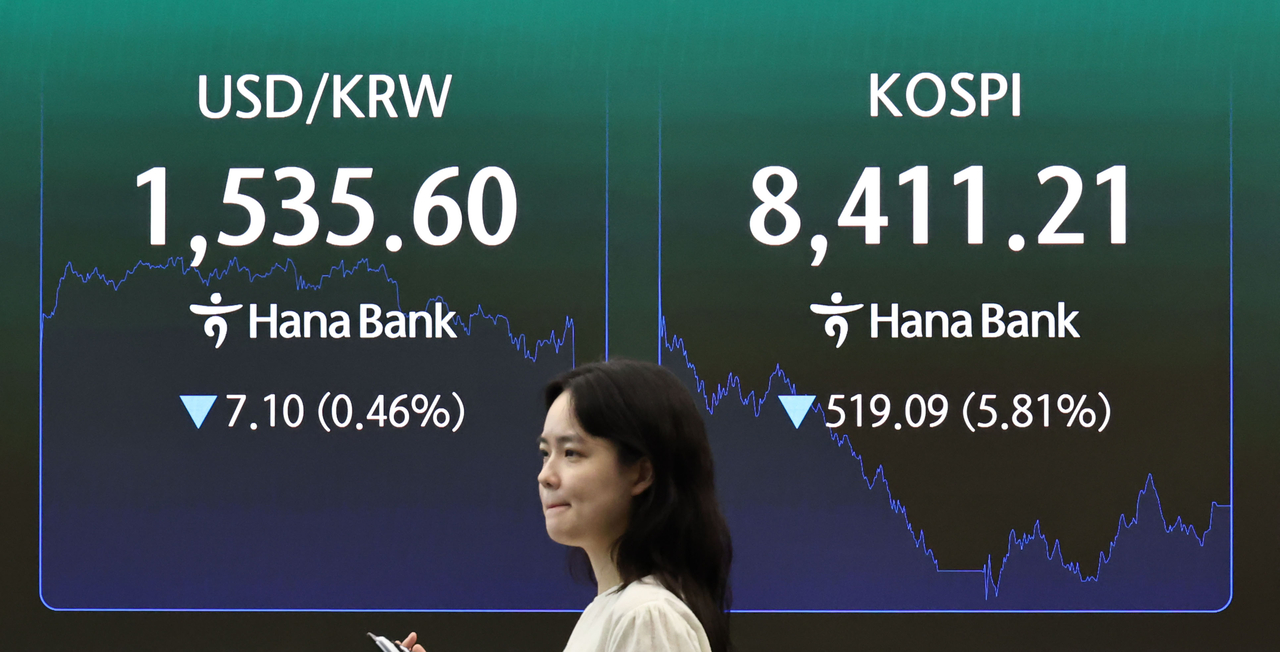
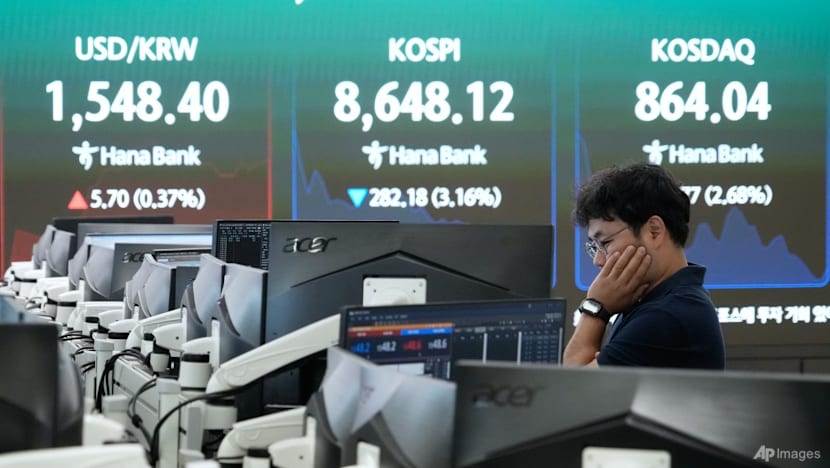
The AI infrastructure boom is colliding with harsh economic reality: rising component costs are being passed directly to consumers, triggering a major market correction across Asia and creating urgent challenges for electronics sellers. Asian stock markets experienced a significant selloff this week, with South Korea's Kospi index falling 5.8% and triggering circuit breakers (marking the third halt this week, fifth this year). Japan's Nikkei 225 declined over 4%, while Taiwan and mainland China indexes posted sharp losses. The catalyst: Apple announced price increases for iPads and MacBooks due to soaring computer chip costs, followed by a 6% drop in Apple shares—its largest single-day decline in over a year. Microsoft similarly raised Xbox console prices citing component cost increases.
For electronics sellers on Amazon, eBay, and Shopify, this represents a critical inflection point. The market correction reflects deeper concerns about whether massive technology sector spending on AI infrastructure—hundreds of billions annually—can be justified by near-term returns, particularly as commercialization costs transfer to end consumers. Industry experts note that while long-term AI investment cases remain compelling, investors are becoming more selective about which companies justify current valuations. Crucially, analysts warn that elevated device prices may reduce consumer demand, potentially slowing chip demand growth. This creates a paradox for sellers: component costs are rising, but consumer willingness to pay premium prices is declining.
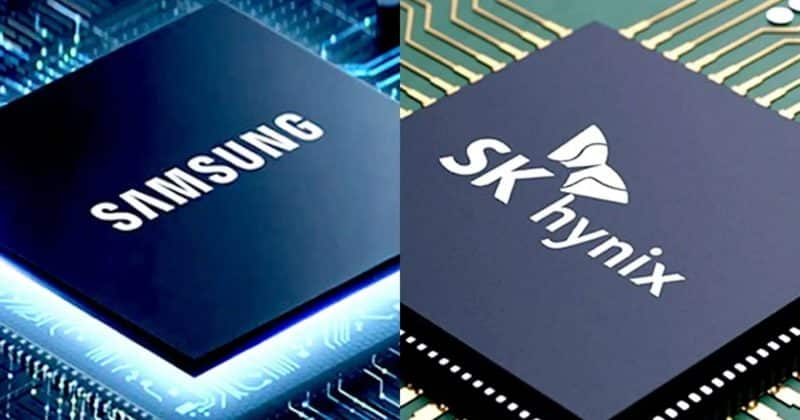
The South Korean market dynamics reveal systemic risks affecting global supply chains. South Korea's 4.7 trillion won market is heavily concentrated in just two tech giants—Samsung Electronics and SK Hynix—which dominate AI-related semiconductor production. Approximately 14 million retail investors (colloquially called "ants") have aggressively purchased these stocks, propelling the Kospi to surge nearly 200 points over 12 months. However, recent turbulence exposed critical vulnerabilities: when global AI sentiment deteriorated this week, the index dropped 10 points, reigniting bubble concerns. Many retail investors used leveraged ETFs to amplify gains, and South Korea's financial regulator has acknowledged growing risks, signaling potential regulatory intervention. This concentration risk means any slowdown in AI chip demand could trigger sharp market corrections, directly impacting component availability and pricing for sellers sourcing from Asia.
Immediate implications for electronics sellers: Component costs are rising 8-15% across consumer electronics categories (laptops, tablets, gaming consoles, smart home devices). Consumer demand for premium-priced devices is softening as evidenced by Apple's stock decline and market volatility. Sellers must prepare for margin compression of 5-12% in Q1 2025 unless they adjust pricing strategies or shift to lower-cost product lines. The regulatory scrutiny on leveraged trading in South Korea could further destabilize semiconductor supply chains if market corrections accelerate.
Questions 8
Which electronics categories are most vulnerable to demand shifts from price increases?
Premium consumer electronics categories show highest vulnerability: laptops (especially gaming/workstations), tablets, gaming consoles, and high-end smart home devices. These categories have higher price elasticity—consumers can delay purchases or switch to lower-cost alternatives. Mid-range electronics (budget laptops, basic tablets, standard smart speakers) show more resilience because consumers view them as necessities. According to market analysis, elevated device prices may reduce consumer demand by 15-25% in premium categories but only 5-8% in mid-range categories. Sellers should shift inventory allocation: reduce premium SKUs by 20-30%, increase mid-range product depth by 15-25%. Monitor BSR (Best Seller Rank) trends in your category weekly—rising BSR indicates demand softening, signaling need for price adjustments or promotional activity.
How can sellers use AI to navigate component cost volatility?
AI-powered tools can provide competitive advantage during this volatile period. First, use predictive analytics to forecast component cost trends: AI models analyzing supplier pricing data, commodity futures, and manufacturing reports can predict cost changes 4-8 weeks in advance, allowing sellers to lock in pricing or adjust inventory. Second, implement dynamic pricing algorithms that adjust prices based on real-time demand elasticity, competitor pricing, and inventory levels—this maximizes margins while maintaining competitiveness. Third, use AI-powered demand forecasting to optimize inventory allocation across product categories, shifting stock toward resilient mid-range products. Fourth, leverage sentiment analysis on customer reviews and Q&A to identify which price points trigger demand resistance in your category. Tools like Keepa, Helium 10, and Jungle Scout offer AI-powered analytics for Amazon sellers; eBay sellers can use Terapeak. Expected ROI: 8-15% margin improvement through optimized pricing and inventory allocation.