



South Korea's 500K Drone Warrior Program | Supply Chain & Tech Seller Opportunities Through 2029
- Military procurement of 60,000+ drones by 2029 creates $2-4B supply chain opportunity for electronics, components, and training tech sellers targeting defense contractors and East Asian markets











Overview
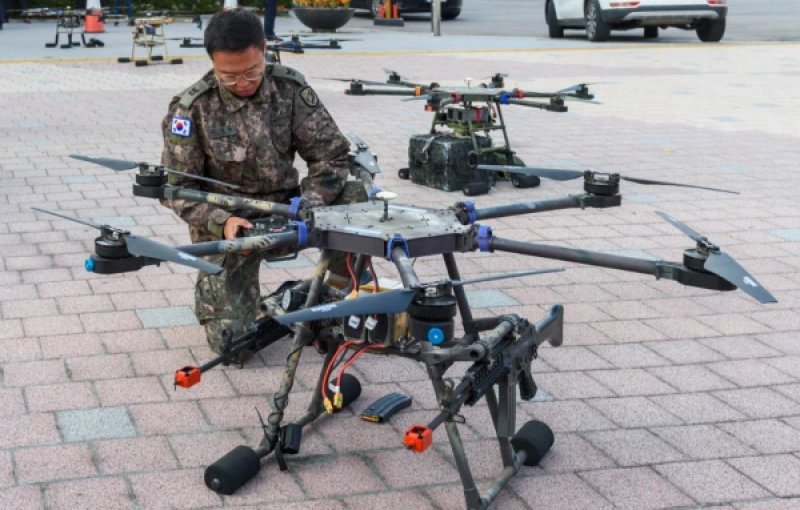
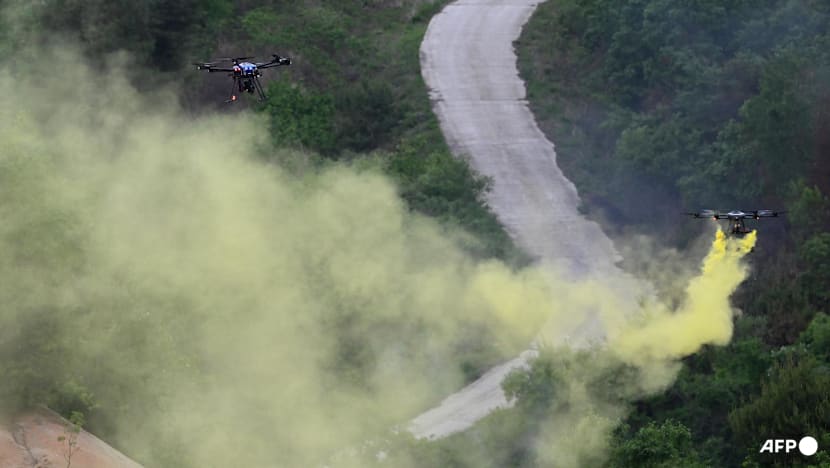
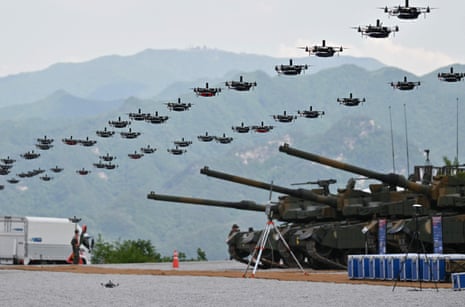
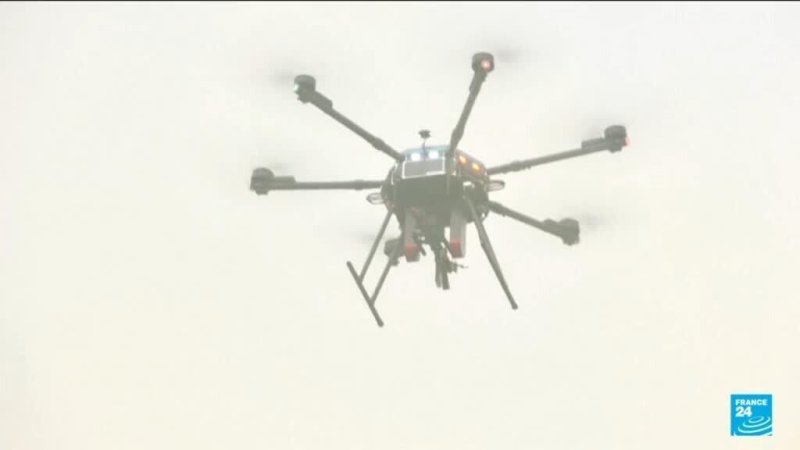
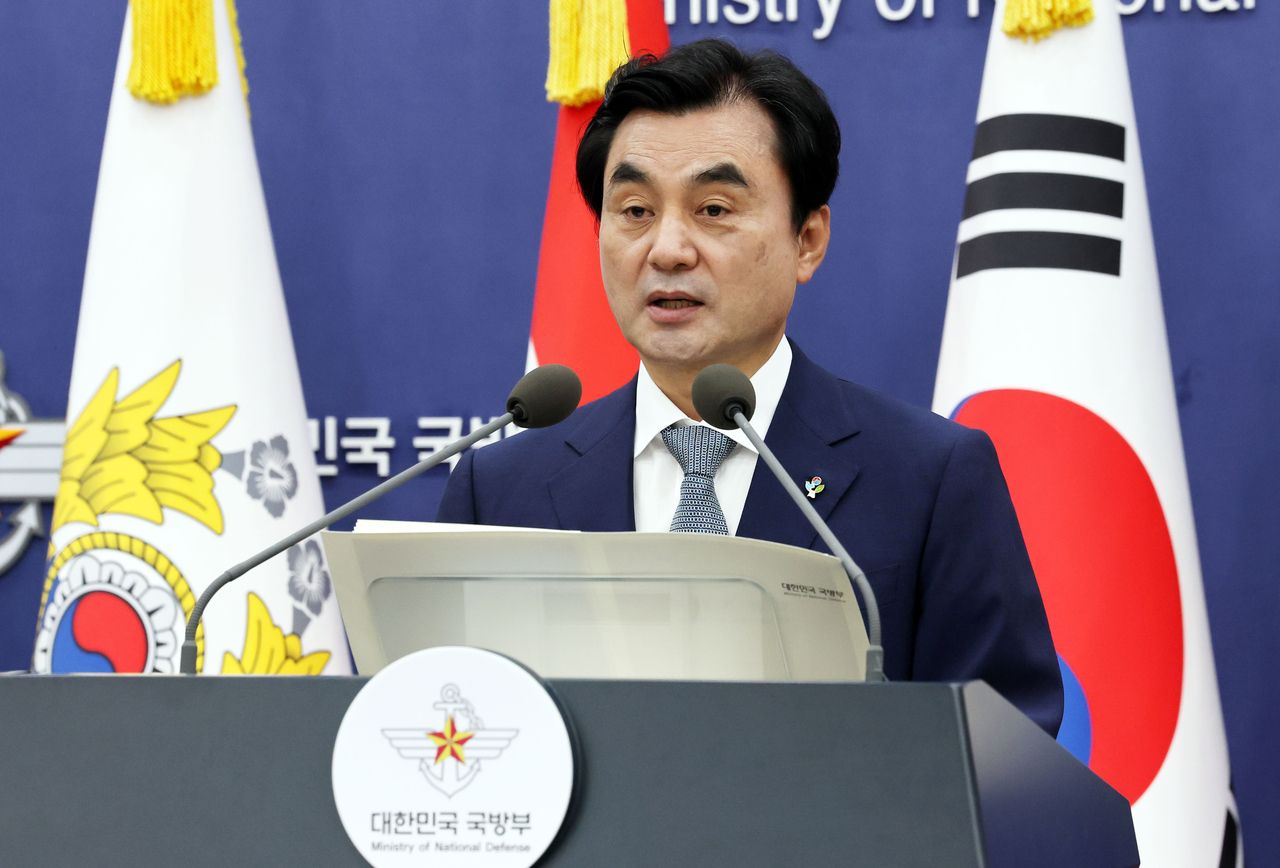
South Korea's announcement on June 26, 2024, to train 500,000 military personnel as "drone warriors" by 2029 represents a massive defense modernization initiative with significant indirect implications for cross-border e-commerce sellers. The Defence Ministry plans to deploy approximately 60,000 domestically produced drones across all military branches, with 11,000 units introduced by 2026 and escalating to 60,000 by 2029, plus over 20,000 low-cost disposable combat drones by 2030. This $2-4 billion procurement cycle creates cascading opportunities across multiple seller categories.
The supply chain opportunity spans three distinct seller segments. First, electronics and components sellers face increased demand for drone parts, sensors, batteries, and AI-based systems. South Korea's stated priority to source 100 domestically produced components over Chinese alternatives signals a strategic shift toward supply chain diversification—creating openings for sellers offering non-Chinese electronics, advanced batteries, and sensor technologies on platforms like Amazon Industrial, Alibaba, and specialized B2B marketplaces. Second, training and software sellers can capitalize on the massive training infrastructure required for 500,000 personnel. The military's emphasis on "standardized drone operation instruction" and "advanced tactical applications" indicates demand for simulation software, training modules, VR/AR educational content, and instructional materials—categories where sellers can target defense contractors and educational institutions across East Asia. Third, logistics and manufacturing sellers benefit from the government's commitment to "revamp procurement rules to accelerate civilian technology adoption," which typically involves increased orders for manufacturing equipment, logistics software, and supply chain management tools.
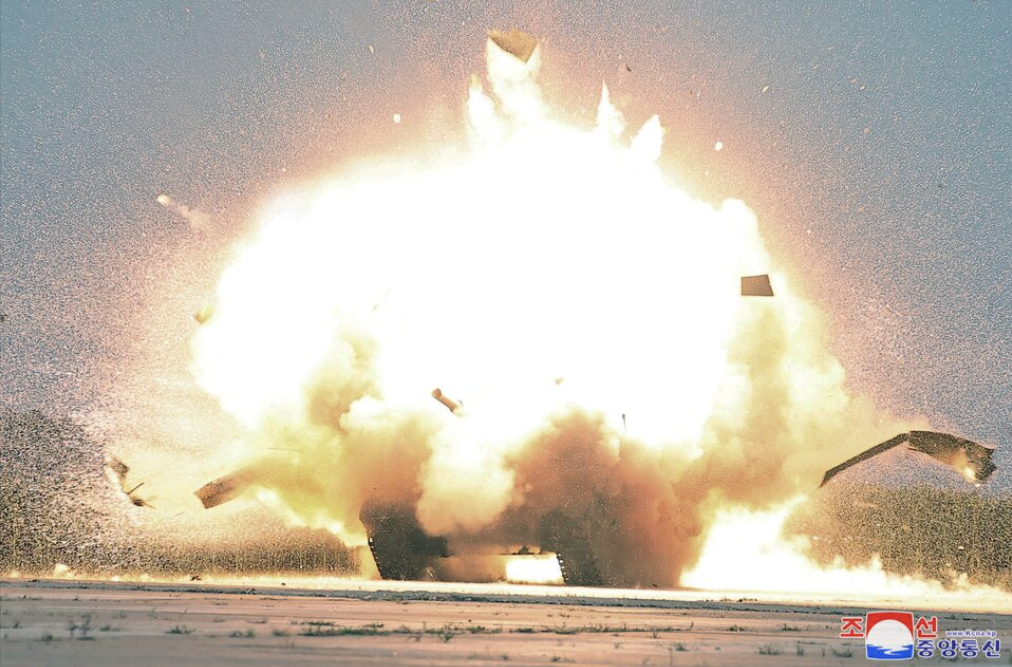
Regional market dynamics amplify seller opportunities. The initiative reflects South Korea's response to North Korea's advancing drone capabilities and lessons from Ukraine/Middle East conflicts, where unmanned systems proved transformative. This geopolitical pressure is driving similar military modernization across East Asia—Japan, Taiwan, and Australia are likely to follow with comparable programs. Sellers positioned in these markets can expect sustained demand through 2029-2030. Additionally, South Korea's demographic decline (mentioned as a key driver for automation reliance) mirrors trends in Japan and parts of Europe, suggesting this defense model may become a template for aging militaries globally. The government's emphasis on "positioning the military as a major buyer to develop a robust domestic drone ecosystem" indicates long-term procurement contracts and supply agreements—ideal for sellers offering components, manufacturing services, and logistics solutions through B2B channels.
Actionable seller implications emerge across three timeframes. Immediate (0-3 months): Sellers should research South Korean defense contractor procurement processes and identify which companies are bidding for the 11,000-unit 2026 delivery target. Electronics and components sellers can begin marketing non-Chinese alternatives to these contractors through LinkedIn, industry trade shows, and B2B platforms. Mid-term (3-12 months): Training software and simulation sellers should develop partnerships with South Korean military training institutions and defense contractors to position products for the massive training rollout. Long-term (1-3 years): Logistics and manufacturing sellers can prepare for the 2026-2029 production ramp-up by establishing supply agreements and manufacturing partnerships with Korean defense companies, positioning themselves as preferred suppliers for the 60,000-unit deployment phase.
Questions 8
How does South Korea's geopolitical situation create seller opportunities?
South Korea's response to North Korea's advancing drone capabilities and lessons from Ukraine/Middle East conflicts are driving this $2-4B modernization. This geopolitical pressure is likely to trigger similar military modernization programs across East Asia—Japan, Taiwan, and Australia typically follow South Korea's defense strategies. Additionally, South Korea's demographic decline (aging military) mirrors trends in Japan and parts of Europe, suggesting this automation-focused defense model may become a global template. Sellers positioned in these markets can expect sustained demand through 2029-2030 and potential expansion into other aging militaries.
What immediate actions should sellers take to capitalize on this opportunity?
Sellers should immediately (0-3 months): (1) Research South Korean defense contractors bidding for the 11,000-unit 2026 delivery target through industry databases and trade publications; (2) Identify which companies supply components, training systems, or logistics services to these contractors; (3) Begin marketing non-Chinese electronics alternatives through LinkedIn, industry trade shows, and B2B platforms like Alibaba Trade and specialized defense procurement channels. Electronics sellers should emphasize supply chain security and non-China sourcing, while training software sellers should develop case studies showing scalability for 500,000+ personnel training programs.