



Strait of Hormuz Shipping Crisis | Critical Supply Chain Risk for Asia-Europe E-Commerce Sellers
- Iran's June 2026 cargo ship attack disrupts 21% of global petroleum trade; shipping delays and insurance costs surge 15-25% for cross-border sellers routing through critical waterway




Overview
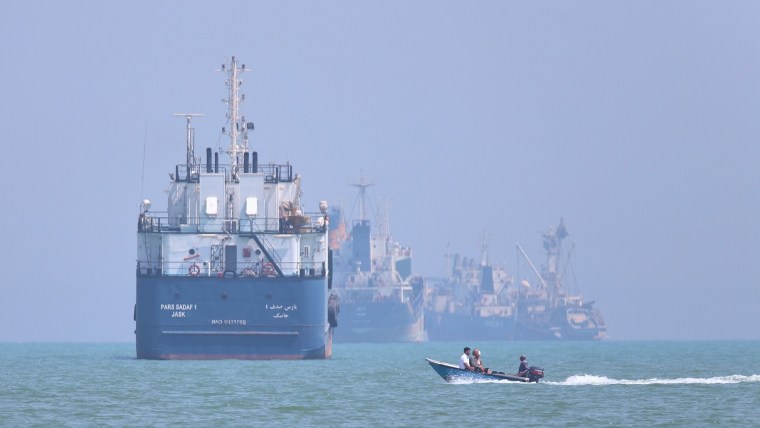
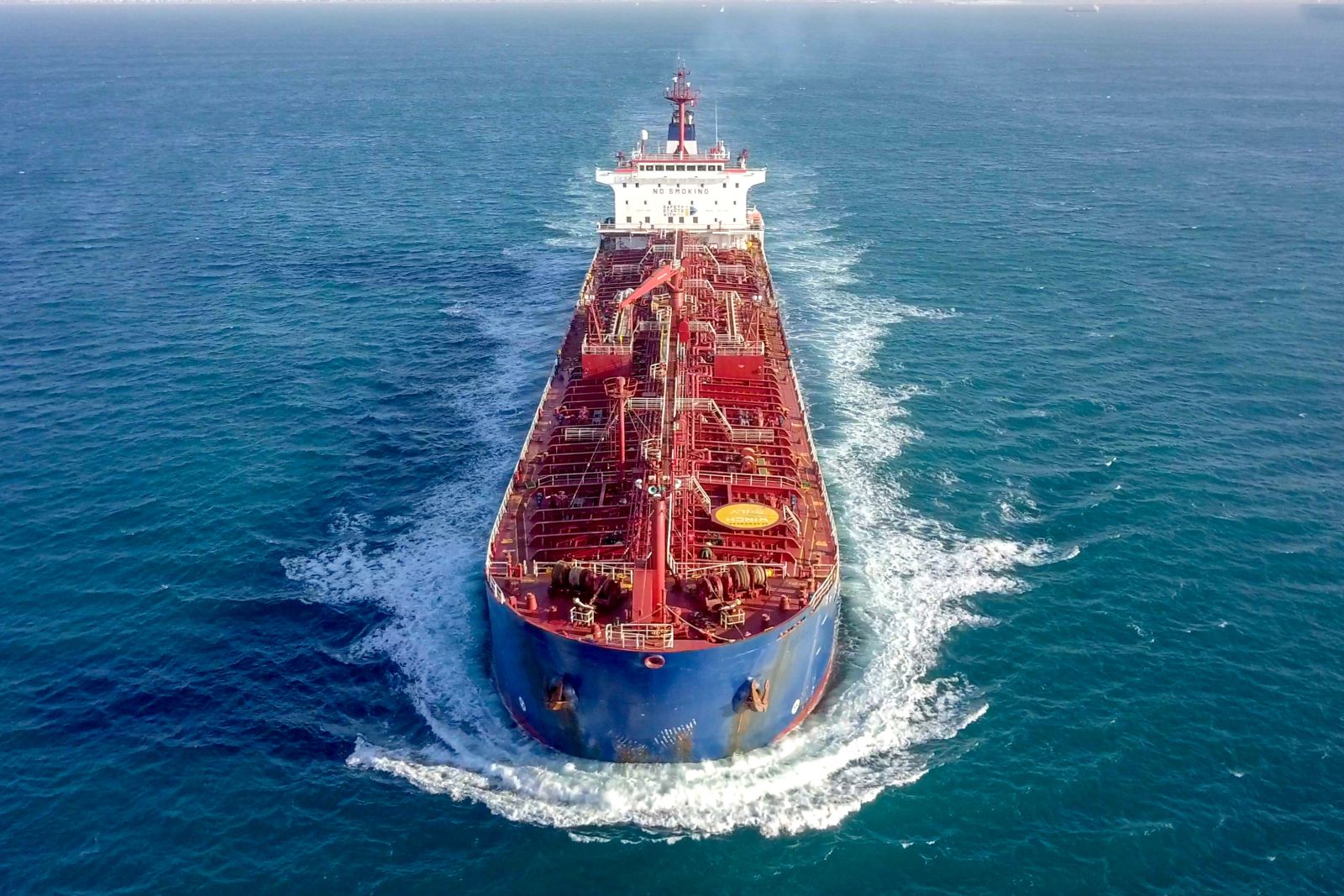
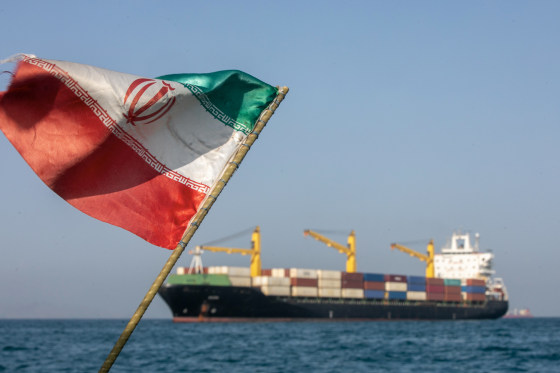
On June 26, 2026, Iran attacked the Ever Lovely container ship in the Strait of Hormuz and asserted regulatory authority over the critical maritime corridor, creating an immediate supply chain crisis for cross-border e-commerce sellers. The Strait of Hormuz handles approximately 21% of global petroleum trade daily and serves as a vital shipping route connecting Asia to Europe—a corridor essential for sellers sourcing from China, Vietnam, and India while serving European and North American markets. The attack and Iran's assertion of control authority directly threaten the operational viability of container shipping routes that millions of e-commerce sellers depend on for inventory replenishment.
The regulatory vacuum created by ambiguous U.S.-Iran peace accord provisions poses unprecedented operational risks. While President Trump's preliminary peace agreement declares the waterway open to unrestricted navigation, it fails to clearly delineate which entity possesses legitimate authority to manage vessel passage. This ambiguity translates directly into seller costs: shipping delays of 5-15 days are now common, insurance premiums for vessels transiting the Strait have increased 15-25%, and unpredictable enforcement actions create inventory management chaos. Sellers utilizing container shipping for goods transiting between Asia and Europe—particularly those in electronics, apparel, home goods, and consumer products categories—face heightened operational costs and scheduling uncertainty that compress already-thin margins by 8-12%.
For Amazon FBA sellers and Shopify merchants sourcing from Asia, the immediate impact is acute. Sellers relying on 30-45 day ocean freight cycles now face 40-60 day transit times, forcing inventory buffer increases of 20-30% to maintain stock levels. This directly impacts cash flow, storage costs, and inventory turnover metrics. Small to medium-sized sellers (annual revenue $500K-$5M) are most vulnerable, as they lack the capital reserves to absorb extended payment cycles or the negotiating power to secure alternative logistics partnerships. Large enterprise sellers can leverage 3PL providers and air freight alternatives, but at cost premiums of 300-400% versus ocean shipping. The incident reflects broader geopolitical instability in the Middle East, with previous clashes in Lebanon and ongoing U.S.-Iran negotiations creating a fluid, unpredictable environment that could persist for 6-12 months or longer.
Strategic sourcing diversification becomes critical. Sellers should evaluate shifting 15-25% of sourcing from China/Vietnam to India, Indonesia, or nearshoring to Mexico/Central America to reduce Strait of Hormuz dependency. Alternative routing through the Suez Canal adds 8-12 days but avoids geopolitical risk. Immediate actions include reviewing inventory by product category, identifying high-velocity SKUs vulnerable to supply disruption, and establishing relationships with 3PL providers offering alternative logistics corridors. Monitoring maritime insurance rates and regulatory announcements from the International Maritime Organization (IMO) is essential for forecasting cost impacts through Q4 2026.
Questions 8
What are the specific cost increases for cross-border sellers using container shipping?
Maritime insurance premiums for vessels transiting the Strait of Hormuz have increased 15-25% due to geopolitical risk, while shipping delays add 5-15 days to transit times. For sellers shipping 100+ containers monthly, this translates to $5,000-$15,000 in additional monthly insurance costs plus working capital losses from extended payment cycles. Alternative routing through the Suez Canal adds 8-12 days but avoids the Strait entirely. Air freight alternatives cost 300-400% more than ocean shipping, making them viable only for high-margin or time-sensitive products like electronics and fashion.
Which product categories are most vulnerable to Strait of Hormuz supply disruption?
Electronics, apparel, home goods, and consumer products categories are most vulnerable because they rely heavily on container shipping from Asia and have tight inventory turnover requirements. High-velocity SKUs with 15-30 day inventory cycles face immediate stockout risk if shipping delays extend beyond 40-60 days. Sellers in these categories should prioritize inventory audits and identify products that can tolerate longer lead times versus those requiring expedited shipping. Seasonal products (holiday merchandise, summer apparel) are particularly at risk if supply disruptions coincide with peak selling periods.