



AWS & Google Cloud Infrastructure Race Reshapes E-Commerce Operating Costs Through 2030
- Grid capacity constraints force 55-month interconnection delays; cloud pricing volatility threatens 8-15% margin compression for sellers relying on AWS, Google Cloud, and AI-powered logistics automation





















Overview
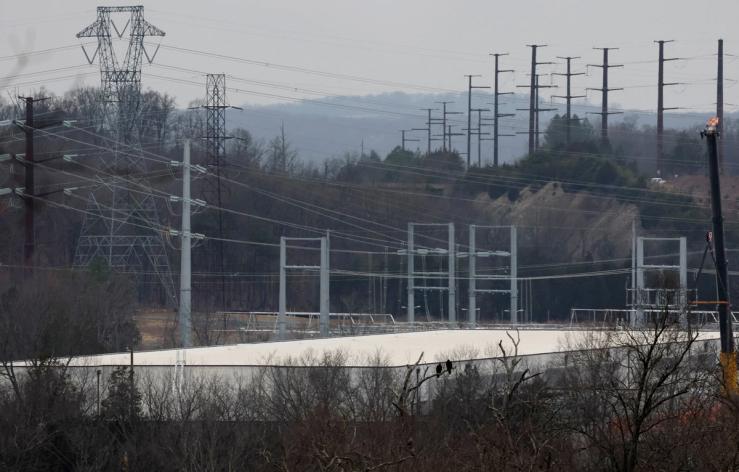
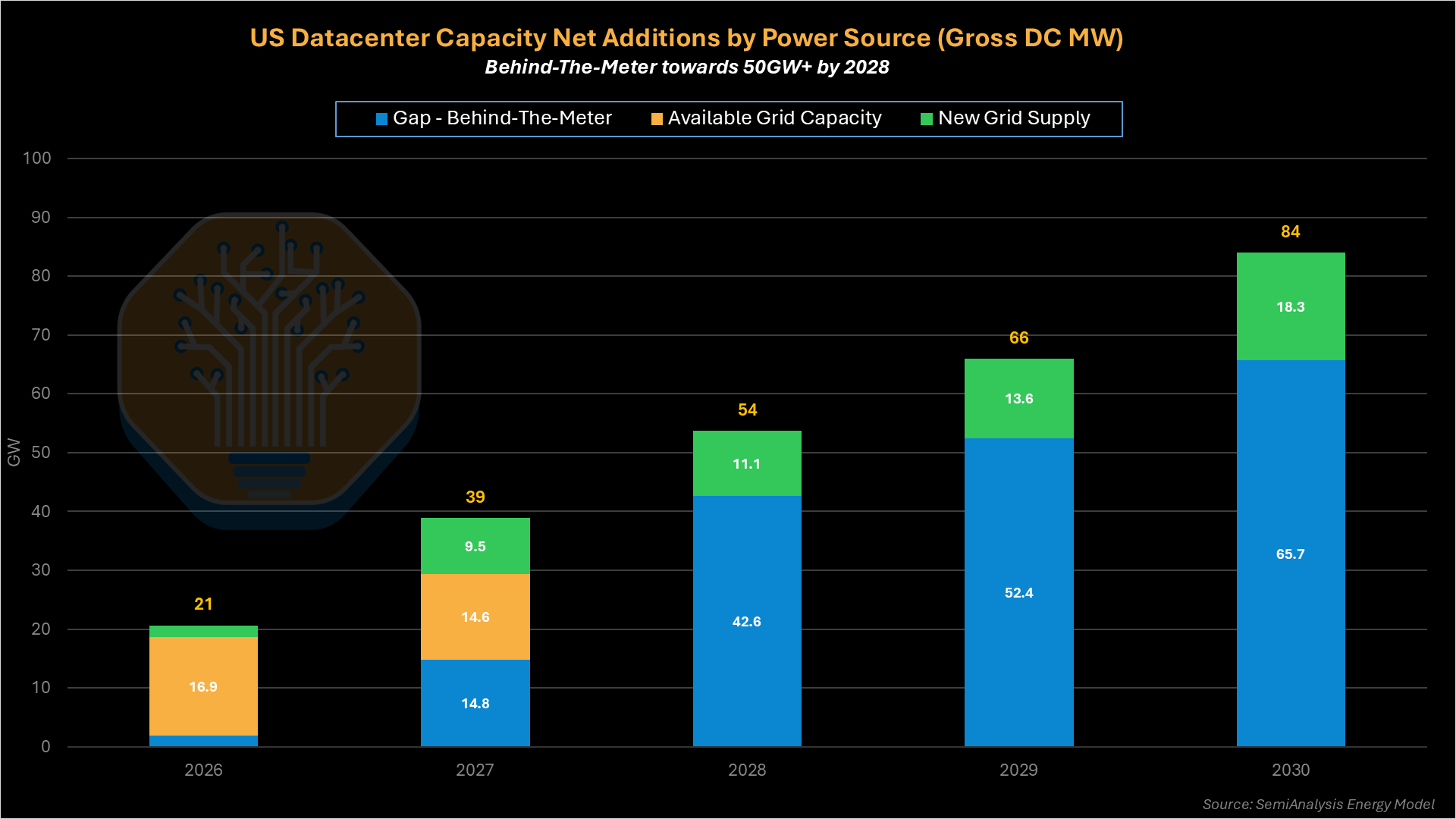
The US electrical grid is approaching critical capacity constraints that will fundamentally reshape cloud infrastructure costs for e-commerce sellers through 2030. According to SemiAnalysis research, US datacenter power demand will surge from 21GW in 2026 to 84GW by 2030, while grid capacity additions reach only 15-20GW annually—creating a structural deficit by 2027. Median grid interconnection queue times have exploded from under 20 months in 2005 to 55 months by 2023, directly impacting the cloud service availability and pricing that e-commerce sellers depend on for inventory management, logistics optimization, and AI-driven customer analytics.
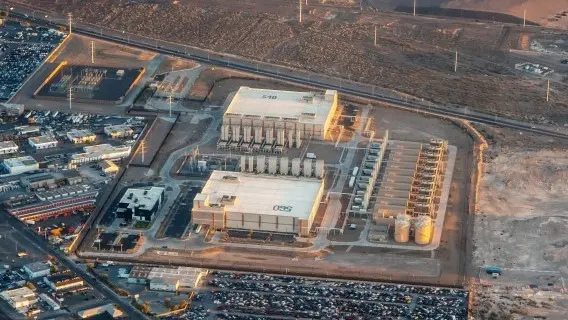
Amazon's 9GW power footprint advantage creates a competitive moat that will compress margins for sellers using AWS. Amazon operates the largest self-built US datacenter footprint (9 gigawatts), while Google operates 5GW and is expanding fastest. This infrastructure competition directly impacts cross-border sellers: as hyperscalers compete for limited electricity resources, AWS and Google Cloud pricing will likely increase 8-15% by 2028 as utilities impose substantial letters of credit, security deposits, and take-or-pay commitments on developers. Sellers using AWS for FBA logistics optimization, inventory forecasting, and dynamic pricing algorithms face rising operational costs. The shift toward behind-the-meter (BTM) power solutions—projected to power over 50% of new US datacenters by 2028—signals that cloud providers will pass infrastructure costs to enterprise customers through service fee increases.
AI-powered seller tools face reliability and cost volatility risks as grid constraints delay datacenter expansion. The OpenAI/SoftBank Stargate facility in Texas (31.2GW peak load) exemplifies the bottleneck: grid interconnection delays now stretch 55 months, preventing timely deployment of AI infrastructure that sellers rely on for product research automation, pricing optimization, and customer service chatbots. ERCOT forecasts insufficient capacity by summer 2028, while PJM failed to secure adequate generating capacity in 2025. Sellers dependent on cloud-based AI tools for competitive advantage should expect: (1) 10-20% price increases on AI services by Q3 2028, (2) potential service interruptions during peak demand periods, and (3) reduced feature availability as cloud providers prioritize hyperscaler customers. The competitive dynamics between Amazon's established infrastructure advantage and Google's aggressive expansion will create pricing pressure that disproportionately affects mid-market sellers (100K-500K annual units) who lack negotiating power for enterprise contracts.
Questions 7
Which e-commerce sellers are most vulnerable to cloud infrastructure cost increases?
Mid-market sellers (100K-500K annual units) relying heavily on AWS for AI-powered tools face the highest vulnerability. These sellers depend on cloud-based inventory forecasting, dynamic pricing algorithms, and customer service automation—all of which will become more expensive as grid constraints force infrastructure investments. Small sellers (<50K units) using basic cloud services will see 5-8% cost increases, while enterprise sellers (1M+ units) have negotiating power to lock in fixed-rate contracts. Sellers in high-margin categories (electronics, beauty) can absorb cost increases more easily than apparel/home goods sellers operating on 10-15% margins. Immediately audit your AWS bill to identify which services drive the highest costs and explore alternative providers like Google Cloud or Microsoft Azure.
What is the timeline for grid capacity constraints to impact cloud service availability?
ERCOT (supplying 90% of Texas electricity) forecasts insufficient capacity by summer 2028, while PJM failed to secure adequate generating capacity in 2025. This means cloud service reliability risks will emerge in Q2-Q3 2028, with potential service interruptions during peak demand periods (holiday season, Prime Day). The OpenAI/SoftBank Stargate facility's 55-month interconnection queue exemplifies the bottleneck—new AI infrastructure won't be available until 2029-2030. Sellers should expect: (1) 10-20% price increases on AI services by Q3 2028, (2) potential service degradation during peak selling seasons, and (3) reduced feature availability as cloud providers prioritize hyperscaler customers. Begin diversifying cloud providers now to reduce single-provider dependency by Q4 2027.