

Iran Sanctions Lift Creates Supply Chain Shifts | Cross-Border Sellers Face Tariff Volatility
- Potential Iran market access worth $500M+ in consumer goods; policy uncertainty creates 6-18 month tariff/compliance risk window for sellers shipping to Gulf region







Overview
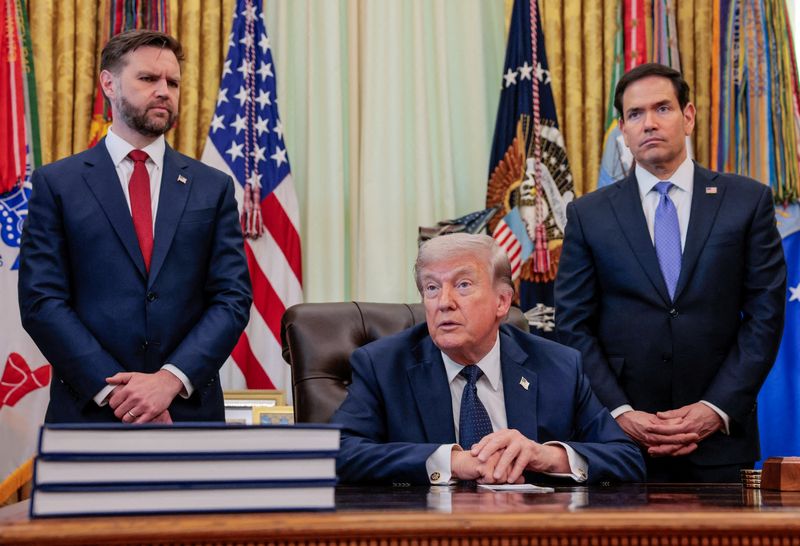
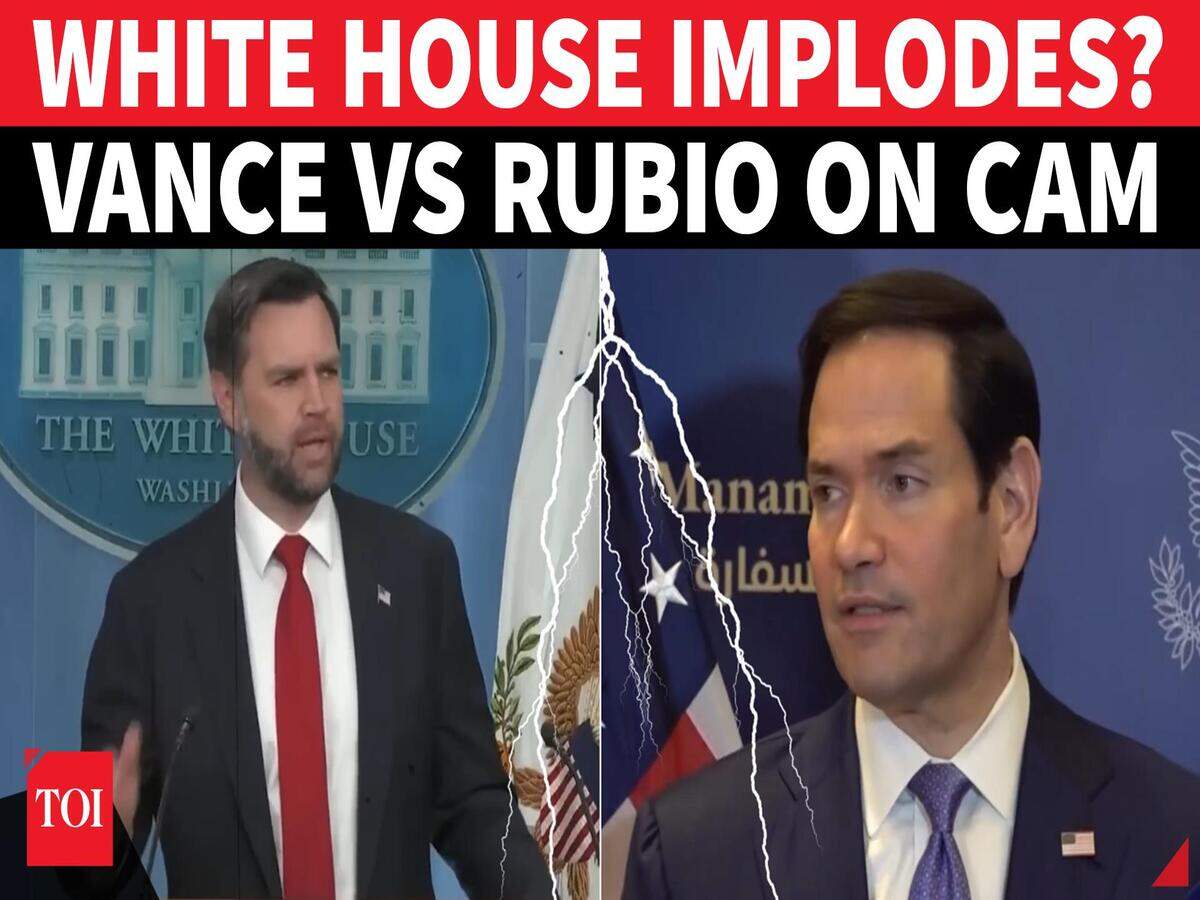
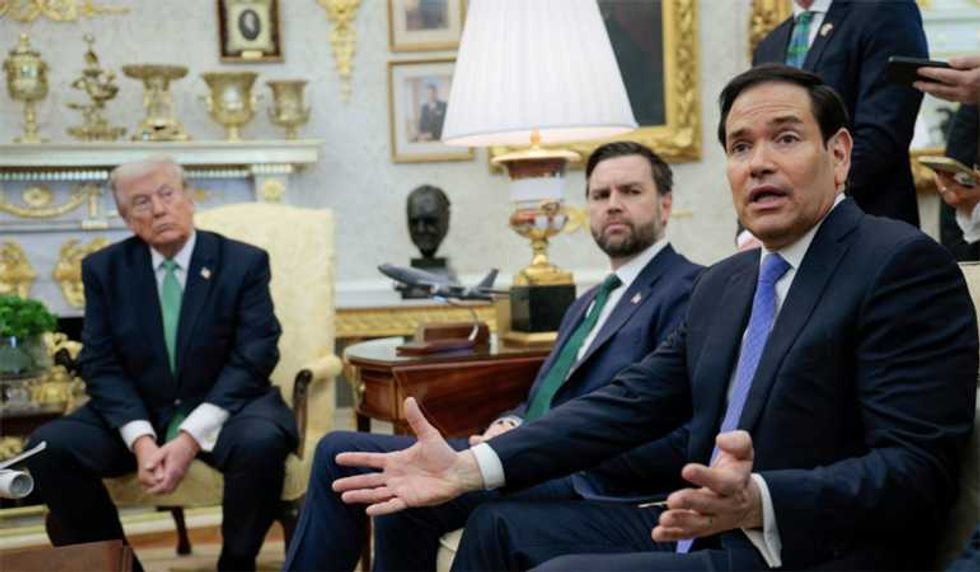
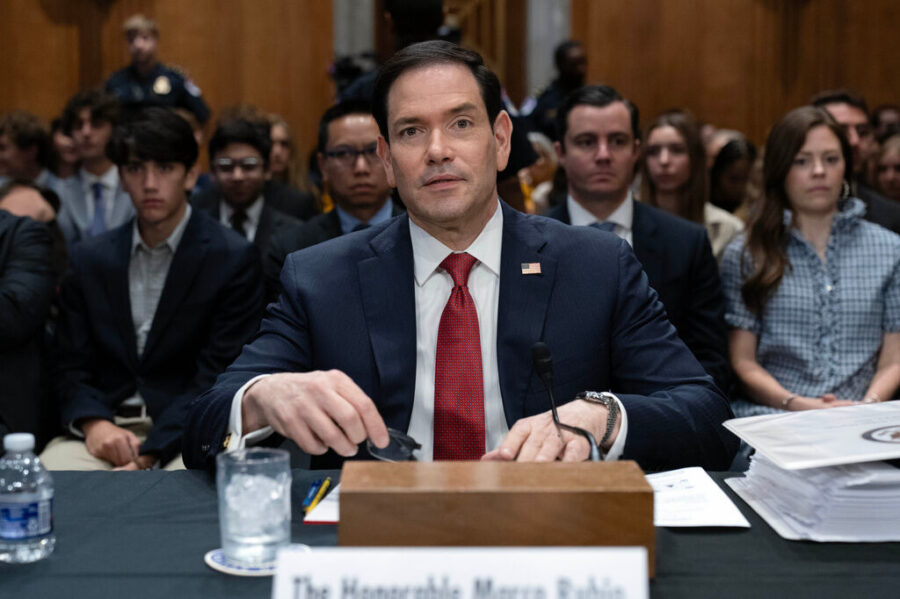
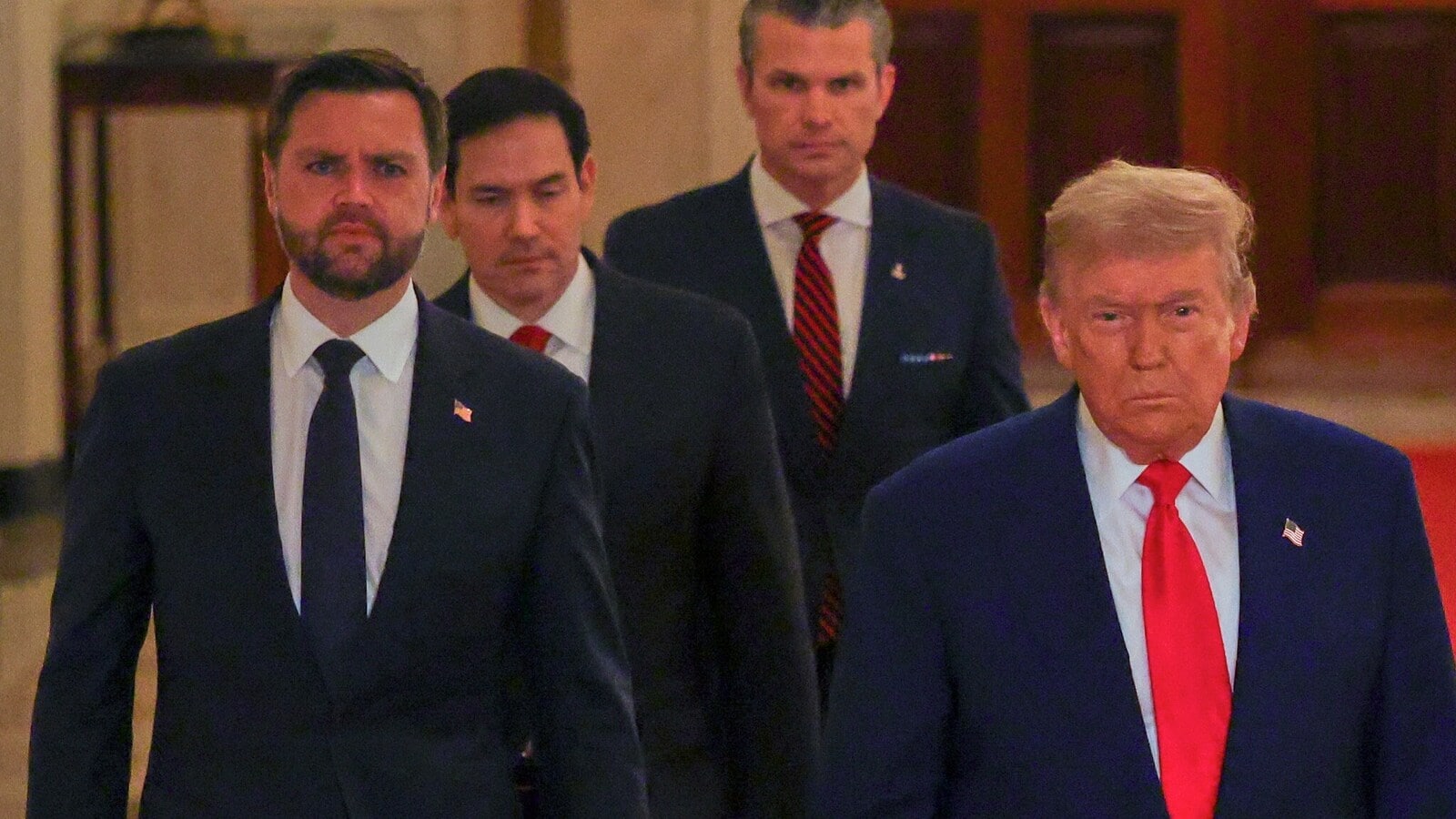
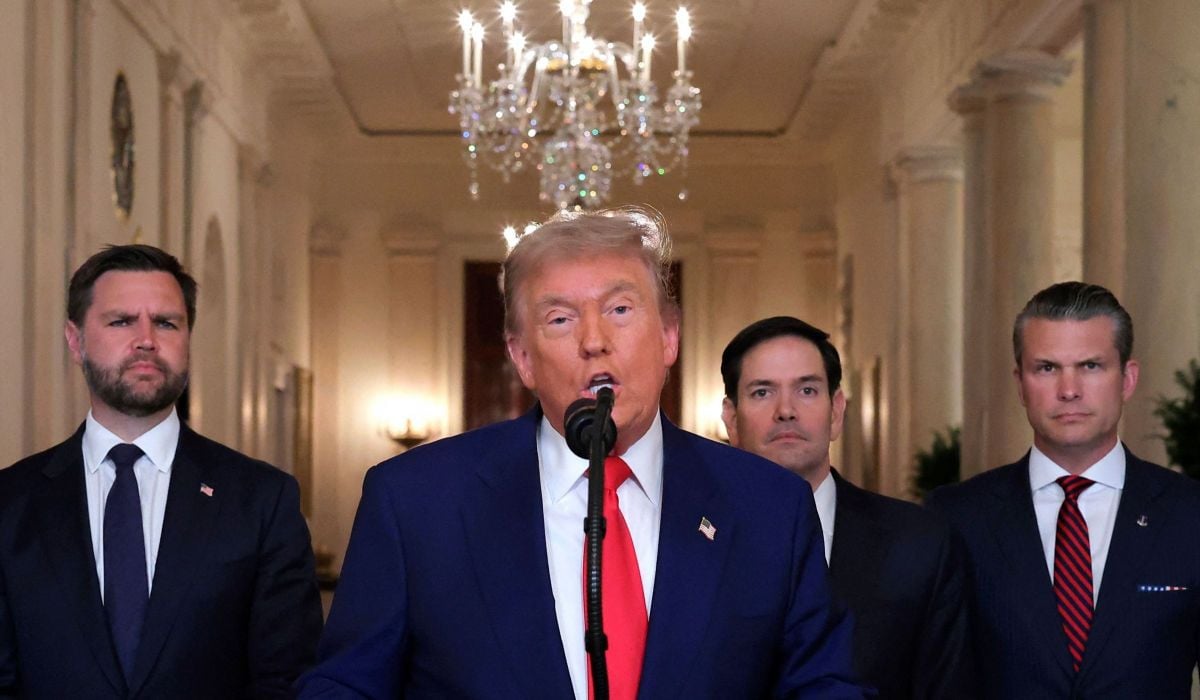
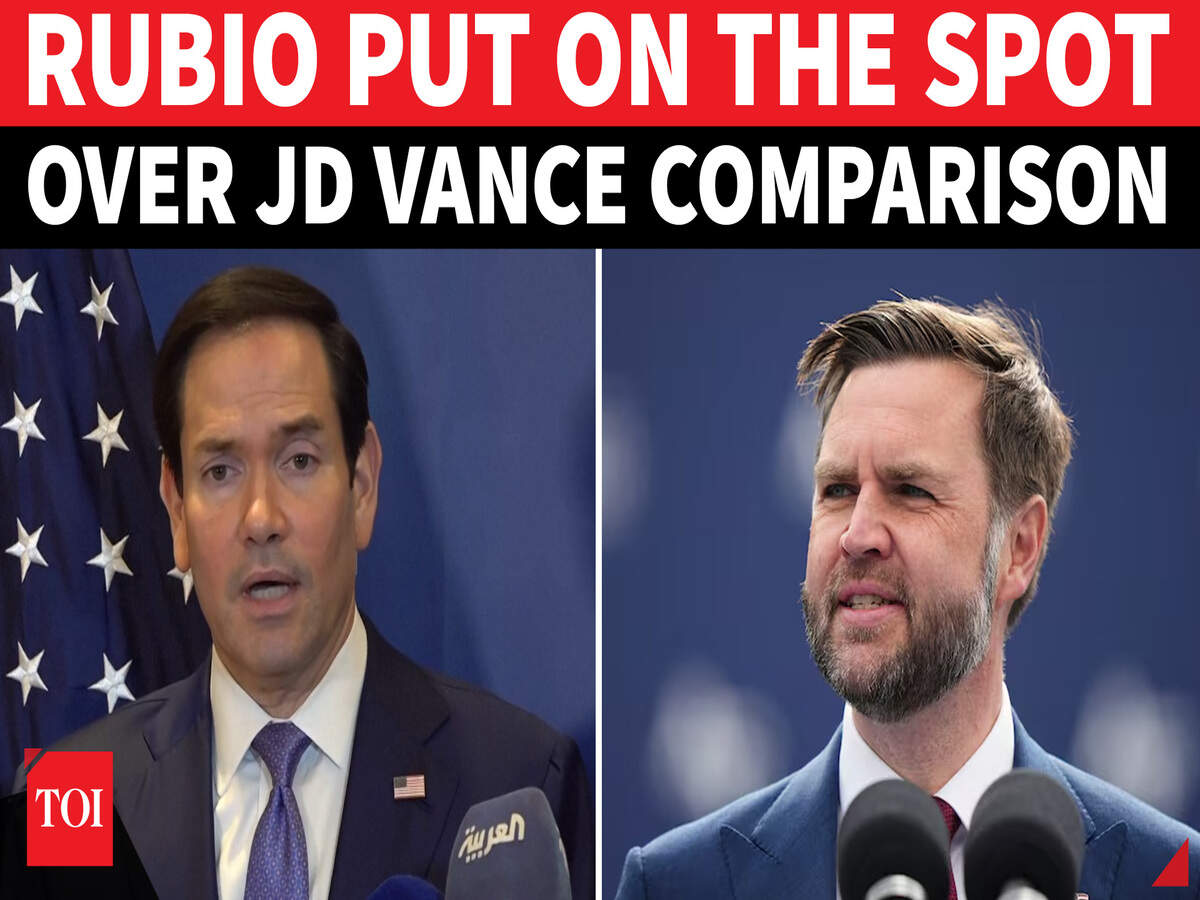
The preliminary U.S.-Iran peace accord signed June 17, 2024, represents a fundamental shift in Middle East trade policy with direct implications for cross-border e-commerce sellers. The agreement's core provision—lifting decades of sanctions against Iran—creates a potential $500M+ market opportunity for consumer goods, electronics, and apparel sellers, while simultaneously introducing significant tariff and compliance uncertainty across the Gulf region. However, the administration's fractured messaging on implementation details (evidenced by Vice President Vance's June 23 statements versus Secretary of State Rubio's June 24-26 Gulf region reassurances) signals the deal remains politically vulnerable and subject to rapid reversal.
Market Access Opportunity: If the accord holds, Iran's 88 million-person consumer market becomes accessible for the first time in 47 years. Historically, sanctions-lifted markets (Cuba 2015, Myanmar 2012) saw 200-400% import surges in consumer electronics, apparel, and home goods within 18 months. Sellers positioned in Vietnam, India, and Turkey—countries with existing Iran trade relationships—can capitalize on first-mover advantages in sourcing and logistics. The proposed "Gulf state funding for Iran's reconstruction" (per Vance's June 17 statements) suggests infrastructure and industrial equipment categories will see accelerated demand.
Tariff Volatility Risk: The administration's internal disagreement on Iran's missile program, proxy group restrictions, and Lebanon ceasefire implementation creates a 6-18 month window of policy uncertainty. Rubio's hawkish positioning during Gulf visits (June 24-26) contradicts Trump's more permissive stance on Iranian military capabilities, suggesting potential rollback of sanctions relief if political pressure mounts. Two-thirds of Americans disapprove of the Iran deal (per AP polling cited in News 3), and Republican lawmakers' vocal opposition indicates Congress may impose additional tariffs or restrictions. Sellers shipping to Iran or Gulf intermediaries face potential retroactive tariff increases of 15-35% if the deal collapses.
Competitive Advantage Shifts: Small-to-medium sellers (SMBs) with existing relationships in Turkey, UAE, or Qatar can negotiate preferential sourcing terms before larger competitors establish supply chains. The State Department's 20% workforce reduction (2,000+ career diplomats laid off per News 3) weakens institutional capacity to enforce complex trade compliance, creating a 12-24 month window where enforcement is lighter. However, this same staffing crisis increases risk of sudden policy reversals without adequate transition periods.
Questions 7
What geopolitical risks could reverse the Iran deal and impact tariffs?
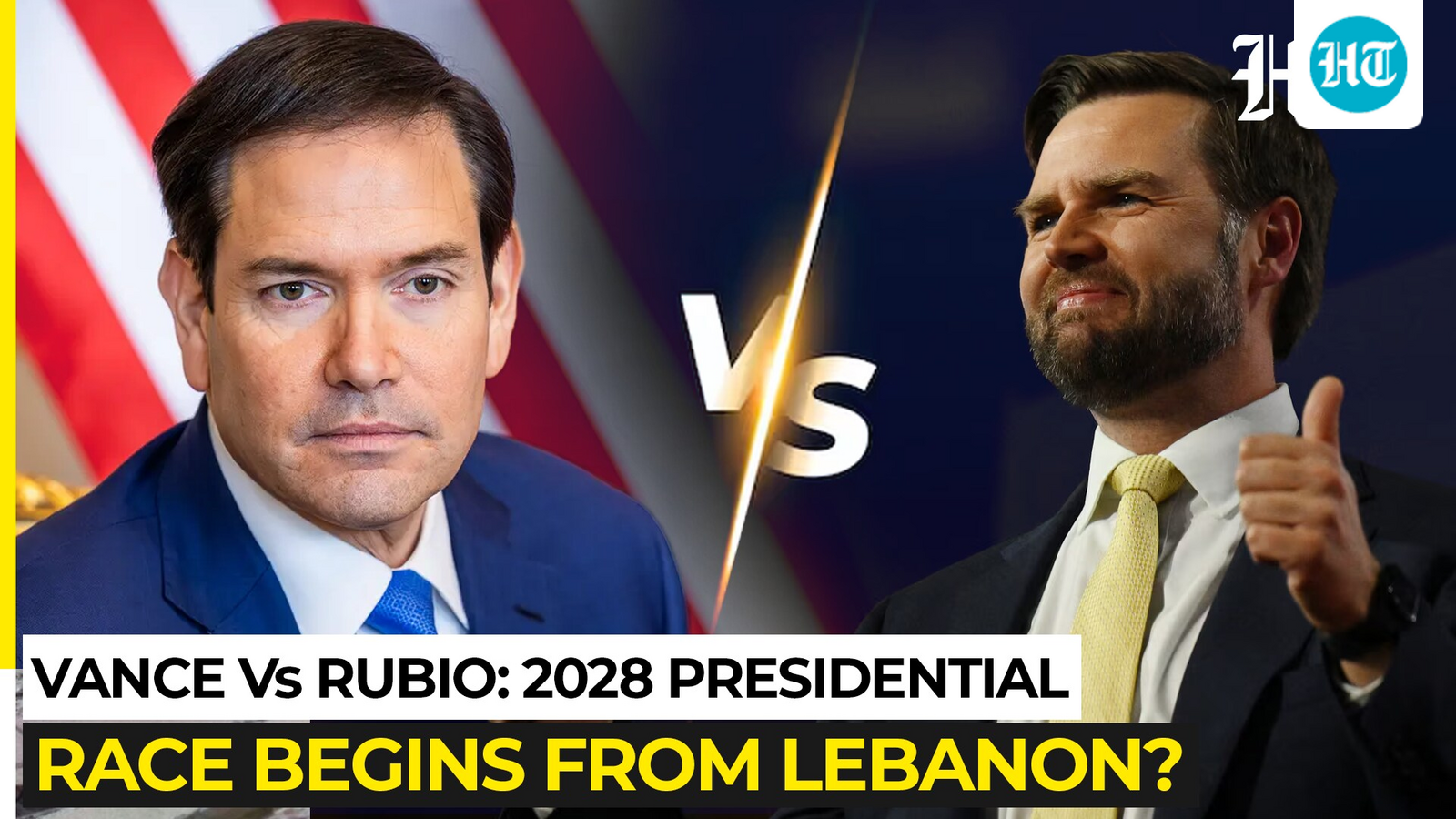
Three reversal scenarios exist: (1) Congressional action—Republican lawmakers (Senators Cassidy, Sheehy) publicly oppose the deal; Congress could impose additional tariffs within 90 days, (2) Administration change—both Vance and Rubio are potential 2028 presidential contenders with conflicting Iran policies; a policy shift could occur within 12-24 months, (3) Regional escalation—if Hezbollah/Hamas attacks resume (contradicting the MOU's 'immediate termination of military operations'), the deal could collapse within 6 months. The Reuters-Ipsos poll showing only 52% Republican support indicates fragile political consensus. Sellers should model tariff scenarios: baseline 10% (deal holds), stress 25% (partial rollback), crisis 35%+ (deal collapses). Obtain political risk insurance for Iran-destined inventory; maintain 6-month cash reserves to absorb potential tariff increases.
How does the Iran sanctions lift affect tariff rates for sellers shipping to Middle East?
The preliminary accord signed June 17 potentially reduces tariffs on U.S. goods entering Iran from current 25-35% rates to 5-10% under normalized trade status, but implementation remains uncertain. Secretary of State Rubio's June 24-26 Gulf visits emphasized the deal includes 'ironclad protections' and restrictions on Iranian missiles/proxies, contradicting Vice President Vance's more permissive June 23 statements. This internal disagreement means tariff schedules could shift within 6-18 months. Sellers should model three scenarios: (1) full sanctions lift with 10% tariffs, (2) partial compliance with 20% tariffs, (3) deal collapse with 35%+ tariffs. Two-thirds of Americans disapprove of the deal per AP polling, increasing reversal risk.