



Election Fraud Litigation & Consumer Trust Impact | Seller Marketing Compliance Alert
- Federal court orders Elon Musk deposition in $1M voter giveaway fraud case; establishes precedent for influencer-led promotional schemes affecting seller marketing practices across 7 swing states





Overview
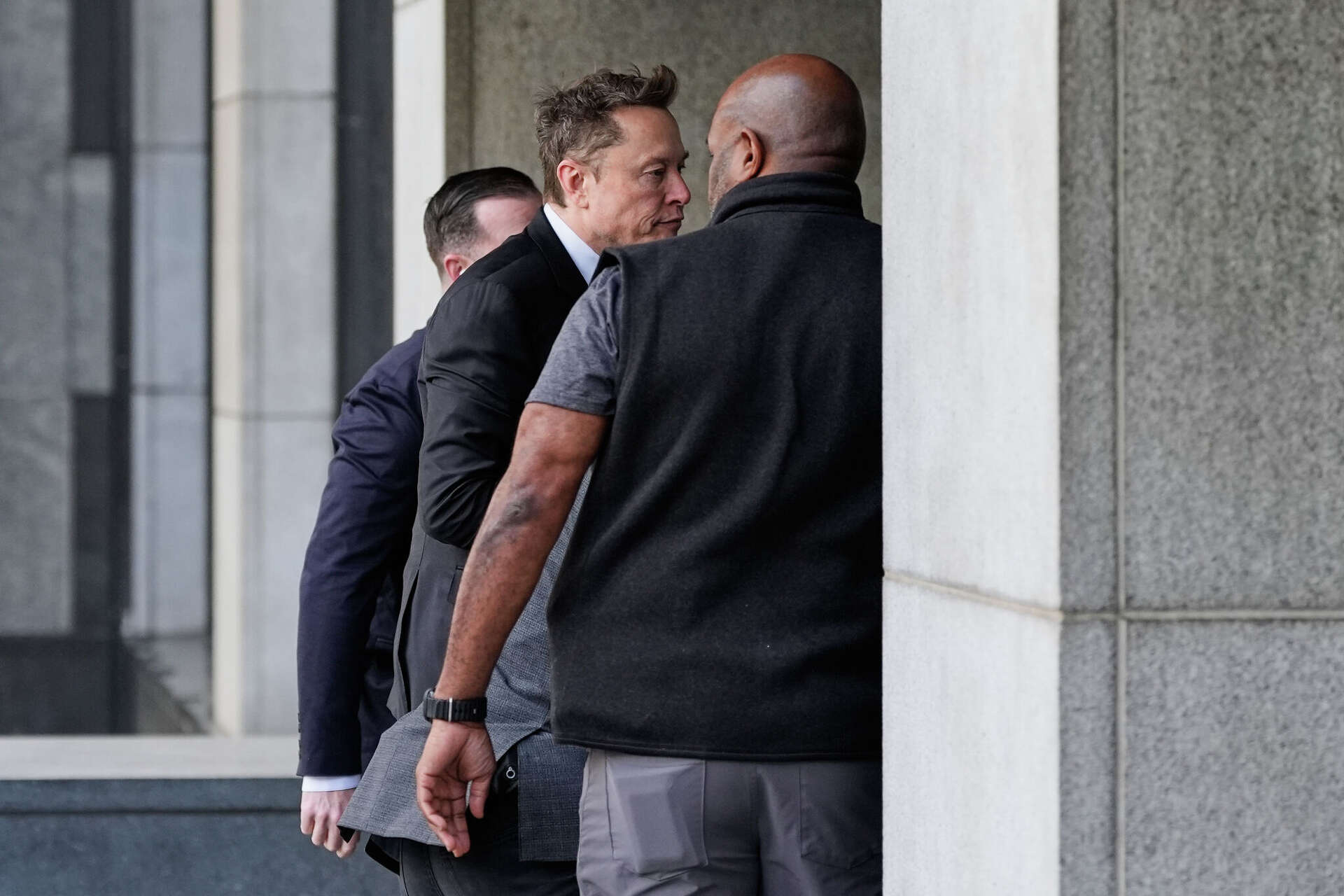
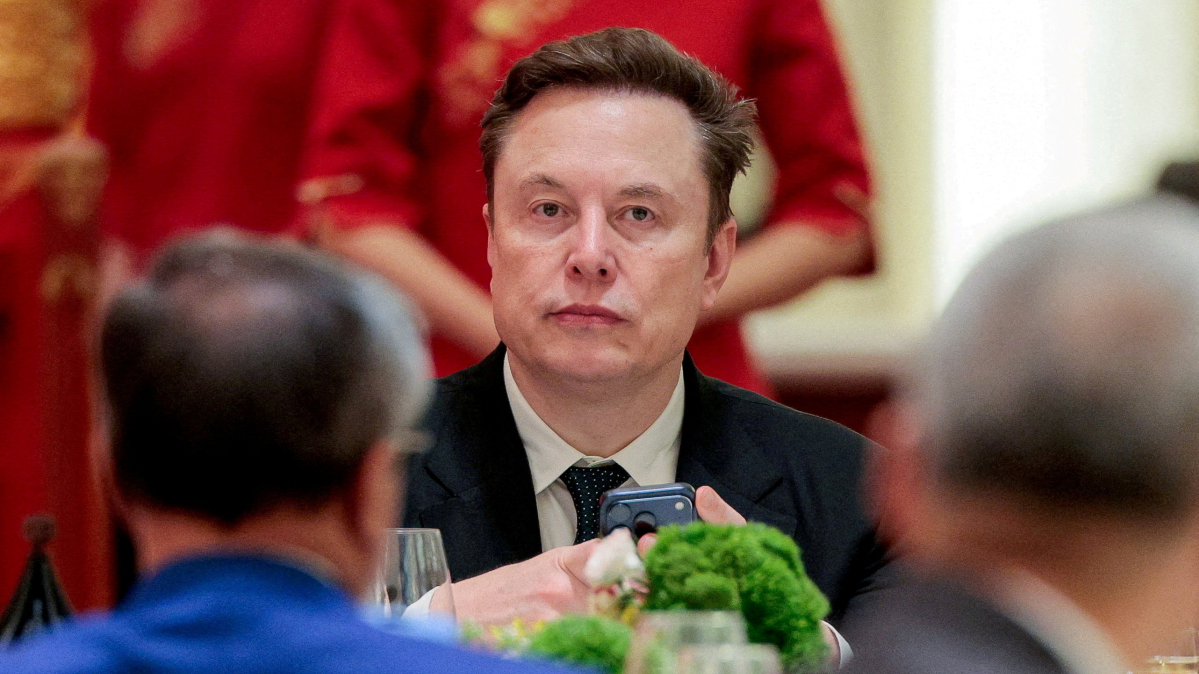
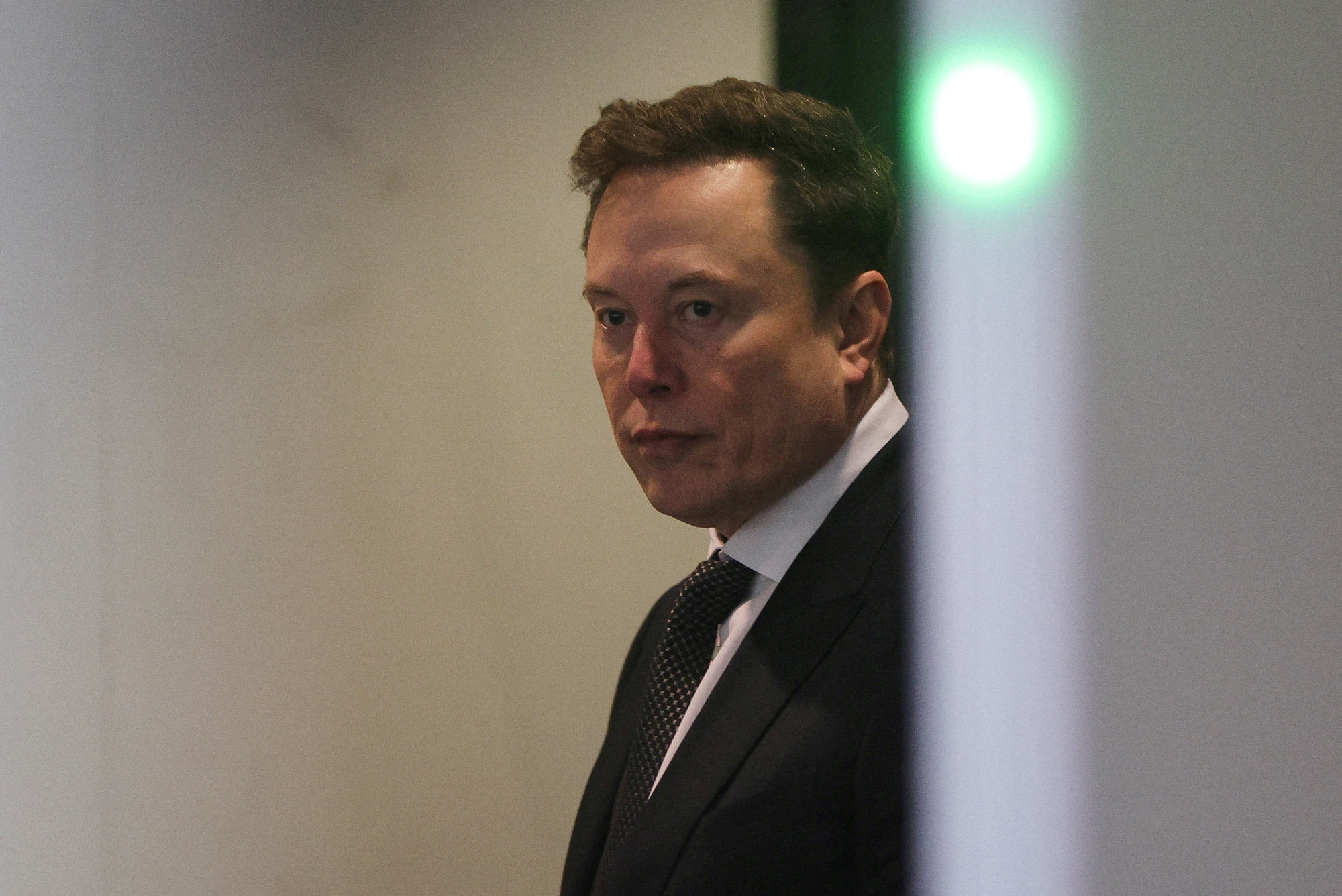
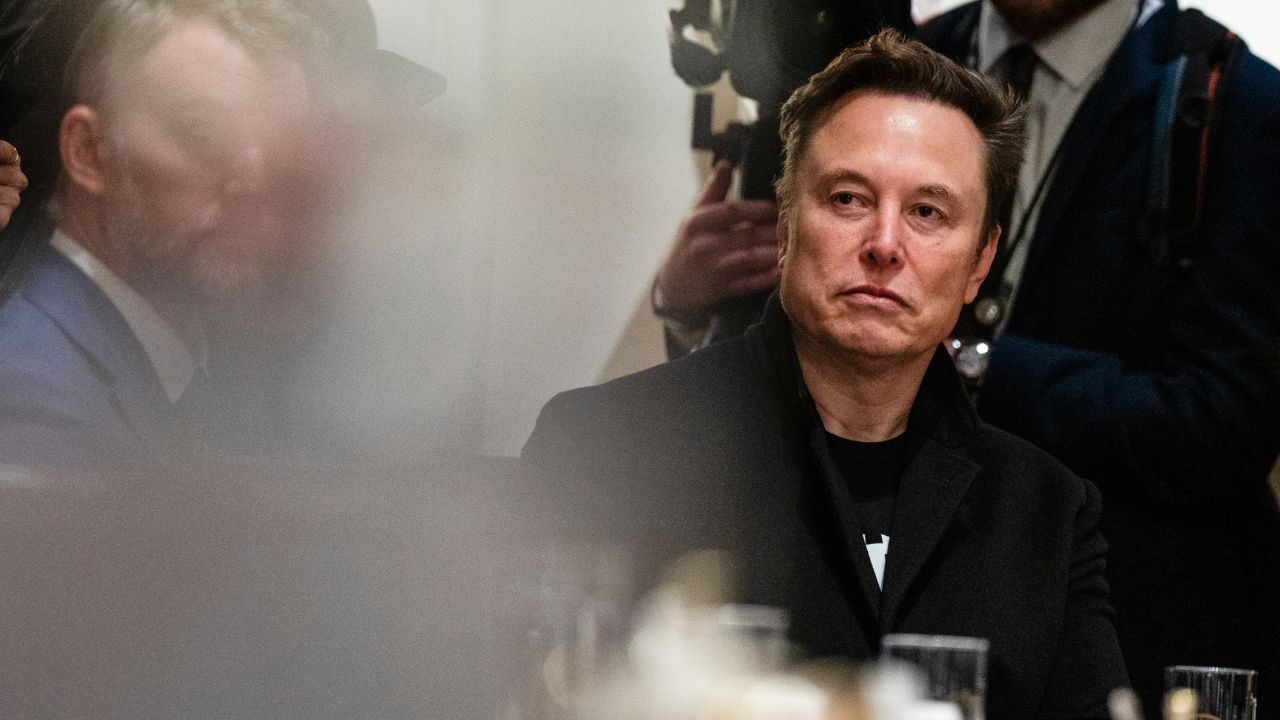
Federal Judge Susan Hightower ordered Elon Musk to provide sworn testimony in two class-action fraud lawsuits (June 2026) involving America PAC's $1 million daily giveaway program announced October 2024. The litigation centers on allegations that Musk and his political action committee deceived voters in seven swing states (Arizona, Pennsylvania, and five others) by falsely advertising random selection when 18-19 winners were strategically chosen as "spokespeople for America PAC." This case establishes critical legal precedent for influencer-led promotional schemes and giveaway marketing practices that directly impact how sellers structure contests, sweepstakes, and influencer partnerships on e-commerce platforms.
The fraud allegations reveal a fundamental marketing compliance gap: America PAC Director Christopher Young testified in February 2026 that he was "surprised" by Musk's repeated use of the word "randomly," contradicting how the program was designed with legal counsel. Judge Hightower found it an "open question whether Musk acted recklessly," indicating that even high-profile figures cannot claim ignorance of false advertising standards. For e-commerce sellers, this ruling signals that promotional claims must match actual selection criteria—a principle directly applicable to Amazon giveaways, TikTok Shop contests, and Shopify-hosted sweepstakes. Sellers using influencers to promote products through giveaways face heightened scrutiny if marketing materials claim "random selection" while actual winners are chosen based on engagement metrics, follower count, or content quality. The Philadelphia District Attorney's October 2025 lawsuit characterizing the giveaways as "illegal lotteries" establishes that state-level prosecutors actively monitor large-scale promotional schemes, creating compliance risk for sellers operating across multiple jurisdictions.
Operational impact for sellers: The case demonstrates that platform-agnostic promotional practices now face federal litigation risk. Sellers conducting influencer-driven giveaways on Amazon, TikTok Shop, Shopify, or independent platforms must ensure: (1) selection mechanisms genuinely match advertised criteria, (2) legal counsel reviews all promotional copy before launch, (3) documentation proves random selection methodology, and (4) terms clearly disclose any non-random selection factors. The deposition timeline remains unclear, but U.S. District Judge Robert Pitman's pending decision on whether to adopt Hightower's recommendations will likely establish binding precedent affecting promotional compliance standards across e-commerce platforms. Sellers in swing states (Arizona, Pennsylvania, Georgia, Wisconsin, Michigan, Nevada, North Carolina) face heightened enforcement risk if their giveaway mechanics mirror America PAC's structure—claiming randomness while applying strategic selection criteria.
Consumer trust implications: The litigation exposes how false randomness claims erode voter/consumer confidence in promotional mechanisms. For sellers, this translates to reputational risk: if customers discover that "random" giveaway winners were actually selected based on undisclosed criteria, brand trust deteriorates rapidly. The case also signals that state attorneys general and federal prosecutors increasingly scrutinize large-scale promotional schemes, particularly those targeting swing-state voters or specific demographic segments. Sellers should audit existing giveaway campaigns for compliance gaps and implement transparent selection documentation to mitigate legal exposure.
Questions 7
What are the financial and legal risks for sellers who violate these promotional standards?
Sellers face class-action lawsuits (like the two cases against Musk), state attorney general enforcement actions, FTC penalties, and reputational damage. The Musk litigation involves two Arizona residents suing on behalf of class members across seven swing states, indicating multi-state exposure. Philadelphia District Attorney Larry Krasner's October 2025 lawsuit demonstrates that local prosecutors actively pursue giveaway fraud cases. Penalties can include: (1) refunds to defrauded participants, (2) civil penalties under state consumer protection laws, (3) FTC fines up to $43,792 per violation (2024 rate), and (4) attorney fees and court costs. Sellers should conduct immediate compliance audits of active giveaway campaigns and implement corrective measures before enforcement actions commence.
How should sellers respond if they've already run non-compliant giveaway campaigns?
Sellers should immediately: (1) consult with legal counsel specializing in consumer protection and advertising law, (2) audit all past giveaway campaigns for false claims, (3) document any corrective actions taken, (4) consider proactive disclosure to affected participants if material misrepresentations occurred, and (5) implement compliance procedures for future campaigns. Judge Hightower's ruling that it remains an 'open question whether Musk acted recklessly' suggests that good-faith compliance efforts may mitigate liability. Sellers should avoid destroying documents or communications related to past giveaways, as courts will view document destruction as evidence of fraud. Consulting legal counsel before taking corrective action protects attorney-client privilege and demonstrates good-faith compliance efforts.