



US Connected-Vehicle Ban on Chinese Tech | EV Sellers Face Stricter Compliance
- Polestar blocked from new US model launches starting 2026; signals tightening regulatory framework for Chinese-backed automotive tech across e-commerce and marketplace channels

Overview
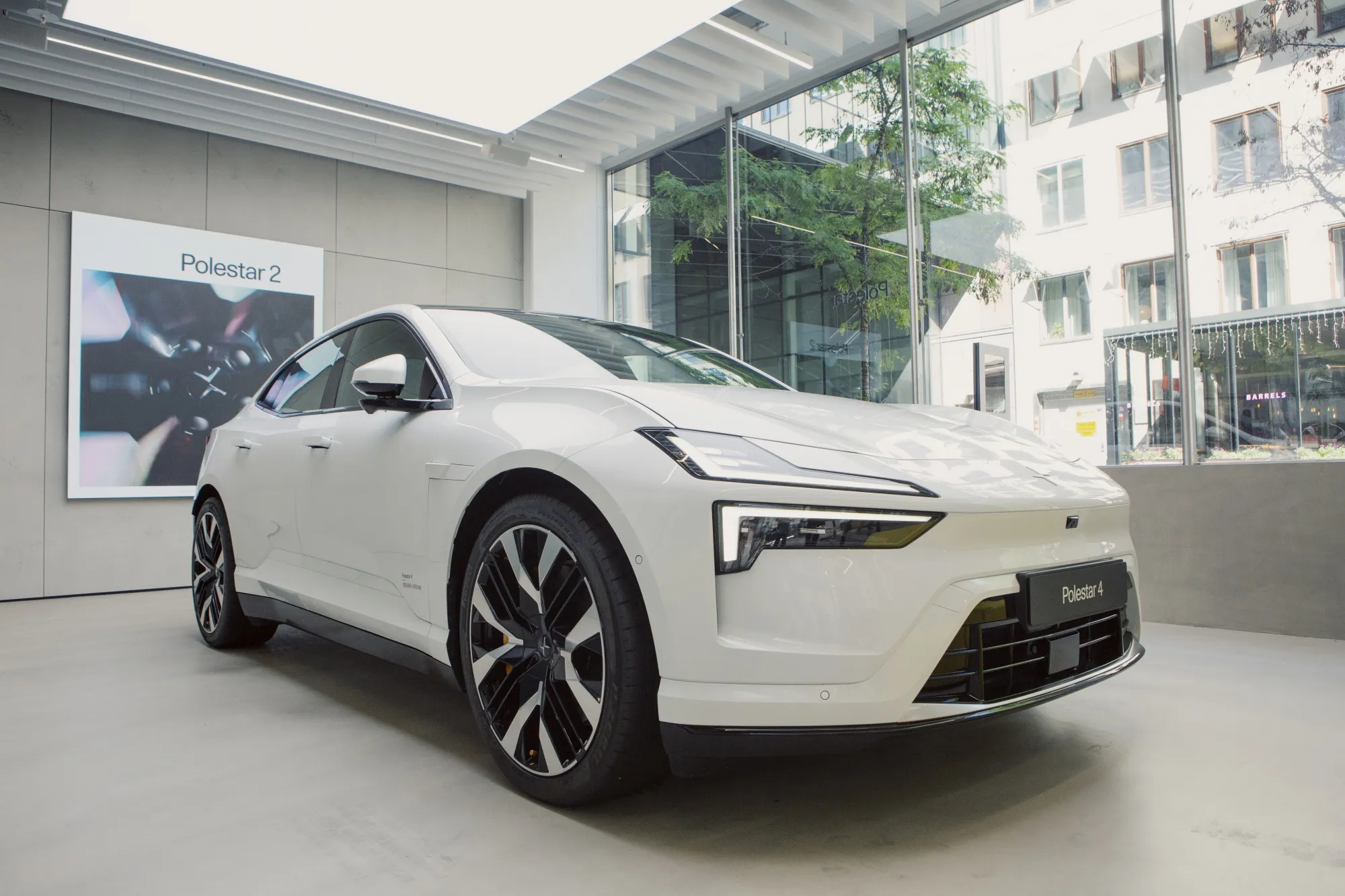
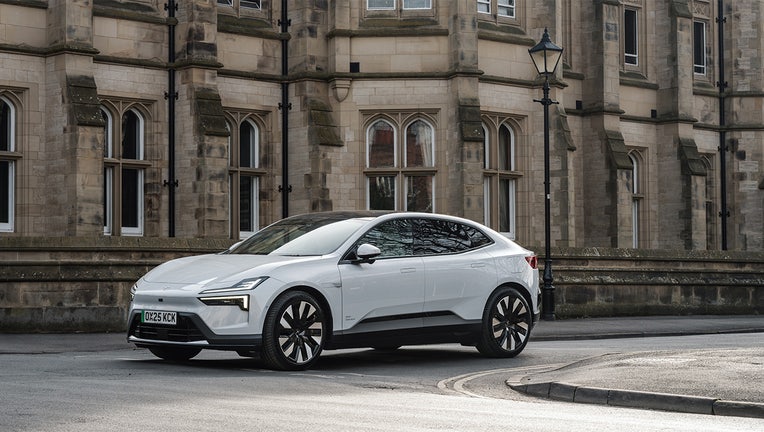
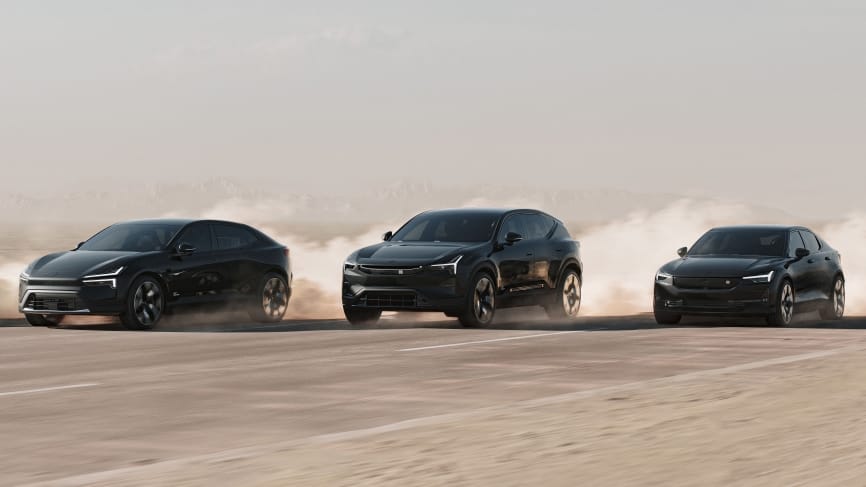
The June 26, 2026 decision to bar Polestar Automotive from introducing new vehicle models to the US market under connected-vehicle regulations represents a watershed moment in trade policy enforcement affecting cross-border automotive sellers and related product categories. This regulatory action, driven by US national security concerns about Chinese technology integration in data-collection systems, establishes a precedent that extends beyond Polestar to any foreign manufacturer with Chinese ownership or technology partnerships seeking US market access.
For cross-border sellers, this creates three immediate implications: First, automotive aftermarket and accessory sellers (parts, software, connectivity upgrades) face reduced addressable market as Polestar's US customer base stagnates at existing Polestar 3/4 inventory levels. Second, EV-related merchandise categories (charging accessories, diagnostic tools, performance parts) tied to Chinese-backed manufacturers will experience demand compression as regulatory barriers limit new model introductions. Third, marketplace compliance requirements are tightening—sellers offering vehicle software, data-collection devices, or connected-car technologies must now audit supply chains for Chinese technology dependencies to avoid future regulatory restrictions.
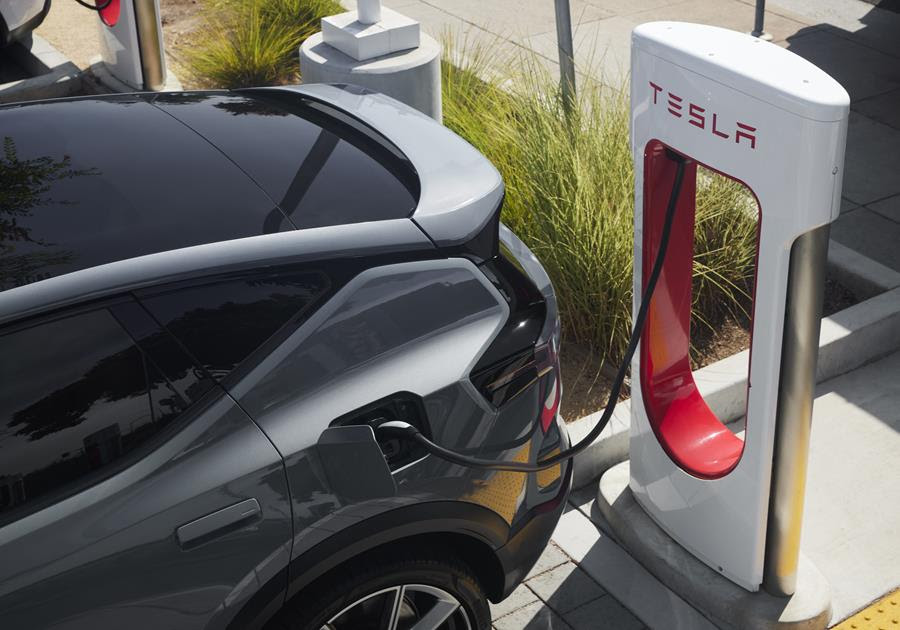
The regulatory framework specifically targets "software, data collection, and communication systems," creating compliance complexity for sellers in IoT, automotive electronics, and smart-device categories. Sellers currently offering Polestar-compatible products (charging solutions, diagnostic equipment, performance software) must prepare for inventory adjustments as the addressable customer base becomes static. The transition period through 2026 provides a window for sellers to diversify into non-Chinese-backed EV ecosystems (Tesla, Ford, GM, Volkswagen) where regulatory risk is lower.
Strategic sourcing implications are significant: Sellers sourcing automotive components from Chinese manufacturers face heightened scrutiny on data-handling capabilities. This accelerates the competitive advantage for sellers sourcing from Vietnam, India, and Taiwan-based suppliers who can certify non-Chinese technology integration. The decision aligns with broader US regulatory actions targeting Chinese technology in critical infrastructure, signaling that connected-vehicle standards will become increasingly restrictive through 2026-2027.
Marketplace sellers should monitor: (1) Polestar-specific product category performance through Q4 2025 to quantify demand cliff; (2) Competitor sourcing shifts toward non-Chinese EV ecosystems; (3) Regulatory announcements targeting other Chinese-backed automotive brands (NIO, XPeng, BYD) which could trigger cascading marketplace restrictions. The ruling does not immediately impact existing inventory sales, but the regulatory trajectory suggests tightening compliance requirements for any automotive technology with Chinese data-handling components.
Questions 8
How does Polestar's US sales ban affect cross-border sellers of EV accessories?
Polestar's ban on new model launches starting 2026 freezes its US customer base at current Polestar 3 and Polestar 4 inventory levels, eliminating growth opportunities for sellers offering Polestar-specific charging solutions, diagnostic tools, and performance accessories. Sellers currently generating revenue from Polestar-compatible products should expect demand stabilization rather than growth through 2026-2027. However, the ruling creates a 6-month transition window (June 2026 to December 2026) where sellers can pivot inventory toward non-Chinese-backed EV ecosystems (Tesla, Ford, GM) with lower regulatory risk. Marketplace sellers should audit their Polestar product portfolio and reallocate inventory capital to categories with expanding addressable markets.
What does the connected-vehicle regulation mean for sellers sourcing from Chinese manufacturers?
The connected-vehicle regulation specifically restricts 'software, data collection, and communication systems' from Chinese-owned companies, creating compliance risk for sellers sourcing automotive electronics, IoT devices, and smart-car components from Chinese suppliers. Sellers must now conduct supply-chain audits to verify that products do not contain Chinese-origin data-handling technology. This regulatory framework is expected to expand to other Chinese-backed automotive brands (NIO, XPeng, BYD), potentially triggering cascading marketplace restrictions. Sellers should prioritize sourcing from Vietnam, India, and Taiwan-based suppliers who can certify non-Chinese technology integration and reduce regulatory exposure.