


Windows 10 ESU Extension to 2027 | IT Infrastructure Upgrade Cycle Drives Enterprise Tech Spending
- Microsoft extends security patches until October 2027; creates 3-year enterprise migration window affecting 1B+ devices globally and driving demand for IT services, cloud infrastructure, and business software upgrades










Overview
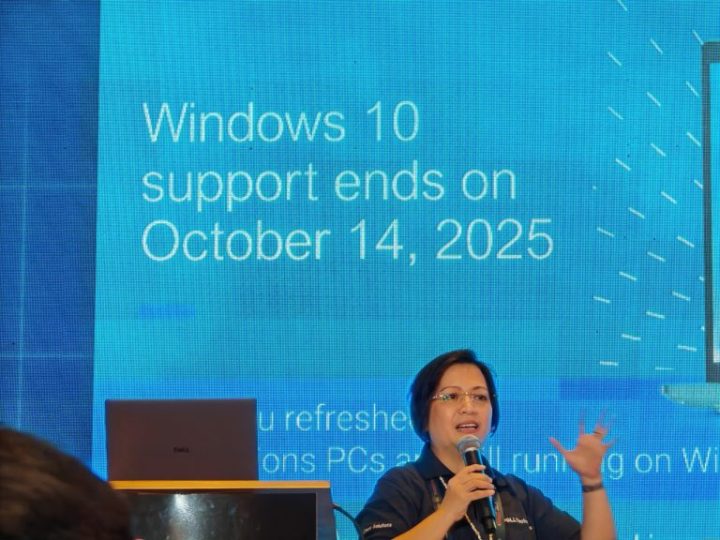
Microsoft's extension of Windows 10 Extended Security Updates (ESUs) through October 12, 2027 signals a prolonged enterprise IT modernization cycle that creates significant indirect opportunities for cross-border e-commerce sellers. The announcement follows Windows 10's official support end on October 14, 2024, and provides organizations managing tens of thousands of devices with a 3-year transition window to migrate to Windows 11. This extended timeline directly impacts enterprise purchasing behavior, creating cascading demand across multiple seller categories.
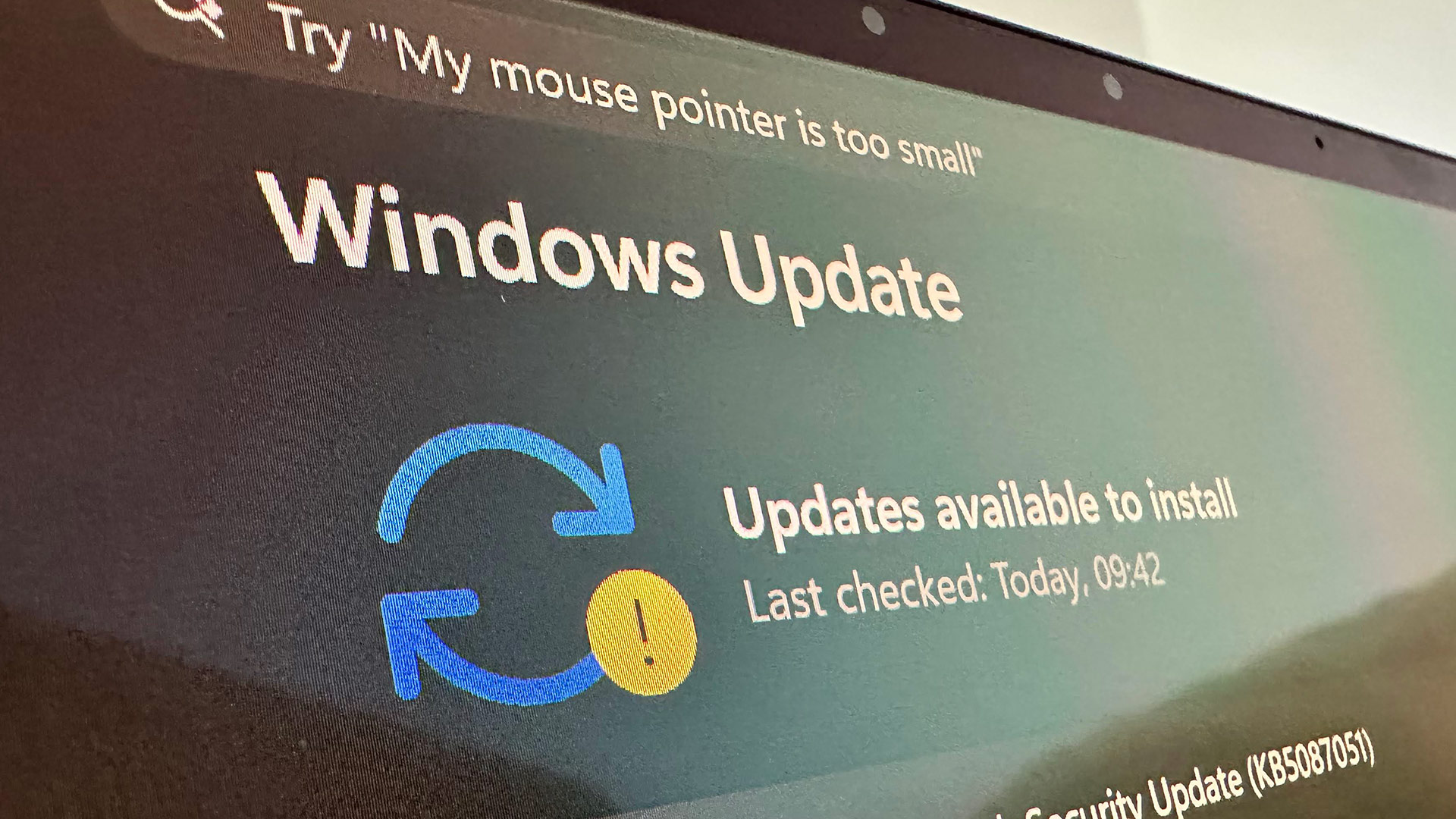
The operational impact extends far beyond operating system licensing. Organizations delaying Windows 11 adoption must invest in complementary infrastructure: enterprise-grade cybersecurity solutions (antivirus, endpoint protection), network monitoring tools, cloud migration services, and IT management software. The free enrollment options—via Windows Backup sync, 1,000 Microsoft Rewards points redemption, or Windows Settings wizards—indicate Microsoft's strategy to ease adoption friction while maintaining security coverage. For sellers, this translates to increased B2B demand for IT infrastructure products, managed services, and digital transformation tools. European Economic Area users receive one year of free ESU coverage, creating regional pricing disparities that affect how sellers position enterprise software bundles across markets.
The migration timeline creates predictable demand waves for related product categories. The mid-August 2026 broader rollout date marks a critical inflection point when organizations must finalize migration strategies. This drives purchasing cycles for: (1) Windows 11 licensing and deployment tools, (2) hardware upgrades (many older devices cannot run Windows 11 due to TPM 2.0 and processor requirements), (3) cloud infrastructure services (Windows 365 Cloud PCs mentioned explicitly), (4) IT management and monitoring platforms, and (5) cybersecurity solutions for legacy system protection. Sellers offering enterprise software bundles, IT consulting services, or hardware compatibility assessment tools can capitalize on this 36-month window. The explicit warning that ESUs leave systems "exposed to unsupported components and growing software incompatibilities" creates urgency for organizations to plan upgrades, accelerating procurement cycles. For cross-border sellers, this represents sustained B2B demand through 2027, particularly in enterprise software, cloud services, and IT infrastructure categories where margins typically exceed consumer electronics.
Questions 8
How does Microsoft's Windows 10 ESU extension through 2027 affect enterprise software sellers?
The 3-year ESU extension creates sustained demand for complementary enterprise solutions through October 2027. Organizations maintaining Windows 10 must invest in enhanced cybersecurity, endpoint protection, and IT management tools to compensate for the lack of feature updates. This extends the procurement cycle for enterprise software bundles, IT infrastructure services, and cloud migration platforms. Sellers offering Windows 11 migration consulting, hardware compatibility assessments, or enterprise security suites can target organizations planning phased upgrades during this window. The explicit Microsoft warning about growing software incompatibilities accelerates purchasing decisions for risk mitigation solutions.
When should enterprise sellers begin targeting organizations for Windows 11 migration services?
The mid-August 2026 broader ESU rollout date marks the critical inflection point for migration planning. Organizations must finalize Windows 11 adoption strategies 12-18 months before the October 2027 ESU deadline to allow time for testing, procurement, and deployment. Sellers should begin targeting enterprise accounts immediately with migration assessment services, hardware compatibility audits, and phased upgrade planning. The 36-month window (October 2024 to October 2027) provides sustained opportunity, but procurement cycles typically require 6-12 months of planning. Early engagement with IT decision-makers during 2025-2026 positions sellers to capture migration service contracts worth $5,000-$50,000+ per organization depending on device count.