
Middle East Military Shift Threatens Strait of Hormuz Logistics | Cross-Border Sellers Face Supply Chain Risk
- Pentagon's $400M+ base damage and potential Gulf withdrawal could disrupt 20% of global oil transit and increase shipping insurance costs 15-25% for sellers routing through Strait of Hormuz





Overview
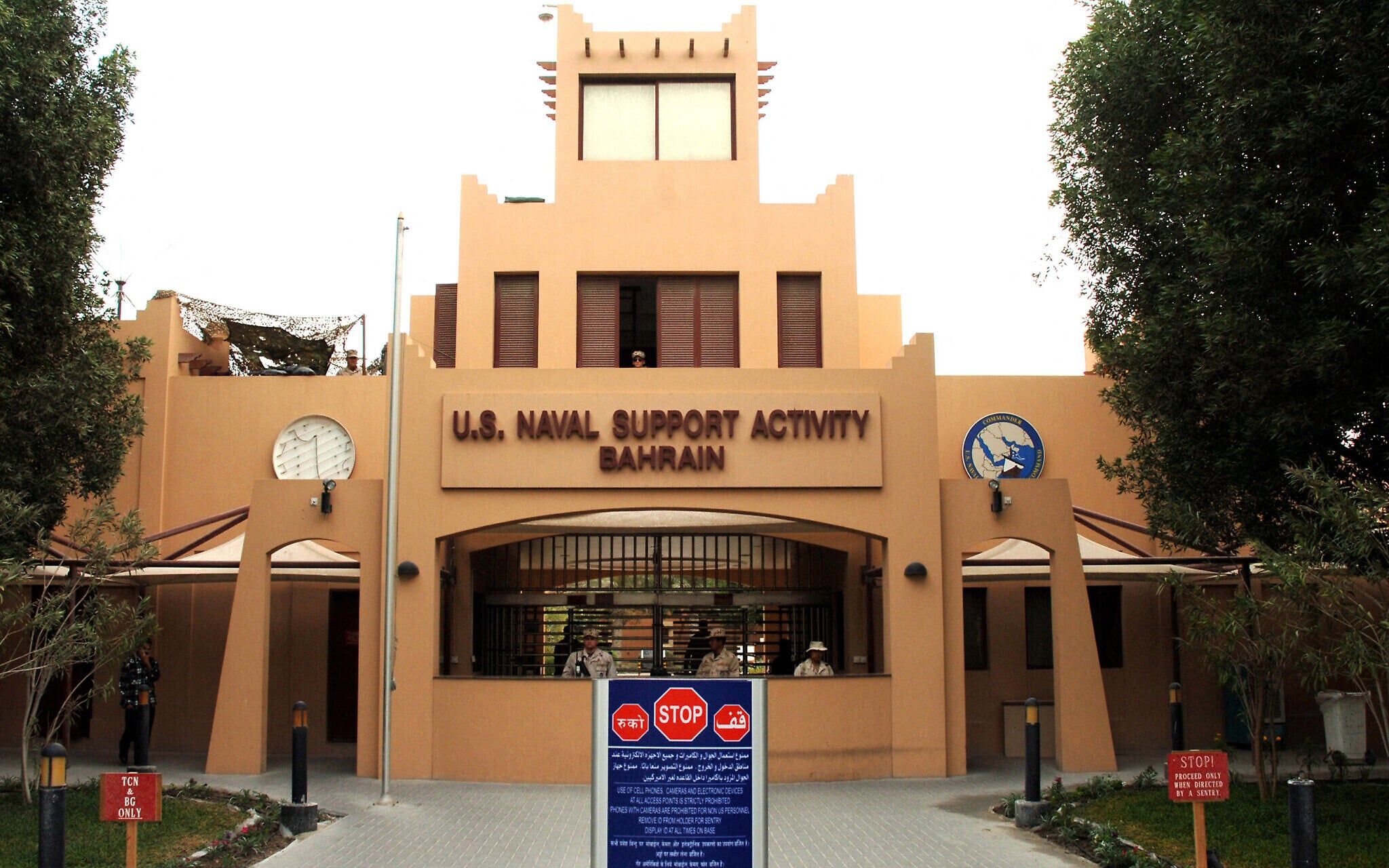
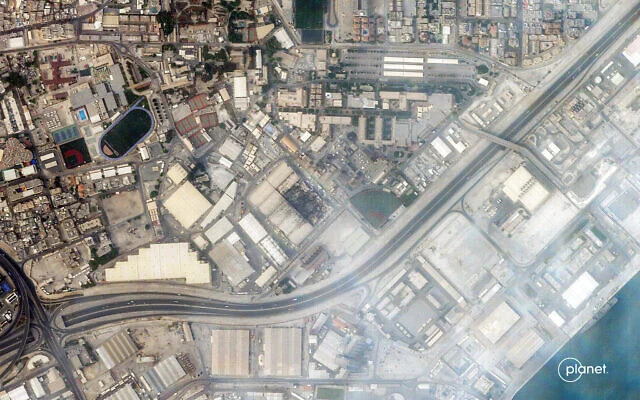
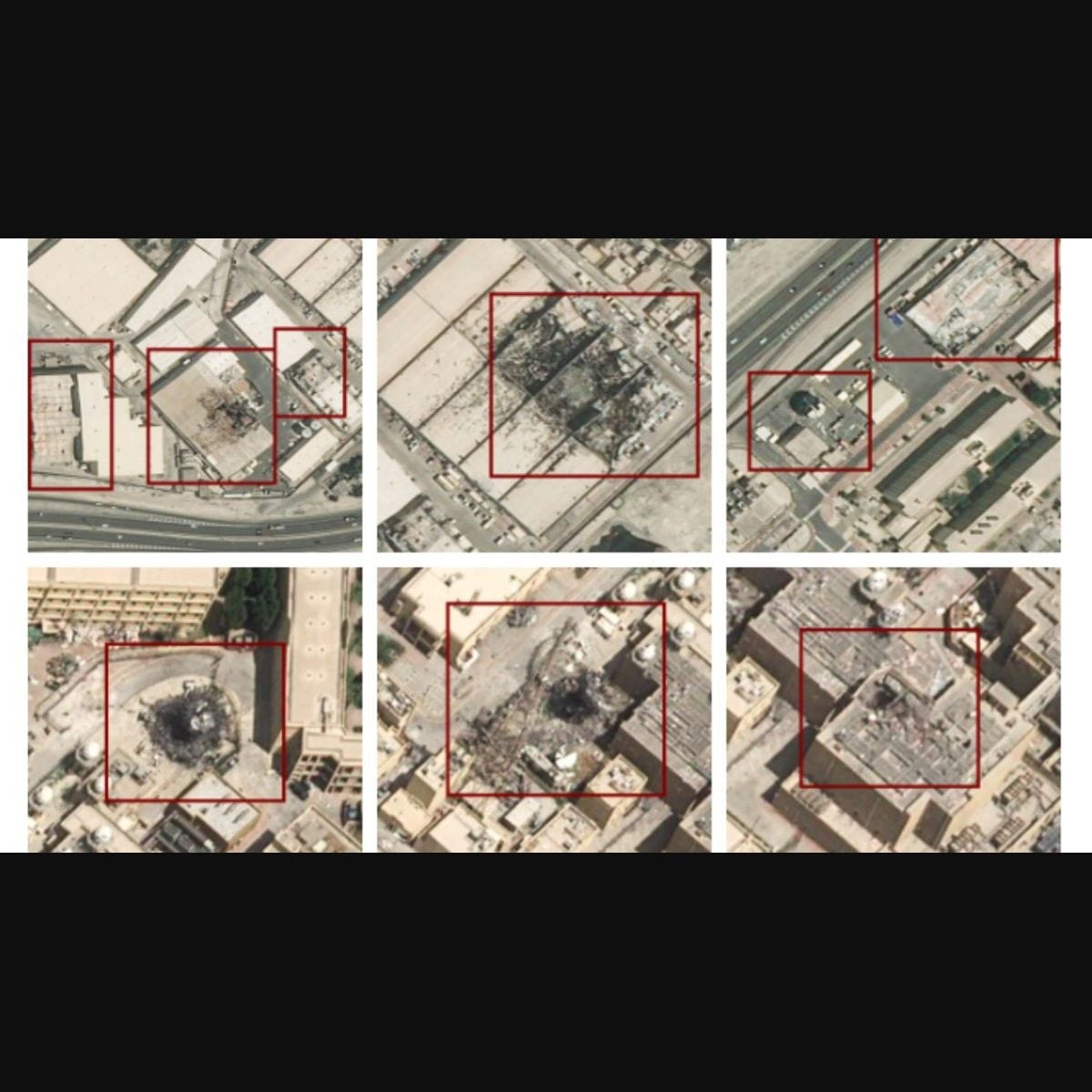
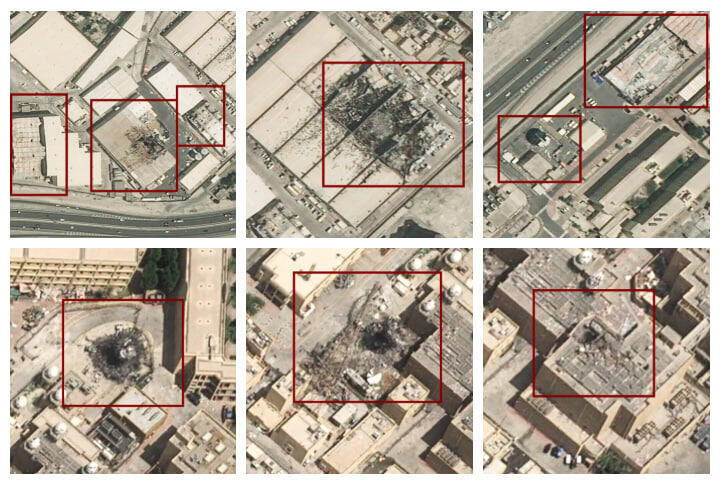
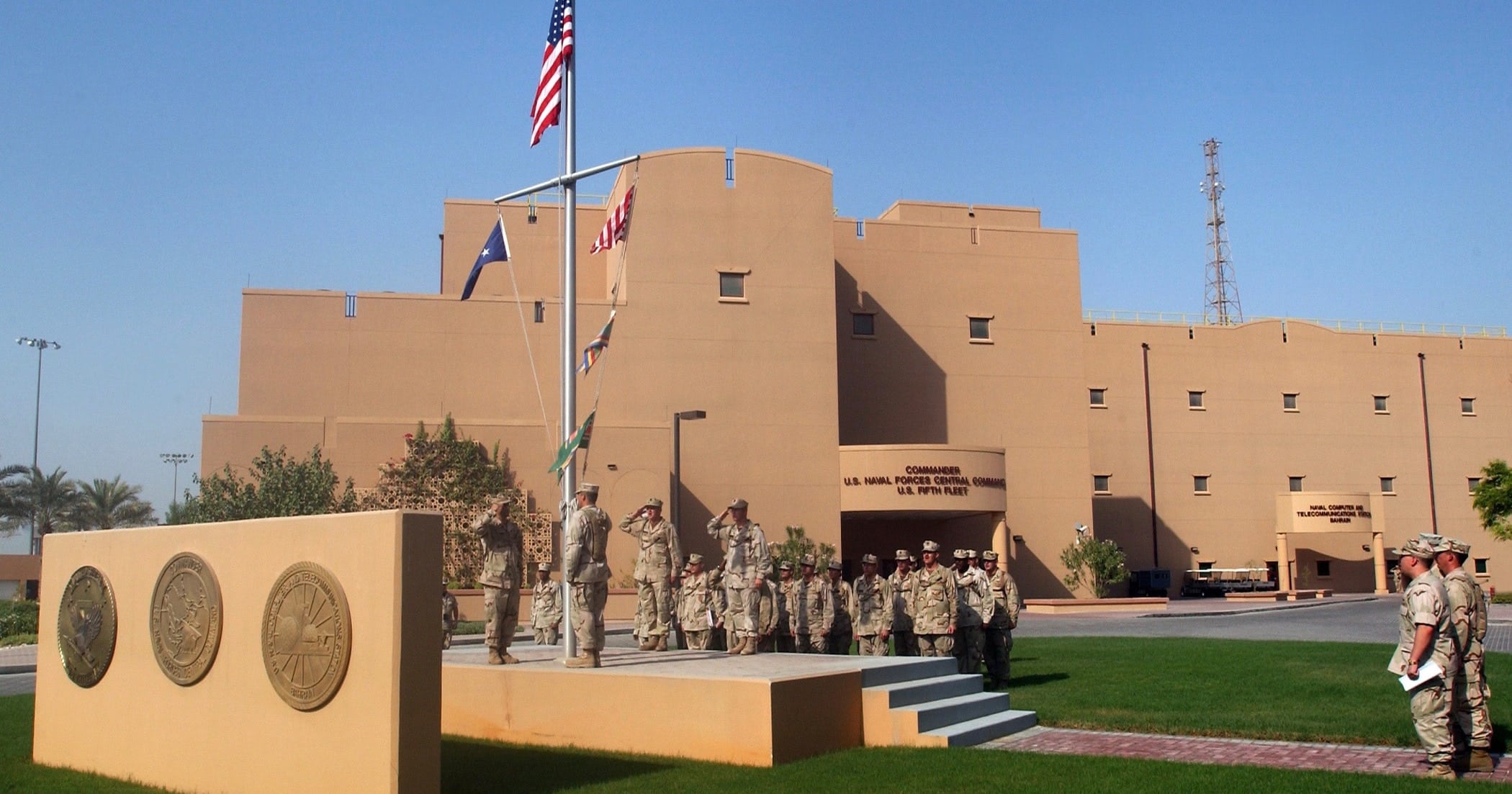
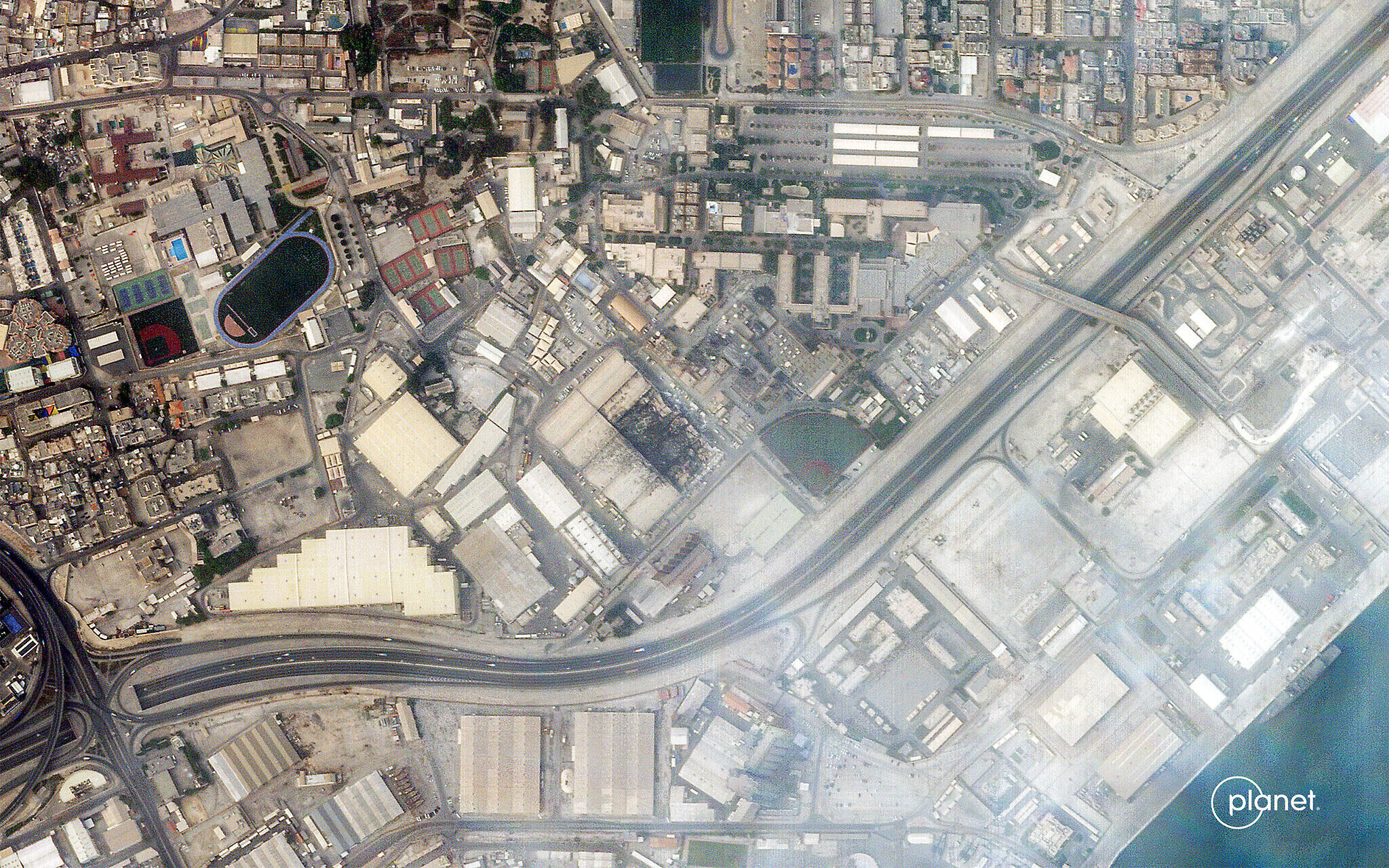
The US Pentagon's strategic reassessment following Iran's February 28, 2026 retaliatory strikes on Naval Support Activity Bahrain represents a critical inflection point for cross-border e-commerce logistics in the Middle East. Iran's missile and drone attacks inflicted approximately $400 million in documented damage to NSA Bahrain—the region's sole US Navy base—with actual costs potentially exceeding this figure when accounting for destroyed satellite communication terminals valued at $20 million each and operational disruptions. The Pentagon is now evaluating relocation of the Fifth Fleet headquarters, potentially moving command functions to Israel while reducing military presence in Kuwait and Saudi Arabia.
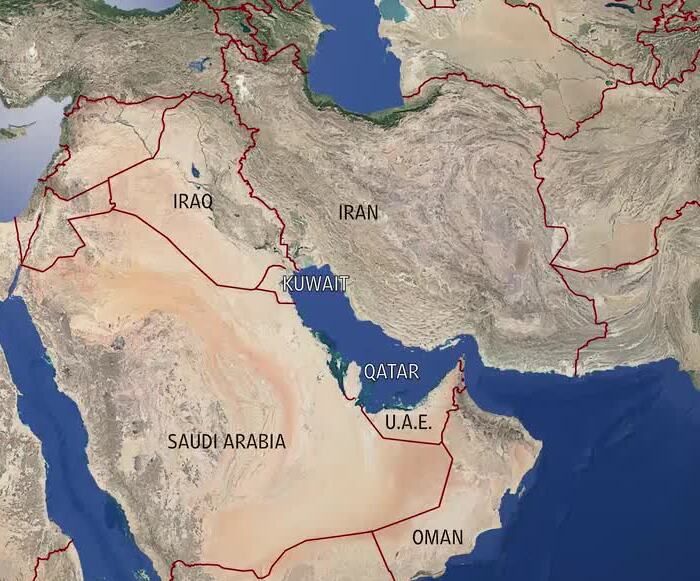
Supply Chain Vulnerability & Shipping Route Risk: The Strait of Hormuz, through which approximately 20% of global oil passes, remains vulnerable to further disruptions. For e-commerce sellers, this geopolitical realignment creates three immediate operational challenges: (1) Port accessibility uncertainty in Bahrain, Dubai, and other Gulf hubs that serve as critical transshipment points for Asia-to-US and Asia-to-EU shipments; (2) Insurance cost escalation of 15-25% for goods transiting the region, directly impacting fulfillment economics for sellers using 3PL providers with Gulf operations; (3) Logistics timeline unpredictability, with potential 5-10 day delays for shipments routed through affected ports during periods of heightened military tension.
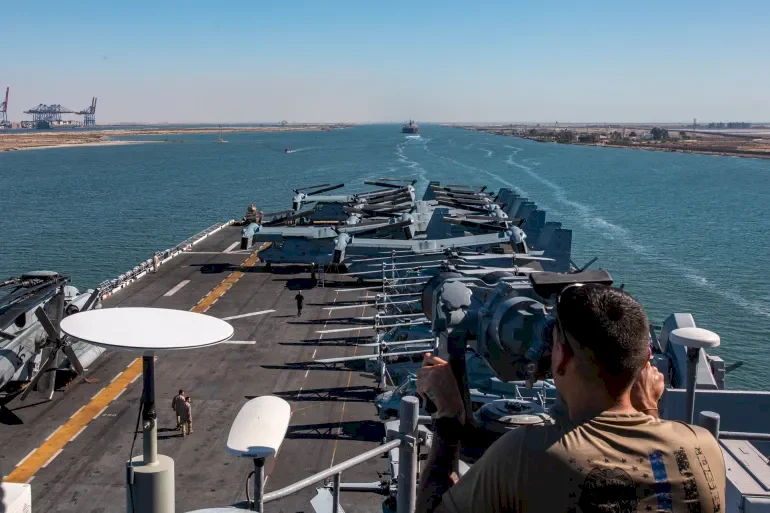
Market-Specific Impact by Seller Segment: Sellers sourcing from or shipping through the Middle East face differentiated risks. Electronics and apparel sellers with manufacturing in Vietnam, Thailand, or India relying on Suez Canal/Strait of Hormuz routes face the highest exposure—these categories represent $180B+ in annual cross-border trade through the region. The US-Iran ceasefire agreement (April 8, 2026) and 60-day negotiation window provide a temporary stabilization window, but the Pentagon's $80 billion supplemental defense funding request signals sustained military posturing. Sellers should monitor the 60-day negotiation deadline (mid-June 2026) as a critical decision point: if negotiations fail, military escalation could trigger port closures or shipping route diversions adding 7-14 days to transit times and 8-12% to logistics costs.
Actionable Intelligence for Sellers: The news explicitly identifies that military repositioning "could impact port accessibility, insurance costs, and logistics timelines for goods transiting the region." Sellers with inventory in transit through Gulf ports should immediately review 3PL provider contingency plans and consider temporary diversions to alternative routes (Cape of Good Hope, longer but more stable). Companies with significant Middle East market exposure should evaluate inventory positioning in Israel (emerging as military hub) and reduced exposure in Kuwait/Saudi Arabia, reflecting the Pentagon's strategic withdrawal from those locations.
Questions 8
What happens if the US-Iran negotiations fail on the June 2026 deadline?
If negotiations fail, the Pentagon's base relocation plans move from evaluation to implementation, potentially triggering port disruptions, shipping delays of 7-14 days, and insurance cost spikes of 20-25% within 30-60 days. The news indicates Israel would become the primary US military hub while Kuwait and Saudi Arabia see reduced presence, destabilizing current logistics networks in those regions. Sellers should prepare contingency plans: (1) Identify alternative shipping routes (Cape of Good Hope, air freight) with cost and timeline impacts; (2) Increase safety stock in US/EU warehouses to buffer against supply chain delays; (3) Communicate proactively with customers about potential shipping delays. The Quinnipiac poll showing 60% of Americans believe military action was 'not worth it' suggests political pressure could force rapid policy shifts, making this an unpredictable risk requiring continuous monitoring.
Which product categories face the highest supply chain risk from this military shift?
Electronics and apparel sellers are most exposed, as these categories represent $180B+ in annual cross-border trade through Middle East routes. Sellers sourcing from Vietnam, Thailand, or India and shipping to US/EU markets via Suez Canal or Strait of Hormuz face 5-10 day potential delays and 8-12% logistics cost increases. The Pentagon's documented $400M+ damage to NSA Bahrain and potential withdrawal from Kuwait/Saudi Arabia directly threatens port operations in these regions. Sellers in these categories should immediately audit inventory in transit and consider temporary diversions to Cape of Good Hope routes, despite longer transit times (7-14 additional days).