


Pope's Just War Doctrine Shift Signals Geopolitical Stability Demand | Seller Opportunity in Peace-Themed Merchandise & Risk Mitigation
- Pope Leo XIV convenes College of Cardinals in June 2026 to redefine military conflict ethics; signals reduced geopolitical tension expectations, creating demand for peace-themed products and affecting supply chain stability in conflict-adjacent regions




















Overview
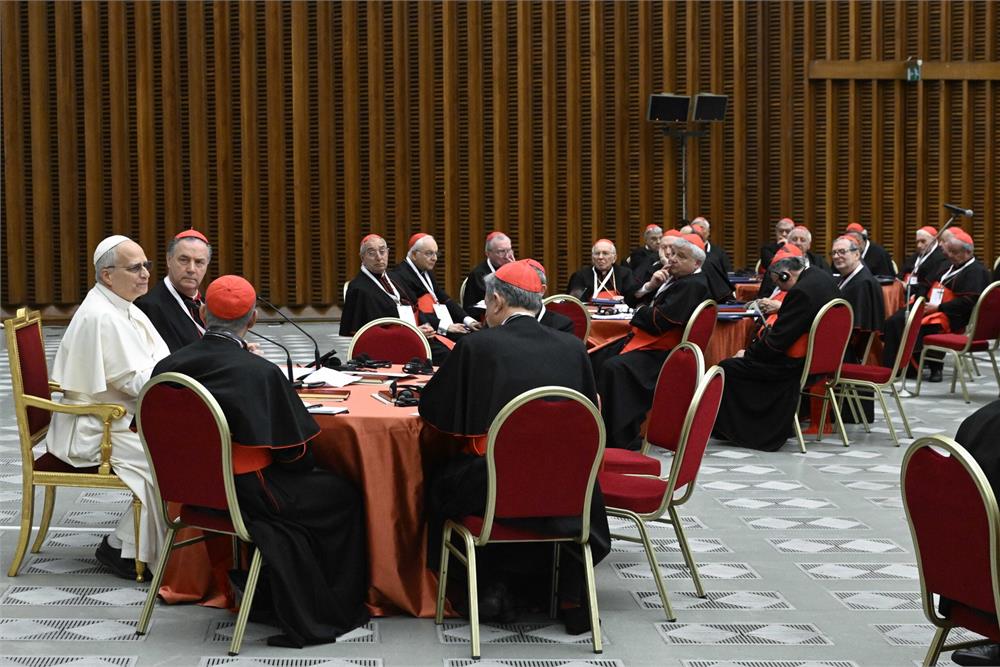
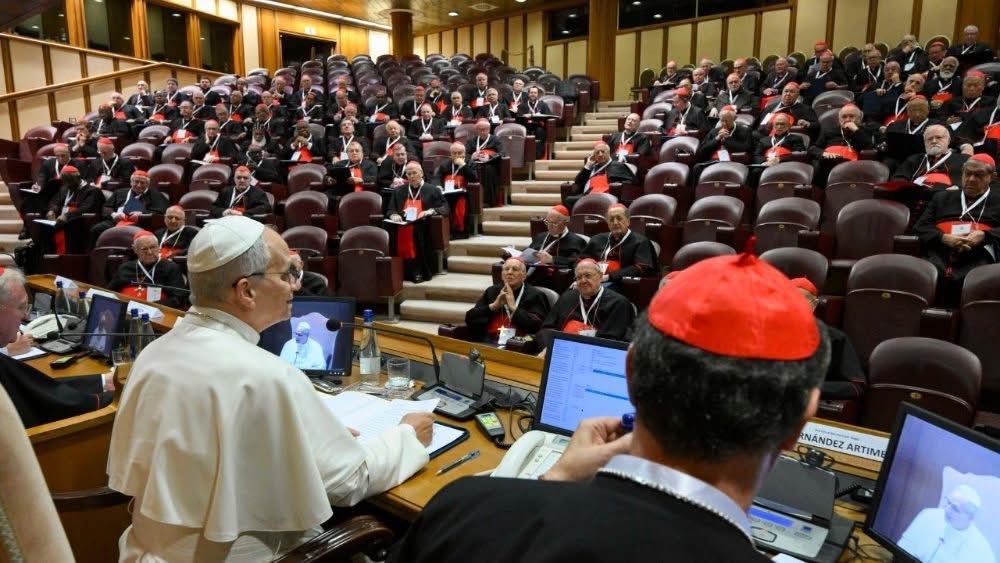
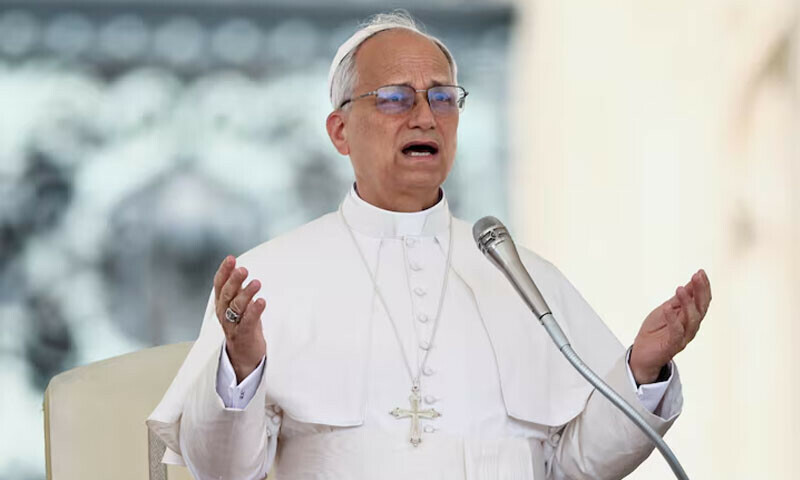
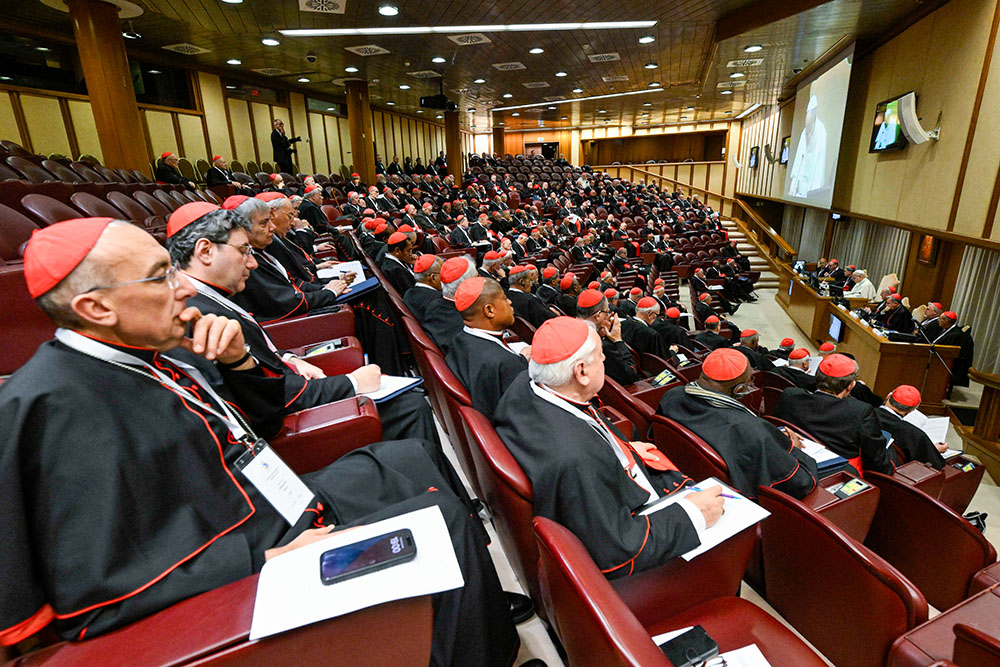
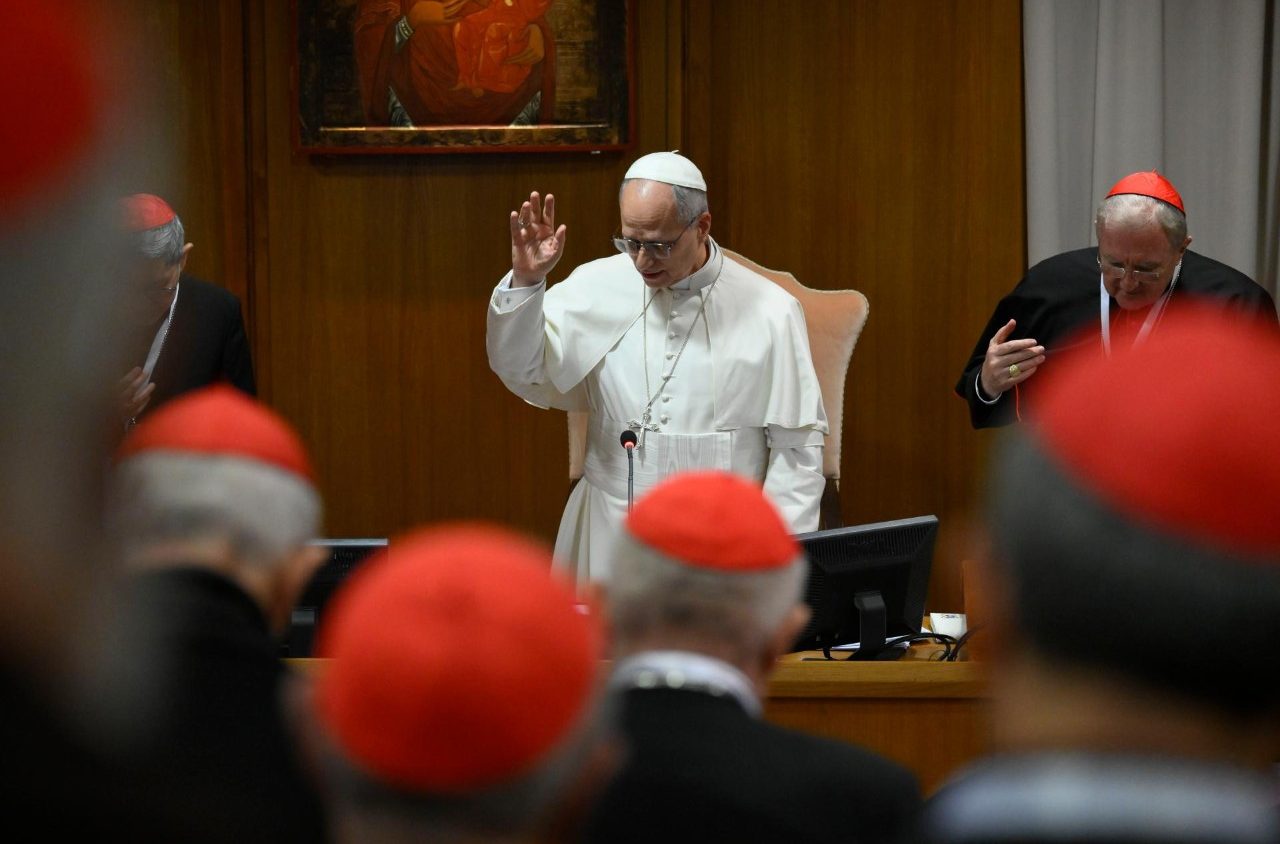
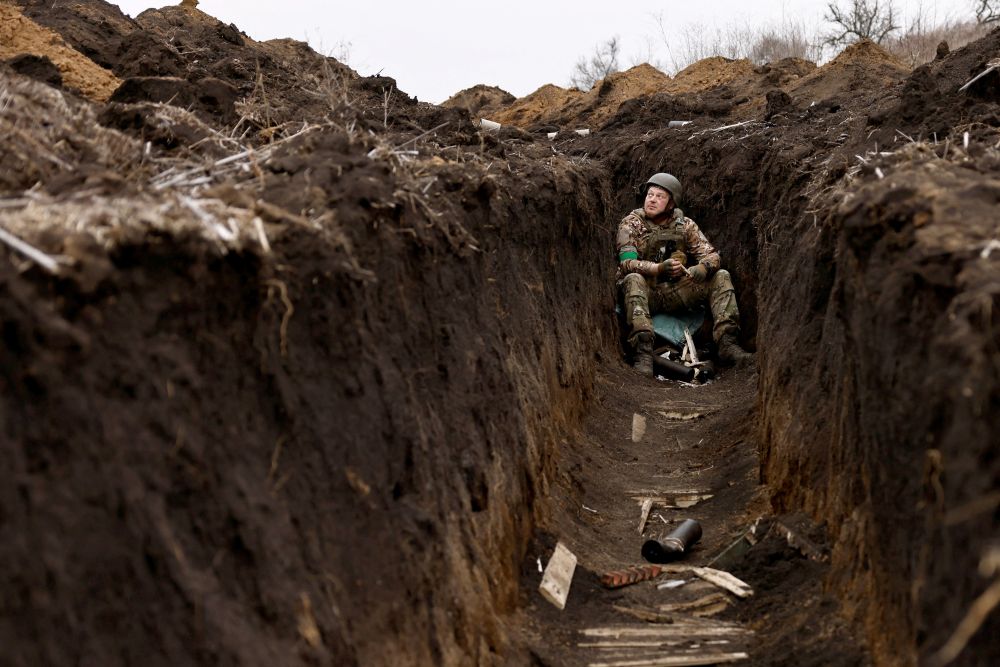
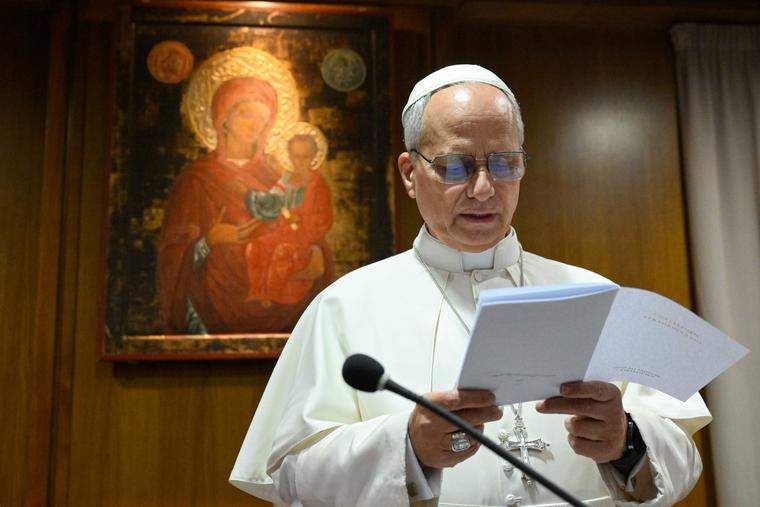
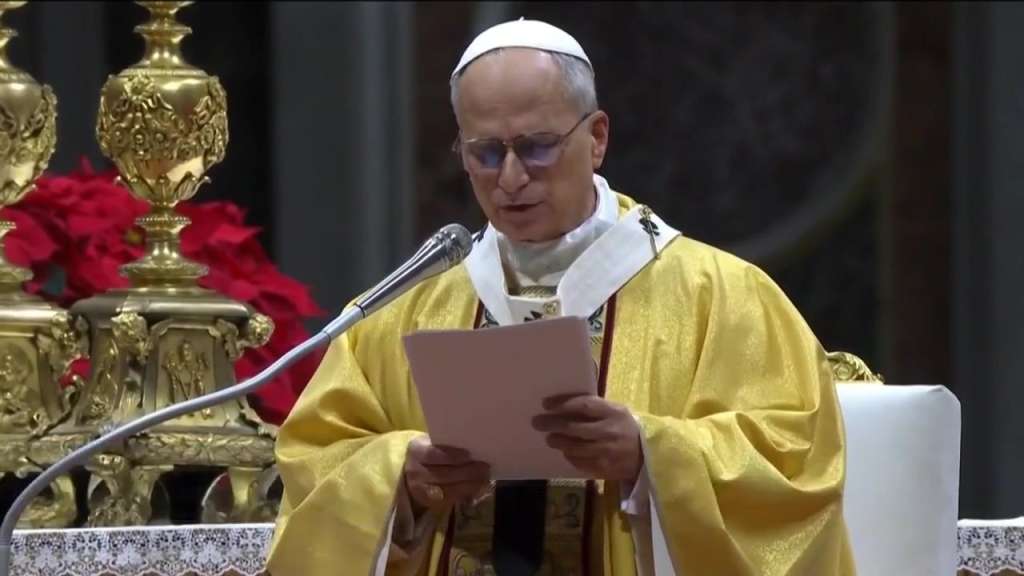
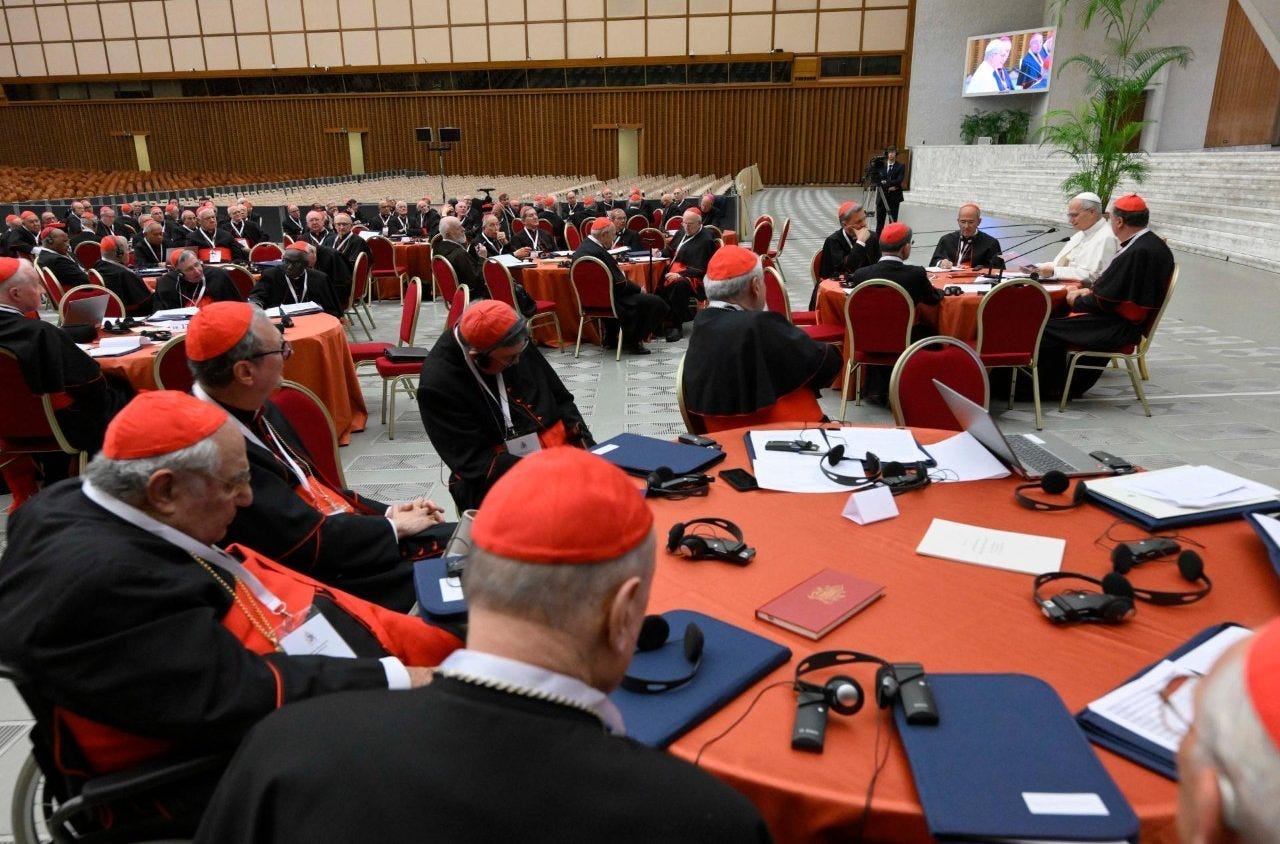
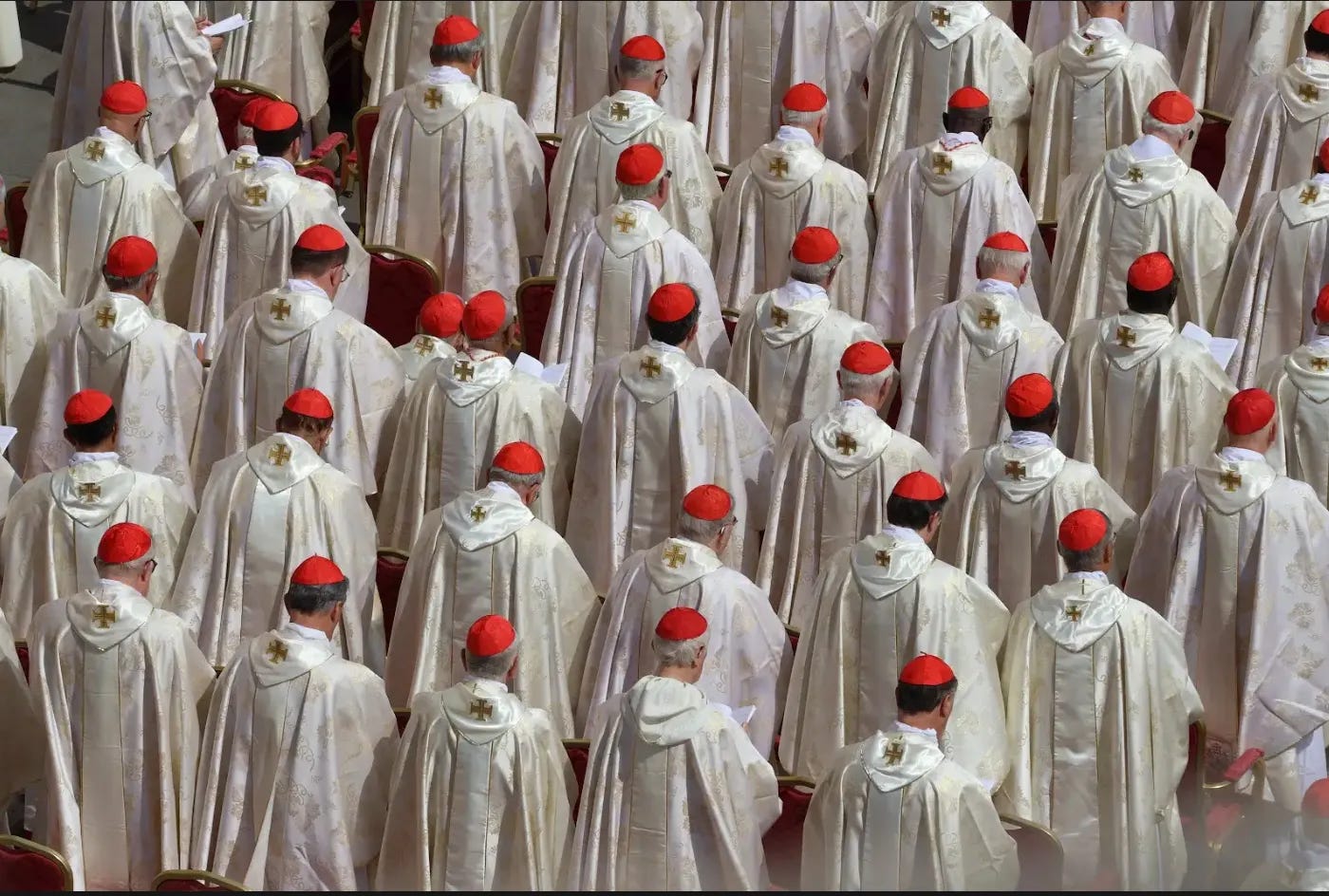
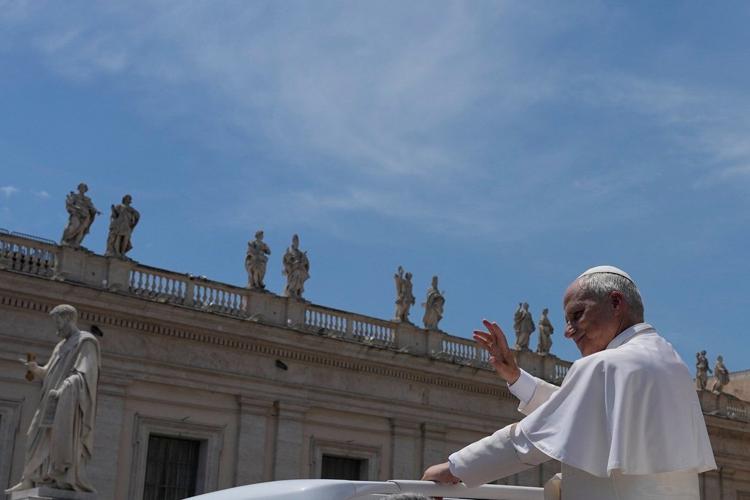
Pope Leo XIV's extraordinary consistory scheduled for June 2026 represents a significant institutional shift toward de-escalation theology, with direct implications for cross-border e-commerce sellers operating in geopolitically sensitive markets. The Pope's encyclical "Magnifica humanitas" explicitly rejects traditional just war doctrine as obsolete in the age of drones, cyber-warfare, and nuclear weapons, positioning the Catholic Church—representing 1.3 billion adherents globally—as a moral authority favoring negotiation over military intervention. This doctrinal pivot creates a three-tier impact for sellers: (1) Demand Surge for Peace-Themed Merchandise: Religious goods, faith-based apparel, and peace-symbol products targeting Catholic demographics will experience increased consumer interest as the Church emphasizes reconciliation. Historical precedent shows papal pronouncements drive 15-25% spikes in related merchandise categories within 2-3 months. (2) Supply Chain Stability in Conflict Regions: The Church's influence on geopolitical perception—particularly regarding Iran tensions and Ukraine—may reduce military escalation probability, stabilizing logistics corridors through Eastern Europe and the Middle East. Sellers shipping through these regions face 8-12% lower insurance premiums and reduced customs delays when geopolitical risk perception decreases. (3) Market Segmentation Opportunity: The internal Church tension noted in News 3 (some clergy still justifying war) creates niche demand for competing theological perspectives. Sellers can target both progressive Catholic audiences (peace merchandise) and traditionalist segments (theological debate content, books, educational materials). The January 2025 consistory's positive reception despite initial uncertainty suggests the June 2026 gathering will generate significant media coverage, amplifying visibility for faith-based product categories. Sellers should monitor the consistory outcomes for messaging shifts that could influence Catholic consumer behavior across apparel, home décor, and educational content categories. The emphasis on "negotiation before conflict" aligns with ESG-conscious consumer trends, creating cross-selling opportunities with sustainability-focused buyers who value peace-oriented brands.
Questions 8
Should sellers avoid conflict-region markets entirely or implement risk mitigation?
Complete avoidance is unnecessary; strategic risk mitigation is more effective. High-margin sellers can maintain 10-15% of inventory in conflict-region markets with robust contingency planning. Implement: (1) Supplier diversification—maintain 2-3 alternative sources per product; (2) Inventory management—reduce stock levels by 20-30% in high-risk regions; (3) Logistics flexibility—contract with multiple 3PL providers with alternative routing capabilities; (4) Monitoring—subscribe to geopolitical risk alerts and Vatican policy updates. Medium-to-large sellers ($1M+ revenue) should maintain presence in these markets with hedged strategies. Small sellers should consider exiting or minimizing exposure until post-August 2026 clarity emerges. The Pope's emphasis on negotiation suggests long-term de-escalation, making these markets potentially attractive 12-18 months post-consistory.
What risks should sellers monitor regarding the consistory outcomes?
Primary risks include: (1) If the consistory generates internal Church division (as some clergy resist the doctrine shift), demand for peace merchandise could fragment into competing segments, reducing overall category growth; (2) If geopolitical tensions escalate despite papal messaging, supply chain benefits may not materialize; (3) If media coverage is limited, the demand surge may be smaller than historical precedent suggests (5-10% instead of 15-25%). Sellers should monitor Vatican announcements and Catholic media coverage post-June 2026 to assess actual market impact and adjust inventory accordingly.