

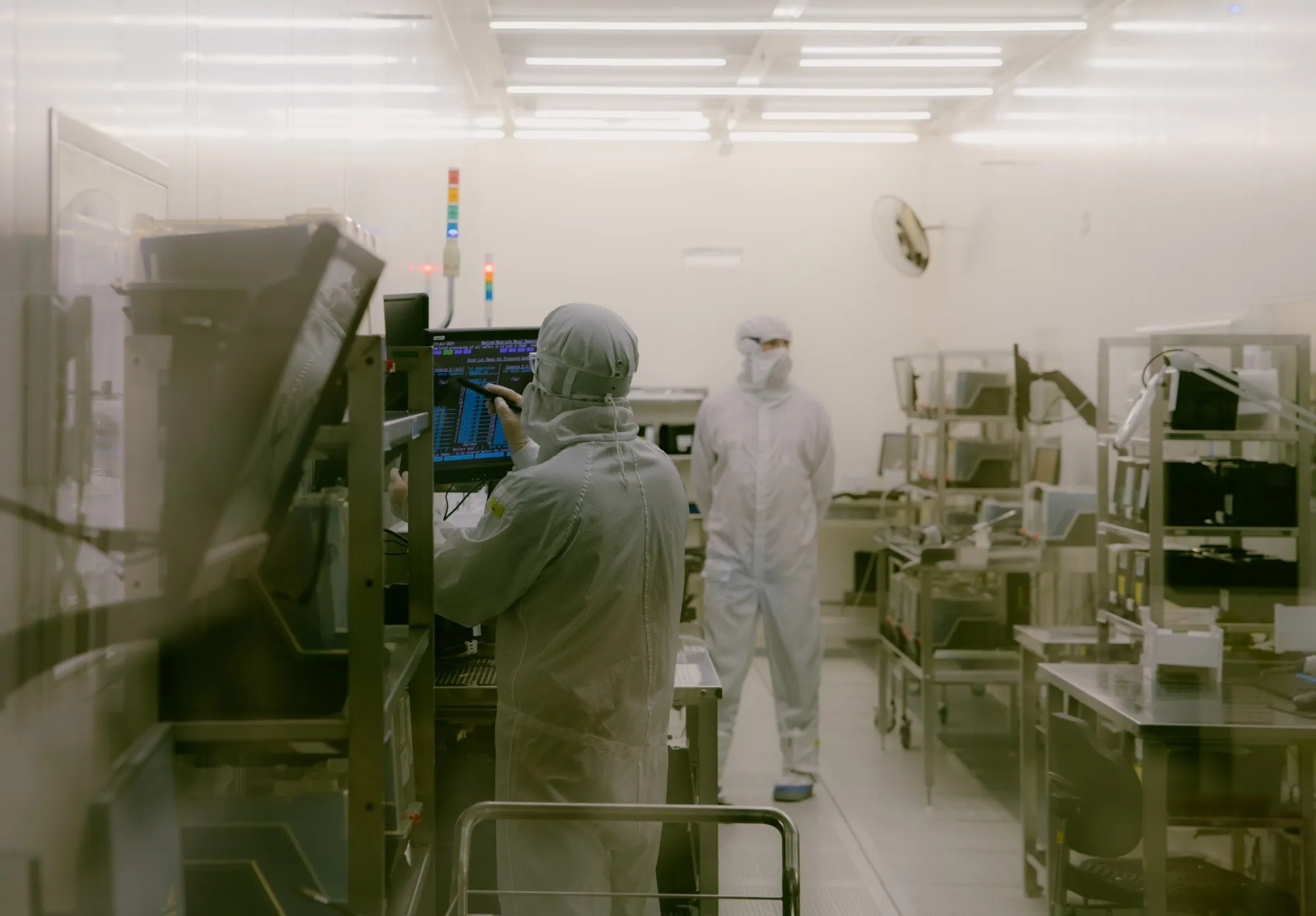
ON Semiconductor's $7B Synaptics Acquisition Reshapes AI Chip Supply Chain for E-Commerce Electronics Sellers
- Semiconductor consolidation impacts component sourcing, pricing, and supply availability for electronics sellers; integration through mid-2027 creates 18-month sourcing uncertainty window















Overview
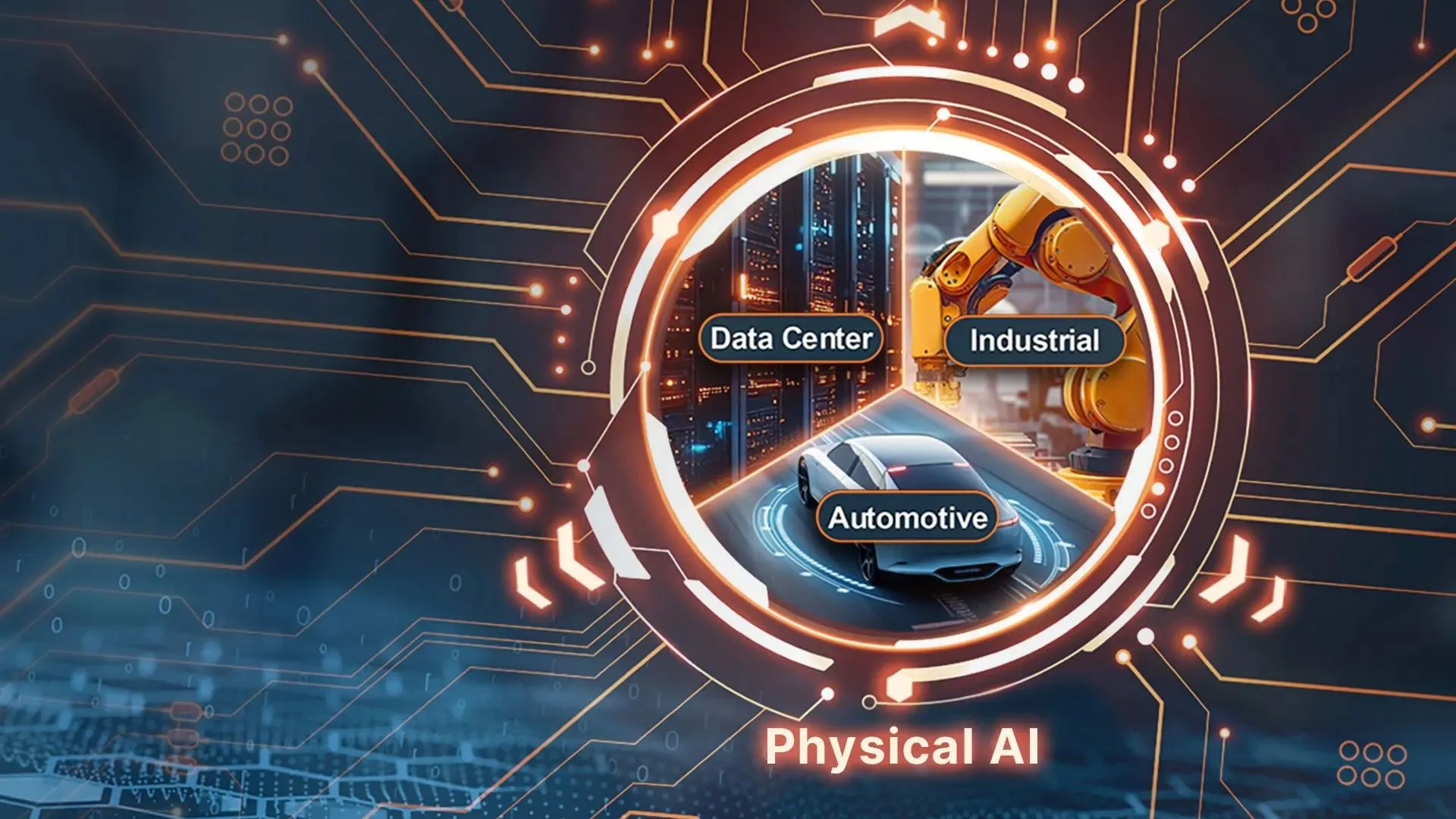
ON Semiconductor's $7 billion all-stock acquisition of Synaptics (announced June 25, 2026, closing mid-2027) represents the largest semiconductor consolidation driven by physical AI competition, directly impacting e-commerce sellers in electronics, IoT, automotive, and smart device categories. The deal combines ON Semi's silicon carbide power solutions with Synaptics' human-machine interface and connected-compute platforms, expanding their addressable market from $213B to $243B by 2030—a $30B growth opportunity concentrated in AI-enabled edge computing devices.
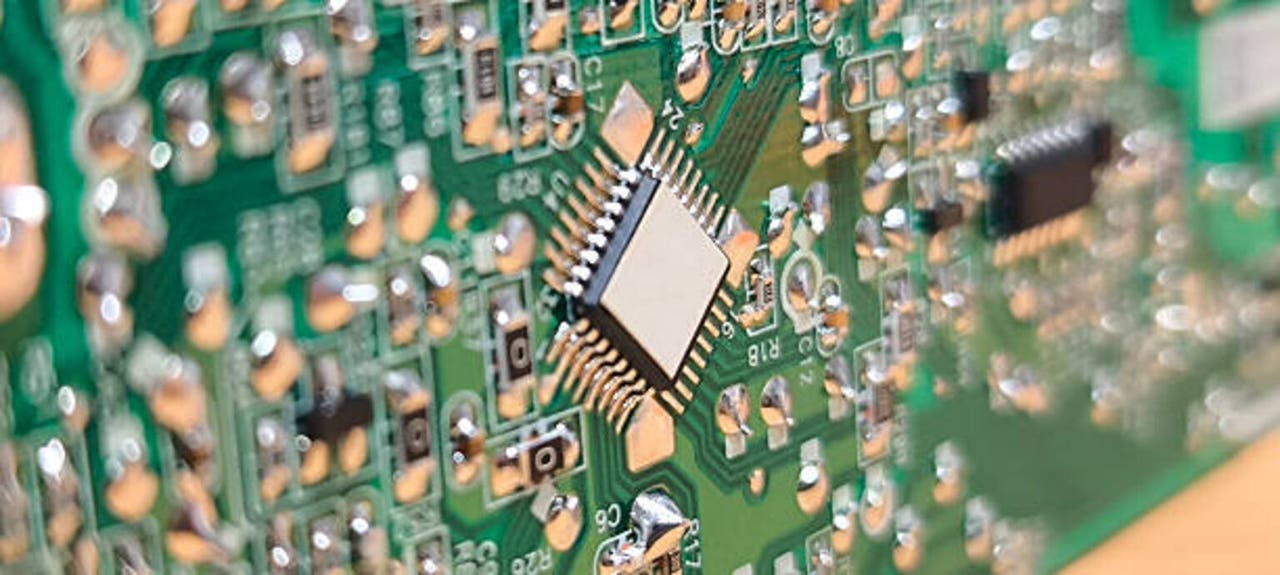
For cross-border electronics sellers, this consolidation creates immediate supply chain risks and mid-term opportunities. Sellers sourcing touch controllers, display drivers, power management ICs, or sensor components from either company face 12-18 months of integration uncertainty. Product line consolidation typically reduces SKU variety by 15-25%, forcing sellers to qualify alternative suppliers or redesign products. Pricing pressure is bidirectional: short-term component shortages (6-12 months post-close) may increase costs 8-15%, while long-term economies of scale could reduce prices 5-10% by 2028-2029. Sellers relying on Synaptics' mobile semiconductor solutions or ON Semi's automotive-grade components should immediately audit their supply contracts and identify secondary suppliers.
The broader semiconductor consolidation wave—including Qualcomm's Modular acquisition and Salesforce's $3.6B Fin purchase—signals accelerating AI infrastructure investment. This creates product opportunities for sellers: AI-enabled smart home devices, robotics components, autonomous vehicle accessories, and edge computing hardware will see 25-40% demand growth through 2030. Sellers currently offering basic electronics can pivot to AI-enhanced product variants (smart thermostats, AI cameras, connected sensors) where margins are 30-50% higher. The 19% acquisition premium ($7B valuation) reflects investor confidence in physical AI's commercial viability, validating seller investment in these categories.
Immediate actions: (1) Audit supplier concentration—if >30% of component sourcing comes from ON Semi or Synaptics, initiate RFQs with Broadcom, NXP, STMicroelectronics, and MediaTek by August 2026; (2) Monitor integration announcements for product discontinuations; (3) Evaluate inventory levels—consider 20-30% safety stock increase for critical components through Q2 2027; (4) Explore AI product opportunities in smart home, robotics, and autonomous vehicle categories where TAM is expanding $30B annually.
Questions 8
What competitive advantage can sellers gain by moving into AI-enabled product categories now?
Early movers in AI-enabled electronics can establish 18-24 month competitive advantages before larger brands enter. ON Semi's $30B TAM expansion through 2030 indicates explosive growth in AI device categories. Sellers who launch AI-enhanced smart home, robotics, or edge computing products by Q4 2026 can: (1) Capture first-mover market share (15-25% of early adopters); (2) Build brand authority in emerging categories before competition intensifies; (3) Achieve 40-60% higher margins than commodity electronics; (4) Establish supplier relationships with ON Semi's combined entity before allocation constraints emerge. Data-driven sellers using AI product research tools (like Helium 10, Jungle Scout with AI modules) can identify underserved AI product niches 4-6 weeks faster than competitors, translating to 2-3 month first-mover advantage in product launches.
How can sellers use AI tools to automate supply chain monitoring during this integration period?
AI-powered supply chain automation can reduce monitoring overhead by 60-70% and improve response time by 40-50%. Sellers should implement: (1) Automated supplier news monitoring—AI tools like Perplexity or specialized supply chain platforms can track ON Semi integration announcements, product discontinuations, and pricing changes in real-time, alerting sellers to changes within 24 hours vs. manual monitoring's 1-2 week lag; (2) Predictive lead time modeling—AI can analyze historical integration patterns from similar semiconductor M&A to forecast component availability and lead time extensions 4-8 weeks in advance; (3) Dynamic pricing optimization—AI pricing engines can automatically adjust product prices 5-10% based on component cost changes, protecting margins during volatile periods. ROI: 15-20 hours/week saved on manual monitoring, plus 2-5% margin protection from dynamic pricing, equaling $5-15K monthly savings for mid-size sellers.