



RAISE US $500M AI Workforce Program | Seller Opportunity in Reskilling & EdTech
- Bipartisan nonprofit launches with $500M funding targeting 4 pilot states; 70% of Americans fear AI job loss; creates demand for AI-powered training tools, career transition services, and workforce analytics platforms for e-commerce sellers managing team automation

























Overview
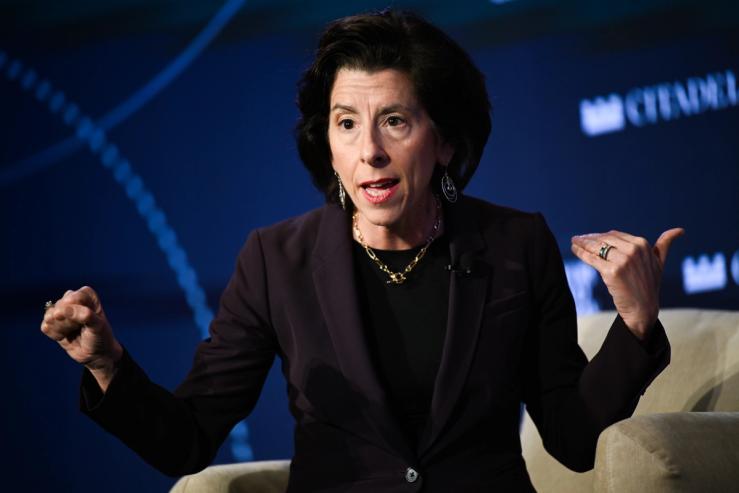
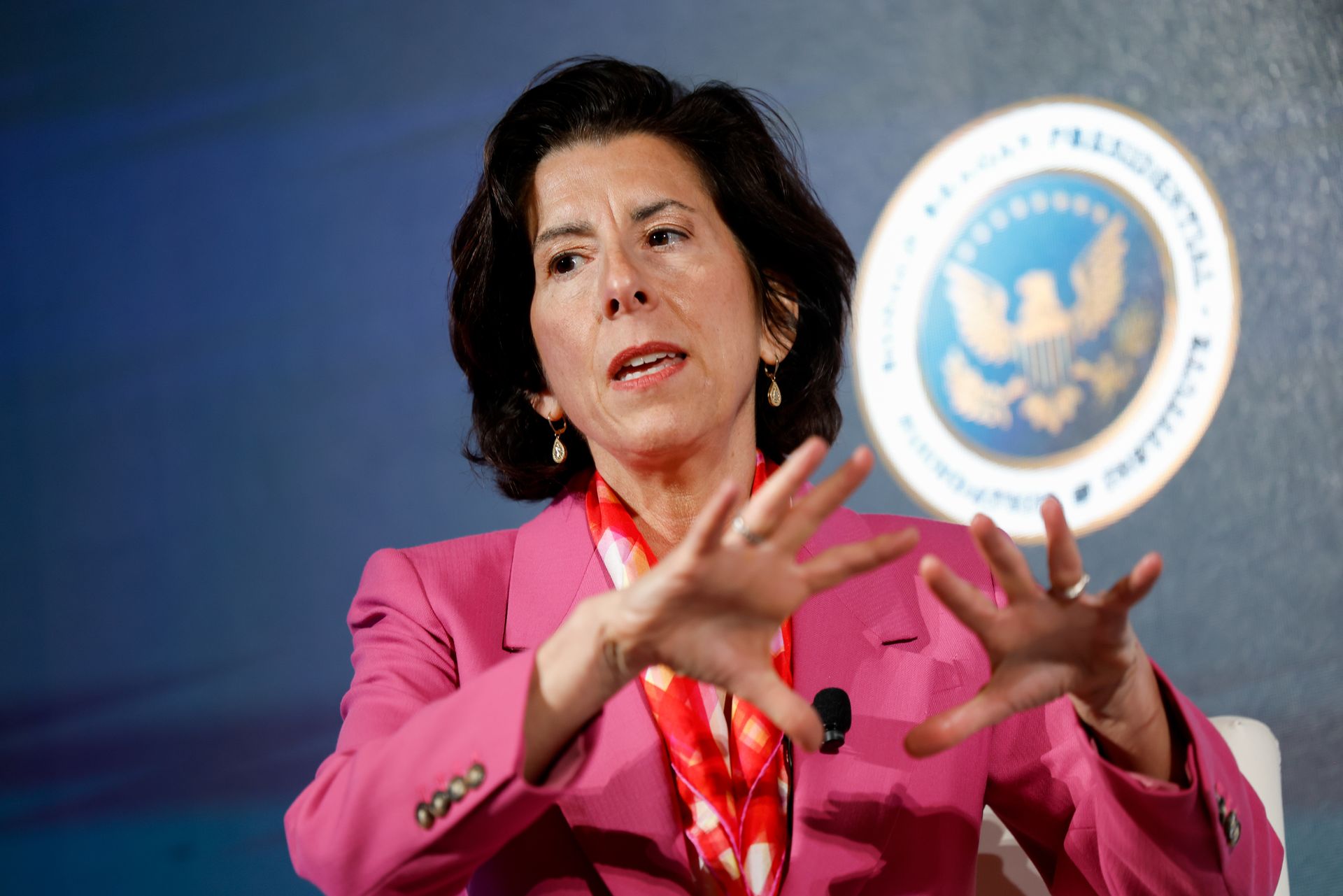
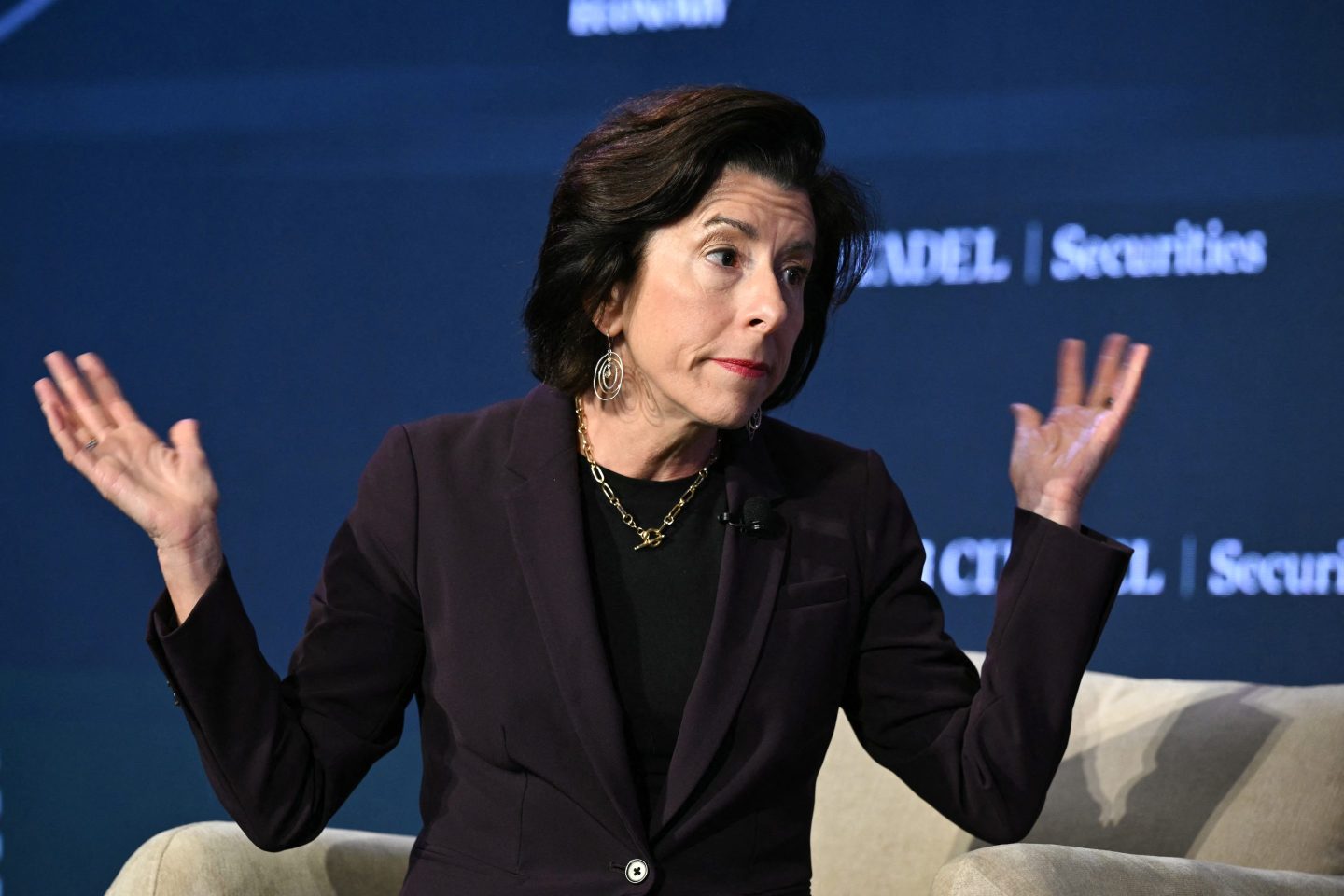
RAISE US, a $500 million bipartisan nonprofit co-founded by former Commerce Secretary Gina Raimondo and Indiana Governor Eric Holcomb, launched Thursday to address AI-driven workforce displacement across the U.S. The initiative, backed by Amazon, Microsoft, OpenAI, Anthropic, and Bank of America, represents a fundamental shift in how corporations and government approach technological disruption. With pilot programs launching in Maryland, Arkansas, Utah, and Connecticut over a 3-4 year funding cycle, the organization targets $1 billion in total donations and plans nationwide expansion.
For e-commerce sellers, this initiative signals three critical AI automation opportunities: First, immediate demand for AI-powered workforce management tools that help sellers identify which roles can be automated versus which require human oversight. Sellers managing 50+ employees face pressure to optimize labor costs while maintaining service quality—creating a $2-4B market for AI tools that predict automation ROI by job function. Second, the 70% public fear of AI job loss (Reuters-Ipsos poll) indicates strong consumer demand for reskilling content, online courses, and career transition platforms—categories where e-commerce sellers can capitalize through Amazon, Udemy, Skillshare, and Coursera partnerships. EdTech and professional development products represent one of the fastest-growing cross-border categories, with 35-40% YoY growth in 2024.
Third, the policy framework creates competitive advantages for sellers who adopt AI-driven automation strategically. Raimondo emphasized that current incentive structures reward layoffs over retraining, but RAISE US proposes state tax incentives for companies that redeploy workers rather than eliminate positions. This means sellers who implement AI tools that augment (rather than replace) human workers may qualify for future tax credits—reducing automation costs by 15-25%. The initiative also modernizes unemployment insurance and workforce training systems, potentially creating new compliance requirements for sellers with 100+ employees in pilot states (Maryland, Arkansas, Utah, Connecticut). At least 180 state bills addressing AI workplace impacts have been introduced, signaling that regulatory frameworks will evolve rapidly. Sellers should monitor pilot program outcomes in these four states as early indicators of national policy direction.
AI automation opportunities for sellers RIGHT NOW: (1) Implement AI-powered customer service automation (chatbots, email routing) to reduce support team costs by 30-40% while maintaining quality—tools like Intercom, Zendesk, and Freshdesk offer 2-3 month ROI for sellers with 20+ support staff. (2) Use AI analytics to identify which back-office roles (inventory management, order processing, financial reconciliation) can be partially automated, freeing staff for higher-value tasks like supplier negotiation and product development. (3) Adopt AI-driven pricing and demand forecasting tools (like Keepa, Helium 10, Jungle Scout) to reduce reliance on manual market analysis—saving 10-15 hours/week per analyst. (4) Build AI-powered product research workflows that identify trending categories 4-6 weeks before competitors, using sentiment analysis on social media and marketplace data.
The competitive moat: Sellers who adopt AI tools NOW while RAISE US pilots test retraining effectiveness will have 12-18 months of cost advantage before policy incentives shift the competitive landscape. Early adopters can reduce operational costs by 20-30%, reinvest savings into product development and marketing, and capture market share from competitors still managing manual processes. The initiative's emphasis on "making retraining more cost-effective than abandonment" suggests future policy will penalize pure automation plays—rewarding sellers who use AI to augment teams rather than eliminate them.
Questions 7
What are the compliance risks for sellers in RAISE US pilot states?
Sellers with 100+ employees in Maryland, Arkansas, Utah, and Connecticut face emerging compliance requirements as RAISE US tests new workforce policies. At least 180 state bills addressing AI workplace impacts have been introduced nationally, signaling rapid regulatory evolution. Pilot states will likely implement new unemployment insurance requirements, worker retraining mandates, and tax incentive structures by 2025-2026. Sellers should establish compliance monitoring in these states now, document AI automation decisions with worker retraining plans, and prepare for potential audit requirements. Non-compliance could result in loss of tax credits (15-25% cost savings) and potential penalties for inadequate transition support.
How does the 70% public fear of AI job loss create product opportunities?
The Reuters-Ipsos poll showing 70% of Americans fear permanent AI job loss signals strong consumer demand for reskilling content, online courses, and career transition platforms. EdTech and professional development represent one of the fastest-growing cross-border e-commerce categories with 35-40% YoY growth in 2024. Sellers can capitalize through partnerships with Udemy, Skillshare, Coursera, and LinkedIn Learning, or by creating niche courses targeting specific job transitions (e.g., customer service to AI prompt engineering, warehouse operations to logistics management). This category offers 40-60% gross margins and recurring revenue potential through subscription models.