

Kroger's Dual-Redemption Loyalty Shift Signals Omnichannel Retail Transformation for Sellers
- Unified points system drives 11M+ daily customer engagement across in-store, pickup, delivery, and third-party channels; creates new O2O opportunities for CPG brands and marketplace sellers









Overview
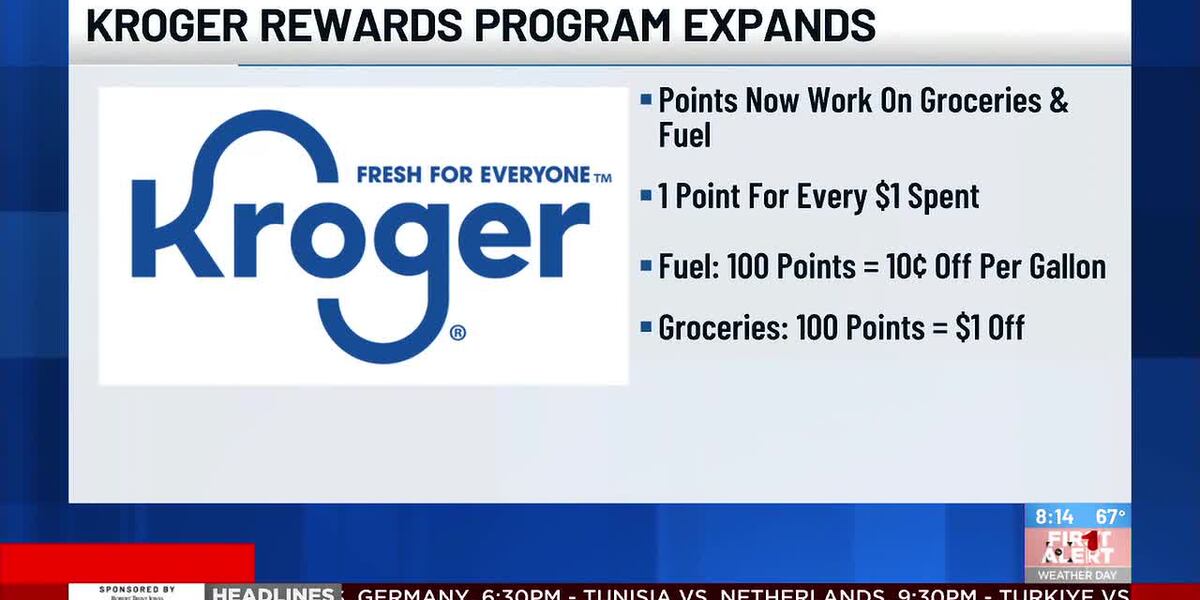
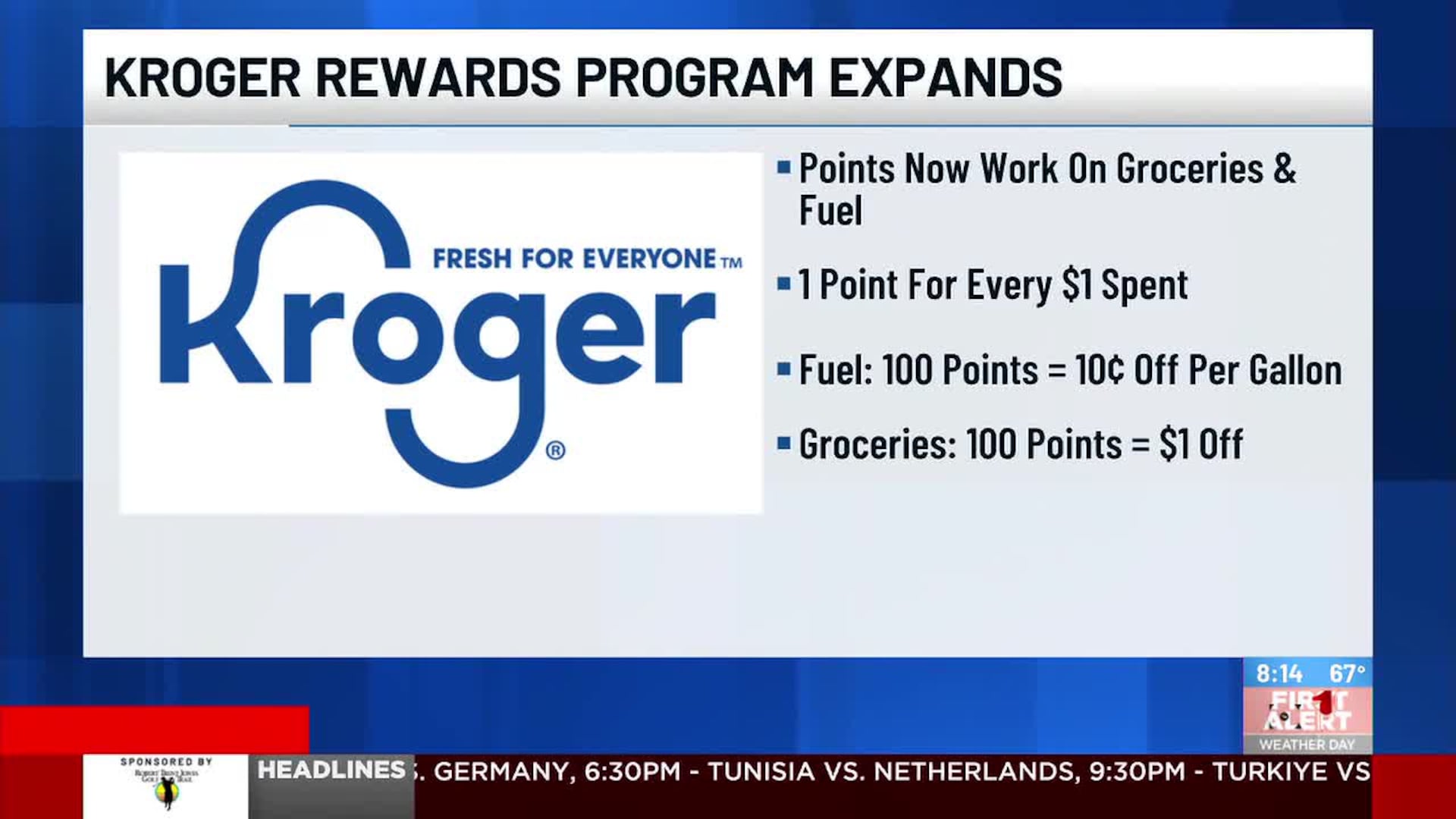
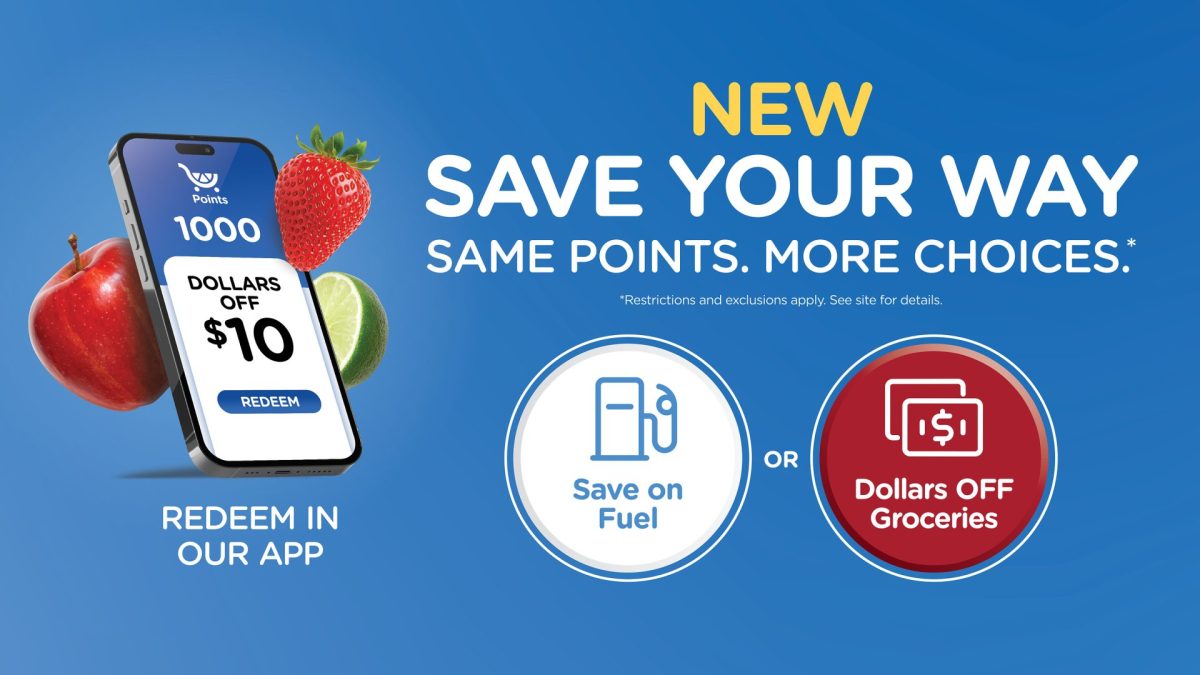
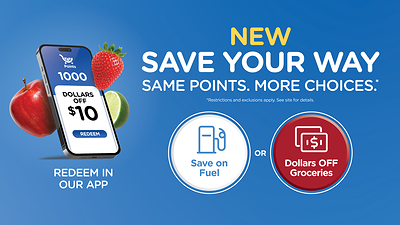
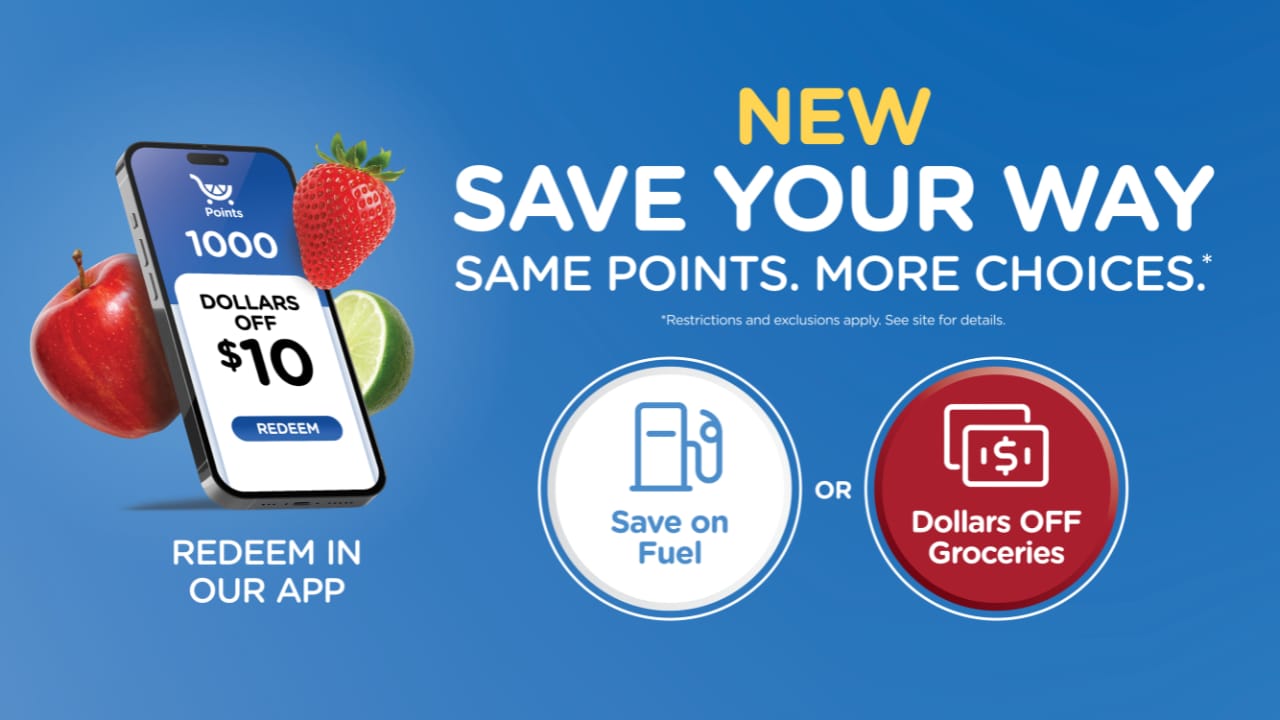
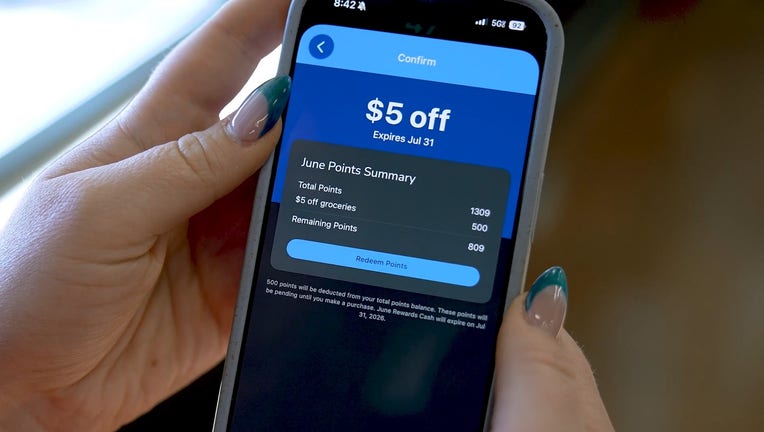
Kroger's June 25, 2026 rewards program overhaul represents a fundamental shift in how major retailers integrate loyalty with omnichannel commerce—and it signals critical opportunities for sellers across CPG, grocery, and marketplace categories. The Cincinnati-based chain (serving 11M+ customers daily across 400K+ associates) unified its 20+ year fuel-focused points system into a flexible dual-redemption currency: customers now earn 1 point per $1 spent in-store or online (pickup/delivery), redeemable as either $1 off groceries (capped $10/day) or 10¢ per gallon fuel discount (up to $1/gallon). Kroger Boost members earn 2X points, with additional earning through pharmacy prescriptions (25 points each). This restructuring directly addresses inflation-driven consumer behavior—customers increasingly prioritize grocery savings over fuel, forcing Kroger to abandon its legacy fuel-centric model.
For sellers, this signals three critical operational shifts: First, omnichannel fulfillment is now a loyalty driver, not just a convenience feature. Kroger explicitly integrated pickup/delivery redemptions into the core loyalty engine, meaning sellers must optimize product availability across all channels simultaneously. Brands selling through Kroger's marketplace (including DoorDash and Uber Eats integrations) now compete on a unified points-earning stage—a seller's product visibility in pickup/delivery directly impacts loyalty program engagement and repeat purchase frequency. Second, promotional timing has compressed. Kroger's summer promotions (4X points Fridays through July 24, 4X points July 1-4, 4X points on Private Selection products through July 18) create concentrated earning windows that drive category-specific demand spikes. Sellers must pre-position inventory and promotional support 4-6 weeks before these windows to capture the surge. Third, private label and exclusive products now carry loyalty weight. The explicit promotion of "Private Selection" products within the 4X points framework signals Kroger's strategy to drive margin through owned brands—third-party sellers must differentiate through unique value propositions (bundles, complementary products, subscription models) rather than competing on commodity pricing alone.
The broader retail context amplifies this opportunity. Loyalty program innovation is now a primary competitive battleground in grocery—Walmart, Target, and Amazon Fresh all expanded loyalty offerings in 2024-2025. Kroger's move to flexible redemption (vs. fuel-only) reflects consumer preference data showing 60-70% of loyalty members prioritize grocery savings during inflationary periods. The free membership structure removes adoption barriers, potentially increasing program penetration from current ~65% of Kroger shoppers to 75%+. For sellers, this means loyalty-driven traffic will become increasingly predictable and segmentable. Brands can now target high-frequency loyalty members (those accumulating 100+ points monthly) with tiered promotions, knowing these customers have demonstrated price sensitivity and multi-channel shopping behavior. The monthly points expiration policy (points earned in June expire July 31) creates artificial urgency that drives end-of-month purchase acceleration—a tactical window sellers can exploit with flash promotions or limited-time bundles.
Questions 8
What offline/O2O opportunities emerge from Kroger's loyalty program expansion?
Kroger's 120+ store footprint in Michigan and 400K+ associates across multiple banners create significant pop-up and experiential retail opportunities. Brands can negotiate in-store sampling, end-cap displays, or temporary brand experiences during 4X points promotional windows to drive loyalty member engagement. The unified points system enables brands to track offline-to-online conversion: a customer who samples a product in-store and earns points can be retargeted via Kroger's app for online purchase. Brands should explore co-branded loyalty experiences (e.g., exclusive in-store events for Kroger Boost members) to drive both offline traffic and online conversion. Expected ROI: 25-35% higher conversion rates for brands with integrated offline-online loyalty strategies versus online-only campaigns.
How can third-party marketplace sellers compete with Kroger's Private Selection promotion?
Kroger's explicit 4X points promotion on Private Selection products (through July 18) signals the retailer's strategy to drive margin through owned brands. Third-party sellers cannot match this directly but can differentiate through complementary offerings: bundle your product with Private Selection items, create subscription models that reward loyalty members with exclusive discounts, or develop category-specific value propositions (e.g., organic, specialty, regional products) that Private Label cannot replicate. Sellers should also negotiate co-op advertising funds to appear alongside Private Selection in Kroger's loyalty app during promotional windows.