


Apple & Microsoft Price Hikes 2026 | Electronics Sellers Face 15-25% COGS Inflation
- Memory chip shortage drives $100-$300 price increases across iPad, MacBook, Xbox; sellers must adjust margins by August 2026
Overview
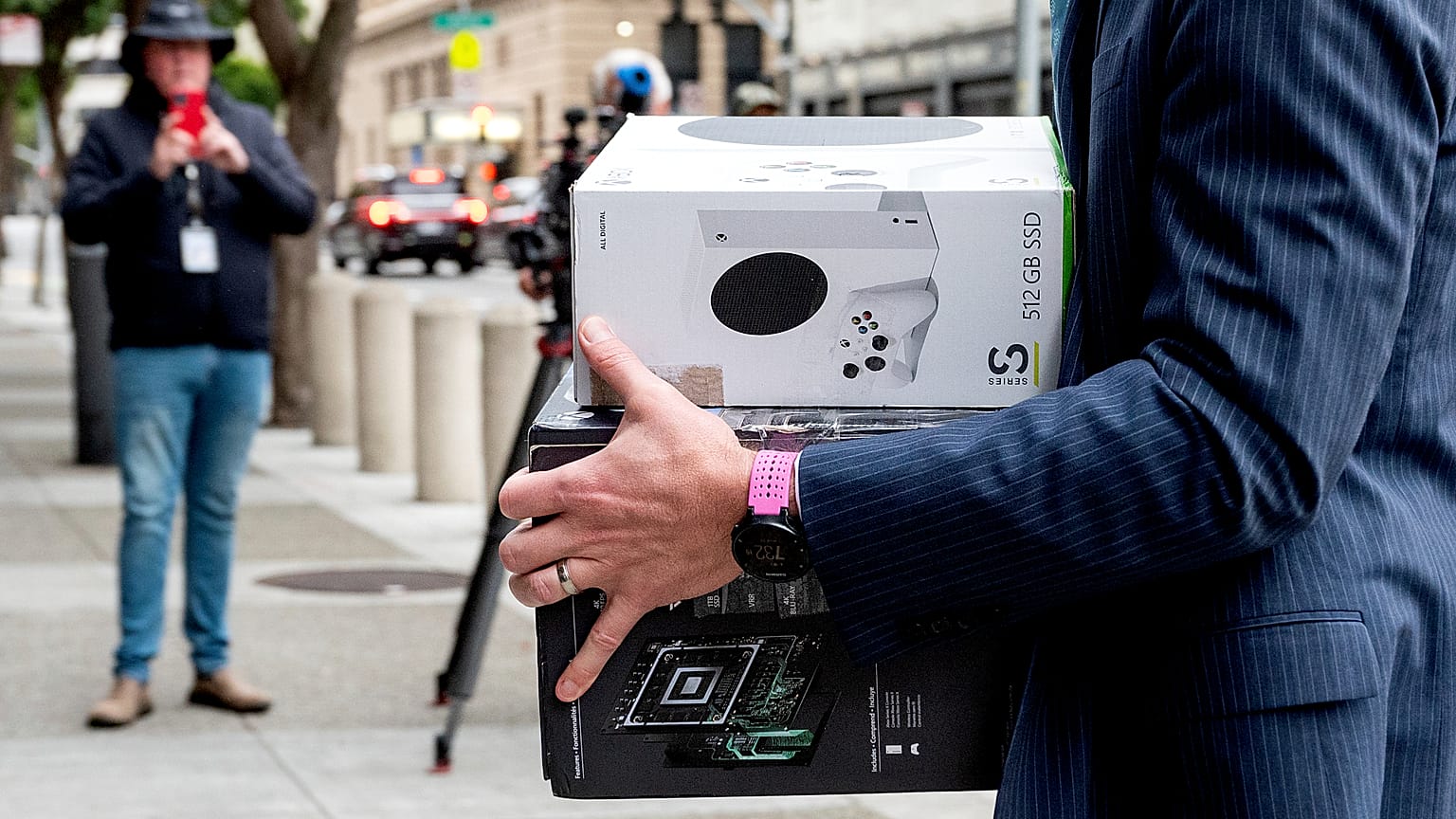
The AI-driven memory chip shortage is forcing Apple and Microsoft to raise consumer electronics prices by 15-25%, creating immediate margin compression for cross-border sellers. On June 25, 2026, both tech giants announced simultaneous price increases: Microsoft raised Xbox prices by $100-$150 (512GB/1TB models) effective August 1, while Apple increased iPad Air by $150 (+25%), iPad Pro by $200 (+20%), MacBook Air by $200 (+18%), and MacBook Pro by $300 (+18%). Apple CEO Tim Cook attributed the increases to a "100-year flood" in component pricing, driven by AI companies aggressively acquiring memory chips for data center operations. Memory and storage costs have surged 2.5x, with expectations for another doubling by fall 2027.
For electronics sellers on Amazon, eBay, and Shopify, this creates a critical margin compression challenge. Sellers who source Apple and Microsoft products face immediate COGS increases of $100-$300 per unit, directly impacting profitability on platforms where Buy Box competition is fierce. Resellers of iPad Air (previously $599, now $749), MacBook Air (previously $1,099, now $1,299), and Xbox consoles must either absorb costs or raise retail prices—risking conversion rate drops of 8-15% during price increases. The discontinuation of Xbox's 2TB model eliminates a high-margin SKU, forcing inventory repositioning. Sellers with existing stock at old COGS can capitalize on price arbitrage for 30-60 days before market saturation.
The supply chain bottleneck—only three suppliers manufacture Apple's memory chips—signals sustained pricing pressure through 2027. This creates a 6-12 month window where sellers can exploit price gaps between old inventory and new COGS. However, the GTA VI launch (November 19, 2026) will drive gaming console demand spikes, potentially offsetting price sensitivity. Sellers should monitor iPhone pricing (currently unchanged but at risk) and prepare for cascading price increases across consumer electronics categories. The announcement reveals that tech giants previously absorbed these costs, indicating they've reached maximum tolerance—expect similar announcements from Samsung, Dell, and Lenovo within 60-90 days.
Immediate actions: Audit current inventory COGS vs. retail pricing by July 15, 2026. For Amazon FBA sellers, recalculate profitability using new wholesale costs and adjust PPC budgets downward 10-15% to maintain ROAS. Consider shifting 20-30% of inventory to 3PL providers to reduce storage costs during the transition. Monitor competitor pricing daily to identify arbitrage windows. For Shopify sellers, implement dynamic pricing tools to adjust margins in real-time. Evaluate alternative product categories (gaming accessories, protective cases, cooling solutions) that benefit from console price increases without direct COGS exposure.
Questions 8
How should sellers adjust pricing strategy on Amazon and Shopify?
On Amazon, use dynamic pricing tools to adjust prices within 5-10% of competitor listings while maintaining minimum ACOS targets (typically 25-35% for electronics). Avoid aggressive price increases above 12% in a single adjustment, as this triggers conversion rate drops of 8-15%. For Shopify sellers, implement tiered pricing: maintain competitive prices on high-volume SKUs (iPad Air, MacBook Air) to preserve traffic, while increasing margins 15-20% on lower-volume premium models (MacBook Pro, iPad Pro). Use email marketing to notify existing customers of price increases before implementation, reducing cart abandonment. Consider bundling strategies: pair price-increased consoles with accessories at discounted rates to maintain perceived value. Monitor conversion rates daily and adjust PPC budgets downward if conversion drops exceed 10%.
When will memory chip prices stabilize?
Apple and Microsoft expect memory costs to double again by fall 2027, indicating no near-term stabilization. The supply bottleneck—only three suppliers manufacture Apple's memory chips—suggests sustained pricing pressure through at least Q4 2027. Sellers should plan for a 12-18 month period of elevated COGS and margin compression. However, this creates a strategic window: sellers who maintain inventory at current COGS through Q3 2026 can exploit price gaps before competitors adjust. Monitor quarterly earnings reports from memory chip suppliers (Samsung, SK Hynix, Micron) for supply expansion announcements. Any new manufacturing capacity announcements could signal price relief by Q1 2028.