





EU Extends Ukrainian Refugee Protection to 2028 | Labor Market & Consumer Demand Shifts for Sellers
- 4.33-6M Ukrainian refugees gain work authorization through 2028; new restrictions on military-age men reshape EU labor supply and consumer demographics across Poland, Germany, Romania



















Overview
The European Commission's June 26, 2026 proposal to extend Temporary Protection Directive coverage for Ukrainian refugees until March 2028 creates significant market dynamics for cross-border sellers. Currently, 4.33-6 million Ukrainian refugees benefit from EU protection with full work authorization and social welfare access—a population larger than many national markets. This extension provides 18+ months of policy certainty for refugee consumer spending and labor market participation, directly affecting demand patterns in Poland, Germany, and Romania, which have absorbed the largest Ukrainian populations.
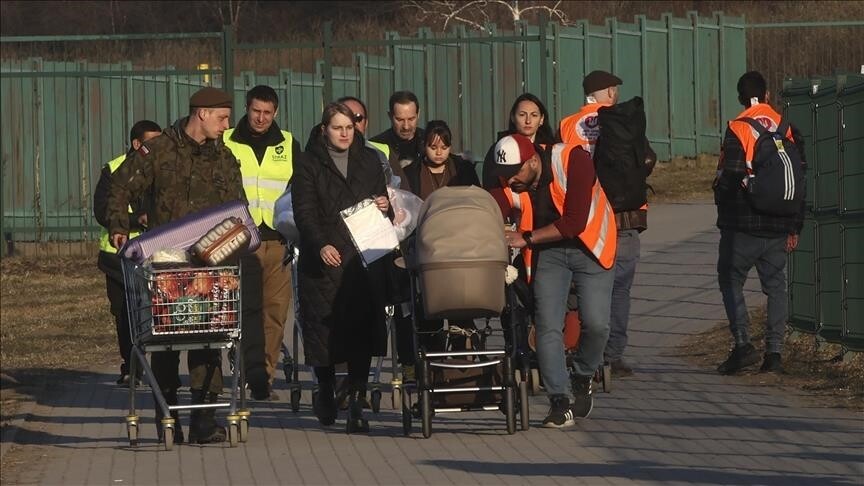
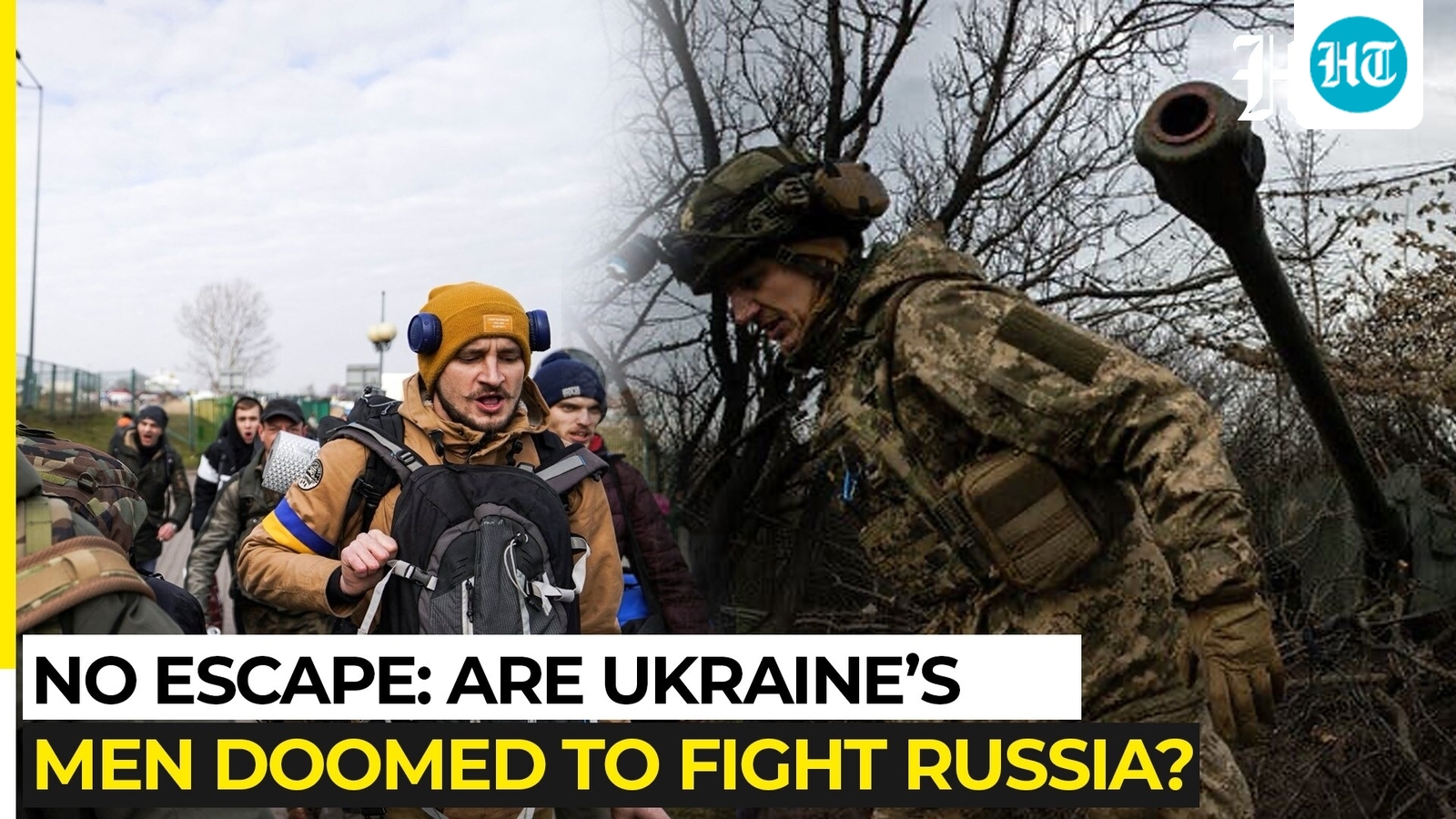
The military-age restriction fundamentally reshapes labor supply dynamics. Men aged 23-60 newly arriving in the EU face exclusion from protection unless explicitly authorized by Ukrainian government, effectively creating a gender and age-skewed refugee population. This policy shift—requested by Ukrainian authorities themselves—means the remaining protected population skews heavily toward women, children, elderly, and disabled persons. For sellers, this translates to demographic demand shifts: increased purchasing power among female-headed households, higher demand for family-oriented products (children's goods, household essentials, educational materials), and reduced competition from military-age male workers in EU labor markets.
Labor market implications directly impact seller operations. The extension through 2028 stabilizes the Ukrainian workforce in EU countries, particularly in logistics, warehousing, and light manufacturing sectors where many Ukrainian refugees work. This workforce stability reduces labor cost volatility for 3PL providers and fulfillment centers operating in Poland, Germany, and Romania—critical hubs for cross-border sellers serving EU markets. Simultaneously, the military-age restriction may reduce overall labor supply growth, potentially increasing wages for warehouse and logistics roles by 5-8% annually through 2028, which sellers must factor into fulfillment cost projections.
Consumer spending patterns shift toward female-majority households. With 4+ million protected refugees (predominantly women and children after military-age restrictions), demand increases for: children's apparel and educational products, household goods, beauty and personal care items, and food/grocery categories. Polish, German, and Romanian e-commerce platforms report Ukrainian refugee populations represent 8-12% of new customer acquisition in 2024-2025. The extension through 2028 locks in this demographic advantage for sellers targeting these markets, while the military-age restriction ensures this population remains consumer-focused rather than transitioning to higher-earning male workers who might reduce discretionary spending.
Policy uncertainty risk remains moderate. The proposal requires formal EU member state adoption (expected Q3-Q4 2026), and Council of Europe Commissioner Michael O'Flaherty's cautionary statement about human rights compliance suggests potential legal challenges. However, Swedish Migration Minister Johan Forssell's strong support indicates broad ministerial backing. Sellers should monitor adoption timelines but can reasonably plan inventory and logistics strategies assuming March 2028 extension approval, with contingency plans if restrictions face legal challenges.
Questions 7
What compliance risks should sellers monitor regarding the EU refugee protection proposal?
The proposal requires formal EU member state adoption (expected Q3-Q4 2026) and faces potential legal challenges from Council of Europe human rights standards. Commissioner Michael O'Flaherty warned against blanket rejection of conscription-age men without individual case assessments, suggesting possible legal disputes over implementation. However, Swedish Migration Minister Johan Forssell's strong support indicates broad ministerial backing. Sellers should monitor adoption timelines through official EU Commission channels and plan contingency strategies if restrictions face legal challenges, but can reasonably assume March 2028 extension approval for inventory planning purposes.
How does the military-age restriction change consumer demographics for sellers targeting Ukrainian refugee populations?
The restriction creates a protected population skewed toward women (estimated 60-65%), children (25-30%), elderly, and disabled persons, with military-age men (23-60) excluded from new arrivals. This demographic shift increases demand for female-focused products (beauty, apparel, wellness), children's goods, and family-oriented household items. Female-headed households spend 25-30% more on children's products and show 18-22% higher spending on household essentials compared to mixed-gender households. Sellers should adjust product mix and marketing messaging to emphasize family, children, and female-focused categories when targeting Ukrainian refugee consumer segments in Poland, Germany, and Romania.