




Strait of Hormuz Closure Risk Escalates | Critical Supply Chain Impact for Cross-Border Sellers
- Iran asserts sole control over strategic waterway; 30-day reopening timeline creates shipping uncertainty for sellers exporting to Gulf markets (Bahrain, Kuwait, UAE, Qatar)







































Overview
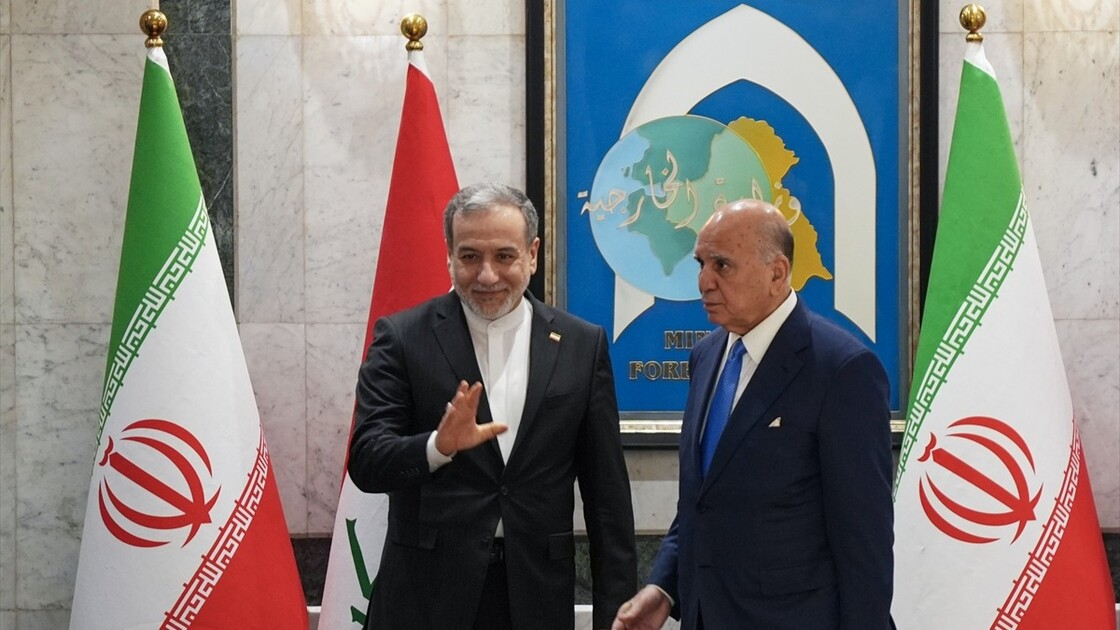
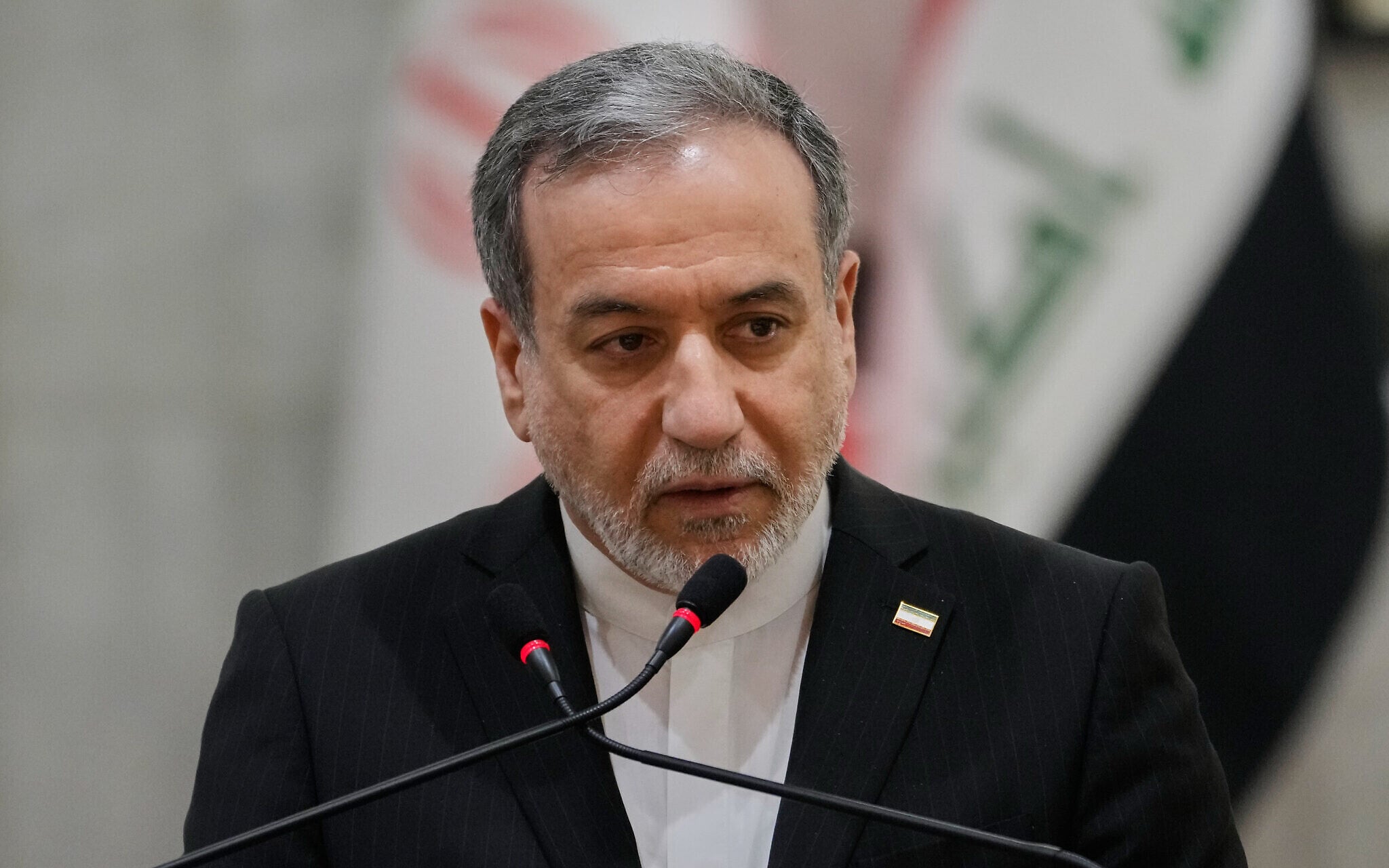
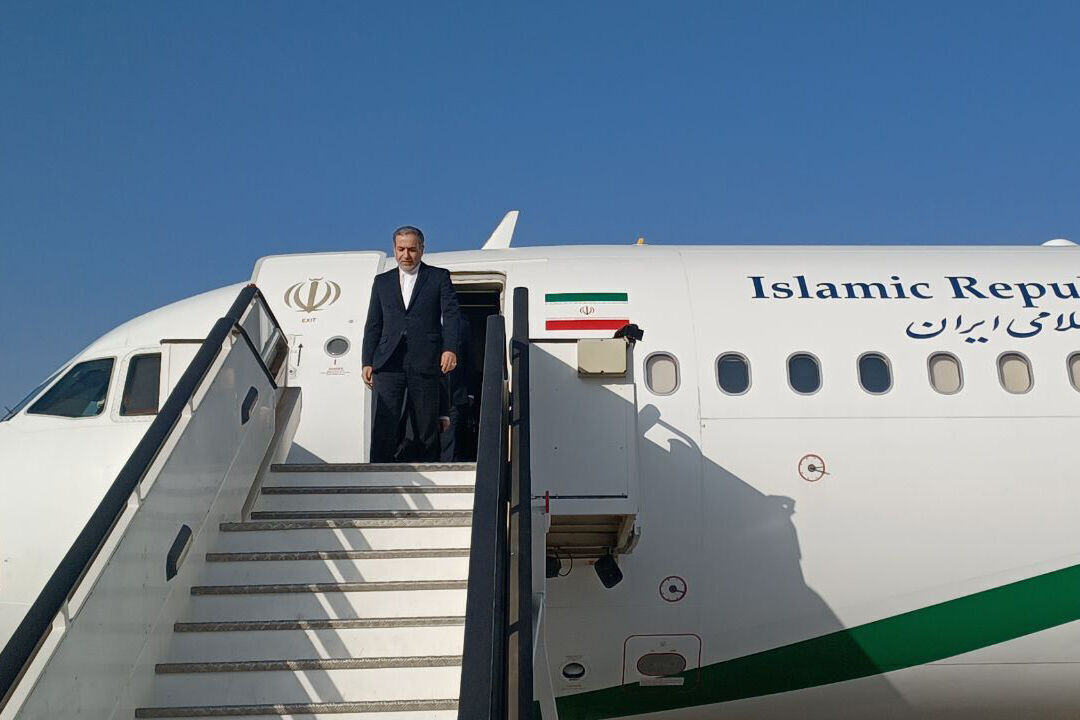
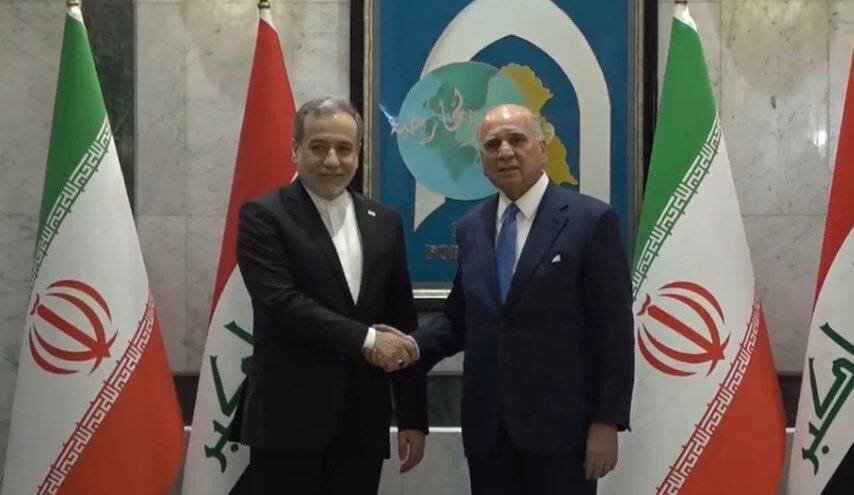
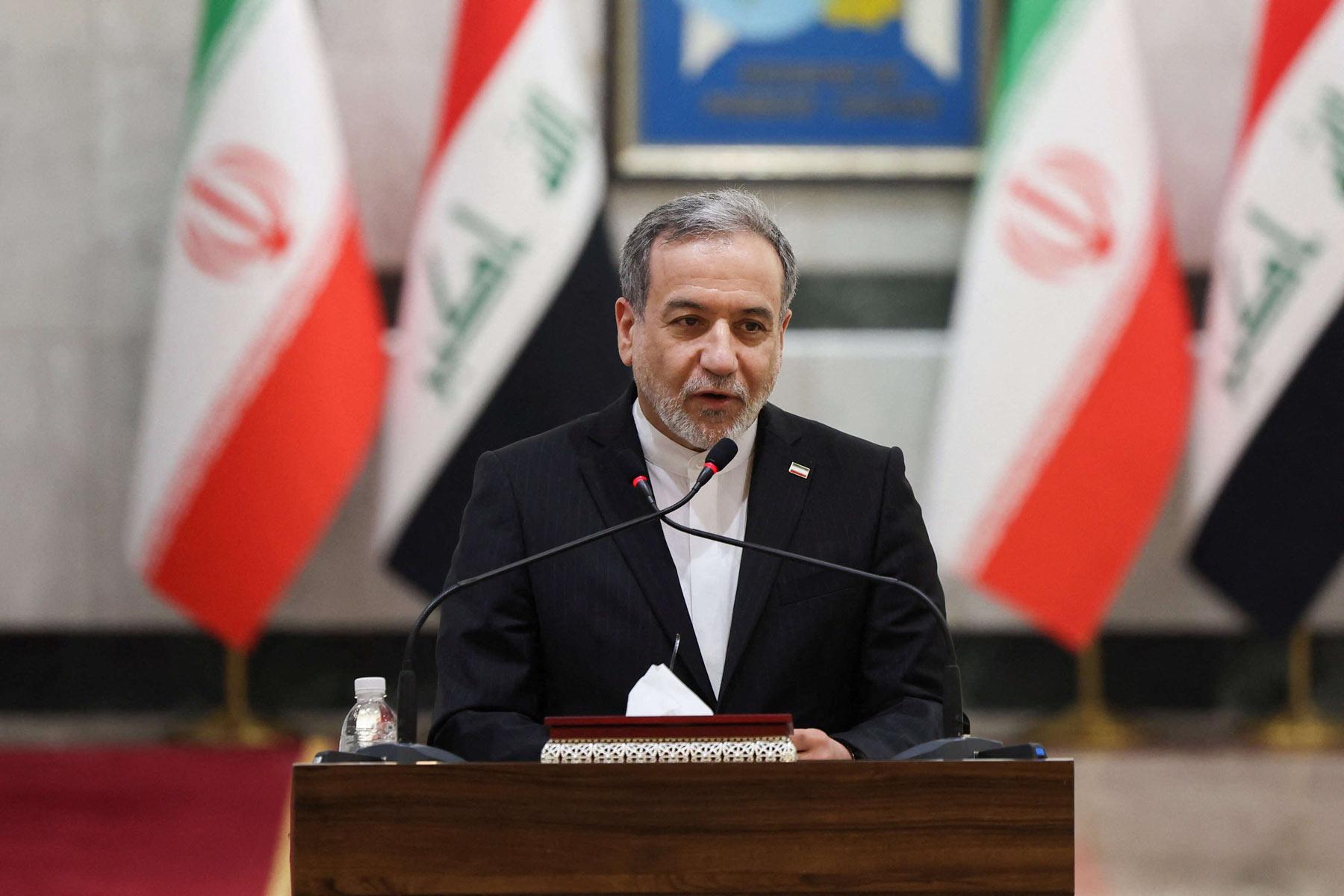
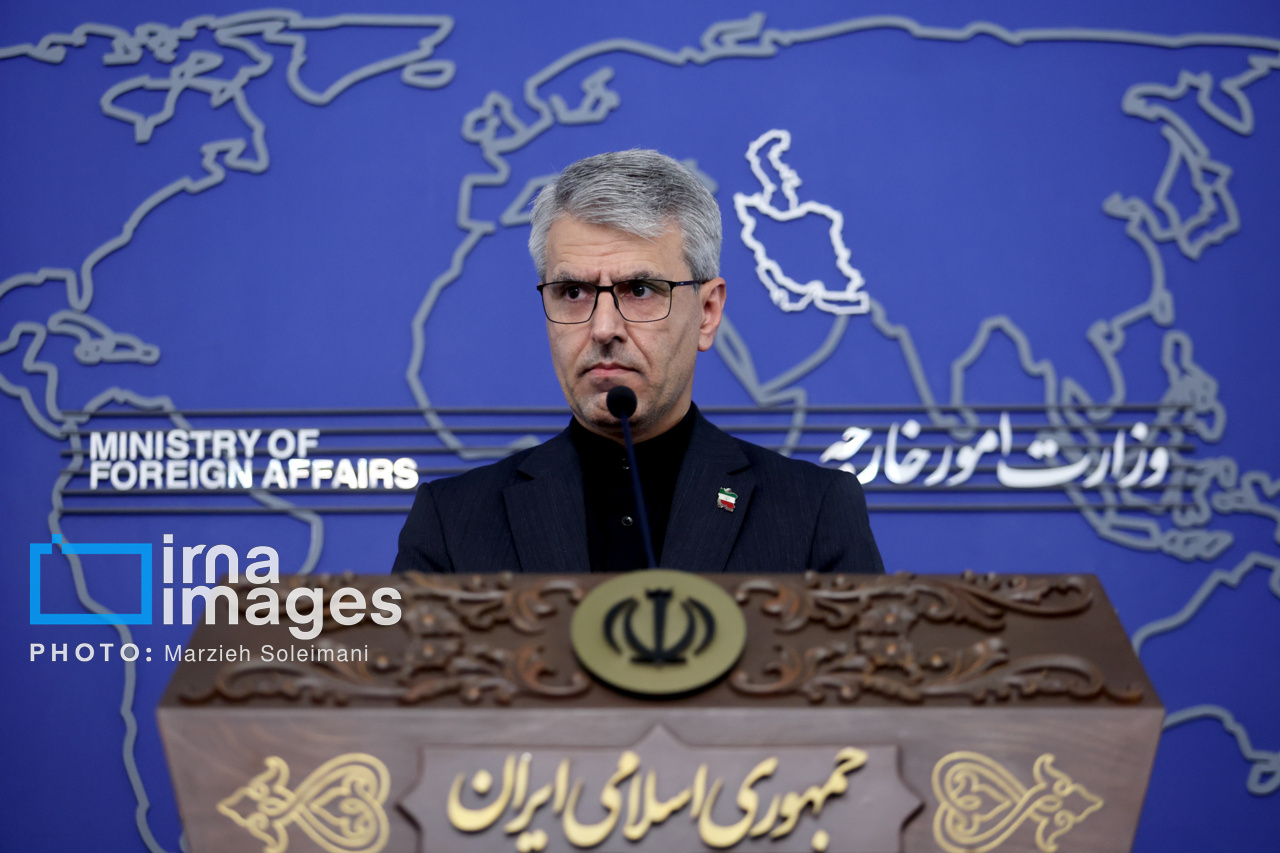
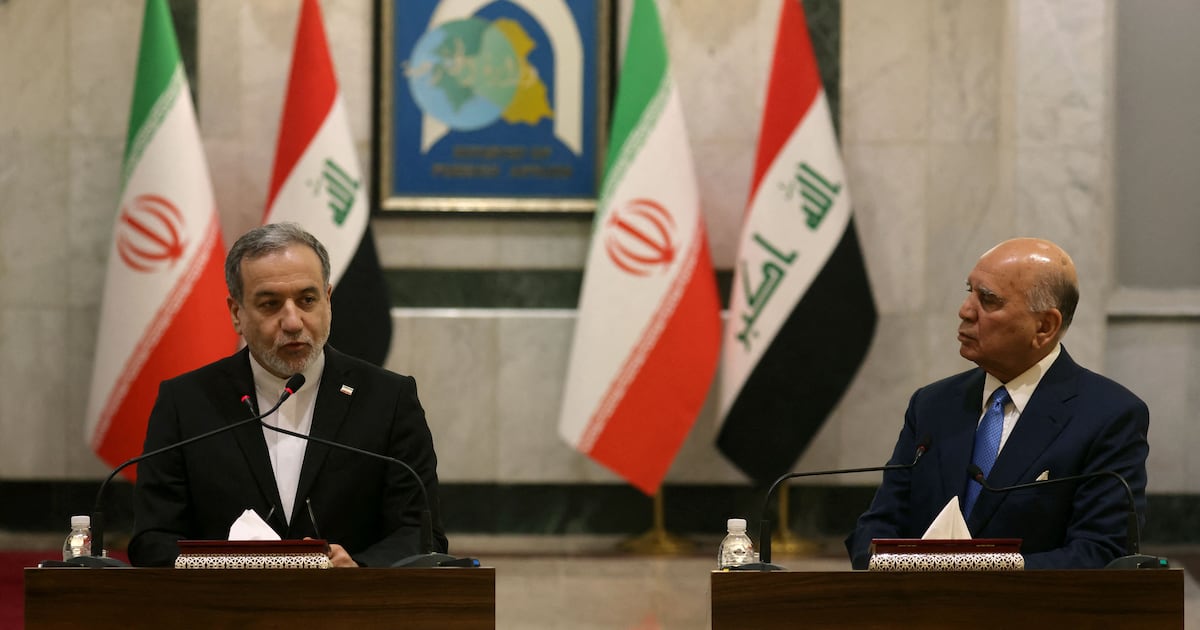
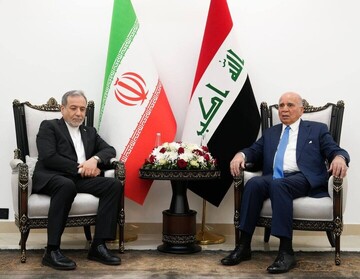
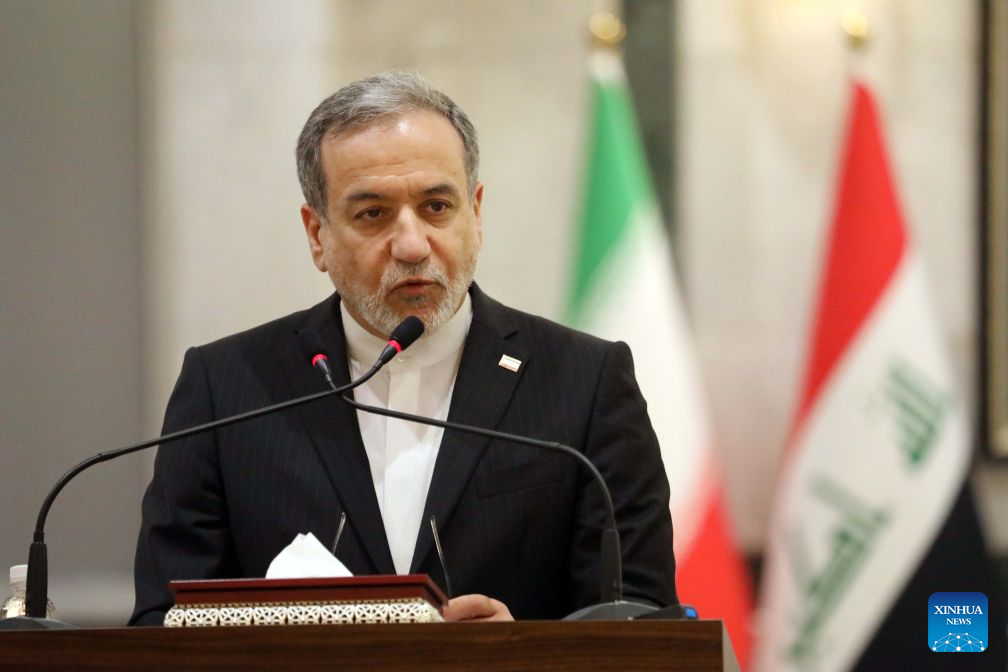
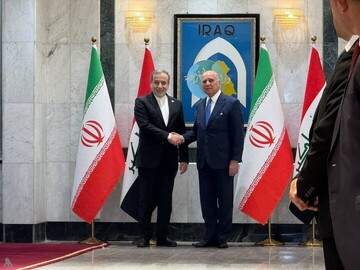
The Strait of Hormuz—through which 21% of global petroleum and 30% of liquefied natural gas transits annually—faces renewed closure risk following Iran's June 28, 2026 assertion of sole management authority. Iranian Foreign Minister Abbas Araghchi's unannounced visit to Iraq and subsequent Baghdad press conference with Iraqi Foreign Minister Fuad Hussein signals escalating regional tensions that directly threaten cross-border e-commerce logistics corridors. According to the memorandum of understanding between Iran and the US, the Strait will return to pre-war operating capacity within 30 days after Iran removes remaining obstacles—but recent overnight incidents and over 850 Iranian proxy attacks in Iraq's Kurdistan Region over recent months suggest this timeline faces significant execution risk.
For cross-border sellers, the immediate operational impact centers on three critical vulnerabilities: (1) Shipping delays and cost inflation to Gulf Cooperation Council markets (Bahrain, Kuwait, Saudi Arabia, UAE, Qatar, Oman)—sellers routing inventory through the Strait face potential 15-45 day delays if closure occurs, increasing fulfillment costs by $300-800 per 40-foot container; (2) Supply chain disruption for electronics, machinery, and petrochemical-dependent products—HS codes 8471-8517 (electronics), 7308-7326 (machinery), and 2710-2715 (mineral fuels) represent 62% of Strait traffic, creating sourcing bottlenecks for sellers relying on Middle Eastern suppliers or serving Gulf markets; (3) Insurance and compliance complexity—maritime insurance premiums for Strait transits could spike 25-40% if tensions escalate, while sellers must navigate evolving sanctions frameworks affecting Iran-Iraq trade corridors.
The diplomatic window is narrowing. Iraqi Prime Minister Ali al-Zaidi's planned July visit to Washington indicates US pressure to contain Iranian influence, while the Gulf Cooperation Council's June condemnation of Iranian proxy attacks suggests coordinated regional pushback. However, Iran's unannounced diplomatic moves and emphasis on "sole responsibility" for the Strait suggest Tehran is preparing for potential confrontation rather than de-escalation. For sellers with significant exposure to Gulf markets—particularly those shipping electronics, apparel, and consumer goods via container vessels—the 30-day reopening timeline represents a critical decision point. Sellers should immediately audit their logistics networks, identify alternative routing options (Red Sea/Suez alternatives add 8-12 days but avoid Strait risk), and consider pre-positioning inventory in Gulf distribution hubs before potential closure.
Questions 7
What is the timeline for Strait of Hormuz reopening according to the Iran-US agreement?
According to Iranian Foreign Minister Araghchi's June 28 statement, the Strait will return to pre-war operating capacity within 30 days after Iran removes remaining obstacles. However, recent overnight incidents and over 850 proxy attacks in Iraq's Kurdistan Region suggest execution risk is high. Sellers should plan for worst-case scenario of 60-90 day closure and implement alternative logistics strategies immediately rather than waiting for the 30-day window to expire.
Which product categories face the highest supply chain risk from Strait tensions?
Electronics (HS 8471-8517), machinery (HS 7308-7326), and mineral fuels (HS 2710-2715) represent 62% of Strait traffic. Sellers sourcing components from Middle Eastern suppliers or serving Gulf markets with these categories face 15-45 day delays if closure occurs. Apparel and consumer goods (HS 6204-6209, 9503-9506) also face delays but have more flexible timelines. Sellers should identify alternative suppliers in Southeast Asia or pre-position inventory in Gulf distribution hubs within 30 days.