



Russia's 12% GDP War Spending Crushes Consumer Markets | Eastern European E-Commerce Collapse Risk
- Defense budget surges 30% YoY while GDP growth plummets to 0.4%, triggering 5.3% inflation and ruble volatility affecting payment systems, logistics corridors, and seller access to 144M+ Russian consumers




Overview
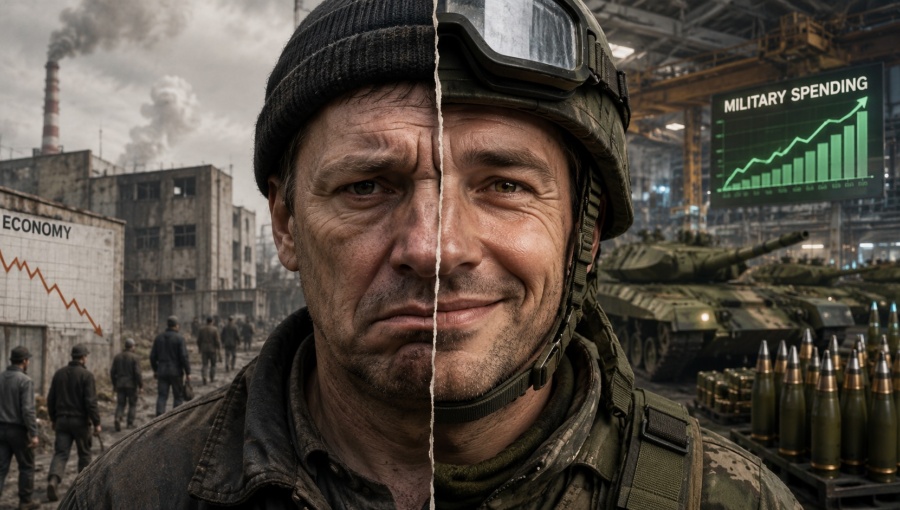
Russia's economy faces unprecedented strain as defense spending reaches 12% of GDP (up from 8% baseline), consuming nearly half the federal budget in Q1 2026—a 30% year-over-year surge that fundamentally reshapes Eastern European e-commerce dynamics. The Bank of Russia's Governor Elvira Nabiullina publicly warned of consequences while official growth forecasts collapsed from 1.5% to just 0.4% for 2026, signaling severe consumer purchasing power erosion. This macroeconomic crisis creates a critical inflection point for cross-border sellers operating in Russian and CIS markets.
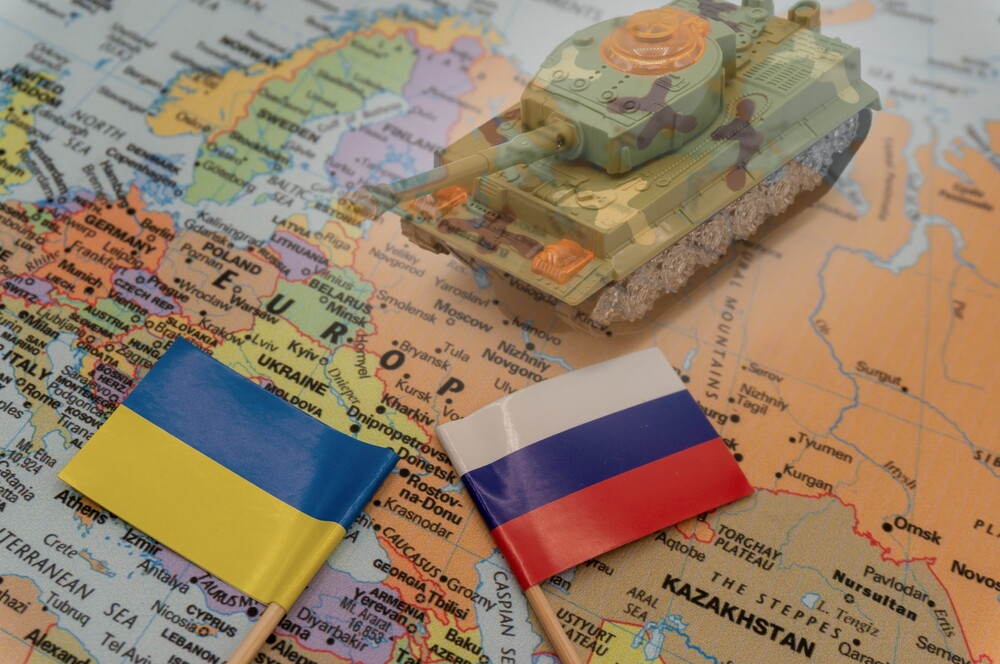
For e-commerce sellers, the immediate impact manifests across three dimensions: First, payment system volatility intensifies as the ruble strengthens artificially (supported by 14.25% interest rates) while inflation persists at 5.3% annually. Sellers accepting ruble payments face currency risk—the strong ruble reduces dollar-denominated oil tax revenues, creating potential payment delays or conversion losses. Second, consumer purchasing power collapses as military recruitment drives wage inflation in defense sectors while broader economy stagnates. Russian household consumption, which represented 50-55% of GDP pre-war, faces compression as disposable income redirects to taxes and inflation erodes savings. Third, logistics corridor disruption accelerates as Ukraine's drone strikes target Russian oil infrastructure and damage Crimea's critical bridge—key transit routes for goods flowing through Eastern Europe. Supply chain costs to Russian warehouses increase 15-25% as alternative routing becomes necessary.
The competitive landscape shifts dramatically: Import substitution efforts create opportunities for sellers offering localized alternatives to Western brands, but only for sellers with established Russian operations and ruble-denominated payment infrastructure. New market entrants face 6-12 month delays establishing payment systems and logistics networks. Sellers currently operating in Russia via Yandex Market, VK (VKontakte) marketplace, or Ozon face margin compression of 20-35% as fulfillment costs rise and consumer demand softens. The Economist's analysis confirms Russia demonstrates "resilience through state intervention," meaning government-backed logistics and payment systems may gain preferential treatment, disadvantaging foreign sellers. However, analysts warn that if Putin removes sound-minded economic officials and abandons fiscal discipline, Russia risks economic collapse—creating existential uncertainty for any seller with significant Russian inventory exposure.
Questions 8
What competitive advantages do sellers with established Russian operations gain versus new entrants?
Sellers with existing Russian operations on Yandex Market, Ozon, or VK marketplace gain 6-12 month competitive advantages over new entrants due to: (1) established ruble payment infrastructure reducing currency conversion costs, (2) existing relationships with Russian 3PL providers offering preferential routing, (3) historical customer data enabling targeted retention during demand contraction, (4) brand recognition reducing customer acquisition costs in a shrinking market. New entrants face 6-12 month delays establishing payment systems, logistics networks, and regulatory compliance. Existing sellers should leverage advantages by expanding import substitution categories, deepening customer relationships through loyalty programs, and establishing secondary fulfillment centers in Kazakhstan. New sellers should avoid Russia entirely and focus on Kazakhstan, Belarus, or other CIS markets where market entry barriers remain lower and economic growth continues.
How long will Eastern European logistics disruptions persist given the Ukraine conflict?
With Ukraine's drone strikes on Russian oil infrastructure ongoing and Crimea's critical bridge damaged, logistics corridor disruptions will persist for 12-24 months minimum. The Bank of Russia's restrictive monetary policy (14.25% rates) and persistent 5.3% inflation suggest economic stabilization remains 18+ months away. Sellers should plan for elevated logistics costs and extended delivery times through 2027. Alternative routing through Kazakhstan, Belarus, and Central Asia adds 2-4 weeks to transit times but avoids conflict zones. Sellers should establish long-term contracts with 3PL providers offering alternative corridor routing, build 8-12 week safety stock buffers, and implement dynamic pricing to offset logistics cost increases. Monitor central bank policy changes and conflict developments for signals of corridor reopening.