

Federal Building Crisis Drives $50B Maintenance Backlog | Seller Opportunity in Urban Real Estate Markets
- $50 billion deferred maintenance backlog across federal buildings creates 435-day approval delays; GSA accelerates property sales in Atlanta, Savannah, Washington D.C.; impacts local commercial real estate markets and B2B service provider demand

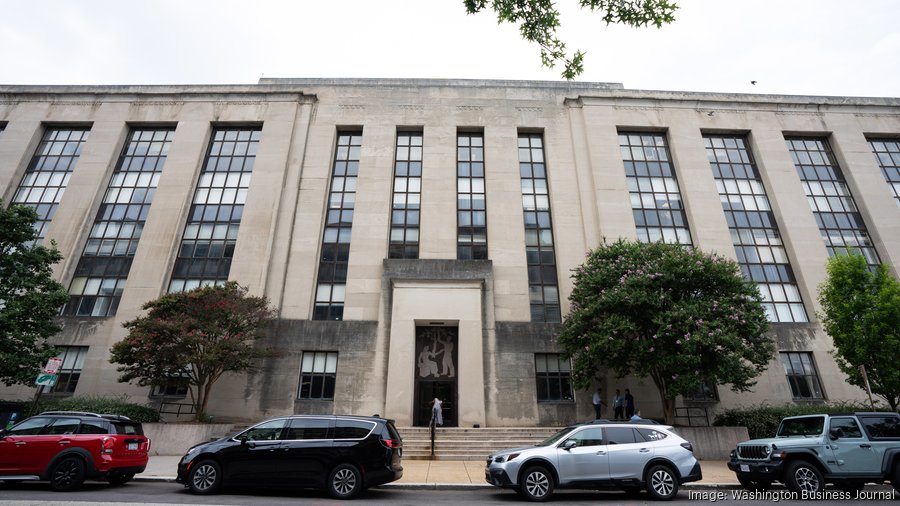
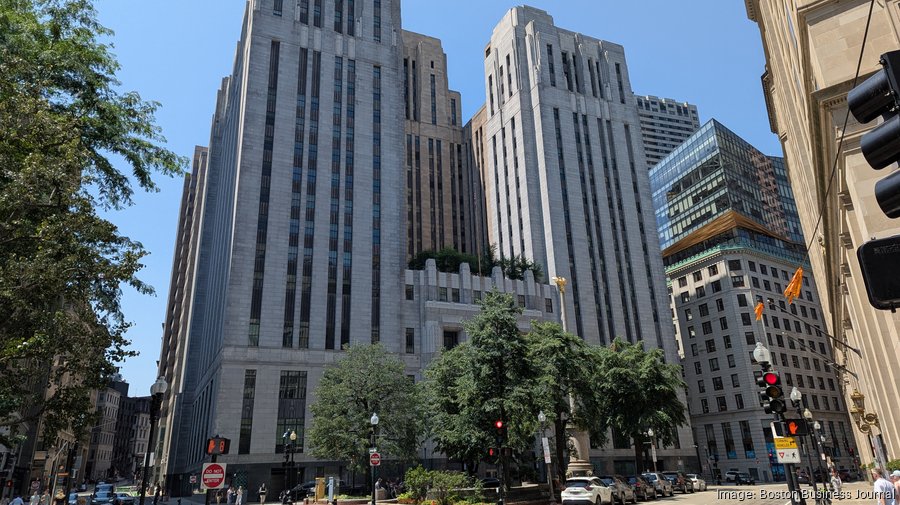

Overview
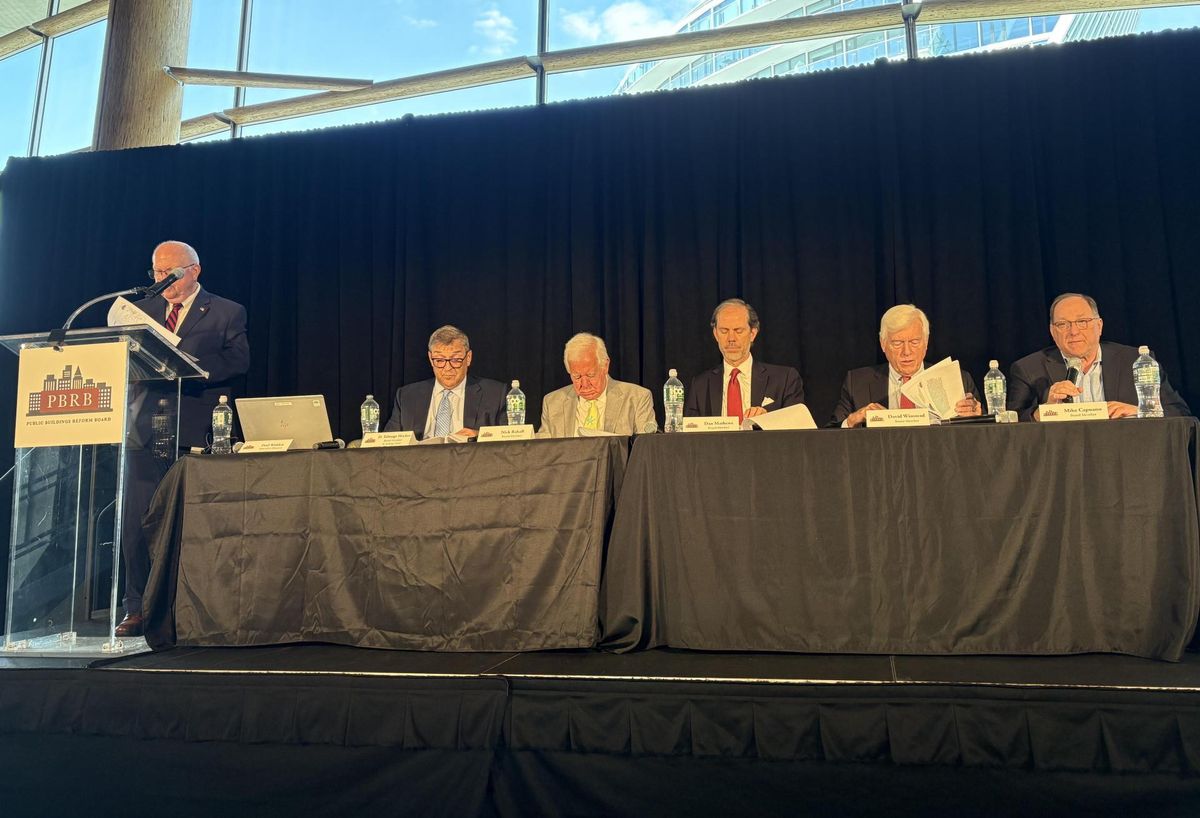
The U.S. federal government faces a critical infrastructure crisis with an estimated $50 billion backlog in deferred maintenance across federal buildings, according to the Public Buildings Reform Board. Federal employees work in facilities plagued by persistent health and safety hazards including roof leaks, mold contamination, and malfunctioning elevators. The John F. Kennedy Federal Building in Boston exemplifies the cost escalation problem: a roof and HVAC replacement project increased 400% since 2016, with elevators over 30 years old that have trapped people 49 times in two years. Federal law requires Congressional approval for General Services Administration (GSA) building improvements exceeding $3.96 million, with the approval process averaging 435 days, causing project costs to balloon as maintenance problems worsen.
This infrastructure crisis creates significant B2B e-commerce opportunities for sellers in multiple categories. The federal government controls over half a billion square feet of office space across the United States—substantially more than operationally necessary. The GSA is accelerating property disposals, with the Peachtree Summit building in downtown Atlanta listed for accelerated disposal beginning March 2025, plus four additional Georgia federal buildings identified for sale including the Juliette Gordon Low Federal Building in Savannah. The Trump administration's 2025 push for federal workers to return to offices exacerbated the crisis by concentrating more employees in deteriorating buildings. Deferred maintenance costs have doubled across the federal real estate portfolio, creating substantial financial liabilities that will exceed the entire value of the government's real estate holdings within several years.
For e-commerce sellers, this crisis translates into expanded demand for building maintenance, repair, and facility management products. Sellers specializing in HVAC systems, elevator components, roofing materials, mold remediation supplies, and commercial building maintenance equipment face unprecedented procurement opportunities as federal agencies rush to address the backlog. The 435-day approval timeline creates urgency for expedited sourcing and bulk purchasing. Additionally, the property disposition strategy—selling underutilized federal buildings in major urban centers like Atlanta, Washington D.C., and Savannah—signals potential demand for commercial real estate services, building assessment tools, and facility transition logistics. Local economic development concerns raised by Savannah and Athens leaders indicate opportunities for sellers offering community revitalization products and services. The federal government's shift toward remote work and office consolidation mirrors broader commercial real estate trends, creating demand for office furniture liquidation, space optimization tools, and workplace technology solutions among sellers serving the commercial sector.
Questions 8
How does the federal maintenance crisis impact B2B e-commerce sellers?
The $50 billion maintenance backlog creates significant B2B e-commerce opportunities for sellers in building maintenance, repair, and facility management categories. Deferred maintenance costs have doubled across the federal real estate portfolio, creating substantial financial liabilities. Sellers specializing in HVAC systems, elevator components, roofing materials, mold remediation supplies, and commercial building maintenance equipment face unprecedented procurement opportunities. The 435-day approval timeline creates urgency for expedited sourcing and bulk purchasing. Additionally, property disposition strategies signal demand for commercial real estate services, building assessment tools, and facility transition logistics among sellers serving the federal and commercial sectors.
Could the GSA reverse its property sale decisions like with the Cohen Building?
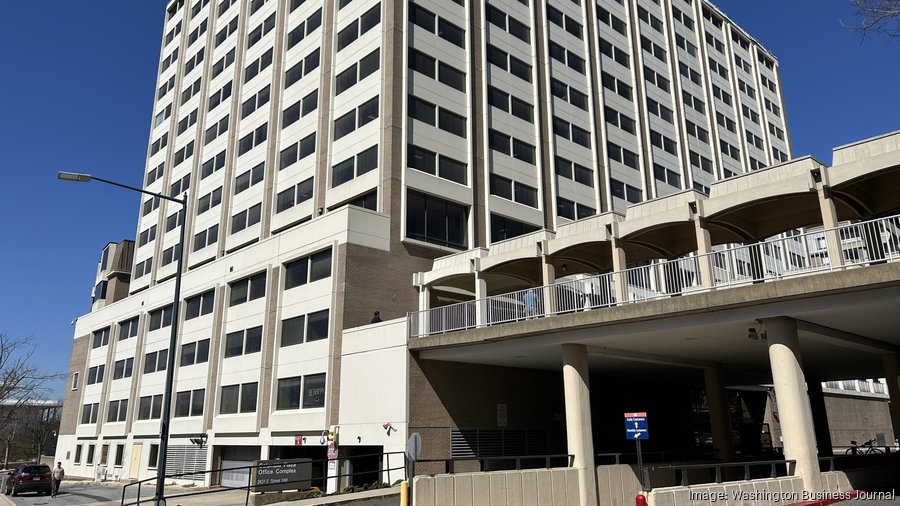
Yes, the GSA may reverse its plan to sell the Wilbur J. Cohen Federal Building in Washington, D.C., according to a GSA official statement reported June 25, 2026. However, reversing this decision would require Congressional approval, as lawmakers originally authorized the building's sale through legislative action. The Cohen Building reversal represents a significant shift in federal real estate strategy, potentially affecting the commercial real estate market in Washington, D.C. This uncertainty underscores tensions between Congressional mandates for property disposals and agency operational requirements, creating unpredictability for sellers planning around federal real estate transactions.