


Strait of Hormuz Mine Crisis Extends Ocean Freight Delays 60+ Days | Seller Supply Chain Impact
- Shipping delays surge from 30-45 to 60+ days; insurance premiums spike; sellers importing from Asia face 5-10 day route diversions and elevated landed costs





Overview
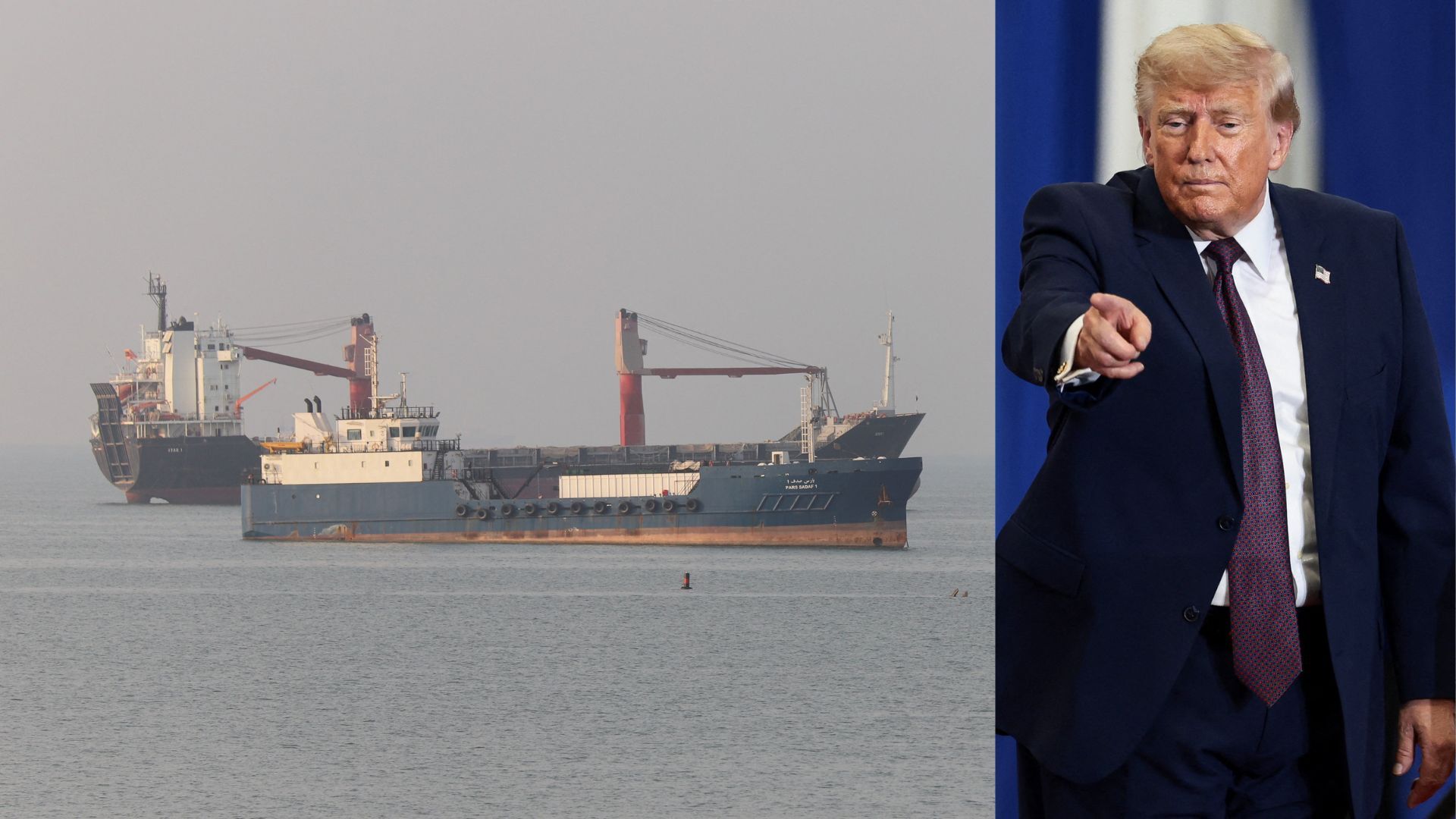
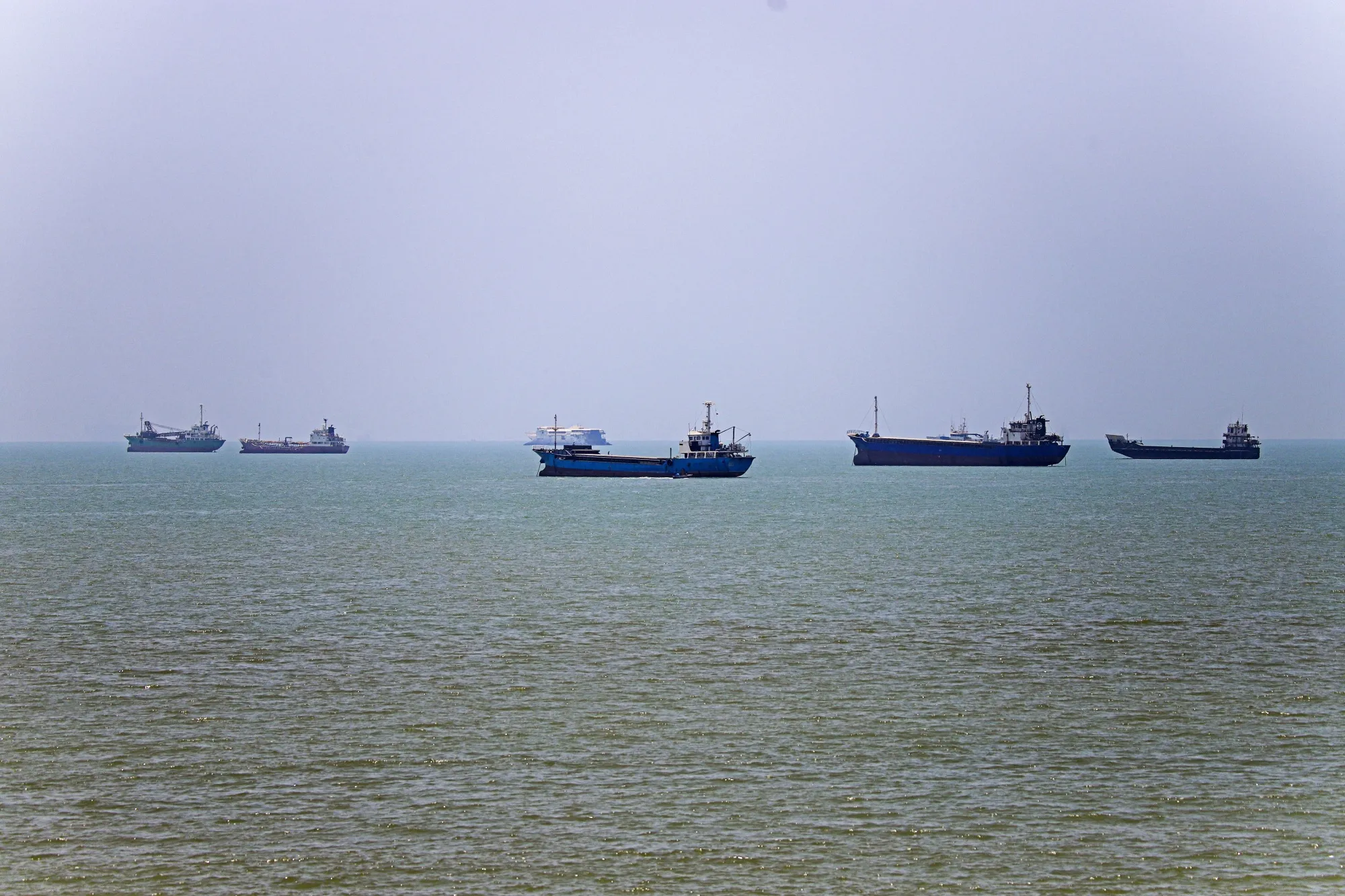
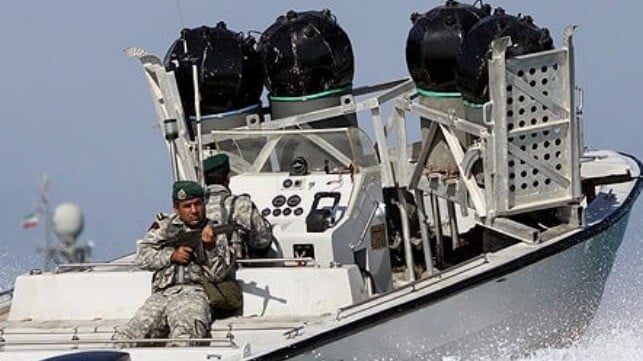
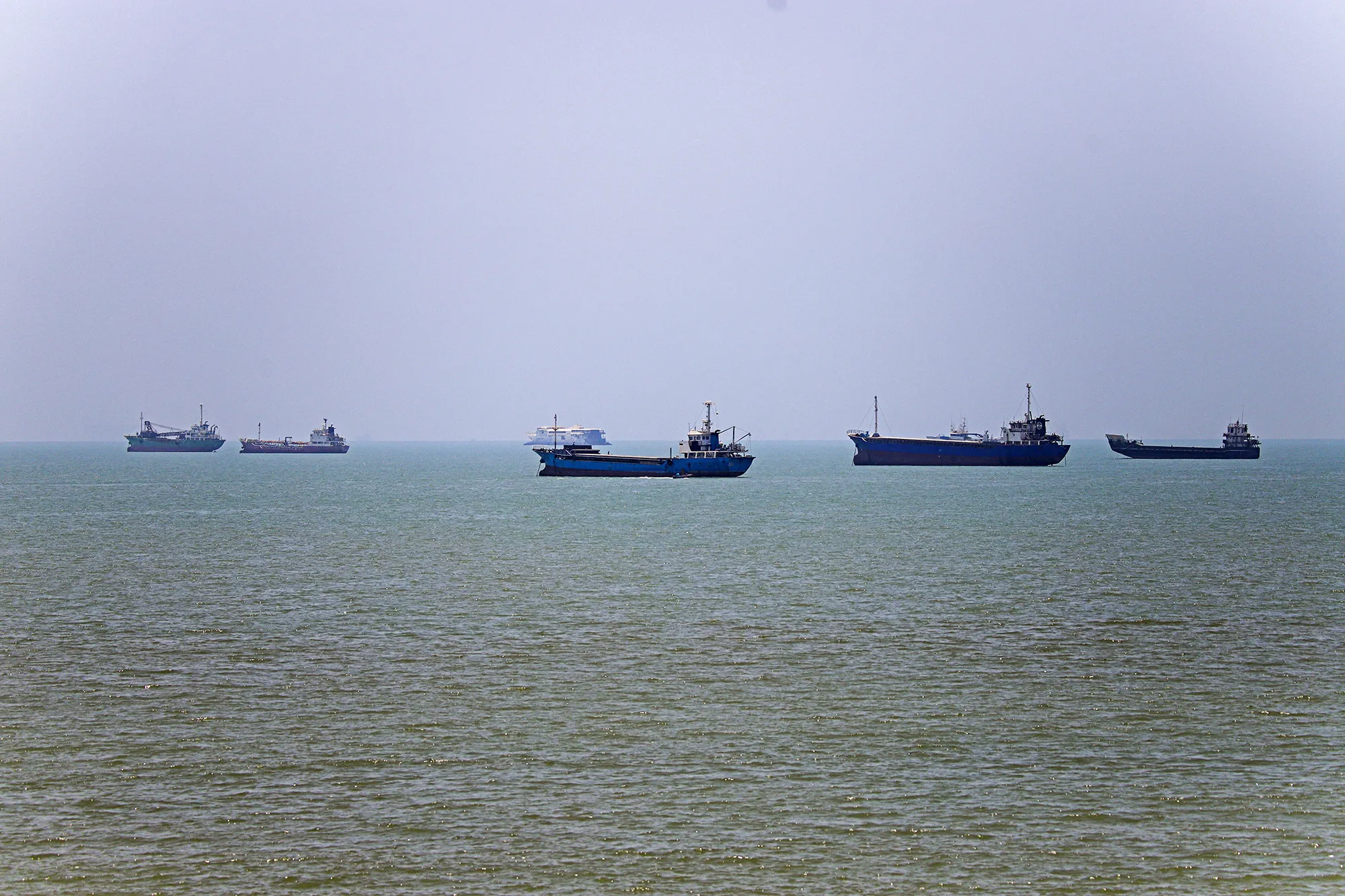
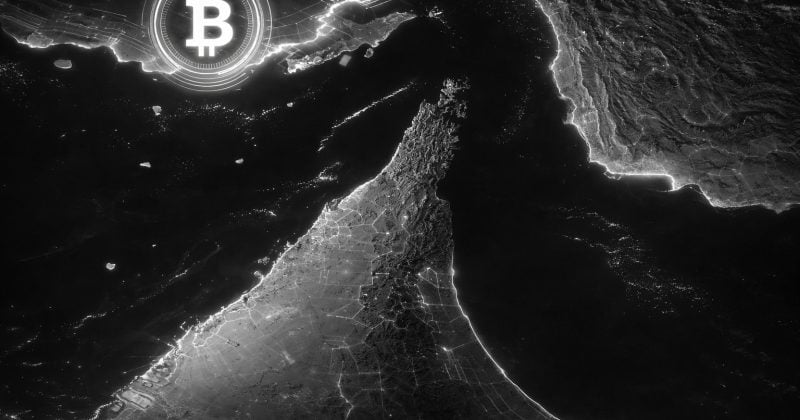
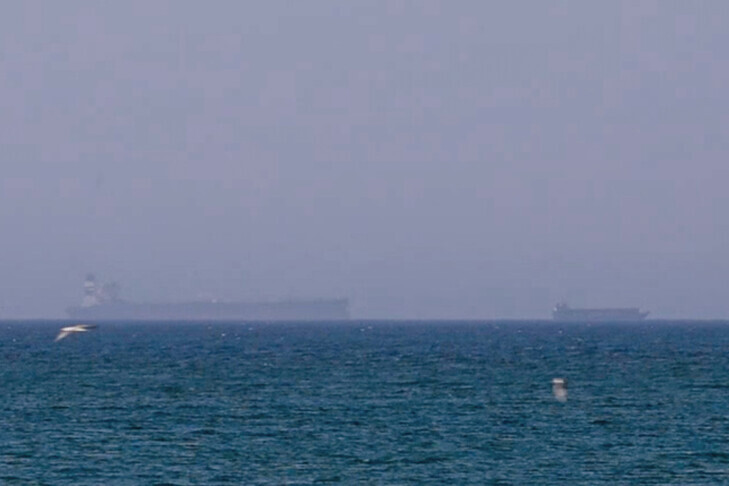
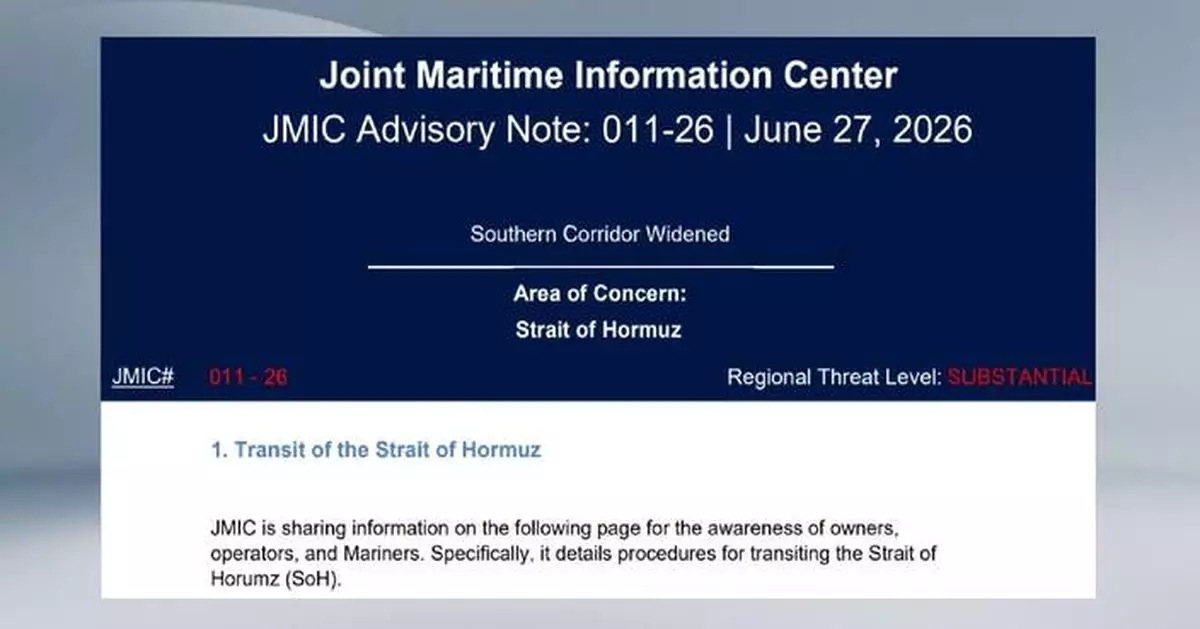
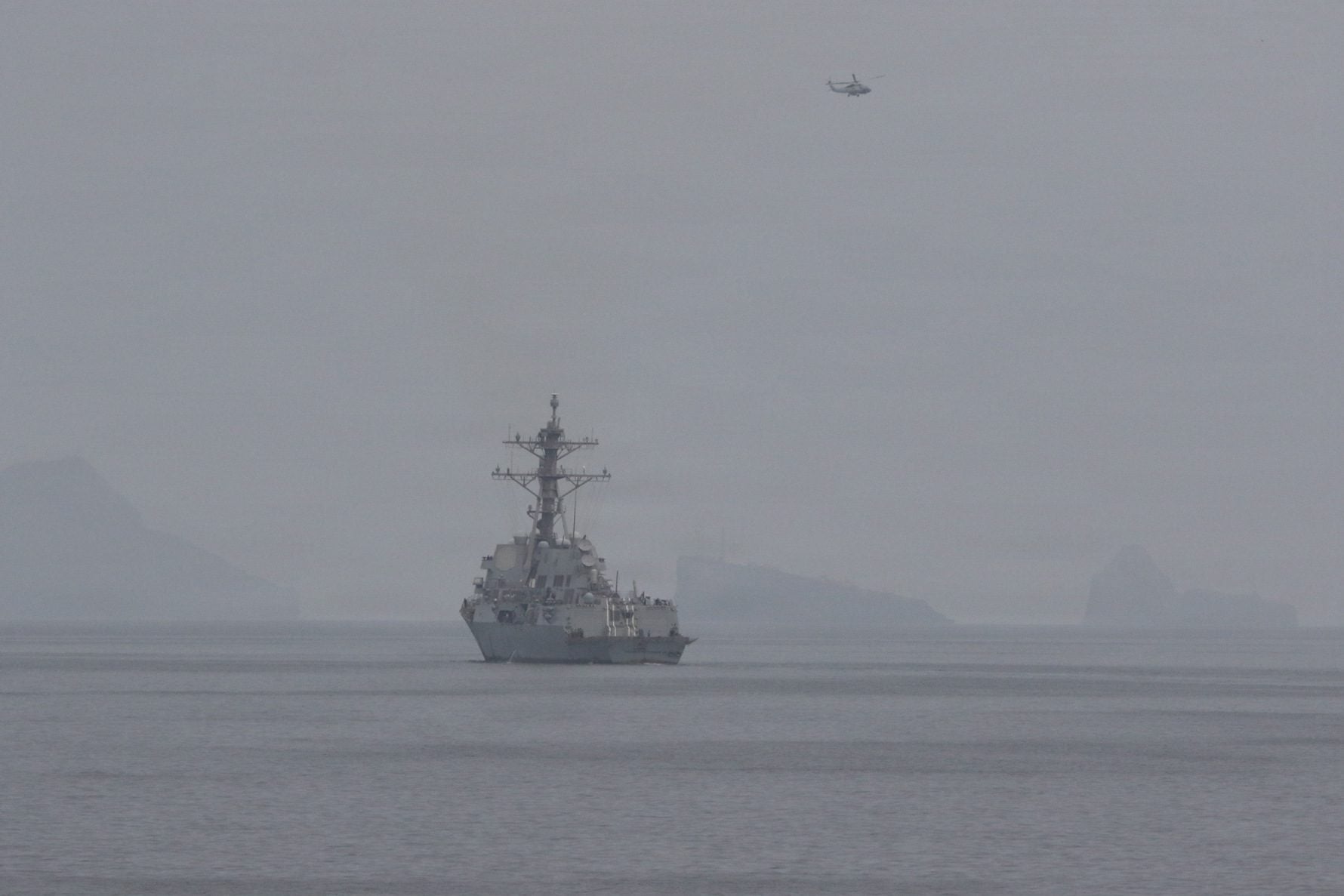
The Strait of Hormuz mine blockade represents a critical supply chain disruption for cross-border e-commerce sellers, with the International Maritime Organization confirming approximately 80 deployed mines in normal shipping lanes as of June 26, 2026. This geopolitical crisis directly impacts the 21% of global petroleum and one-third of seaborne oil passing through this critical chokepoint daily, creating cascading logistics consequences for sellers relying on Asia-to-Western markets ocean freight routes.
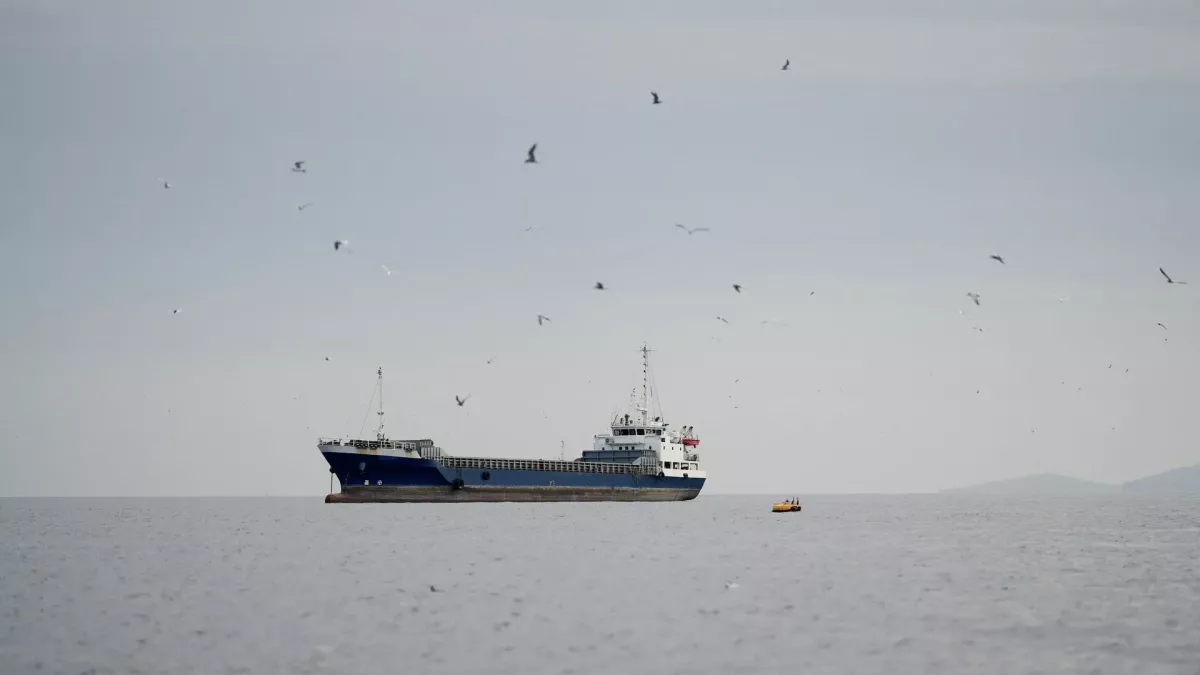
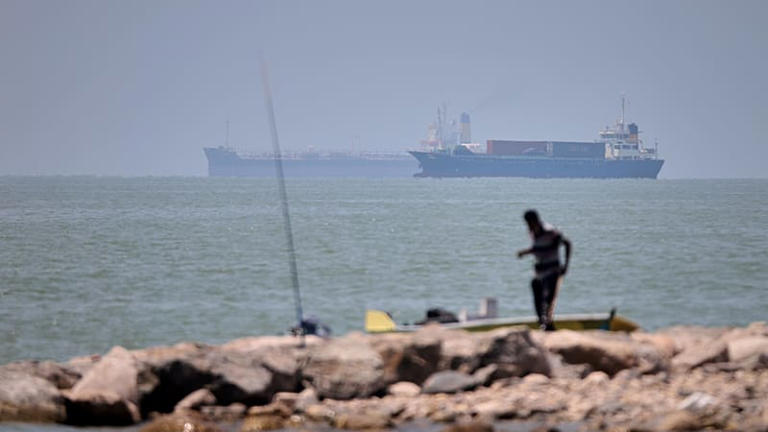
Shipping delays have extended from typical 30-45 day transits to 60+ days, fundamentally altering inventory planning cycles and landed cost calculations for sellers importing electronics, apparel, home goods, and consumer products from Southeast Asia, China, and India. The IMO's formal mine assessment has triggered immediate insurance premium increases, with modern supertankers facing substantially higher coverage costs in disputed waters. Sellers face two operational realities: (1) the US-coordinated Oman coastal route offers safer passage but adds 5-10 days to transit times and increases per-unit shipping costs by $0.15-0.35/kg; (2) the Tehran-controlled alternative corridor presents geopolitical risk and potential sanctions complications for Western sellers.
The demining operation timeline remains uncertain despite the US-Iran framework agreement requiring mine clearance within 30 days. Reuters reports that mine-clearing operations could extend weeks or months after any reopening agreement, as every shipping lane must be searched repeatedly before insurers and operators consider transit safe. This extended uncertainty creates immediate inventory strategy decisions: sellers must either (1) accelerate current shipments before further delays accumulate, (2) shift to air freight at 3-4x ocean costs for time-sensitive categories, or (3) increase safety stock buffers by 30-40% to mitigate stockout risks during peak selling seasons.
For sellers with Asia-based suppliers, the total landed cost impact is substantial. A typical 40-foot container from Shanghai to Los Angeles normally costs $2,800-3,200 with 35-day transit; current disruptions push costs to $3,400-3,800 with 50-65 day transit, representing 12-18% cost increases plus 15-30 additional days of inventory carrying costs. Sellers in high-velocity categories (electronics, fashion, home goods) face margin compression of 8-12% if unable to pass costs to consumers. The fragmentation of shipping lanes creates operational uncertainty requiring sellers to maintain larger safety stock buffers and adjust pricing strategies to account for elevated logistics costs, particularly for time-sensitive inventory flows through this corridor.
Questions 8
What compliance and insurance considerations apply to Strait of Hormuz shipping?
Sellers must verify that their ocean freight insurance covers mine-related delays and route diversions, as standard policies may exclude geopolitical risks. Contact your freight forwarder or insurance broker immediately to confirm coverage for extended transit times and alternative routing costs. The IMO's formal mine assessment (80 confirmed mines) has triggered automatic insurance premium increases of 15-25% for vessels transiting disputed waters. Sellers should also verify that their suppliers' insurance covers extended inventory holding periods; if suppliers bear carrying costs, negotiate temporary cost-sharing arrangements. For sellers exporting to Middle Eastern markets, verify that alternative routing through Iranian-controlled corridors doesn't trigger sanctions compliance issues; consult legal counsel if uncertain. Document all shipping delays and cost increases for potential tax deductions or insurance claims. Finally, update customer communication templates to explain extended delivery times transparently, reducing negative reviews and chargebacks related to delayed shipments.
Should sellers diversify sourcing away from Asia due to Strait of Hormuz risks?
Selective diversification is prudent for sellers with 50%+ of inventory sourced from Asia. Consider shifting 15-25% of sourcing to Mexico, India, or Vietnam for specific product categories to reduce Hormuz corridor dependency. Mexico offers advantages for apparel and home goods (lower shipping costs via US ports, 10-15 day transits), while India and Vietnam provide electronics and consumer goods alternatives. However, diversification involves trade-offs: higher per-unit manufacturing costs (typically 5-15% premium), longer supplier qualification timelines (3-6 months), and minimum order quantities that may not suit smaller sellers. For sellers with <$100K monthly inventory spend, diversification costs likely exceed benefits; focus instead on optimizing existing Asia supply chains through inventory buffers and alternative routing. For sellers with >$500K monthly spend, allocating 15-25% to alternative suppliers provides meaningful risk mitigation without excessive cost increases. Evaluate supplier reliability, quality consistency, and lead times before committing to new regions.