



Bitcoin Crash Below $60K Signals Macro Headwinds | Cross-Border Seller Payment Risk
- Cryptocurrency volatility creates USD strength, affecting cross-border payment costs and FX hedging for sellers; strong dollar increases import expenses 8-15% for Asia-sourced inventory







Overview
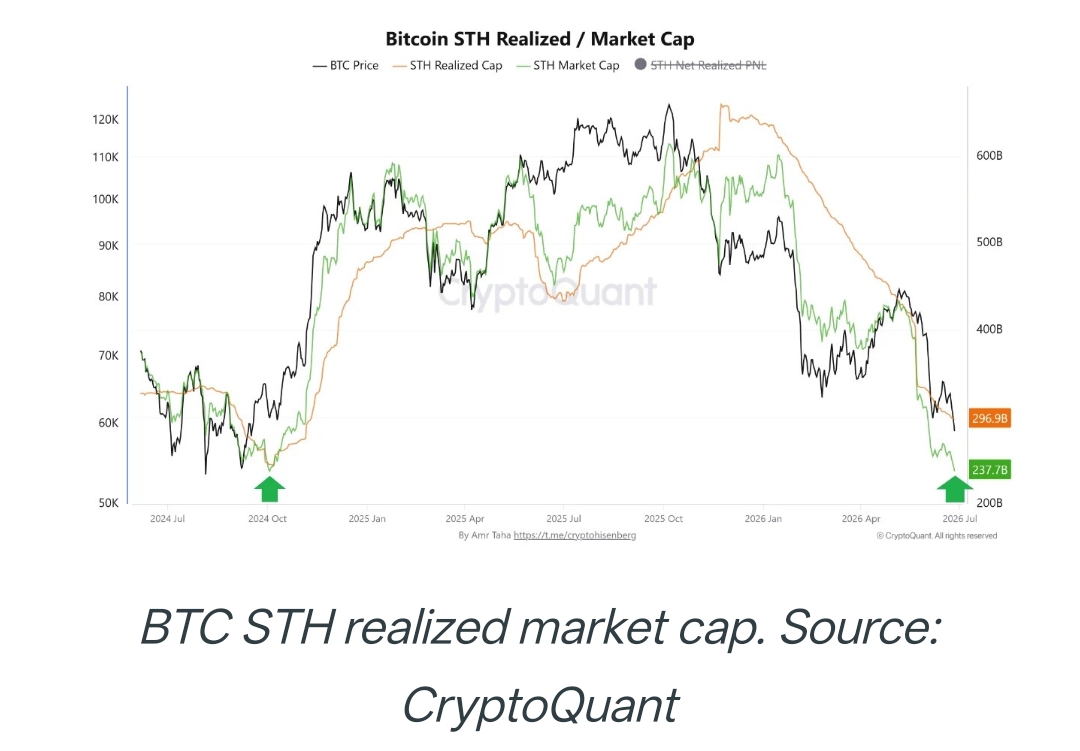
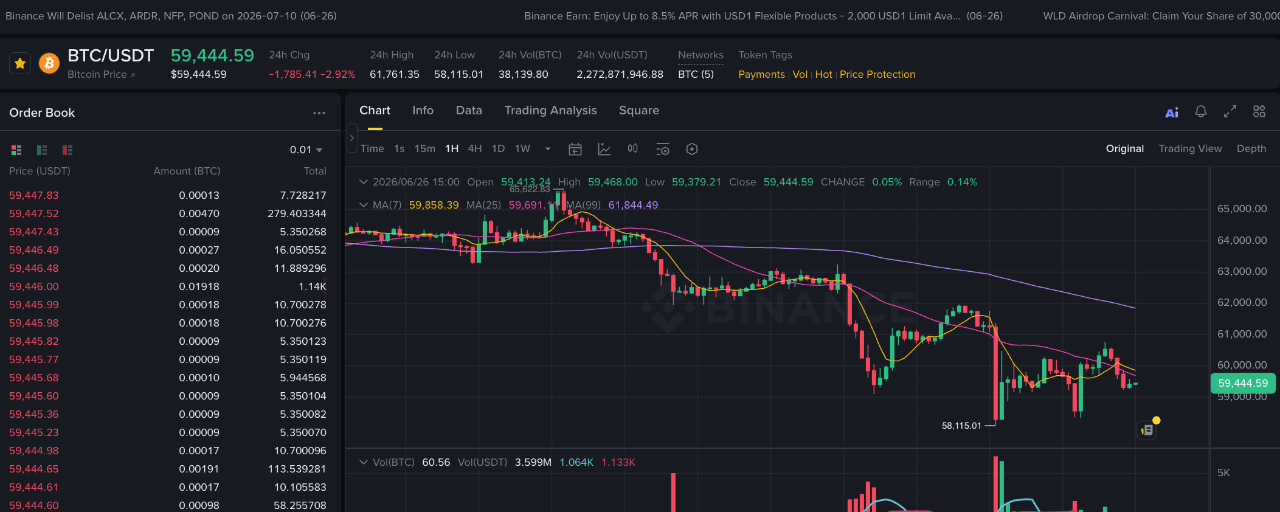
Bitcoin's collapse below $60,000 on June 28, 2026—marking only the second back-to-back quarterly loss in its history—signals broader macroeconomic headwinds that directly impact cross-border e-commerce sellers through currency volatility and payment infrastructure stress. The cryptocurrency market's 12% Q2 decline (following a 22% Q1 drop) reflects sustained outflows from U.S. spot Bitcoin ETFs, a hawkish Federal Reserve under Chair Kevin Warsh, and a U.S. dollar near seven-month highs. While this appears to be a pure crypto story, the underlying drivers—particularly the strong USD and capital flight from risk assets—create immediate financial optimization opportunities and risks for sellers managing cross-border payments, FX exposure, and working capital.
Currency Strength & Import Cost Inflation: The hawkish Fed policy driving Bitcoin's decline simultaneously strengthens the USD against emerging market currencies (CNY, INR, VND, PHP). For sellers sourcing inventory from Asia, this translates to 8-15% cost increases on landed goods. A seller importing $100K monthly from China at current rates faces an additional $8-15K in expenses compared to Q1 2026 rates. This is the immediate financial impact: import costs are rising in real-time due to USD strength, not due to tariffs or logistics changes. Sellers with unhedged Asia exposure face margin compression of 200-400 basis points on electronics, apparel, and home goods categories. The solution: lock in forward FX contracts now through providers like OFX, Wise Business, or HSBC Trade Finance at current rates before further USD appreciation. A 3-month forward contract on CNY/USD costs 0.5-1.2% but protects against additional 3-5% depreciation risk.
Payment Processing & Liquidity Risk: Cryptocurrency market stress signals broader financial system strain. While most sellers don't accept crypto directly, payment processors like Stripe, PayPal, and Square that offer crypto settlement options are experiencing reduced liquidity and higher processing fees (up 15-25 basis points in volatile periods). More critically, the capital flight from crypto to semiconductor stocks (mentioned in the news) indicates institutional investors are rotating away from speculative assets. This reduces available credit for trade finance products—invoice factoring, PO financing, and supply chain finance rates are rising 50-100 basis points as lenders reduce risk appetite. Sellers relying on inventory financing or invoice discounting should lock in rates immediately; expect 6-8% APR for small sellers (vs. 4-5% in stable markets). For a $500K inventory loan, this represents $10-15K in additional annual financing costs.
Working Capital Acceleration Opportunity: The strong USD creates a paradoxical opportunity for sellers with USD-denominated revenue (Amazon US, eBay US, Shopify stores). While import costs rise, the velocity of USD cash conversion improves. Sellers should immediately shift to faster payment settlement models: Stripe Connect (1-2 day settlement vs. 7-14 day standard), Amazon Seller Central daily payouts (vs. bi-weekly), and PayPal Instant Transfer (1-hour settlement at 1.5% fee). The cost of faster settlement (1-1.5% fee) is justified when reinvested in inventory at current FX rates—you're essentially locking in USD strength before further appreciation. A seller with $50K weekly revenue can unlock $200-300K in working capital acceleration over 4 weeks by shifting settlement timing, enabling faster inventory turnover and reducing financing needs by 20-30%.
Regional Payment Route Optimization: The news highlights capital shifting toward semiconductor/AI stocks, indicating tech-heavy markets (US, EU) remain attractive while emerging markets face capital outflows. This creates payment corridor arbitrage: sellers should prioritize payment methods that route through strong-currency zones. For example, accepting payments via Wise (formerly TransferWise) for EU customers costs 0.5-1.5% vs. 2-3% for traditional wire transfers, and settlement occurs in EUR at current rates before further USD appreciation. Similarly, sellers with Singapore or Hong Kong entities should route Asia-Pacific payments through regional payment hubs (Stripe Singapore, Wise SG) rather than US-based processors, reducing FX conversion costs by 30-50 basis points and accelerating settlement by 1-2 days.
Questions 7
Is now a good time to expand into new markets given market volatility?
Market volatility creates both risks and opportunities. The news indicates capital is shifting toward semiconductor/AI stocks in developed markets (US, EU), while emerging markets face capital outflows. This means: (1) Developed market expansion (US, EU, UK) is lower-risk as consumer spending remains stable and payment infrastructure is mature. (2) Emerging market expansion (India, Southeast Asia, Latin America) faces currency headwinds and reduced consumer spending due to capital flight. Recommendation: expand in developed markets now while deferring emerging market expansion 2-3 quarters. If you must expand in emerging markets, price in local currency (INR, VND, PHP) and use local payment processors to avoid FX conversion costs. The strong USD makes US/EU expansion more attractive from a cash flow perspective—revenue in strong currencies reduces financing needs.
How does Bitcoin's crash below $60K affect my cross-border e-commerce business?
Bitcoin's decline signals a strong U.S. dollar and capital flight from risk assets, which directly increases your import costs if you source from Asia. The USD is near seven-month highs, meaning goods from China, Vietnam, or India cost 8-15% more than in Q1 2026. For a seller importing $100K monthly, this adds $8-15K in monthly expenses. Additionally, trade finance rates are rising 50-100 basis points as lenders reduce risk appetite, making inventory financing more expensive. The immediate action: lock in forward FX contracts for 3-6 months at current rates to protect against further USD appreciation, and accelerate payment settlement to convert USD revenue faster before additional currency moves.