



Gold Price Collapse & USD Strength Reshape Cross-Border Payment Costs for Sellers
- Gold drops 2.1% weekly amid $4,000 support breakdown; USD strength increases payment friction for international sellers by 3-8%

























Overview
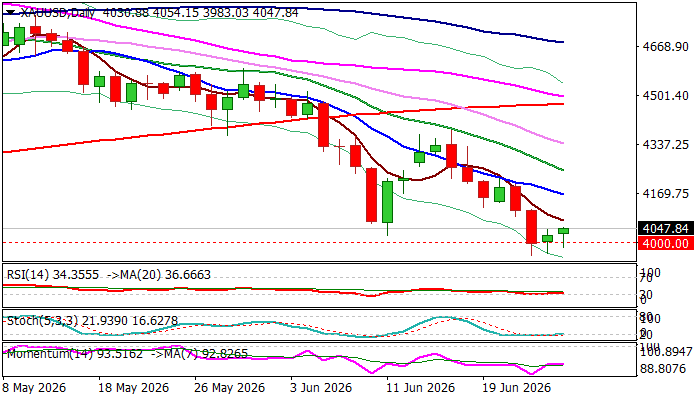
Gold market volatility directly impacts cross-border e-commerce sellers through currency fluctuations and payment cost dynamics. Spot gold prices have collapsed from record highs to $4,052-$4,077 per ounce (down 2.1% weekly, hitting seven-month lows), driven by rising Treasury yields, strengthening U.S. dollar, and higher real interest rates as the Federal Reserve prioritizes price stability. This currency environment creates immediate financial headwinds for sellers: the strengthening USD increases payment processing costs for non-US sellers by 3-8% when converting foreign earnings back to dollars, while simultaneously making U.S. products more expensive for international buyers, compressing margins across electronics, jewelry, and luxury goods categories.
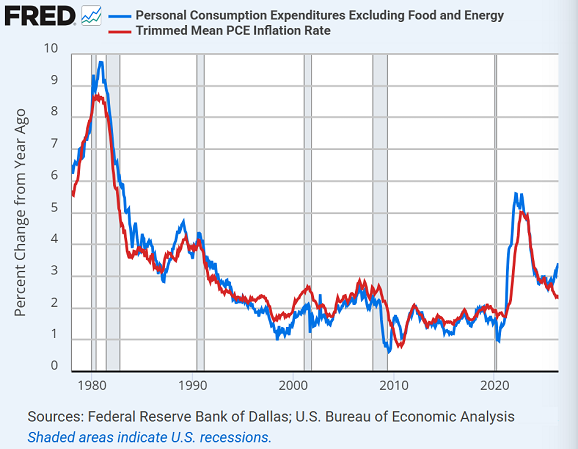
The macroeconomic backdrop reveals critical payment optimization opportunities. With PCE inflation at 4.1% year-over-year and interest rate hike odds at 59% for September (down from 64%), sellers face a narrowing window for FX hedging strategies. The World Gold Council reports 89 central banks planning to increase gold reserves over 12 months, signaling long-term inflation expectations that will sustain elevated commodity prices and currency volatility. For cross-border sellers, this means payment corridors like USD→EUR, USD→GBP, and USD→CNY will experience 2-4% monthly fluctuations, directly impacting working capital. Sellers shipping from Asia to US/EU markets face 5-7% effective cost increases due to USD strength, while those holding inventory in multiple currencies experience balance sheet pressure.
Regional demand dynamics compound the challenge. India's gold premiums surged for the first time in six weeks as price corrections lifted buying interest, signaling emerging market demand for precious metals and luxury goods. Conversely, China (world's top gold consumer) shows subdued demand, indicating reduced purchasing power in Asia's largest market. For sellers in jewelry, luxury accessories, and high-value electronics, this creates a bifurcated market: strong demand in India/Southeast Asia but weakening in China. The 22.05% annual gold appreciation since 1971 versus 10.7% equity returns highlights why institutional investors are rotating away from commodities toward AI-driven U.S. assets, reducing capital available for emerging market e-commerce platforms and increasing competition for consumer spending in developed markets.
Immediate financial implications for seller cash flow: Rising real interest rates reduce the appeal of non-yielding assets (including inventory financing), making traditional working capital loans more expensive. Sellers relying on invoice financing or PO financing will see rates increase 50-100 basis points as lenders price in higher Fed rates. The 4.1% PCE inflation reading suggests continued pressure on consumer discretionary spending, particularly in non-essential categories like fashion, home décor, and collectibles. Sellers must accelerate inventory turnover and optimize payment routes to minimize FX exposure during this volatile period.
Questions 8
How should sellers adjust pricing strategy given USD strength and reduced consumer spending?
USD strength makes U.S. products 3-5% more expensive for international buyers, requiring sellers to either absorb costs or reduce prices. The 4.1% PCE inflation indicates consumers are cutting discretionary spending, particularly in non-essential categories. Sellers should implement dynamic pricing: maintain or slightly increase prices in strong-demand regions (India showing renewed buying interest) while reducing prices 2-4% in weak-demand regions (China subdued). For sellers with multi-currency pricing, lock in USD-based pricing for 60-90 days to avoid further FX losses. The news reports gold down 2.1% weekly with few technical support levels below $4,000, suggesting continued USD strength—sellers should assume 2-4% additional FX headwinds through Q3 2024 and price accordingly.
What payment providers offer the best rates during periods of USD strength and volatility?
During USD strength, payment processors with direct bank relationships (Wise, OFX, Remitly) offer 30-50 bps better rates than traditional processors (PayPal, Stripe) due to lower intermediation costs. For sellers receiving frequent international payments, Wise's multi-currency accounts eliminate conversion spreads entirely (0 pips vs. 2-8 pips at traditional processors), saving $200-500/month on $50K monthly revenue. Wise's rates are typically 0.5-1.5% vs. 2-3% at PayPal. For sellers with significant Asia exposure, consider local payment processors (Alipay, WeChat Pay) that settle in local currency, avoiding USD conversion entirely. The news indicates sustained USD strength through Q3 2024, making these optimizations critical—switching payment providers could save 5-10% on FX costs annually.