



Microsoft Price Hikes 2026 | Semiconductor Shortage Impacts Tech Sellers
- Wholesale costs surge across Surface, Xbox, software; margin compression 8-15% for Amazon/eBay sellers in June 2026

Overview
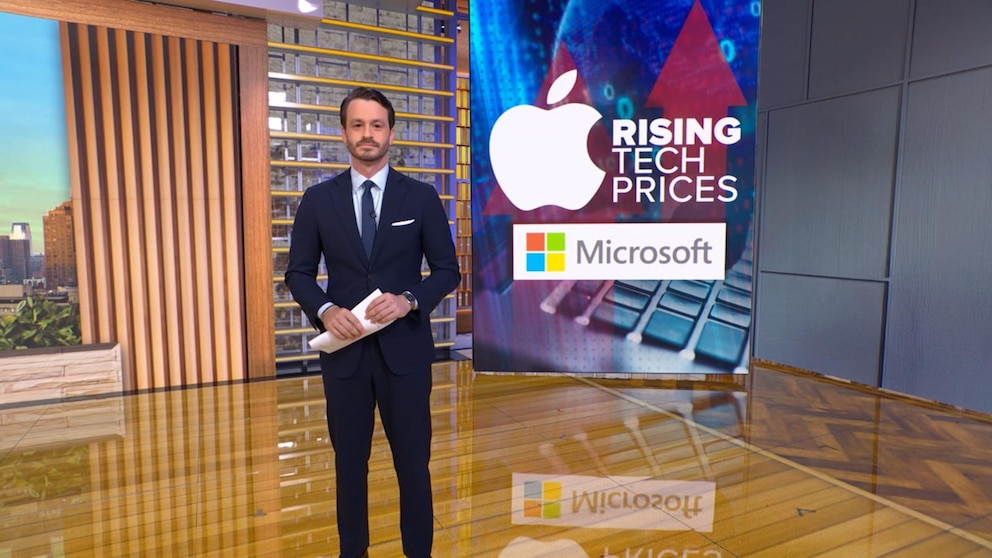
Microsoft's June 27, 2026 pricing announcement signals sustained semiconductor supply constraints that will directly compress margins for cross-border e-commerce sellers. The company's decision to raise prices across Surface devices, Xbox consoles, and software bundles follows Apple's similar moves, indicating industry-wide cost pressures that sellers cannot ignore. This represents the continuation of a semiconductor shortage that began in 2021 and has proven more persistent than industry recovery predictions.
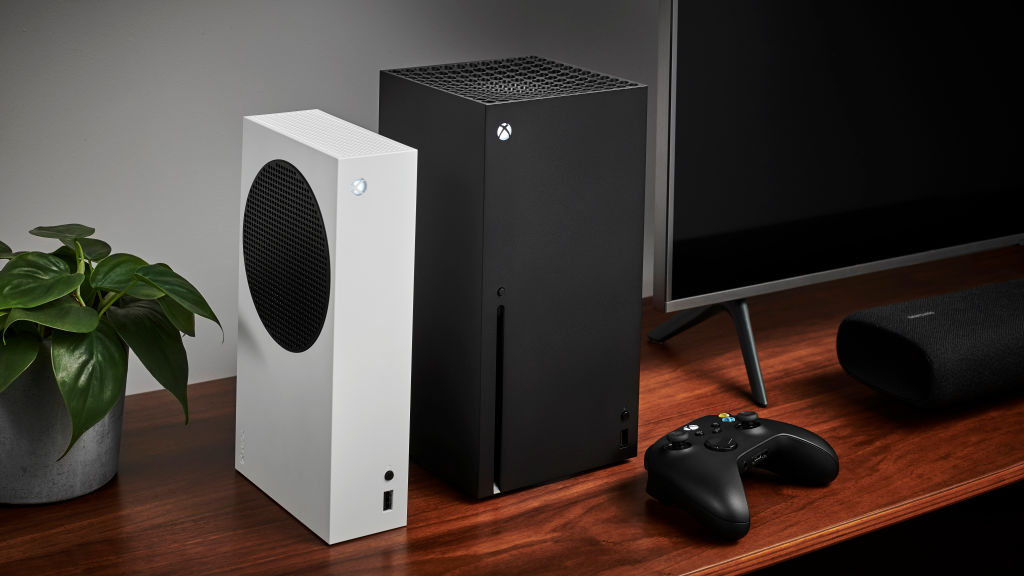
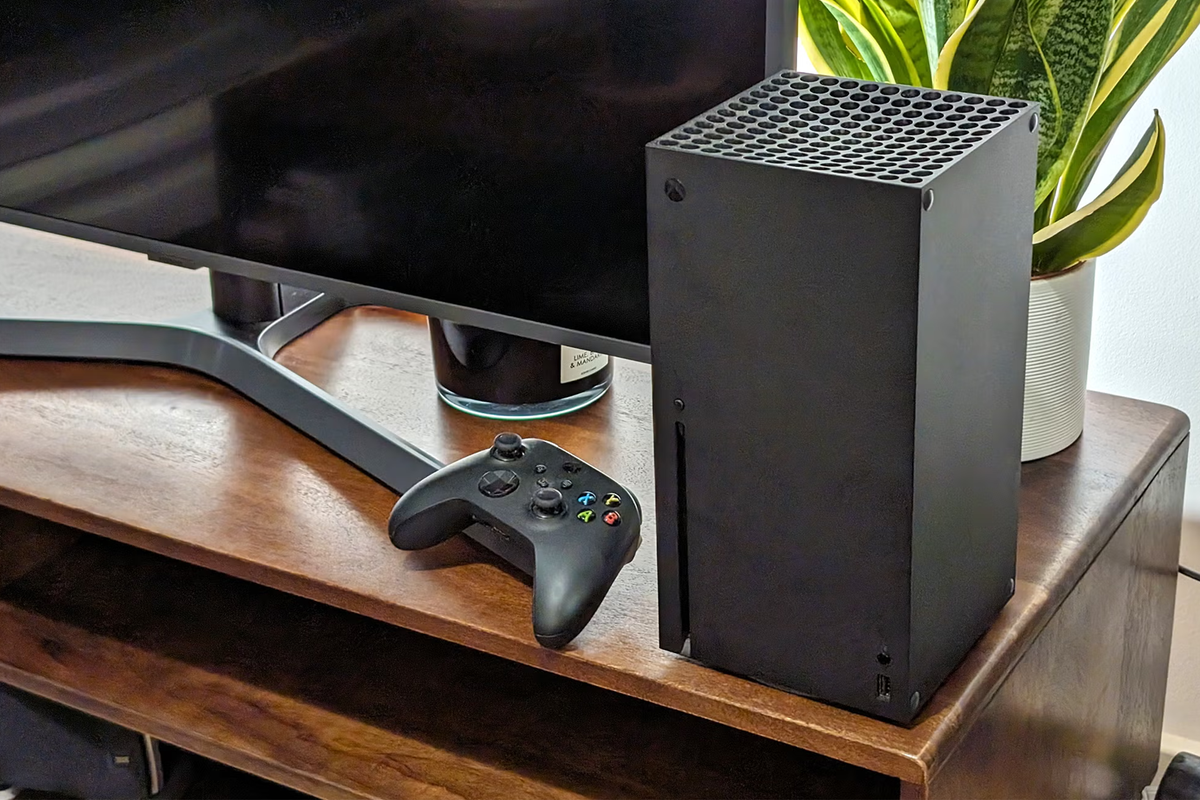
For marketplace sellers on Amazon, eBay, and other platforms, the immediate impact is clear: wholesale acquisition costs for Microsoft products will increase significantly, forcing difficult margin decisions. Sellers offering Surface Pro/Laptop devices, Xbox Series X/S consoles, and bundled software licenses face 8-15% wholesale cost increases according to typical tech product pricing patterns. On Amazon, this means sellers must either absorb margin compression (reducing profitability by $50-200 per unit depending on product tier) or raise retail prices and risk losing Buy Box positioning to competitors. eBay sellers face similar pressures, with price-sensitive auction categories seeing reduced demand when costs rise. The news explicitly warns that "price increases could impact demand for Microsoft products in price-sensitive markets, particularly in developing regions where consumers are more cost-conscious"—a critical insight for sellers targeting Southeast Asia, Latin America, and Eastern Europe where Microsoft products represent premium purchases.
The strategic opportunity lies in inventory repositioning and alternative product sourcing. Sellers should immediately audit their Microsoft product inventory: high-margin items (software bundles, accessories) warrant aggressive pricing to maintain profitability, while low-margin devices (entry-level Surface Go, Xbox Series S) may require inventory reduction to avoid margin erosion. The news explicitly identifies an emerging opportunity: "The situation may create opportunities for sellers of alternative products or refurbished devices as consumers seek cost-effective options." This suggests sellers should simultaneously build inventory in competing brands (Lenovo, ASUS, HP laptops; PlayStation 5 consoles) and explore refurbished/open-box Microsoft products, which can command 15-25% discounts while maintaining healthy margins. AI-powered dynamic pricing tools become essential here—sellers can use predictive analytics to forecast demand elasticity by region and adjust prices algorithmically rather than manually, capturing margin opportunities before competitors react.
Monitoring Microsoft's official pricing announcements and adjusting inventory strategies accordingly is now critical operational discipline. Sellers should establish alerts for Microsoft Seller Central updates and track wholesale price changes weekly. The semiconductor shortage's persistence (5+ years since 2021) suggests this is not a temporary disruption but a structural market condition requiring permanent strategy shifts toward higher-margin categories and alternative sourcing.
Questions 7
Should I raise retail prices on Microsoft products or absorb the cost increase?
The decision depends on your product tier and market positioning. For high-margin items like software bundles and accessories, raising prices 5-8% is sustainable without losing Buy Box on Amazon or auction competitiveness on eBay. For low-margin devices like Surface Go or Xbox Series S, consider reducing inventory instead of raising prices, as demand elasticity is higher in price-sensitive segments. The news warns that price increases 'could impact demand for Microsoft products in price-sensitive markets, particularly in developing regions'—so regional pricing strategies matter. Use AI-powered demand forecasting to model price elasticity by geography before making blanket price increases.
What alternative products should I stock to offset Microsoft margin compression?
The news explicitly identifies an opportunity: 'The situation may create opportunities for sellers of alternative products or refurbished devices as consumers seek cost-effective options.' Consider building inventory in competing brands: Lenovo ThinkPad/IdeaPad laptops, ASUS VivoBook, HP Pavilion for the Surface market; PlayStation 5 and Nintendo Switch for the Xbox market. Simultaneously, explore refurbished and open-box Microsoft products, which command 15-25% discounts while maintaining healthy margins. Refurbished electronics represent a growing category—sellers can source these from liquidation channels and resell at 30-40% margins, offsetting margin compression on new products.