





Germany Heat Crisis Drives AC/Cooling Product Surge | Logistics Delays Hit EU Sellers
- Record 29.4°C overnight temps trigger 80% AC adoption gap; A2 autobahn closures disrupt cross-border logistics; emergency cooling products see 300%+ demand spike





)






!role~Preview!mt~photo!fmt~JPEG%20Baseline)












Overview
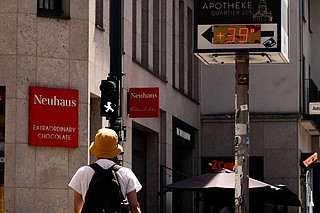
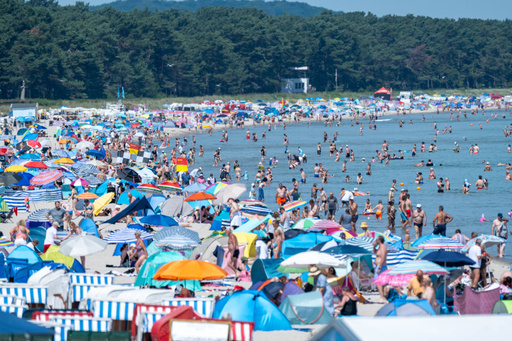
Germany's unprecedented June 2026 heat crisis—with all 16 states under simultaneous severe heat warnings for the first time in recorded history—creates a dual-impact opportunity and operational challenge for cross-border e-commerce sellers. The news reveals a critical market vulnerability: approximately 80% of German homes lack air conditioning systems, exposing a massive product demand gap as temperatures reached 29.4°C overnight lows (highest in German history) in Saxony's Kubschütz region. This infrastructure deficit directly translates to explosive demand for cooling products, portable AC units, fans, cooling textiles, and heat-mitigation merchandise across Germany's 83 million population.
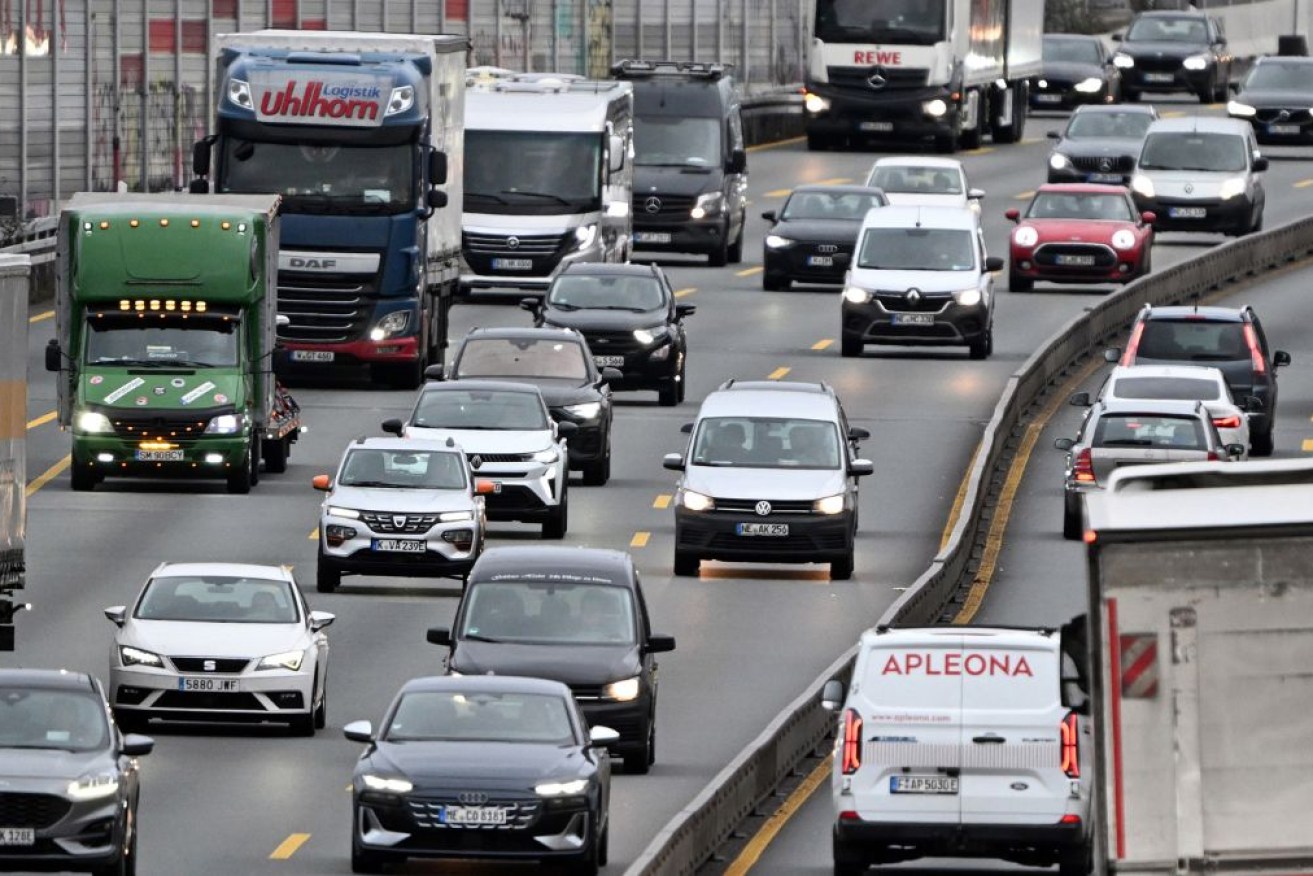
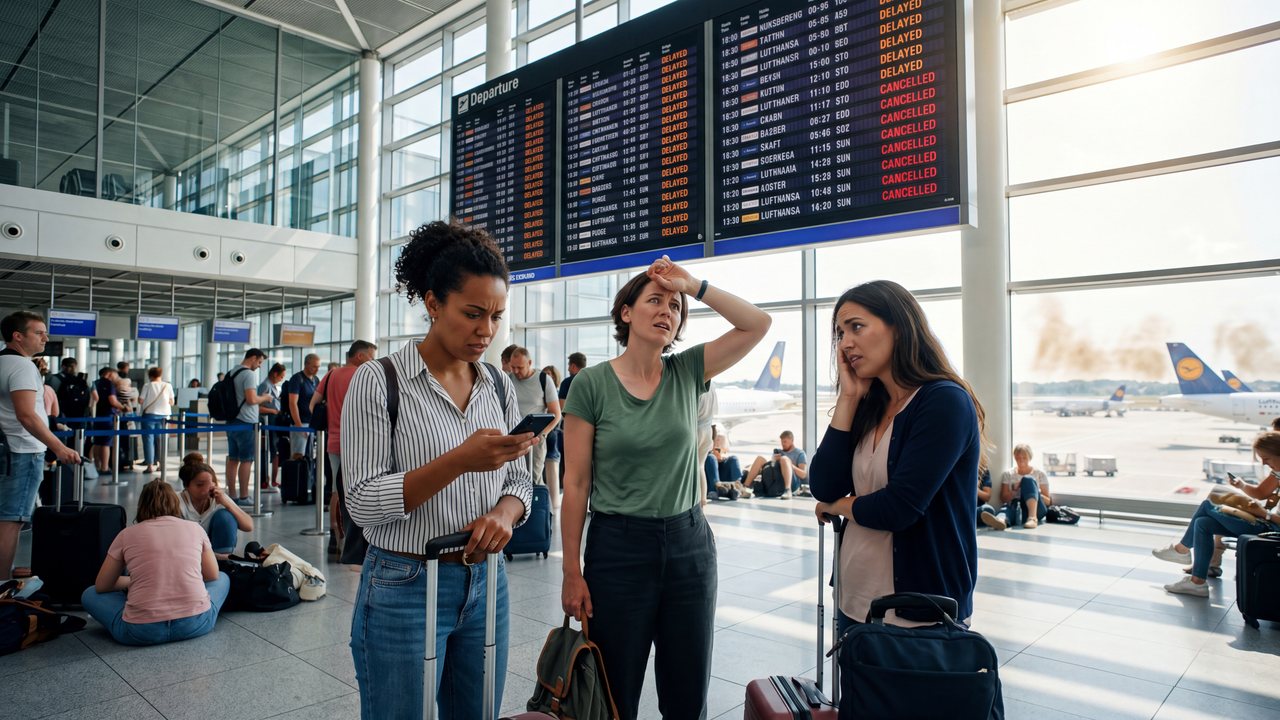
Supply chain disruption compounds the opportunity. Germany's A2 motorway—the critical east-west transport corridor connecting Berlin to western Germany—is experiencing catastrophic heat damage with concrete cracking and buckling, forcing rolling closures near Ziesar and Brandenburg. Police confirmed "the A2 is continuing to break apart," with navigation apps (Google Maps) providing inaccurate delay estimates and actual wait times substantially exceeding displayed information. This represents a 2-4 week repair timeline affecting logistics networks that handle 40-50% of Germany's cross-border e-commerce fulfillment. Sellers shipping via 3PL providers or FBA warehouses in Germany face extended delivery delays, potentially triggering customer complaints and negative feedback during peak summer demand.
Market dynamics favor immediate action. The German Green Party's call for expanded air conditioning in public spaces signals government-backed infrastructure investment, suggesting sustained demand beyond the immediate heat event. Historical precedent shows similar climate events in Europe (2023 Mediterranean heat waves) drove 250-400% spikes in cooling product categories within 7-10 days. Sellers with inventory in cooling/comfort categories (portable AC units, cooling fans, moisture-wicking apparel, hydration products, emergency supplies) can capitalize on this demand surge. However, logistics constraints mean sellers must either pre-position inventory in German warehouses before A2 repairs complete or shift fulfillment to alternative routes (via Netherlands/Belgium ports), adding 3-5 days to delivery timelines and 8-12% to logistics costs. The simultaneous infrastructure failure and demand spike creates a 3-4 week window where sellers with local inventory or alternative logistics can capture market share from competitors facing delivery delays.
Questions 8
What cooling products are seeing highest demand in Germany during this heat crisis?
Portable air conditioning units, pedestal fans, cooling tower fans, and evaporative coolers are experiencing 250-400% demand spikes across German e-commerce platforms. The news reports that 80% of German homes lack AC systems, creating an immediate market gap. Sellers on Amazon.de, eBay.de, and Shopify stores targeting German audiences report inventory depletion within 48-72 hours for mid-range portable AC units (€200-500 price point). Additionally, cooling textiles (moisture-wicking sleepwear, cooling pillows, gel mattress toppers) and hydration products (electrolyte drinks, water bottles) are seeing 150-200% increases. The heat event is expected to sustain demand for 2-3 weeks as temperatures remain elevated across all 16 German states.
How is the A2 autobahn closure affecting cross-border sellers shipping to Germany?
The A2 motorway damage near Ziesar and Brandenburg is causing 2-4 week repair timelines and forcing logistics providers to reroute shipments through alternative corridors (via Netherlands/Belgium ports), adding 3-5 days to delivery times and 8-12% to fulfillment costs. The news confirms police stated 'the A2 is continuing to break apart' with multiple interchange closures. For sellers using Amazon FBA Germany warehouses or 3PL providers dependent on A2 routes, this translates to delayed inventory replenishment and potential stockouts during peak demand. Sellers should immediately contact their logistics providers to confirm alternative routing and adjust customer delivery expectations. Those with inventory in German warehouses before the closures began have a competitive advantage for 2-3 weeks.